
Mon - Sat 7:00 am to 7:00 pm

Roofing Dumpster Rental: Sizes, Shingle Weight and Planning Tips
A roof tear-off creates more debris in a day than most projects create in a week. Old shingles, underlayment, nails, and flashing pile up fast, and they’re heavy enough to hit a dumpster’s weight limit long before the container looks full. That’s why the right roofing dumpster rental comes down to weight first and space second.
At Prime Dumpster, we help contractors, roofing crews, and homeowners choose dumpsters for tear-offs, repairs, and full replacements. This guide covers shingle weight, how to size a dumpster for your roof, how to handle heavy materials like tile and slate, and how to plan the rental around your schedule.
Fast Facts: Roofing Dumpster Rental
Size a roofing dumpster should be sized by weight, not volume, since a single layer of asphalt shingles can reach a container’s weight limit before it’s full.
Here’s roughly how many squares of single-layer architectural asphalt shingles each dumpster size typically holds before reaching its weight limit:
| Dumpster Size | Dimensions | Weight Capacity | Approximate Squares | Best For |
| 10-Yard Dumpster | 12′ x 8′ x 4.5′ | Up to 2 tons | 9 to 16 | Repairs, small roofs, tile or slate |
| 15-Yard Dumpster | 16′ x 8′ x 4.5′ | Up to 3 tons | 14 to 24 | Small to midsize tear-offs |
| 20-Yard Dumpster | 22′ x 8′ x 4.5′ | Up to 3 tons | 14 to 24 | Midsize tear-offs with bulky debris |
| 30-Yard Dumpster | 22′ x 8′ x 6′ | Up to 4 tons | 18 to 32 | Larger homes and roofs |
| 40-Yard Dumpster | 22′ x 8′ x 7-8′ | Up to 5 tons | 23 to 40 | Large and commercial roofs |
Figures are approximate. Dimensions and weight capacity can vary by location, and underlayment, nails, and extra layers reduce how many squares fit.
“Roofing debris fools people because it doesn’t take up much room,” says the Prime Dumpster Pro. “A dumpster can look half empty and already be at its weight limit, so start with how much the roof weighs, not how big the container is.”
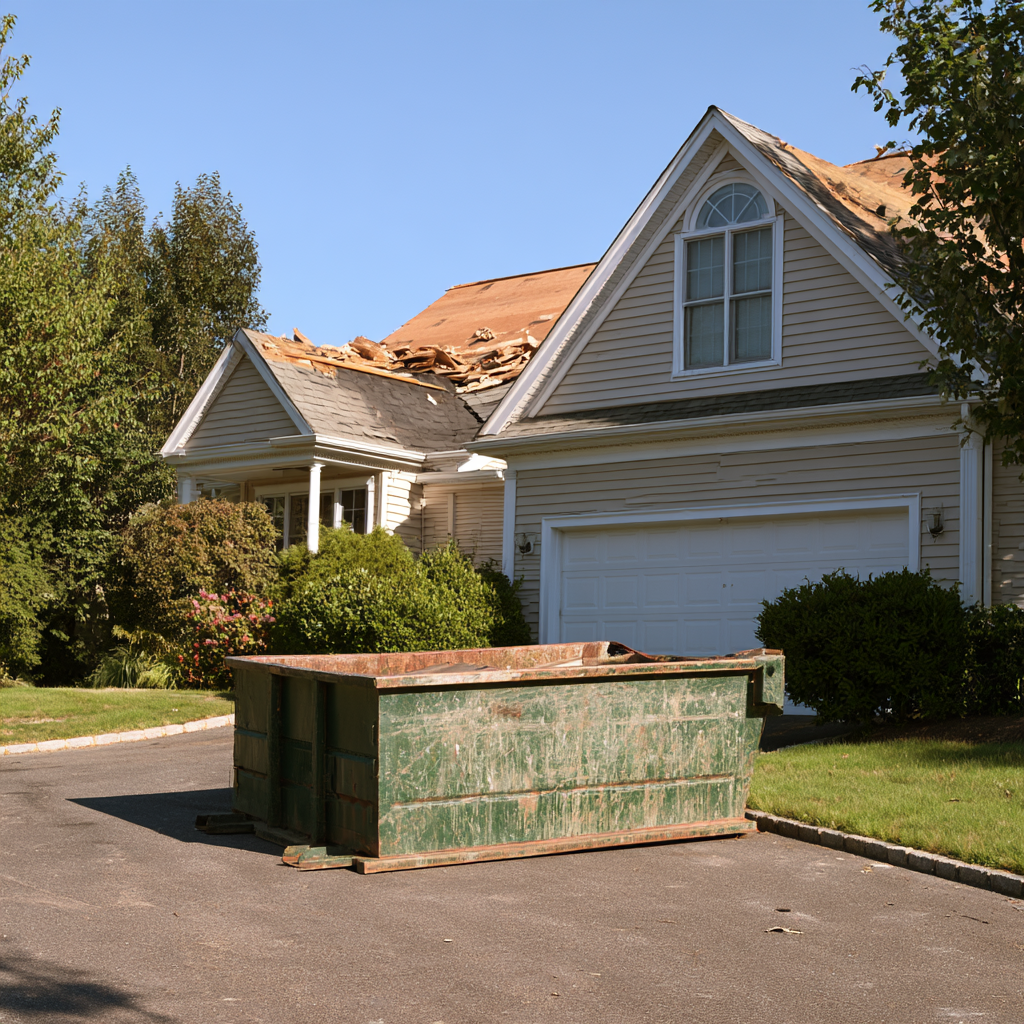
How Much Does a Square of Shingles Weigh?
A square of shingles covers 100 square feet of roof, and its weight depends on the material. Asphalt shingles are the lightest common option, while slate and tile weigh several times more.
| Roofing Material | Typical Weight per Square |
| 3-tab asphalt shingles | About 200 to 250 pounds |
| Architectural asphalt shingles | About 250 to 430 pounds |
| Wood shakes | About 300 to 400 pounds |
| Slate | About 800 to 1,000 pounds |
| Clay or concrete tile | About 900 pounds or more |
Exact weights vary by manufacturer and product line, so check the shingle wrapper or spec sheet when you can. Tear-off debris also includes underlayment, nails, drip edge, and flashing, which add weight beyond the shingles themselves.
A square of asphalt shingles typically weighs about 200 to 430 pounds, while slate and tile can weigh 800 pounds or more per square.
What Size Dumpster Do You Need for a Roof?
The size dumpster you need for a roof depends on the total weight of the tear-off. Work it out in four steps:
- Find the roof size in squares, usually listed on the roofing estimate
- Multiply squares by the weight per square for your shingle type
- Multiply again by the number of layers coming off
- Add a margin for underlayment, nails, and flashing, then match the total to a dumpster’s weight limit
For example, a 20-square roof with one layer of architectural shingles at about 350 pounds per square comes to roughly 7,000 pounds before underlayment. That’s over the 3-ton limit of a 20-yard dumpster, so a 30-yard dumpster with a 4-ton limit is the safer choice. The same roof with two layers would need two containers or a planned swap.
“Count the layers before you book,” says the Prime Dumpster Pro. “A second layer of shingles doubles the weight, and that’s the most common reason roofing jobs go over.”
Three-Tab
Architectural
Slate

To size a roofing dumpster, multiply roof squares by shingle weight and number of layers, then choose a container whose weight limit covers the total.
Roofing Dumpster Sizes by Project Type
Project scope shapes which dumpster fits best. Here’s how common roofing jobs typically line up.
Small Roof Repairs
Patch jobs, storm damage repairs, and partial reroofs usually fit in a 10-yard dumpster. Its compact footprint also fits in tight driveways, which helps homeowners handling a repair with a small crew.
Full Residential Roof Replacements
Most single-layer tear-offs on average-size homes call for a 15-yard, 20-yard, or 30-yard dumpster, depending on roof size and shingle type. Roofing is often one phase of a larger build or remodel, and our guide to dumpsters for residential construction covers planning containers across a full project.
Multilayer Tear-Offs
Older homes sometimes have two or three layers of shingles. Each layer adds its full weight, so plan for a larger container, a second dumpster, or a scheduled swap partway through the job.
Commercial and Flat Roofs
Commercial roofs often involve membrane roofing, insulation board, and sometimes gravel ballast. Larger roofs with lighter materials may fit a 30-yard or 40-yard dumpster, while ballast and other heavy debris need separate handling.
Small repairs typically fit a 10-yard dumpster, full residential tear-offs usually need a 15-yard to 30-yard dumpster, and large or multilayer jobs often need more than one container.
Heavy Roofing Materials: Tile, Slate and Gravel
Heavy roofing materials like clay tile, concrete tile, slate, and gravel ballast typically need a 10-yard dumpster. These materials reach a container’s weight limit quickly, and a larger dumpster won’t hold more weight just because it has more room.
For big tile or slate jobs, plan on several 10-yard dumpsters instead of one large container. Keeping heavy debris separate from lighter materials also makes it easier to stay within weight limits.
“Slate and tile are a different job from asphalt,” says the Prime Dumpster Pro. “Plan for multiple smaller containers, and the weight takes care of itself.”
Tile, slate, and gravel typically need 10-yard dumpsters, with multiple containers for larger jobs.
Placement and Loading Tips for Roofing Jobs
Good placement saves labor on every roofing job. Crews can toss debris straight from the roof edge when the dumpster sits close to the house. Keep these tips in mind:
- Place the dumpster near the drip line on the side with the most roof area
- Lay plywood under the rails to protect driveways and pavers
- Keep the area clear of power lines, vehicles, and walkways
- Spread shingles evenly across the floor instead of piling them at one end
- Keep debris below the top rim so the load can be hauled safely
Rain adds weight to shingles and underlayment. Covering the dumpster with a tarp overnight helps keep the load from getting heavier.
Place a roofing dumpster close to the drip line, protect the surface beneath it, and load evenly below the rim.
Shingle Disposal and Recycling
Most roofing dumpsters take asphalt shingles, underlayment, nails, and flashing. In some areas, tear-off shingles can be recycled into paving materials, which keeps them out of landfills. A shingle recycling directory lists state contacts and requirements, since rules vary.
Older roofing materials can contain asbestos, especially in homes built decades ago. If you suspect older shingles or felt might contain it, have the material tested before tear-off, since asbestos-containing debris can’t go in a standard dumpster.
For more on accepted materials, pricing, and permits, visit the dumpster rental resource hub.
Most roofing dumpsters accept asphalt shingles and tear-off debris, while recycling options and asbestos rules vary by location.
Planning a Roofing Dumpster for Contractors
Roofing contractors juggle tight timelines and weather windows. A little planning keeps containers from becoming the bottleneck.
Book the dumpster for the morning of tear-off, or the day before if you want it staged. For multiday or multilayer jobs, plan a swap ahead of time so a full container doesn’t stop work. Crews running several jobs at once can line up containers across sites, and an account manager helps keep sizes and schedules straight.
Weather is the wild card. Build a buffer day or two into the rental period during storm season so a rain delay doesn’t push you into extra days.
Contractors can avoid delays by booking containers before tear-off day, planning swaps on large jobs, and adding buffer days for weather.
Frequently Asked Questions
We asked the Prime Dumpster Pros for their answers to the most common questions we hear about roofing dumpster rental.
How Many Squares of Shingles Fit in a 20-Yard Dumpster?
A 20-yard dumpster typically holds about 14 to 24 squares of single-layer architectural asphalt shingles before reaching its 3-ton weight limit. Lighter 3-tab shingles fit more, while extra layers fit less.
What Size Dumpster Do I Need for a Roof?
The size dumpster you need for a roof depends on squares, shingle type, and layers. Many single-layer residential tear-offs fit a 15-yard to 30-yard dumpster, while repairs often fit a 10-yard dumpster.
Can I Put Roof Tiles in a Dumpster?
You can put roof tiles in a dumpster, but clay and concrete tiles are heavy and typically need a 10-yard dumpster. Larger tile jobs usually need several containers.
Do I Need a Permit for a Roofing Dumpster?
A roofing dumpster on a driveway or private property usually doesn’t need a permit. Placing one on a public street typically does, and rules vary by city.
Can I Mix Shingles With Other Debris?
You can mix shingles with most other construction debris, as long as the total stays within the weight limit. Keep heavy materials like tile or masonry in a separate 10-yard dumpster.
Get the Right Dumpster for Your Roofing Job
A successful roofing dumpster rental starts with weight. Knowing your roof’s squares, shingle type, and number of layers lets you choose a container that holds the full tear-off without overage fees or mid-job delays.
We help contractors and homeowners choose the right roofing dumpster, with transparent pricing and a friendly team that coordinates delivery and pickup around your schedule. Contact our team to plan the dumpster for your next roof.
If you are looking for I Accidentally Threw Something Away at a Wedding, Click Here
Recent Posts


Follow Us
Have any questions?
+1 844 853 3867
Give us a call today so we can help you find the right waste & sanitation solution for
your project!
Contact Us