
Mon - Sat 7:00 am to 7:00 pm
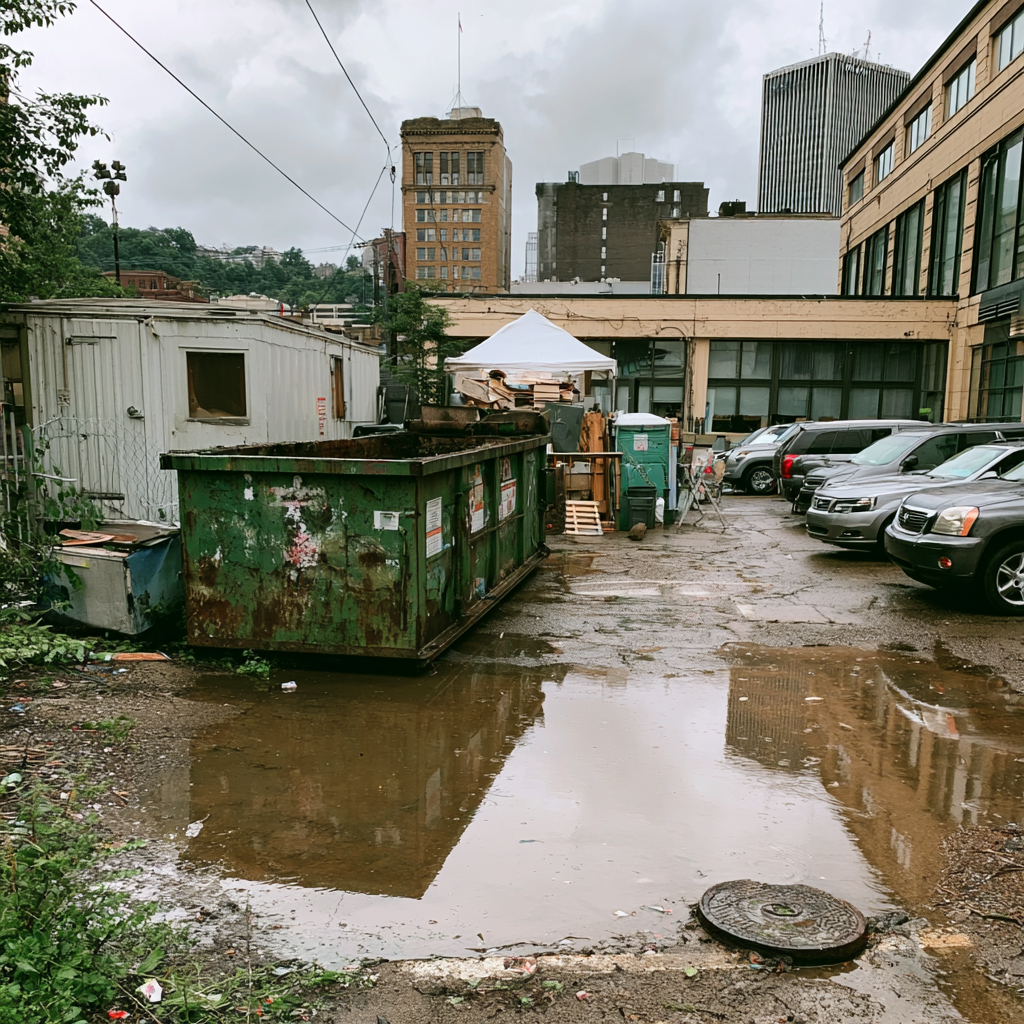
Emergency Dumpster Rentals in Pittsburgh, PA: How to Find What You Need
Pittsburgh’s location at the confluence of three rivers, combined with steep terrain and older residential infrastructure, makes emergency cleanup a more frequent reality here than in most comparable cities. Flooding along the Allegheny, Monongahela, and Ohio river corridors, severe storm damage across hillside neighborhoods, and the structural vulnerabilities of pre-war housing stock all create situations where debris removal needs to happen quickly and in large volumes.
Prime Dumpster coordinates emergency dumpster rentals across Pittsburgh, PA, and throughout Allegheny County for homeowners, contractors, and property managers facing urgent cleanup timelines. This guide covers the emergency scenarios most common in the Pittsburgh market, how a roll-off container fits into the response, and the practical steps that keep a rental working under pressure.
Fast Facts: Dumpster Rental for Pittsburgh Emergency Cleanup
The table below outlines standard container sizes available when you rent a dumpster in Pittsburgh, PA for emergency cleanup, with approximate dimensions and common emergency uses for each.
| Size | Approximate Dimensions | Common Emergency Uses |
| 10-Yard Dumpster | 12′ × 8′ × 3.5′ | Concentrated storm debris, small flood cleanouts, targeted structural removal |
| 15-Yard Dumpster | 16′ × 7.5′ × 4.5′ | Mid-sized flood cleanup, wind damage debris, waterlogged furniture and contents removal |
| 20-Yard Dumpster | 22′ × 7.5′ × 4.5′ | Whole-property storm cleanup, fire damage debris, sewage backup and water damage restoration |
| 30-Yard Dumpster | 22′ × 8′ × 6′ | Large flood events, partial structural demolition, major fire damage across multiple rooms |
| 40-Yard Dumpster | 22–24′ × 8′ × 8′ | Full structural demolition, catastrophic storm or flood damage, large-scale property clearance |
Sizes and availability vary by location and conditions. Confirm options and current availability with your provider before booking.

Why a Roll-Off Dumpster Is Essential for Emergency Cleanup
Standard trash service is designed for routine, predictable waste volumes, and emergency cleanup generates neither. A single flood event or storm can produce more debris in a few hours than a property would generate in months of normal use.
A roll-off container gives cleanup crews a centralized, high-capacity disposal point that keeps the work moving without waiting on scheduled pickups or hauling loads off-site. Speed matters in emergency cleanup, and a container that’s already on the property removes one of the biggest logistical bottlenecks from an already stressful situation.
Junk removal services and self-hauling are alternatives that work on smaller cleanups, but neither scales well when debris volumes are high and timelines are compressed. A roll-off container sized to the scope of the emergency keeps the entire cleanup contained in a single rental period.
Learn more about non-emergency uses here: Local Guide to Dumpster Rental in Pittsburgh, PA
Types of Emergencies That Drive Dumpster Rental Demand in Pittsburgh
Pittsburgh’s geography and climate create a wider range of emergency scenarios than most renters anticipate before their first cleanup rental.
Storm and Wind Damage
Severe thunderstorms and high wind events are the most common emergency cleanup trigger across Pittsburgh’s hillside neighborhoods. Downed trees, damaged roofing, and scattered debris accumulate quickly across properties with mature tree canopy.
A 20-yard container handles most single-property storm cleanups without requiring a swap.
River Flooding and Flash Floods
Pittsburgh’s three rivers and the steep valleys that feed them create flood risk across a wide range of neighborhoods beyond the immediate waterfront. The South Side Flats, the Strip District, and lower-lying sections of Millvale and Etna see periodic inundation that generates waterlogged furniture, structural materials, and contaminated debris.
Flood cleanup debris is heavier than it looks, and sizing for weight rather than volume prevents overage charges on an already stressful rental.
Fire Damage Cleanup
Fire damage cleanup generates a concentrated mix of charred structural materials, ash, and water-damaged contents that require fast removal before restoration work can begin. A dedicated container positioned close to the structure keeps the cleanup crew moving without long hauls across the property.
Asbestos-containing materials in older Pittsburgh homes may be disturbed during fire damage and require licensed abatement before general debris can go into a standard container.
Structural Collapse and Demolition
Pittsburgh’s older housing stock includes properties that have reached the end of their structural life, and collapse or emergency demolition generates the highest debris volumes of any cleanup scenario. A 30-yard or 40-yard container is the starting point for most full structural removal projects.
Multiple container swaps are often necessary on larger demolition scopes.
Sewage Backup and Water Damage
Sewage backup and interior water damage events generate debris that requires careful sorting before loading. Contaminated materials, waterlogged insulation, and damaged flooring all need to be separated from general cleanup debris.
Confirming accepted materials with your provider before loading prevents complications at the disposal facility and keeps the rental compliant from start to finish.
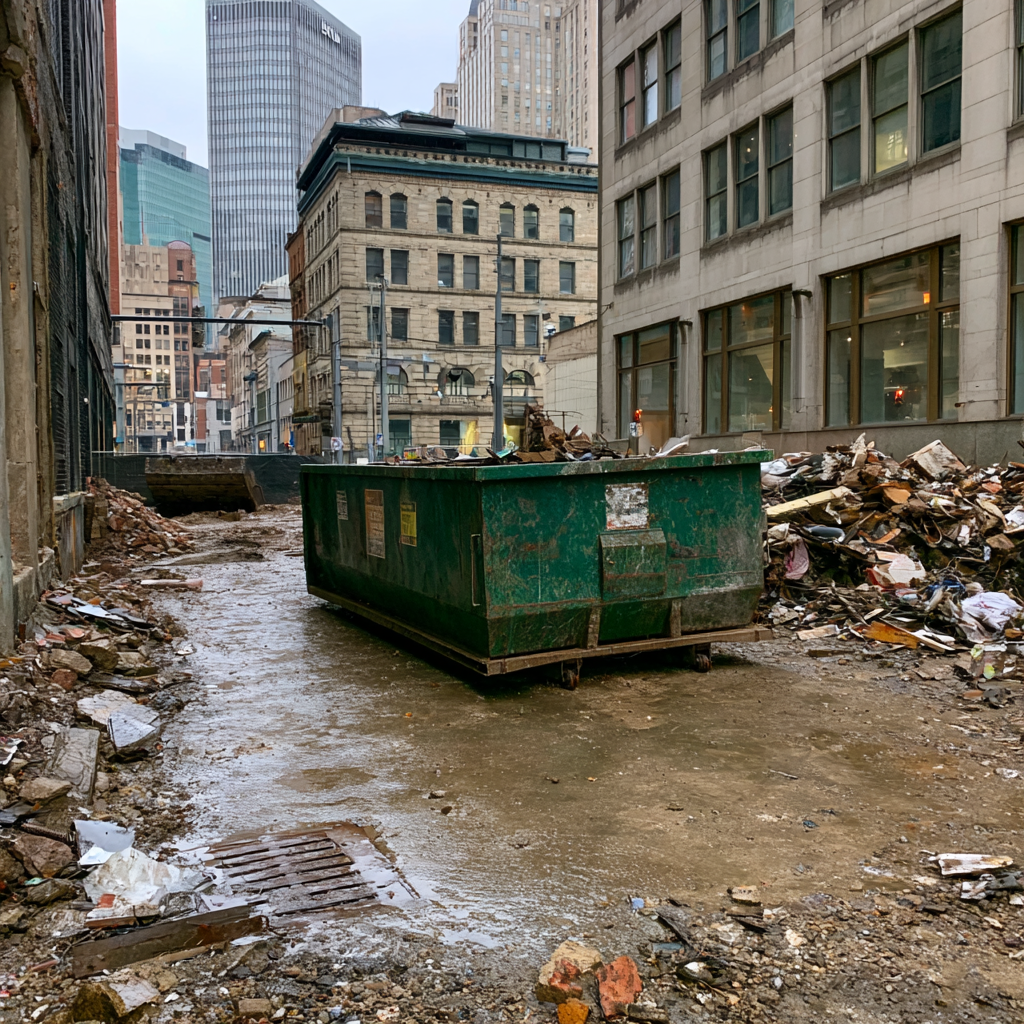
What the Renter Does vs. What the Provider Does
Understanding the division of responsibilities during an emergency rental keeps the process moving without confusion on either side.
What the Renter Handles:
These are the steps the renter needs to complete before and during the rental.
- Clear the delivery path of debris, vehicles, and overhead obstructions before the scheduled delivery window
- Identify and separate any regulated or prohibited materials before loading begins
- Communicate site access conditions, gate codes, or terrain challenges to the provider before delivery
- Monitor the fill level and schedule pickup or a swap before the container is overfilled
- Confirm placement location and surface conditions are adequate before booking
Don’t hesitate to call your provider if you have any questions.
What the Provider Handles:
These are the logistics the provider manages once the site is prepared and the booking is confirmed.
- Delivering the container to the confirmed placement location using the appropriate equipment
- Advising on container sizing based on the debris type and cleanup scope
- Hauling the container to the disposal facility at the scheduled pickup time
- Guidance on surface protection measures when flagged before delivery
When the delivery team knows what to expect, delivery is much more likely to be easy and fast. If you can, consider sending some pictures.
Tips for a Successful Emergency Dumpster Rental in Pittsburgh
A few targeted decisions made quickly at the start of an emergency cleanup will help lead to a better experience throughout the cleanup process.
#1. Storm and Wind Damage:
- Book as soon as the storm passes and conditions allow safe access to the property
- Separate heavy debris like downed tree sections from lighter materials to avoid weight overages
#2. River Flooding and Flash Floods:
- Call early, as regional flood events create metro-wide demand spikes that drain availability fast
- Confirm the placement surface is stable before scheduling, since flood-saturated ground can shift under a loaded container
#3 Fire Damage Cleanup:
- Have a licensed inspector assess for asbestos before any debris goes into the container
- Keep charred structural materials separate from water-damaged contents to simplify disposal at the facility
#4 Structural Collapse and Demolition:
- Plan for multiple containers or scheduled swaps from the start rather than underestimating scope
- Confirm that concrete, brick, and masonry go into a dedicated 10-yard container rather than the general debris container
#5. Sewage Backup and Water Damage:
- Confirm accepted materials with your provider before loading to avoid contaminated debris creating disposal complications
- Keep the rental period tight, since waterlogged materials deteriorate quickly and an extended rental period rarely benefits a fast-moving cleanup
How Pittsburgh’s Terrain Affects Emergency Placement
Pittsburgh’s terrain adds a layer of complexity to emergency placement that doesn’t exist in most other markets.
#1 Assess the Grade Before Scheduling
A driveway that holds a container safely under normal conditions may not be adequate after heavy rain has saturated the soil or eroded the surface. Confirming surface stability after a weather event before the truck is dispatched prevents placement failures on delivery day.
#2 Confirm Delivery Truck Access on Hillside Streets
Flood or storm debris blocking the delivery path on a steep Pittsburgh street can prevent the truck from reaching the placement location entirely. Clearing the approach before the scheduled delivery window keeps the rental on track without rescheduling delays.
#3 Consider Street Placement When the Driveway Is Compromised
A driveway that has been undermined by flooding or damaged by a fallen tree may not safely support a loaded container. Street placement with the appropriate city permit is often the safer and faster option when on-site conditions are uncertain.
#4 Use Protective Boards on Saturated Ground
Flood-saturated soil and softened asphalt provide unreliable support for a fully loaded roll-off container. Boards under the container’s contact points distribute the weight and prevent the container from settling unevenly during the rental period.
#5 Communicate Terrain Challenges to the Provider Before Delivery
A provider who knows about a steep grade, a narrow approach, or a compromised surface before dispatch can plan accordingly rather than encountering the problem at the delivery location. A brief description of the site conditions when booking is one of the most effective steps a Pittsburgh renter can take in an emergency situation.
Get Emergency Dumpster Rental Support in Pittsburgh
Emergency dumpster rental for Pittsburg, PA, works best when the right container is booked quickly, the site is prepared before delivery, and debris sorting starts before the first load goes in. Pittsburgh’s terrain, older housing stock, and river geography all add variables that make advance communication with your provider more important than in most markets. Contact our team for a flat-rate quote and guidance on emergency dumpster rental for your Pittsburgh property.
If you are looking for Dumpster Rental Placement for Pittsburgh Properties, Click Here
Recent Posts


Follow Us
Have any questions?
+1 844 853 3867
Give us a call today so we can help you find the right waste & sanitation solution for
your project!
Contact Us