Mon - Sat 7:00 am to 7:00 pm


Mon - Sat 7:00 am to 7:00 pm

Water-soaked drywall can double or triple in weight compared to dry materials, yet most contractors estimate disposal needs without accounting for rain exposure during multi-day projects.
Prime Dumpster has created a comprehensive guide on how wet drywall affects dumpster disposal. Learn more about moisture absorption rates, weather protection strategies, and accurate weight estimation techniques for wet conditions.
Wet drywall poses unique challenges for disposal planning because moisture absorption transforms lightweight panels into heavy loads that exceed standard weight calculations.
A single rainstorm can add hundreds of pounds to your demolition debris, pushing containers beyond weight limits and triggering expensive overage fees.
Accurate moisture management ensures your drywall disposal stays within budget and prevents costly mid-project container additions or refused pickups from overweight violations.

Ever wonder why your construction debris suddenly feels twice as heavy after a rain shower? The answer lies in the basic science of porous materials and their relationship with water.
A standard 4×8 foot sheet of half-inch gypsum board weighs about 50 pounds when completely dry. That’s your baseline measurement for planning purposes.
Gypsum has a porous composition that acts like a natural sponge. Water molecules easily penetrate the paper facing and saturate the core material. This absorption process adds substantial mass to each panel.
The weight increase isn’t just surface-level moisture. Water penetrates deep into the material’s structure. This makes it difficult to remove without proper drying time.
Saturated gypsum board loses its structural strength. It becomes brittle and prone to breaking during handling. This creates additional challenges for waste management.
Compared to concrete, metal, or plastic debris, gypsum-based products are much more vulnerable to moisture. Their porous nature makes them absorb water more readily.
Water-damaged panels often cannot be recycled. This limitation affects your disposal options and can increase project costs significantly.
Budgeting for construction waste gets complicated when Mother Nature decides to join the project. Those extra pounds from rainwater can turn your carefully planned disposal into a financial headache.
Gypsum board’s porous nature means it absorbs moisture like a sponge. A single storm can add hundreds of pounds to your load. This weight fluctuation makes accurate planning essential.
Material left outside during multi-day rentals faces constant weather changes. Each rainfall compounds the problem, increasing your risk of exceeding limits.
Every container rental includes a specific weight allowance in the base price. Going over this limit triggers overage charges.
Even a small exceedance of just a few pounds often results in paying for a full ton. Facilities weigh loads at the landfill, leaving no room for negotiation.
Communicate clearly with your rental provider about potential moisture issues. Some companies have specific policies regarding damp materials.
Calculate both dry weight and potential water absorption when estimating your needs. This proactive approach helps you select the right container size and avoid surprise costs.
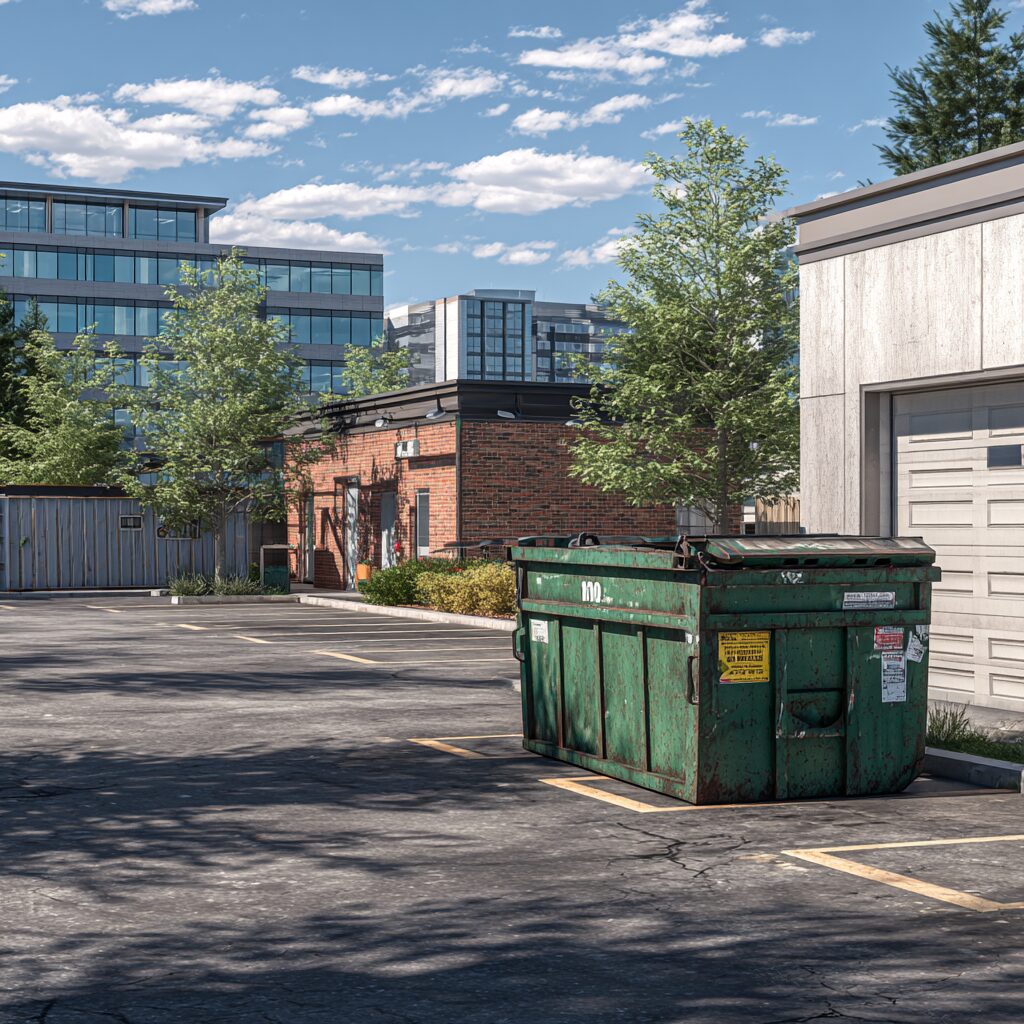
Have you ever rented a dumpster only to find it’s either too small or way too big for your project? Getting the container size right makes all the difference in construction waste management.
We’ll break down the most common rolloff options to help you match your project scope perfectly. Understanding these choices prevents costly mistakes.
| Yard Size | Approx Sheet Capacity | Approx Weight Limit | Ideal Project Type |
| 10-yard | 180-200 sheets | Up to 2 tons | Single-room renovations |
| 15-yard | 250-280 sheets | Up to 3 tons | Multi-room projects |
| 20-yard | 350-400 sheets | Up to 4 tons | Whole-floor renovations |
| 30-yard | 550-600 sheets | Up to 5 tons | Complete home remodels |
| 40-yard | 750-800 sheets | Up to 6 tons | Commercial renovations |
Keep in mind these are average weight limits. In some cases, dumpsters may have smaller weight limits, such as 1 ton. Weight limits on dumpsters are often determined by local availability.
Construction debris consistently weighs more than household junk. A bathroom remodel might need a 10-yard container while whole-house projects require larger options.
Specialty panel types add extra weight considerations. Matching your project scope to container capacity saves money and prevents multiple hauls.
What if you could predict exactly how much your renovation debris will weigh before it hits the container? Getting these calculations right saves you from budget surprises and container overages.
We’ll show you simple methods to estimate material weights accurately. These techniques work for any project size.
Start by counting your panels. Multiply the sheet count by the weight per board to get total pounds. Then divide by 2,000 to convert to tons.
For irregular spaces, use the square footage method. Multiply your area by 0.42 for standard half-inch material. A 500-square-foot room equals about 210 pounds.
Remember specialty types weigh more. Fireproof or soundproof versions can be 30% heavier. Five-eighths-inch panels hold 25% more material than standard ones.
When gypsum board gets damp, your calculations need adjustment. Water absorption throughout the core adds significant weight.
Increase your dry weight estimates substantially for exposed materials. Joint compound adds about 0.5 pounds per square foot to finished walls.
Always add a 15% buffer for cutoffs and mistakes. This prevents last-minute scrambling for extra disposal options.
How does wet drywall affect dumpster disposal? Extra weight leads to extra fees and production days. Even a single short storm can add hundreds of pounds to your load, pushing containers beyond weight limits and triggering overage fees that destroy renovation budgets.
Contact our team to help you find the best dumpster rental options for your drywall disposal project, including expert guidance on moisture management strategies and container sizing that accounts for potential weather-related weight increases.
If you are looking for Regular Drywall vs Moisture-Resistant Drywall: Weight Differences, Click Here


