
Mon - Sat 7:00 am to 7:00 pm
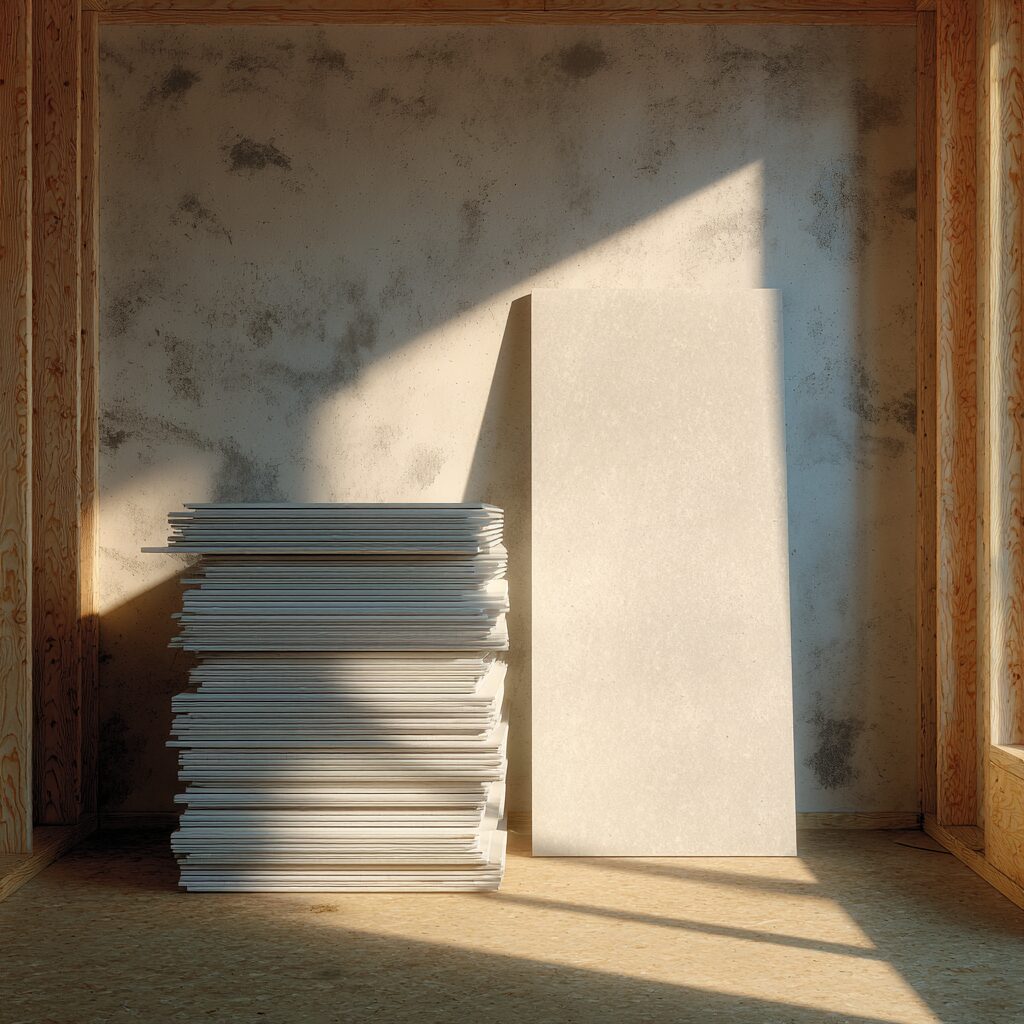
Regular Drywall vs Moisture-Resistant Drywall: Weight Differences
Moisture-resistant drywall weighs 10 to 20% more than regular drywall due to denser core materials and water-repellent additives, yet most contractors calculate disposal needs based on standard sheet weights.
Regular drywall vs moisture-resistant drywall for dumpster disposal matters because bathroom and kitchen demolition generates heavier debris that reaches weight limits faster than living room or bedroom materials.
Prime Dumpster has created a comprehensive guide on regular drywall vs moisture-resistant drywall for dumpster disposal that covers accurate weight calculations, container sizing strategies, and disposal planning that prevents overage fees.
Fast Facts: Regular Drywall vs Moisture-Resistant Drywall for Dumpster Disposal
“The biggest mistake contractors make with drywall disposal is treating all panels the same, but moisture-resistant boards from bathrooms and kitchens weigh 10 to 20% more than standard sheets,” says a Prime Dumpster Pro.
“A 4×10 moisture-resistant panel at 55 to 60 pounds versus a 4×8 standard sheet at 50 pounds might seem like a small difference, but those extra pounds add up quickly across entire room demolitions and push you into higher container sizes or overage fees.”
Drywall Weight and Disposal Essentials:
- Sheet dimensions and thickness determine base weight – Standard 4×8 sheets at half-inch thickness weigh approximately 50 pounds, while 5/8-inch panels weigh 60 pounds, and larger 4×12 sheets contain 50% more material that increases disposal weight proportionally.
- Moisture-resistant panels pack extra density – Green board and blue board used in bathrooms and kitchens feature denser gypsum cores and treated paper facing that add 5 to 10 pounds per sheet compared to standard drywall from living rooms and bedrooms.
- Applied finishes increase disposal weight – Joint compound and texture add roughly half a pound per square foot to finished walls, meaning demolished materials weigh significantly more than the original bare sheets contractors installed.
- Source separation enables recycling – Keeping clean drywall separate from wood, metal, and contaminated materials allows gypsum recycling into new products while preventing landfill bans that exist in states like Massachusetts.
These weight distinctions help contractors calculate accurate disposal needs that match container capacity to actual debris loads without triggering expensive overage charges.
Regular Drywall and Its Weight
That familiar white paneling found in most American homes has some important weight characteristics you should understand. Standard wall boards form the backbone of interior construction projects across the country.
Overview of Standard Drywall Characteristics
These common building products feature a gypsum core sandwiched between paper facers. This combination creates the go-to material for most residential and commercial walls.
A typical 4×8 sheet of half-inch thickness weighs approximately 50 pounds. This baseline measurement helps contractors plan their material handling and disposal strategies.
Factors Influencing Weight and Disposal Considerations
Thicker boards contain more gypsum material, significantly increasing their mass. Five-eighth-inch panels weigh about 20% more than half-inch versions.
Sheet dimensions dramatically impact total weight. A 4×12 panel contains 50% more material than a standard 4×8 board at the same thickness.
| Sheet Size | 1/2″ Thickness Weight | 5/8″ Thickness Weight | Material Increase vs 4×8 |
| 4×8 feet | 50 lbs | 60 lbs | Base measurement |
| 4×10 feet | 62.5 lbs | 75 lbs | 25% more material |
| 4×12 feet | 75 lbs | 90 lbs | 50% more material |
Additional materials like joint compound and texture add roughly half a pound per square foot. These finishing products turn your basic sheets into heavier debris after installation.
Understanding these weight factors helps prevent container overload situations. Accurate calculations ensure your cleanup stays within planned limits.
Exploring Moisture-Resistant Drywall
The panels used behind your shower tile are built differently from those in your living room. That difference starts with the core materials. This specialized type is a must for spaces like bathrooms and kitchens.
Defining Moisture-Resistant Drywall and Its Unique Properties
Often called green board or blue board, these products fight dampness. They have a gypsum core with special additives. These materials help the panel resist absorbing water.
The paper covering is also treated. This coating repels moisture instead of soaking it up like standard paper. It’s a smart choice for interior walls in high-humidity areas.
Weight Differences Compared to Regular Drywall
This extra protection comes with added heft. A moisture-resistant board is noticeably heavier. The weight difference is due to denser core materials and thicker panels.
They often come in larger sizes, like 4×10 feet. This reduces seams in wet areas but increases the weight per panel. Check the table below for a clear comparison.
| Panel Type | Common Size | Typical Thickness | Average Weight |
| Standard Panel | 4×8 feet | 1/2 inch | 50 lbs |
| Moisture-Resistant Board | 4×10 feet | 5/8 inch | 55-60 lbs |
Planning for a project involving these areas? Expect the debris to be about 10-20% heavier. Knowing which parts of your building used this type of product helps with accurate planning.
Regular Drywall vs Moisture-Related Drywall for Dumpster Disposal
Planning your debris removal strategy requires understanding how different wall board types affect your disposal approach. The heavier nature of specialized panels changes the game when you’re filling that rental container.
Weight Implications for Each Material
Those moisture-resistant boards pack extra pounds that impact your cleanup plans significantly. You’ll reach weight limits faster with these panels compared to standard options.
This means you might need a larger container or additional hauls even with fewer sheets. Account for bathroom and kitchen areas during planning since they generate heavier debris.
Best Practices for Dumpster Disposal
Both material types need the same preparation before tossing them out. Remove all nails, screws, and tape to prevent contamination and enable recycling.
Breaking down sheets helps with loading but creates gypsum dust. Keep your wall board waste separate from other construction materials to maintain disposal options.
Time your container order based on accurate weight calculations. This prevents situations where your bin fills up before reaching capacity or hits limits while still having space.
Distribute weight evenly when loading to avoid transport issues. The way you stack materials matters less than getting the total weight right for a smooth haul-away process.
Dumpster Size Considerations for Drywall Debris
Choosing the right container for your wall board cleanup can make or break your project budget. The wrong size leads to wasted money or frustrating delays. We’ll help you match your debris volume to the perfect rental option.
Comparing 10, 15, 20, 30, and 40-Yard Dumpster Capacities
Small bathroom remodels need compact solutions. A 10-yard container handles about 180-200 standard sheets. That’s often a good choice for projects covering 400-500 square feet.
Multi-room jobs demand more space. A 15-yard option accommodates 250-280 sheets. They often well for basement finishing or several interior areas.
Whole-house renovations require serious capacity. A 20-yard dumpster holds 350-400 sheets. It suits complete interior updates in average homes.
Larger projects with mixed panel types need 30-yard containers. These handle approximately 550-600 sheets. Commercial work often requires 40-yard options for 750-800 sheets.
Keep in mind that dumpster weight limits can vary based on your area and what’s available. In some cases, larger dumpsters may also have a weight limit of 1 ton.
“Weight restrictions matter more than physical space with wall board debris,” says the Prime Dumpster Pro. “You’ll hit weight limits before filling the container completely, and that’s especially true with thicker or specialized panels.”
Measurement Techniques and Weight Calculations
The math behind wall board disposal isn’t complicated, but getting it wrong can cost you. We’ll show you how to calculate your debris weight accurately.
Estimating Total Debris Weight from Sheet Dimensions
Start with a simple formula: count your sheets and multiply by the weight per board. Divide the total pounds by 2,000 to get tons for container planning.
For area-based estimates, multiply your square footage by 0.42 for standard half-inch panels. A 500-square-foot room equals roughly 210 pounds of material.
| Calculation Method | Standard ½” Panels | Moisture-Resistant | Result Example |
| Sheet Count × Weight | 50 lbs per 4×8 sheet | 55-60 lbs per sheet | 20 sheets = 1,000-1,200 lbs |
| Area × Multiplier | 0.42 lbs per sq ft | 0.48 lbs per sq ft | 500 sq ft = 210-240 lbs |
| Convert to Tons | Pounds ÷ 2,000 | Pounds ÷ 2,000 | 1,000 lbs = 0.5 tons |
Adjustments for Offcuts and Variations in Thickness
Always add 15% to your calculations for cutoffs and mistakes. Real-world projects never match perfect mathematical models.
Joint compound adds half a pound per square foot once applied. Walls with heavy texture weigh noticeably more than bare board calculations suggest.
Thickness variations matter significantly. Five-eighth-inch boards weigh 20% more than half-inch versions. Confirm actual product specifications before estimating.
Environmental and Regulatory Factors in Disposal
What happens to your leftover wall panels after the dust settles matters more than you might think. Disposal choices impact everything from local air quality to landfill space. We need to look beyond just getting rid of the debris.
Guidelines for Handling Gypsum and Joint Compounds
Gypsum, the core material in these panels, can create problems in landfills. As it breaks down, it may produce hydrogen sulfide gas. This gas has a strong rotten-egg smell and can cause headaches.
Recycling is the best path for clean scrap from new construction. The gypsum core can be crushed and used in new concrete or as a soil amendment. Even the paper facing can be recycled into animal bedding.
Demolition work requires more caution. Older buildings might have lead-based paint or asbestos in the joint compound. This contamination makes recycling much more difficult.
Local Regulations and Recycling Considerations
Rules for disposal are not the same everywhere. Some areas have strict bans on this type of construction waste.
Always check your local regulations before you start a project. The best practice is to keep gypsum waste separate from other materials like wood and metal. This source separation makes recycling possible and prevents contamination.
Proper waste management helps reduce environmental impact. It also keeps your project compliant with growing local and state laws.
Accurate Material Assessment Prevents Drywall Disposal Complications
Regular drywall vs moisture-resistant drywall for dumpster disposal requires different weight calculations, with moisture-resistant panels at 55 to 60 pounds per 4×10 sheet compared to standard sheets at 50 pounds per 4×8 sheet. Projects involving bathroom and kitchen demolition need larger containers or additional hauls to accommodate the 10 to 20% weight increase from moisture-resistant materials.
Contact our team to help you find the best dumpster rental options for your drywall disposal project, including expert guidance on container sizing based on your specific panel types and project square footage.
If you are looking for How Does Weather Affect Shingles for Dumpster Disposal?, Click Here
Recent Posts


Follow Us
Have any questions?
+1 844 853 3867
Give us a call today so we can help you find the right waste & sanitation solution for
your project!
Contact Us