
Mon - Sat 7:00 am to 7:00 pm

Local Guide to Dumpster Rental in Midwest City, OK
Midwest City sits just east of Oklahoma City in one of the most active economic corridors in the state, where Tinker Air Force Base, a growing manufacturing sector, and a steady stream of residential and commercial construction all create consistent demand for reliable waste management solutions.
Whether you’re a homeowner clearing out after a renovation, a contractor managing debris on an active job site, or a facility manager coordinating a large-scale industrial cleanout, finding the best local dumpster rental in Midwest City, OK starts with understanding your options.
At Prime Dumpster, we’ve helped coordinate roll-off dumpster rentals for projects of every size across Midwest City and the surrounding Oklahoma County area. This guide covers container sizing, industry-specific considerations, placement tips, and practical advice that helps renters in the Midwest City market plan smarter before the first delivery arrives.
Fast Facts: Dumpster Rental in Midwest City, OK
We asked our Prime Dumpster Pros to answer some of the most common questions about dumpster rentals in Midwest City and the surrounding Oklahoma County area.
What size dumpster do I need for a home renovation or cleanout?
“For most residential projects, a 10 or 15-yard container handles the majority of debris without overwhelming a standard driveway. Kitchen and bathroom remodels typically fit within a 15-yard while whole-home cleanouts and roofing tear-offs usually call for a 20-yard. When in doubt, sizing up is almost always more cost-effective than arranging a mid-project swap.”
What should contractors know about renting dumpsters for large construction projects?
“Large commercial builds and industrial projects in this market generate debris fast and in high volumes so having a swap-out plan built into your project timeline from the start is critical. A 30 or 40-yard container is the standard choice for major demolition and new construction work. Coordinating pickup and delivery windows around your crew’s schedule keeps the site productive and prevents debris from accumulating in work areas.”
What certifications should a dumpster provider hold for government and military projects?
“Any vendor working on a federally funded project needs active SAM.gov registration at minimum since without it they cannot legally receive contract payments. GSA approval and USFCR verification are the other two credentials that confirm a provider is prepared for the documentation and compliance standards that government work demands. Always verify credentials through official federal databases before signing a rental agreement.”
How do event organizers handle waste management for large community gatherings?
“The biggest mistake event organizers make is underestimating how quickly a container fills up when food vendors and large crowds are involved. A 20-yard container is a solid starting point for mid-sized community events and you should plan for a swap-out or additional servicing on multi-day gatherings. Positioning containers near food vendor areas and main entry points is where waste accumulates fastest so that’s where your containers should be.”
What are the most common prohibited materials in a standard roll-off dumpster?
“Hazardous materials are off limits in every case and that includes paint, solvents, motor oil, batteries, tires, asbestos, and anything flammable or chemically regulated. Electronics and appliances containing refrigerants also require separate disposal through approved channels. If you’re not sure whether a specific material is accepted, call your provider before it goes in the bin since a contaminated load can be rejected and returned at additional cost.”
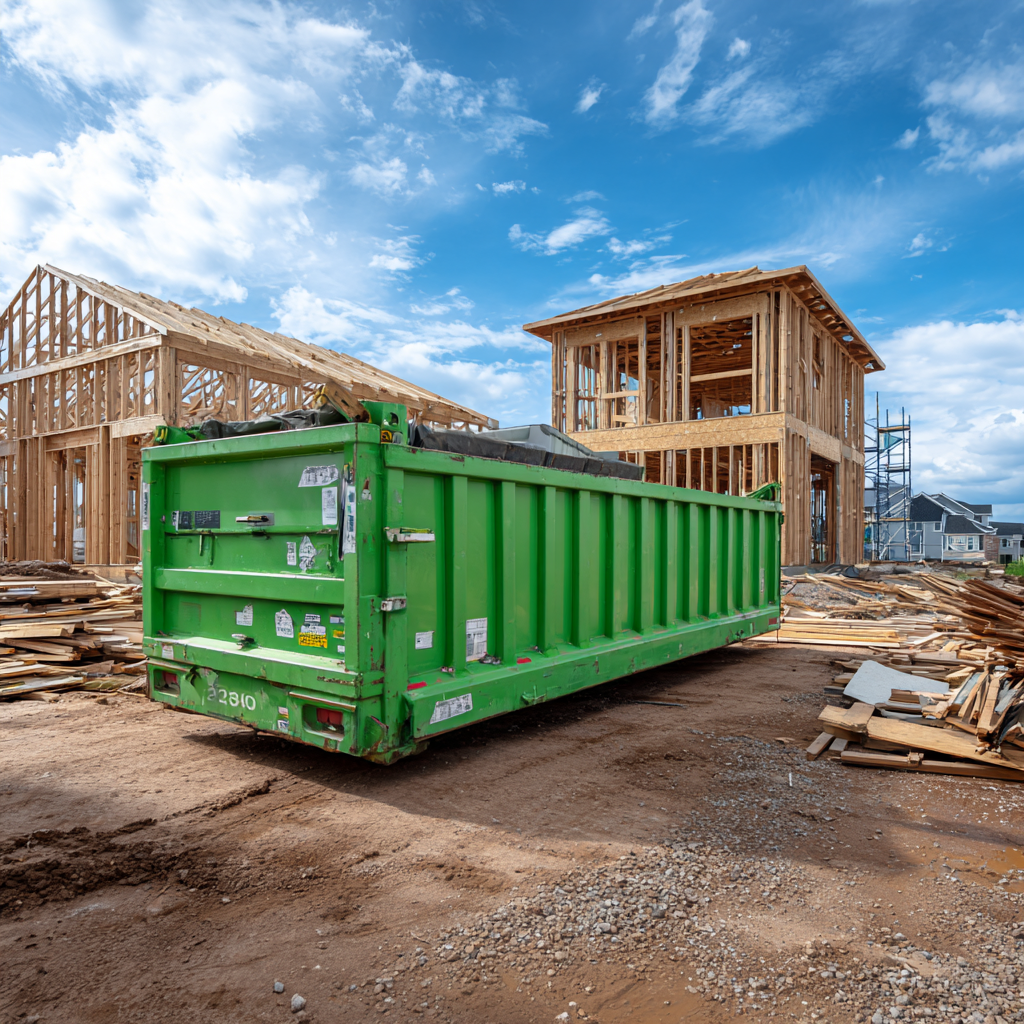
Dumpster Rental Options in Midwest City, OK
From major industrial sites to neighborhood festivals, our area generates diverse disposal demands. Let’s look at what’s driving the need for these services and who uses them most.
Local Market Overview and Demand
Tinker Air Force Base is a huge economic engine here. Its operations and related community growth create a constant need for high-capacity waste disposal.
Nearby manufacturing plants also rely on regular service to manage industrial scrap. They keep strict schedules to avoid production delays.
Industries Utilizing Dumpster Rentals
Big construction sites are obvious users, but they are not alone. Local businesses in the Oklahoma City metro use containers to stay clean and professional.
Even community events like the Juneteenth Midwest City Family Festival need temporary solutions for vendor trash and post-event cleanup.
Choosing the right size container is a critical part of the process. It affects your total costs and how smoothly your work flows.
| Primary User | Common Waste Materials | Frequent Container Sizes |
| Tinker AFB & Related Projects | Construction debris, general solid waste | 30-yard, 40-yard roll-off dumpster |
| Manufacturing Facilities | Industrial scrap, packaging materials | 20-yard, 30-yard dumpsters |
| Community Events & Businesses | Vendor waste, general cleanup items | 10-yard, 20-yard containers |
Understanding these local needs makes planning your waste disposal simpler.
Dumpster Types and Their Benefits for Construction, Home, and Event Projects
Choosing the right dumpster size for your Midwest City project starts with understanding what each size handles and how different project types benefit from dedicated waste management solutions.
| Size | Approximate Dimensions | Common Materials and Uses |
| 10-Yard Dumpster | 12′ × 8′ × 3.5′ | Concrete, brick, small residential cleanouts, minor renovation debris |
| 15-Yard Dumpster | 16′ × 7.5′ × 4–5′ | Kitchen and bathroom remodels, roofing jobs, garage cleanouts |
| 20-Yard Dumpster | 22′ × 7.5′ × 4.5′ | Whole-home cleanouts, mid-sized construction debris, event waste |
| 30-Yard Dumpster | 22′ × 8′ × 6′ | Large commercial renovations, industrial cleanouts, major demolition |
| 40-Yard Dumpster | 22–24′ × 8′ × 8′ | New construction, large-scale demolition, high-volume industrial projects |
Matching your container to your debris type and project scope from the start prevents the overage fees and mid-project swaps that slow down even the best-planned jobs.
Construction
Active construction sites in Midwest City benefit from a dedicated container positioned near the work zone, allowing crews to dispose of debris without interrupting workflow. A properly sized container keeps lumber, drywall, roofing materials, and demolition waste organized and off the ground where they create safety hazards. Phased projects benefit from swap-out schedules that match each phase of the build.
Home
Homeowners tackling cleanouts, renovations, or seasonal projects find that a rented container eliminates the need for multiple trips to the landfill and keeps their property clean throughout the job. A 10- or 15-yard container fits comfortably in most standard driveways and handles most household debris without taking up excessive space. Having a designated disposal spot also keeps debris away from landscaping and neighboring properties during longer projects.
Events
Community events like the Juneteenth Midwest City Family Festival generate waste in concentrated bursts that overwhelm standard trash receptacles quickly. A strategically placed roll-off container near food vendor areas and main gathering zones keeps the venue clean throughout the event and simplifies post-event cleanup significantly. Scheduling delivery the day before and pickup the morning after covers most single-day event needs without rushing the cleanup crew.
Military Bases
Projects connected to Tinker Air Force Base and other federally funded work in the Midwest City area require dumpster providers who hold active SAM.gov registration, GSA approval, and USFCR verification before any container can be contracted or delivered. Certified providers understand the documentation standards, scheduling protocols, and site access requirements that distinguish military installation work from standard commercial rentals.
Learn more in our guide, Dumpster Rental for Tinker Air Force Base and Government Projects.
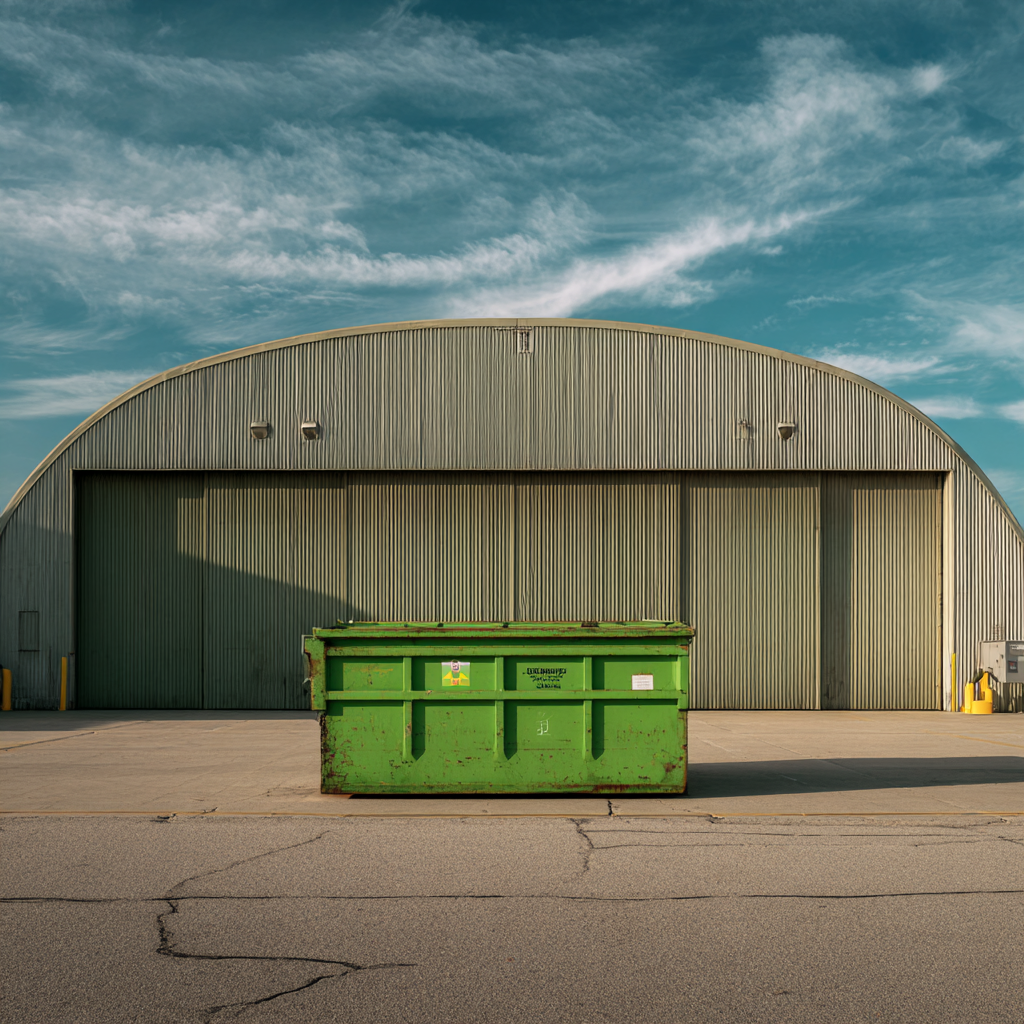
Practical Tips for Safe and Efficient Dumpster Use in Local Projects
Before you toss that first piece of junk, a little planning can prevent a lot of hassle later on. Following local rules and prepping your site makes the entire disposal process smooth.
We will guide you through the essentials. This keeps your project on track and avoids surprise fees.
Permitting and Local Regulations in Midwest City
Always check if you need a permit from Midwest City. This is especially true if your container will sit on a public street.
Your local city office can give you a quick answer. Getting this sorted early prevents delays or fines.
Ensuring Safety and Accessibility at Job Sites
Give the delivery truck room to work. Drivers need about 60 feet of clear, straight space to place the unit safely.
Also check for low wires or branches. You need at least 23 feet of vertical clearance overhead.
Keep the area around your container clear. This allows for a fast and easy pickup when you are done.
Do not pile debris higher than the container’s walls. An overloaded unit cannot be transported safely.
| Focus Area | Your Action | The Benefit |
| Site Preparation | Provide 60 ft. of straight-line access and 23 ft. of vertical clearance. | Ensures safe, damage-free delivery and pickup for your service. |
| Loading Your Waste | Keep materials level with the sides and use a tarp in rain. | Prevents overage fees, waterlogged junk, and safe transport. |
| Accepted Materials | Always verify which items are prohibited before you start. | Avoids extra costs and delays for your project’s final disposal. |
Sticking to these guidelines means your waste removal will be efficient. It also helps keep you fully compliant with all regulations.
Get Started With Your Midwest City Dumpster Rental
From government contracts and community event cleanups at Tinker Air Force Base to residential renovations and large-scale industrial projects, local dumpster rental in Midwest City, OK, covers a wider range of needs than most renters anticipate when they start planning. Matching the right container to your project, confirming placement and permit requirements, and working with a certified provider from the start are the steps that make the biggest difference in how smoothly the rental experience goes.
Contact our team at Prime Dumpster for a free quote on dumpster rentals in Midwest City and the surrounding Oklahoma County area, including container sizing recommendations, flexible rental periods, and certified service options for government and federal projects near Tinker Air Force Base.
If you are looking for Q&A with the Prime Dumpster Pros: Dumpster Rental FAQ for Belleville, IL, Click Here
Recent Posts


Follow Us
Have any questions?
+1 844 853 3867
Give us a call today so we can help you find the right waste & sanitation solution for
your project!
Contact Us