
Mon - Sat 7:00 am to 7:00 pm

How to Open a Dumpster Door: Opening, Closing, and Locking Roll-Off Doors
The first time you stand at the back of a roll-off dumpster, the door can look more complicated than it really is. Between the chain, the pin, and the latch or ratchet, it isn’t always clear what to release first or how to get the door shut again when you’re done.
Once you know the sequence, the door is one of the most useful parts of your rental. It lets you walk heavy items in, roll a wheelbarrow up a ramp, and stack debris more efficiently than tossing it over the side.
At Prime Dumpster, we put together this guide on how to open a dumpster door safely, with step-by-step instructions for each common lock type. It also covers closing and locking the door, fixing a stuck latch, and staying safe around the swing path.
Fast Facts: How Do Dumpster Doors Work?
Most roll-off dumpsters have a rear swing door secured by a safety pin, a chain, and either a handle-style latch or a ratchet lock. Release the pin and chain first, then open the latch and swing the door out.
| Lock Type | How It Works | How to Open | How to Close |
| Handle-Style (Latch Bar) | A lever-operated bar locks the door against the container frame | Remove the pin and chain, then lift the latch bar and swing the door out | Push the door shut until the latch catches, then replace the pin and chain |
| Ratchet-Style | A ratchet binder pulls a chain or hook tight to hold the door closed | Remove the pin and chain, flip the ratchet switch, and loosen until the hook releases | Reattach the hook, flip the switch, ratchet until snug, and replace the pin and chain |
| Commercial Lock Bar | A bar across the lids or doors of a front-load dumpster, often secured with a padlock | Unlock the padlock with the key or combination from the property manager or hauler | Lower the bar into place and relock the padlock |
Door hardware varies by container, so it’s worth taking a look at yours when it arrives. Your Prime Dumpster account manager can answer questions about the container on your site and help you choose the right size from the dumpster rental options. Sizing guides, weight calculators, and more are available on the Prime Dumpster dumpster rental resource hub.
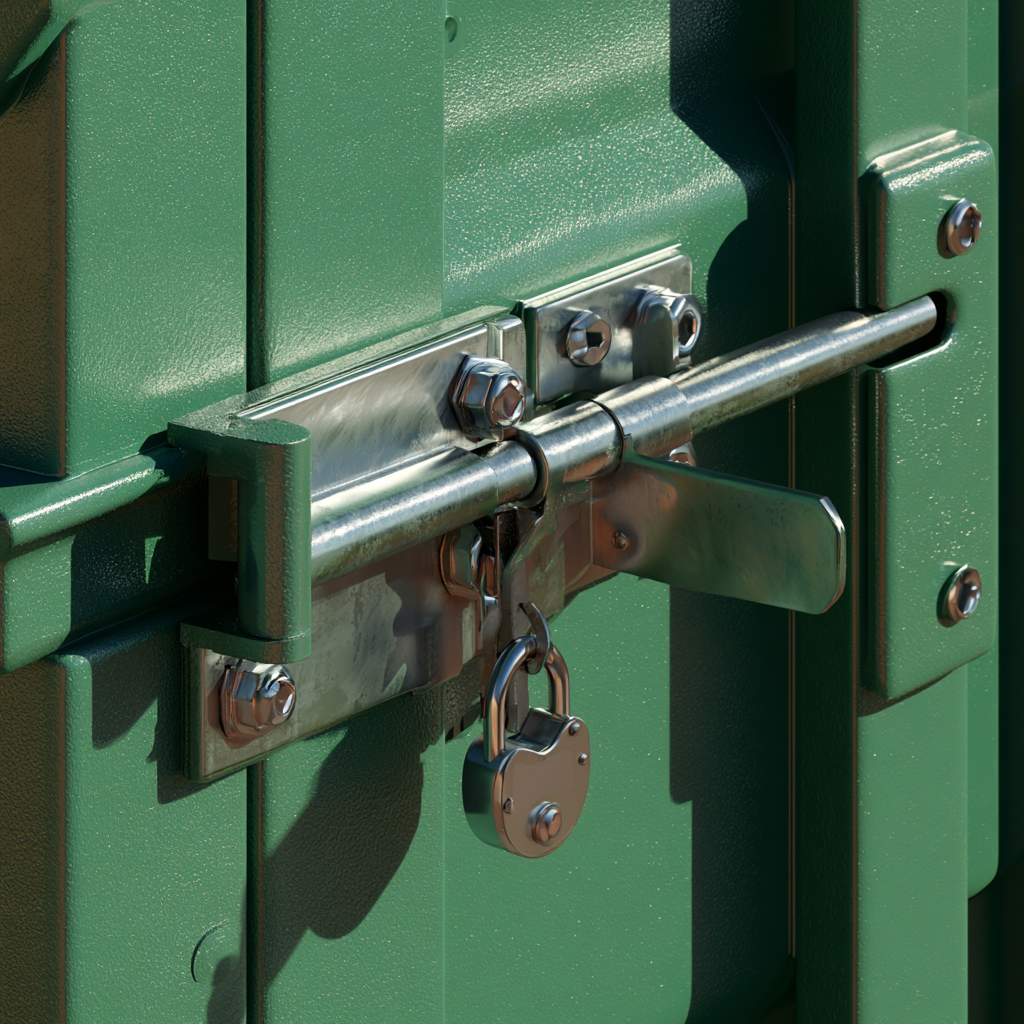
Which Dumpsters Have Doors?
Nearly every roll-off dumpster door is a hinged steel panel at the back end of the container. It swings out to the side so you can load at ground level instead of lifting debris over the walls.
Door size and design can vary by container and manufacturer. Some larger containers may use a two-panel door instead of a single panel. The table below shows approximate dimensions for each size.
| Dumpster Size | Approximate Dimensions | Door Notes |
| 10-Yard | 12′ × 8′ × 4.5′ | Short walls make loading over the side easy, but the door still helps with heavy debris |
| 15-Yard | 16′ × 8′ × 4.5′ | The door is handy for appliances, cabinets, and bulky furniture |
| 20-Yard | 22′ × 8′ × 4.5′ | Walking items in through the door helps build a flat, even base layer |
| 30-Yard | 22′ × 8′ × 6′ | Taller walls make the door the easiest way to load heavy items |
| 40-Yard | 22′ × 8′ × 7-8′ | Walls are too tall for most people to load over, so the door gets heavy use |
The door is roughly as wide as the container, so it needs clear space behind and to the side to swing fully open. Keep this in mind when choosing where the dumpster will sit. For more on how the rental process works from delivery to pickup, see this guide to roll-off dumpster rentals.
Most roll-off dumpsters have a rear swing door, and it needs clear space behind the container to open fully.
Parts of a Roll-Off Door
Knowing the parts makes the opening sequence much easier to follow. Most doors have some combination of these components:
- Hinges: Heavy-duty hinges along one side let the door swing out.
- Latch bar or handle: The dumpster door latch on handle-style doors, which locks the door against the frame.
- Safety pin: A pin or clip that keeps the latch from releasing accidentally.
- Safety chain: A chain that adds a second layer of security during transport and holds the door open while loading.
- Ratchet binder: On ratchet-style doors, a lever mechanism that tightens or loosens the chain or hook holding the door shut.
When you can identify each part, it’s easy to tell which lock type your container has and which steps to follow.
A roll-off door usually has hinges, a latch or ratchet, a safety pin, and a safety chain.
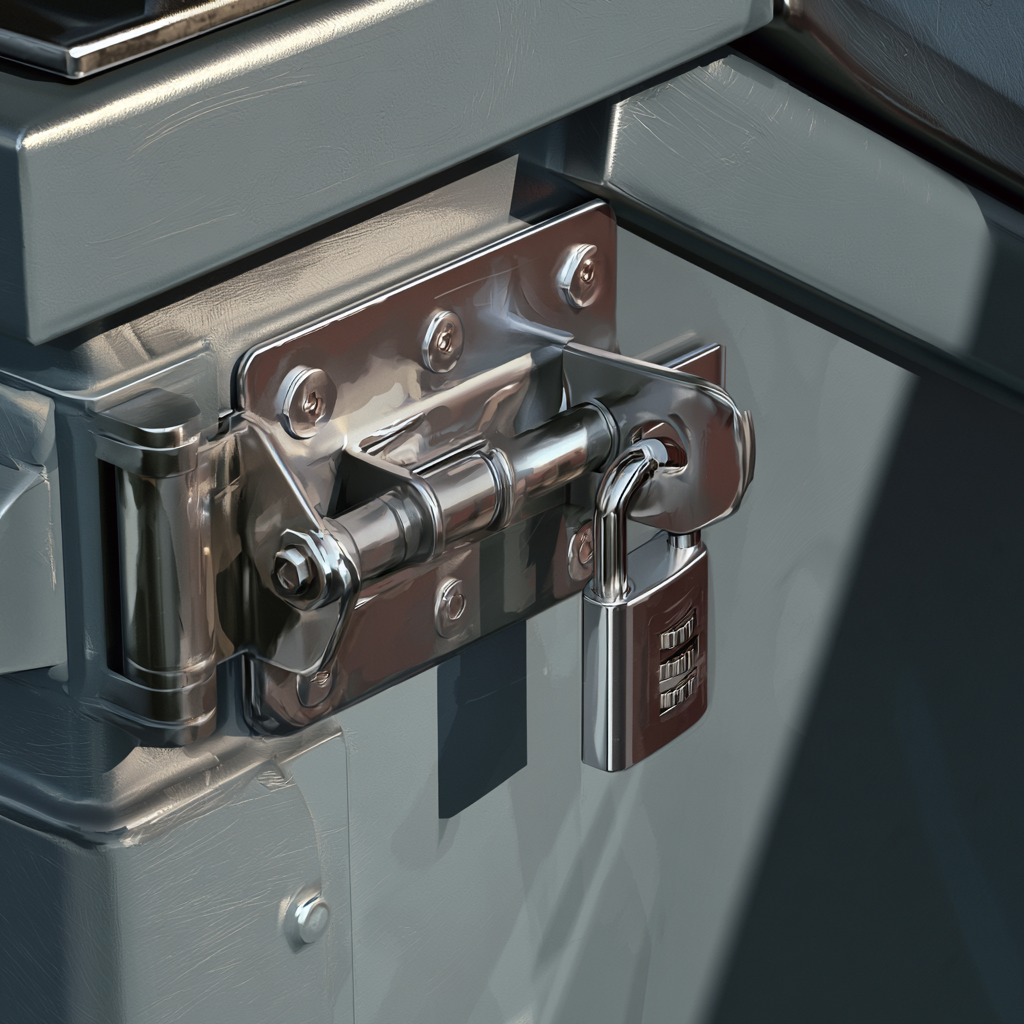
Types of Door Locks
Roll-off containers use two main locking systems. Commercial front-load dumpsters use a different setup.
Handle-Style (Latch Bar) Locks
Handle-style locks are the most common. A lever-operated bar holds the door tight against the container frame. Lifting the handle releases the bar, and pushing the door shut lets the latch catch again.
Ratchet-Style Locks
A ratchet dumpster door uses a binder mechanism, similar to a cargo strap ratchet, to pull the door tight. A small switch on the handle sets the direction. One setting tightens the chain or hook, and the other loosens it.
Commercial Dumpster Lock Bars
Front-load dumpsters at businesses and apartment complexes often have a steel bar across the lids or side doors. Many of these bars are secured with a padlock. Others use a gravity lock that releases automatically when the hauling truck lifts and tips the container.
“The ratchet style catches people off guard the first time,” says the Prime Dumpster Pro. “Once you find the little switch on the handle and flip it the right way, the whole thing loosens up in a few pumps.”
Roll-off doors use either a handle-style latch or a ratchet lock, while commercial dumpsters often use lock bars with padlocks.
Step-by-Step Opening Instructions
Learning how to open a dumpster door starts with figuring out which lock type you have. Before you begin, stand to the side of the door rather than directly in front of it.
Handle-Style Doors
A handle-style door has a long steel lever or bar on the edge opposite the hinges, which hooks into a catch on the container frame. You’ll usually see a safety pin through the latch and a chain running across the door. Here’s how to open it:
- Release the safety pin. Lift or remove the pin on the side of the latch. You may need to push the latch over and up to free it.
- Remove the safety chain. Unhook the chain from its slot and set it aside where it won’t be a tripping hazard.
- Lift the latch bar. Raise the handle to release the door. Hold the door or have a helper hold it so it doesn’t swing out suddenly.
- Swing the door open. Walk the door open with steady control until it rests against the side of the container.
- Secure the door. Chain the door to the side wall so it can’t swing back while you load.
Before operating handle-style doors, make sure they’re dry, clean, and free from debris.
Ratchet-Style Doors
A ratchet-style door has a hand lever, similar to a load binder on a flatbed truck, attached to a chain or hook that runs between the door and the frame. Follow these steps to open it:
- Remove the safety chain and pins. Clear any chain, pin, or clip holding the ratchet in place.
- Flip the ratchet switch. Find the small switch or release on the handle and set it to loosen.
- Loosen the ratchet. Work the handle up and down with both hands until the chain or hook goes slack.
- Unhook the ratchet. Release the hook or chain from the ratchet once it’s loose.
- Open and secure the door. Swing the door out to the side of the container and chain it in place.
Release the pin and chain first, open the latch or loosen the ratchet, and chain the open door to the side of the container.
Closing and Securing the Door
Knowing how to close a dumpster door matters just as much as opening it, because the container can’t be hauled until the door is fully secured. Start by making sure no debris is sitting in the door’s path or sticking out past the frame.
On a handle-style door, push the door shut until the latch catches, or lift the latch bar while a partner swings the door closed and then let the bar drop into place. On a ratchet door, hold the door closed, reattach the hook, flip the switch to tighten, and ratchet until the door is snug against the frame.
Replacing the pin and chain is the final step in how to lock a dumpster door. Closing the door at the end of each day also keeps debris from blowing out and animals from getting in.
“A door that looks closed isn’t always latched,” says the Prime Dumpster Pro. “Give it a firm tug after you close it. If it moves, the latch didn’t catch.”
Clear the door’s path, push it shut until it latches or ratchets tight, and replace the pin and chain.
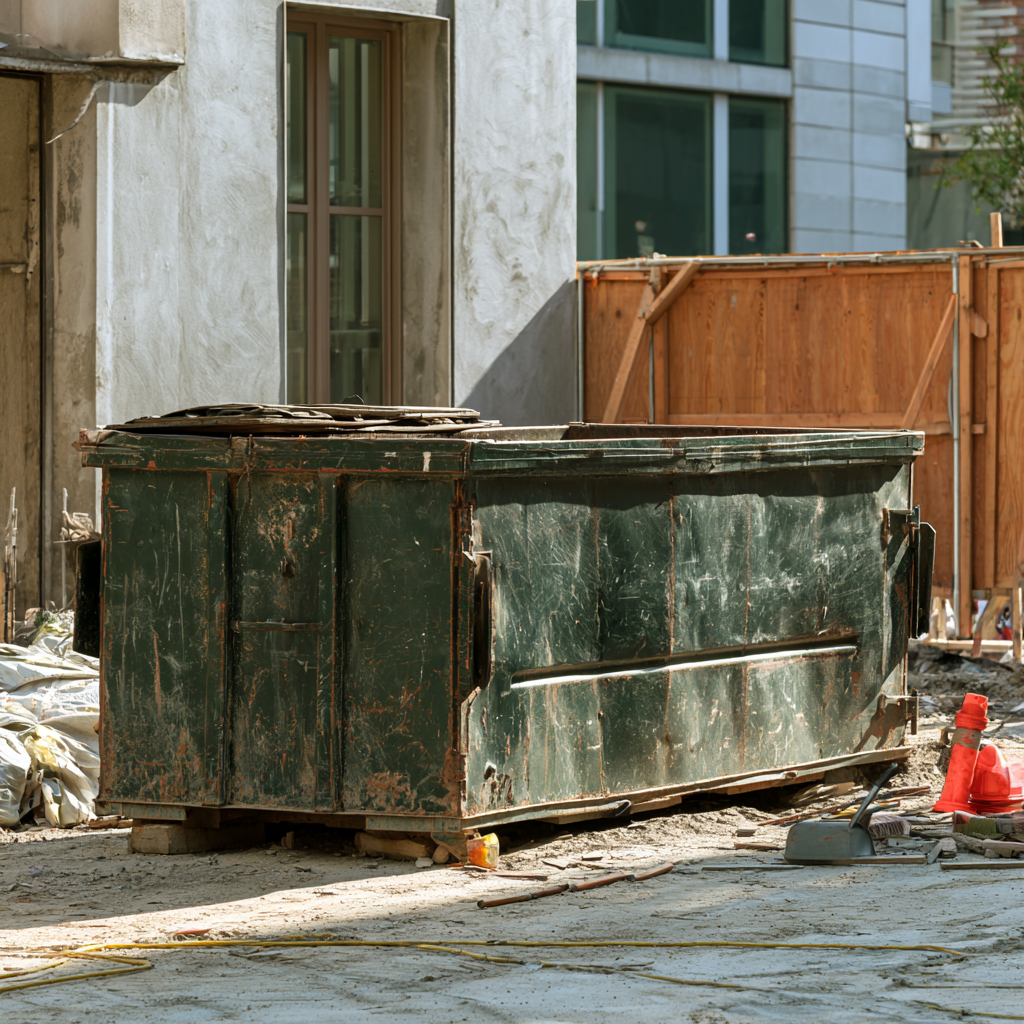
What to Do When the Door Won’t Open or Close
Doors can get stubborn, especially after a lot of use or bad weather. The table below covers the most common problems.
| Problem | Likely Cause | What to Do |
| Door won’t open after releasing the latch | Debris pressing against the inside of the door | Stand clear and open slowly, or remove debris from over the wall first |
| Ratchet won’t loosen | Switch set to the tighten position | Flip the switch to the opposite setting and try again |
| Latch won’t catch when closing | Debris in the door path or door not fully shut | Clear the frame and push the door firmly closed |
| Pin won’t go back in | Latch not fully seated | Reopen slightly, close the door firmly, and try again |
| Hardware looks bent or broken | Damage from impact or overloading | Stop and contact your rental provider |
Don’t force a stuck door with a pry bar or hammer, and don’t try to repair hardware on a rented container. Your provider can help sort out the problem or arrange a fix.
If a door won’t open or close, check for debris and the ratchet switch setting, and contact your provider about damaged hardware.
Door Safety Tips
A steel door swinging on heavy hinges deserves respect. These habits help keep everyone safe around the container.
- Stand to the side: Never stand directly in the door’s path when releasing the latch.
- Watch for pinch points: Keep fingers clear of hinges, latches, and the gap between the door and the frame.
- Mind the wind: Strong gusts can catch an unsecured door and slam it shut or swing it wide.
- Check the load first: Debris leaning against a closed door can push it open with force once the latch releases.
- Wear protective gear: OSHA’s construction PPE standard requires protective equipment wherever hazards are present, and OSHA’s hand protection standard calls for gloves when hands are exposed to cuts, punctures, or abrasions.
- Keep kids and pets away: Close and secure the door whenever you’re not actively loading.
Taking a few extra seconds at the door prevents most dumpster-related hand and foot injuries.
Stand to the side, keep fingers clear of pinch points, wear gloves and boots, and secure the door when you’re not loading.
Ask the Prime Dumpster Pros
We asked our Prime Dumpster Pros to help answer the most common questions we hear from clients.
Do Roll-Off Dumpsters Have a Door?
Yes, most roll-off dumpsters have a hinged door at the back end of the container. It swings out to the side so you can walk heavy or bulky items straight in.
How Does a Dumpster Lock Work?
Most roll-off doors use either a handle-style latch bar or a ratchet binder to hold the door against the frame. A safety pin and chain add backup security so the door can’t open during transport.
How Do You Lock a Dumpster Door?
Close the door until the latch catches or the ratchet is tight. Then reinsert the safety pin and reattach the chain. Commercial dumpsters with lock bars are usually secured with a padlock.
How Do You Unlock a Dumpster Bar?
Most commercial lock bars open with a key or combination held by the property manager or waste hauler. Gravity lock bars release automatically when the collection truck tips the container, so they don’t need a key.
Can You Open the Door Once the Dumpster Is Full?
No, as it’s usually very dangerous. Debris can press against the door and push it open with force once the latch releases. If you need to reach something inside, remove material from over the top first.
Master Your Dumpster Door
Knowing how to open a dumpster door, and how to close and secure it again, makes loading faster and keeps your crew or family safe. A few simple steps are all it takes to use the door with confidence.
At Prime Dumpster, we’re ready to help you choose the right container and answer any questions about using it on site. Contact our team to get started.
If you are looking for Guide to Demolition Dumpsters, Click Here
Recent Posts


Follow Us
Have any questions?
+1 844 853 3867
Give us a call today so we can help you find the right waste & sanitation solution for
your project!
Contact Us