
Mon - Sat 7:00 am to 7:00 pm

Plain Concrete vs Reinforced Concrete Dumpster Disposal: Understanding the Weight Difference
Reinforced concrete weighs 5 to 10 pounds more per cubic foot than plain concrete due to embedded steel rebar and mesh, yet most contractors estimate disposal loads without accounting for this difference.
When you know the reinforced concrete dumpster disposal requirements, you’ll have an easier time finding the right dumpster for your needs.
Prime Dumpster has developed a comprehensive guide to reinforced concrete dumpster disposal that helps construction professionals calculate accurate disposal loads based on reinforcement density and steel content.
Fast Facts: Reinforced Concrete Dumpster Disposal
“The difference between plain and reinforced concrete affects every aspect of your disposal planning, from weight estimates to container selection,” says a Prime Dumpster Pro.
“Steel reinforcement adds 5 to 10 pounds per cubic foot, which means underestimating this weight difference leads directly to overage fees that can double your disposal costs.”
What is reinforced concrete?
Reinforced concrete is standard concrete embedded with steel rebar or wire mesh throughout its structure. Construction professionals use it for structural elements like foundations, support beams, and parking structures that must withstand bending and tension forces.
How is reinforced concrete different from plain concrete?
Plain concrete weighs approximately 145 to 150 pounds per cubic foot and works well for non-structural applications like sidewalks and patios. Reinforced concrete weighs 150 to 155+ pounds per cubic foot due to embedded steel, making it significantly heavier and more difficult to break apart during demolition.
What dumpster is best for concrete disposal?
A 10-yard dumpster is the best choice for concrete disposal because it prevents overloading beyond the standard 10-ton weight limit. Larger containers offer more volume but share the same 20,000-pound weight restriction, meaning you’ll hit weight limits long before filling the available space with dense concrete materials.
What is a dumpster weight calculator for concrete?
A dumpster weight calculator for concrete converts your project dimensions and concrete type into accurate weight estimates measured in pounds or tons. The tool helps you determine whether your debris stays within the 10-ton weight limit and prevents costly overage fees from underestimated disposal loads.
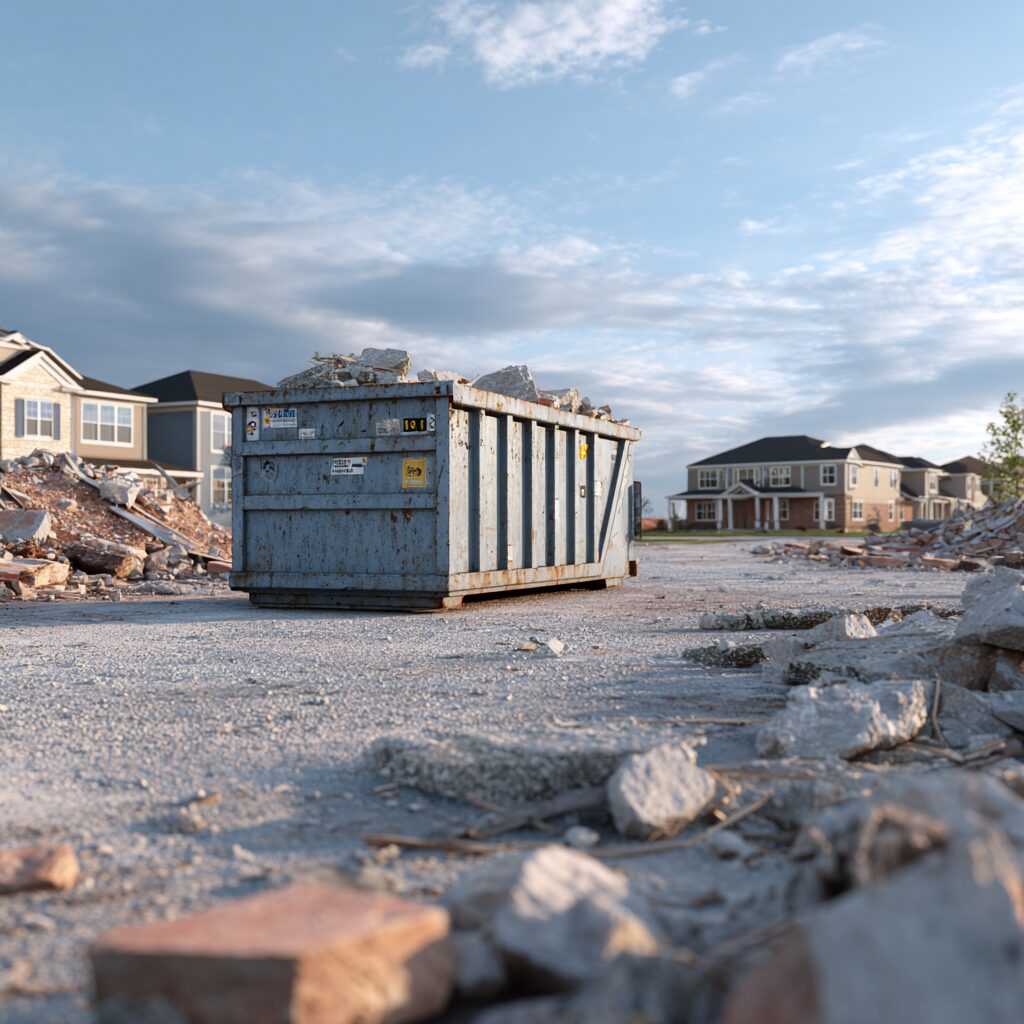
Concrete Types in Construction Projects
Knowing the difference between basic and reinforced materials affects everything from demolition strategy to waste management.
Defining Plain Concrete
Plain concrete is your basic building block. It mixes cement, water, and aggregates like sand and gravel. This slurry hardens through hydration into a solid mass.
You’ll find this material in non-structural applications. Think sidewalks, patios, and driveways. It handles compression well but cracks under tension.
These materials work perfectly where they don’t bear heavy loads. They’re simpler to break apart during demolition, too.
Introducing Reinforced Concrete
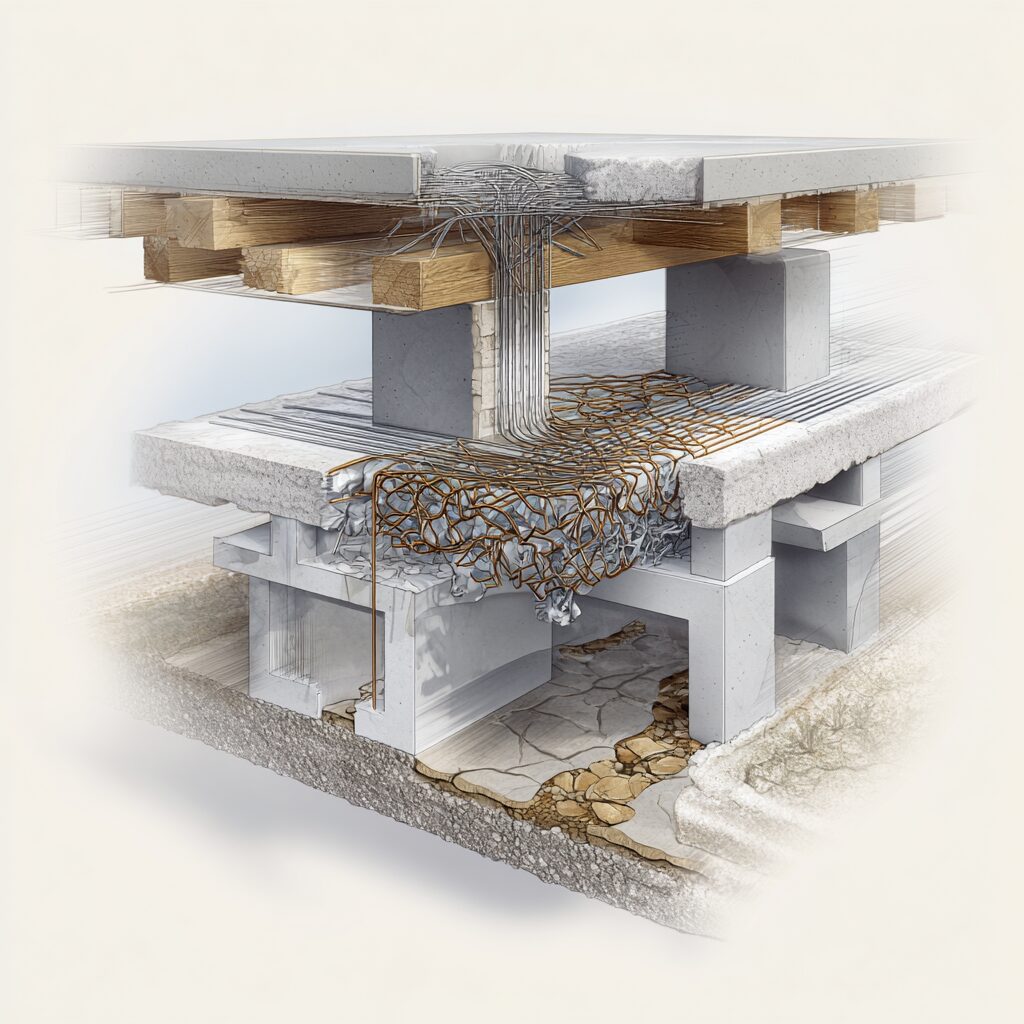
Reinforced concrete takes the basic mixture and adds steel reinforcement. Rebar or wire mesh gets embedded throughout the structure. This changes everything about how it performs.
Construction professionals choose this for structural elements. Foundations, support beams, and parking structures all use reinforced versions. The steel lets it handle bending forces that would crack plain materials.
Recognizing which type you’re dealing with helps plan labor and equipment needs accurately. It’s the smart first step in any demolition project.
Understanding Weight Differences in Concrete Materials
The weight of your demolition materials isn’t just a number—it’s the difference between budget success and surprise fees. We see projects where teams underestimate how heavy their debris really is.
General Weight Considerations
Basic construction material weighs around 145-150 pounds per cubic foot. That makes it one of the heaviest substances you’ll handle on site.
When filling containers, those pounds add up quickly. A single cubic yard can reach well over two tons. Understanding this helps estimate how many loads your project will generate.
| Material Type | Weight per Cubic Foot | Weight per Cubic Yard | Key Characteristics |
| Plain Construction Material | 145-150 lbs | Approx. 2 tons | Easier to break apart |
| Reinforced Material | 150-155+ lbs | Over 2 tons | Contains steel elements |
| Comparison Impact | 5-10 lb difference | Significant ton variance | Affects container limits |
Impact of Reinforcements on Density
Adding steel bars and mesh increases density substantially. Your crew will notice the difference immediately when loading materials.
Heavier debris means reaching weight limits faster. Careful planning prevents overage fees that can blow your budget. Accurate calculations help schedule appropriate container deliveries.
Reinforced Concrete Dumpster Disposal: Considerations
Structural demolition brings unique challenges that go beyond simple volume calculations for waste management. We see projects where teams underestimate how steel reinforcement transforms basic cleanup into a complex operation.
That embedded metal creates a domino effect on your entire removal process. It affects everything from equipment selection to timeline planning.
Structural Characteristics Affecting Weight
The steel inside your demolition materials creates uneven density throughout the pile. You can’t judge disposal needs by sight alone—two piles of identical size can have dramatically different weights.
Long rebar pieces often protrude at awkward angles. This makes efficient packing difficult and creates safety concerns during loading operations.
Processing facilities typically charge higher rates for materials containing metal. Separation requires extra equipment and labor before recycling can occur.
Plan for additional time when dealing with structural debris. Cutting through reinforcement bars adds significant effort to the demolition phase before removal even begins.
Understanding these weight factors helps avoid budget surprises. Proper planning ensures your project stays on track from demolition to final disposal.
Selecting the Right Dumpster for Heavy Concrete Debris
Ever watched a crew fill a container too quickly because they picked the wrong size? We’ve seen it happen. The right container choice makes all the difference when you’re dealing with weighty materials.
Construction professionals know that volume isn’t the only factor. Weight restrictions matter just as much for your dumpster rental.
Why the 10 Yard Option Works Best
A 10 yard container is the smart choice for heavy materials. Its smaller footprint naturally prevents overloading beyond the standard 10 ton weight limit.
Here’s what makes the 10 yard size stand out:
- Compact design fits easily on driveways and tight sites
- Perfect balance between capacity and weight management
- Prevents paying for empty space you can’t use
You’ll hit weight limits long before filling larger containers with dense materials. The 10 yard size matches capacity to realistic weight constraints.
Choosing correctly from the start avoids overage fees and keeps your project running smoothly. It’s one less thing to worry about when the debris starts flying.
Dumpster Disposal Tips for Plain and Reinforced Concrete
Loading strategies separate the pros from the amateurs when it comes to construction site cleanup. We’ve seen crews save thousands by using smart techniques for different material types.
Your approach should match what you’re breaking down. Basic material behaves differently than steel-reinforced structures during removal.
Effective Strategies for Plain Concrete Waste
Basic material breaks apart more easily. Break large slabs into uniform chunks before loading. This creates tighter packing with fewer air gaps.
Stack flat pieces vertically against container walls. This simple trick maximizes space better than horizontal placement. Your crew can fit more material in each load.
Proper demolition creates manageable pieces that pack efficiently. This approach makes debris removal safer and more cost-effective.
Best Practices for Reinforced Concrete Removal
Steel reinforcement requires different handling. Cut rebar and mesh close to the material surface. This creates flatter pieces that stack better.
Trim long protruding bars before loading. Bolt cutters or angle grinders make quick work of this task. It prevents awkward loading and improves safety.
Separate heavily reinforced pieces when possible. Some recycling facilities charge different rates based on steel content. Strategic sorting can reduce costs.
| Material Type | Loading Strategy | Tool Requirements | Space Efficiency |
| Plain Material | Break into uniform chunks, vertical stacking | Basic demolition tools | High – packs tightly |
| Reinforced Material | Cut rebar flush, trim protrusions | Cutting tools needed | Medium – requires careful placement |
| Mixed Debris | Heavy pieces first, fill gaps with smaller fragments | Combination of tools | Variable – depends on sorting |
Plan your construction debris strategy before demolition begins. Knowing your material type helps you bring the right equipment. It ensures efficient concrete removal from start to finish.
Assessing Dumpster Capacity and Weight Limits
Planning your debris removal starts with understanding one critical number: the weight limit. We see projects get derailed when teams focus only on volume without considering those heavy pounds.
Every container comes with a maximum weight restriction you cannot exceed. Going over this limit brings substantial overage fees that can double your costs.
Understanding Load Constraints
The standard weight limit for a 10-yard dumpster is up to two tons, or about 4,000 pounds.
You need to estimate debris weight before selecting your rental. Heavy materials reach weight limits long before filling the space.
Using a weight calculator before your project helps determine how much material fits within your container’s capacity. This prevents mid-project surprises.
Environmental and Operational Benefits of Proper Disposal
The final destination of your construction materials can tell a story about your company’s values and operational efficiency. We see forward-thinking contractors turning waste management into a strategic advantage.
Smart material handling goes beyond simple cleanup. It creates opportunities for cost savings and environmental stewardship.
On-Site Best Practices for Concrete Debris Management
Efficient site operations hinge on one often-overlooked detail: where you position your debris collection container. Smart placement saves time and keeps your crew focused on productive work rather than waste handling.
Efficient Site Logistics
Strategic container placement makes all the difference. Position your bin close to the work area but with enough clearance for equipment and pickup access.
Coordinate delivery timing with your demolition schedule. Arriving too early wastes rental days, while late delivery creates hazardous debris piles.
| Placement Strategy | Time Savings | Safety Impact | Project Efficiency |
| Central location near work zone | Reduces material transport by 40% | Minimizes crew movement hazards | Keeps workflow continuous |
| Designated debris management area | Cuts handling time in half | Contains potential hazards | Improves site organization |
| Accessible for pickup trucks | Ensures quick removal | Prevents site congestion | Maintains project timeline |
Safety and Handling Procedures
Never allow workers to climb into containers to rearrange materials. The unstable debris creates serious fall and crushing hazards.
Implement proper lifting techniques and require protective gear. Schedule prompt pickup when containers reach capacity to avoid site obstacles.
These practices keep your construction project moving safely while managing waste effectively.
Accurate Planning Prevents Costly Concrete Disposal Mistakes
Understanding reinforced concrete dumpster disposal differences prevents budget-destroying weight miscalculations. Embedded steel increases density by 5 to 10 pounds per cubic foot, requiring 10-yard containers that match weight capacity to material density without triggering overage fees.
Contact our team to help you find the best dumpster rental options for your concrete removal project, including expert guidance on sizing containers based on reinforcement content and structural characteristics.
If you are looking for How to Prepare Carpet for Dumpster Disposal to Maximize Weight Capacity, Click Here
Recent Posts


Follow Us
Have any questions?
+1 844 853 3867
Give us a call today so we can help you find the right waste & sanitation solution for
your project!
Contact Us