
Mon - Sat 7:00 am to 7:00 pm
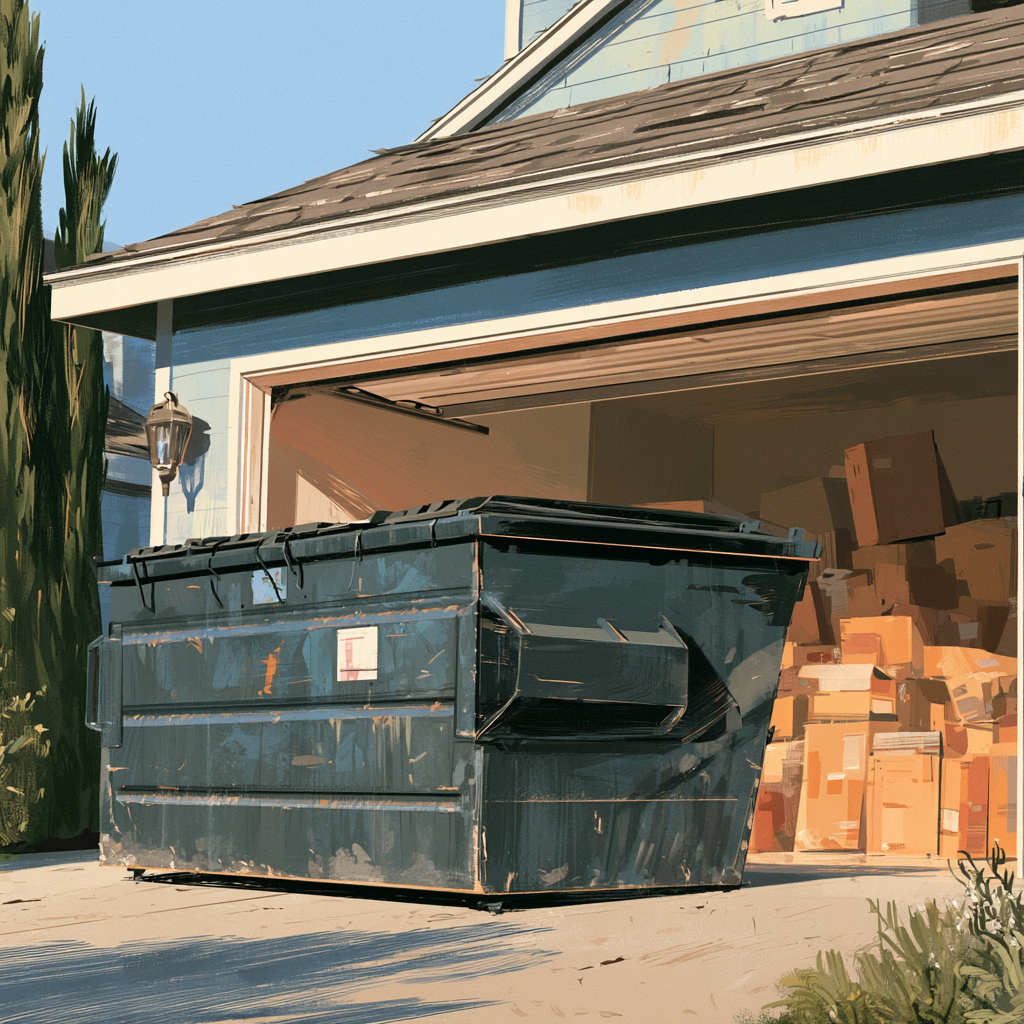
Dumpster Rental for Moving: How to Declutter Before the Big Day
Moving is one of the best opportunities to take stock of what you own and let go of what you no longer need. The problem is that without a plan for disposal, unwanted items tend to pile up inside the home and slow the entire packing process down.
At Prime Dumpster, we help homeowners and businesses manage waste during moves of all sizes. Renting a dumpster for moving gives you a dedicated, on-site place to discard items as you sort through them — keeping your space clear and your timeline on track. This guide covers everything you need to know, from choosing the right container size to getting the most out of your rental period.
Fast Facts: Renting a Dumpster for Your Move
We asked the Prime Dumpster Pros for their answers to the most common questions we hear about moving dumpster rentals.
What is a moving dumpster?
A moving dumpster is a roll-off container rented and placed at your property during the moving process, giving you a central location to dispose of items you are not taking with you. It is typically used during the decluttering and packing phase, before moving day, so that unwanted furniture, household goods, and other debris are cleared out before the truck arrives. Rental periods are flexible and can be scheduled around your moving timeline.
Do I need a dumpster when moving?
Not every move requires a dumpster, but most benefit from one. If you are clearing out a full home, downsizing significantly, or have accumulated furniture, appliances, or other bulky items you do not plan to keep, a dumpster is almost always more efficient and cost-effective than scheduling a junk removal service or making multiple landfill trips.
What size dumpster do I need for a move?
For most residential moves, a 10 or 15-yard dumpster is sufficient for decluttering a single-family home. Larger homes, estate cleanouts combined with a move, or commercial relocations typically require a 20 or 30-yard container. The right size depends on how much you are discarding and what types of items are going in the bin.
What cannot go in a moving dumpster?
Most household items are accepted, including furniture, appliances, clothing, mattresses, and general debris. Items that cannot go in a dumpster typically include hazardous materials, electronics, batteries, tires, and appliances containing refrigerants. Confirm accepted materials with your provider before loading to avoid fees at pickup.
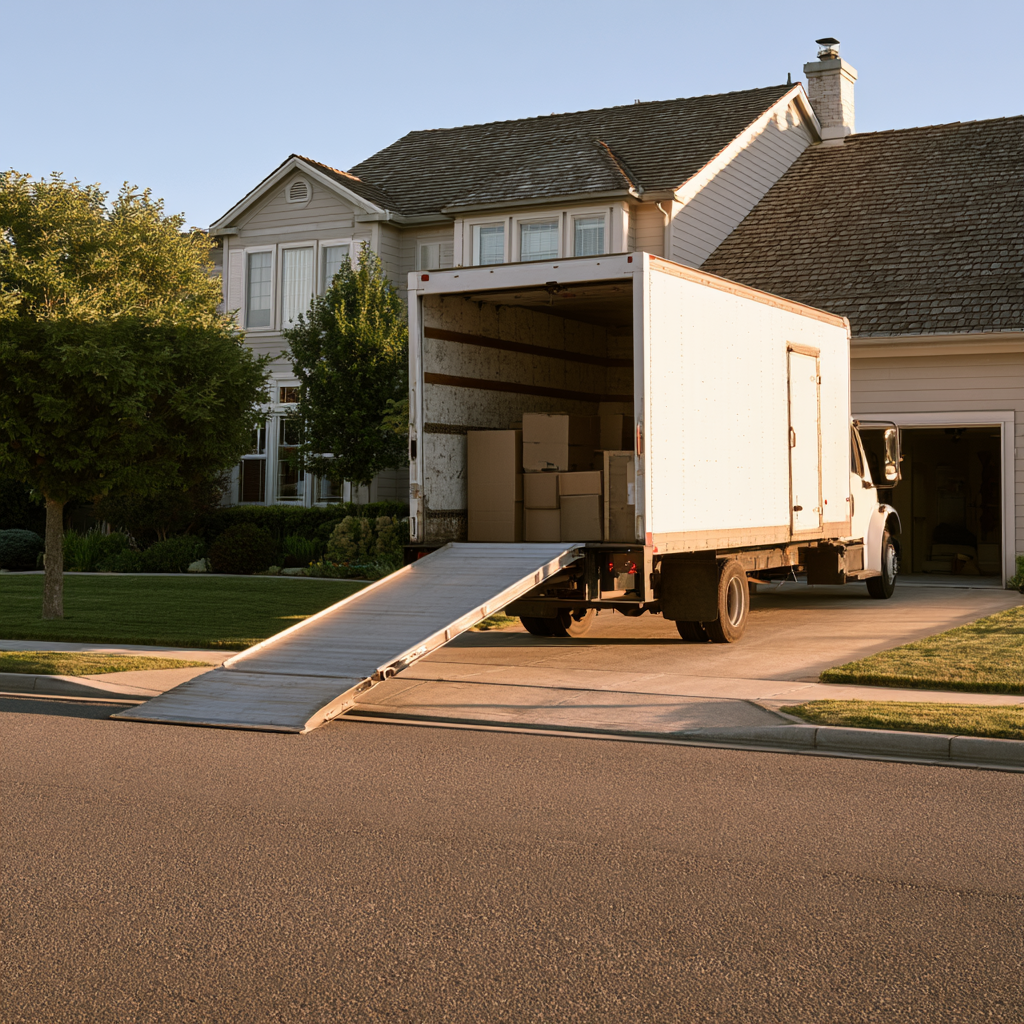
Why You Should Rent a Dumpster for Moving Day
Renting a dumpster for moving gives you one clear advantage over other disposal methods: everything has a place to go the moment you decide you no longer need it. Instead of setting items aside for a future donation run or a curbside pickup day, you can toss them directly into the dumpster and keep working.
This approach simplifies decluttering for moving in a way few other methods can match. As you pack each room, unwanted items go straight into the bin rather than piling up in a garage or hallway. The result is a cleaner, safer home throughout the moving process, with fewer trip hazards and less visual clutter to manage.
Cost-Effective
A moving dumpster rental also tends to save money compared to hiring a separate junk removal service. Junk removal companies typically charge based on volume and require scheduled pickups, while a dumpster rental gives you a flat rate and the freedom to load on your own timeline. For larger moves or full-home cleanouts, that flexibility often translates into real savings.
Finally, a dumpster for moving supports more responsible disposal. Reputable rental providers separate recyclable materials where possible and follow proper procedures for items that require special handling, reducing the environmental impact of your move.
Learn more in our guide When Is It Time to Rent a Dumpster?
How to Choose the Right Size Moving Dumpster
Selecting the right dumpster size for your move comes down to two main factors: how much you are getting rid of and what type of items you are discarding. A container that is too small means paying for a second haul. One that is too large means paying for space you never use.
| Dumpster Size | Approximate Dimensions | Approximate Weight Capacity | Best For |
| 10-Yard Dumpster | 12′ x 8′ x 4.5′ | Up to 2 tons | Studio or one-bedroom moves, light decluttering |
| 15-Yard Dumpster | 16′ x 8′ x 4.5′ | Up to 3 tons | Small to mid-size home moves |
| 20-Yard Dumpster | 22′ x 8′ x 4.5′ | Up to 3 tons | Larger homes, multi-room decluttering |
| 30-Yard Dumpster | 22′ x 8′ x 6′ | Up to 4 tons | Estate-scale moves, full-house cleanouts combined with relocation |
Dimensions and weight capacity are approximate and may vary based on local availability and provider.
Beyond square footage, think about the types of items you are removing. Bulky furniture and appliances take up more visual space but may not weigh as much as you expect. Dense materials such as books, tile, or old electronics add weight quickly and can push a smaller container past its limit before it looks full. If your move involves clearing out a garage, basement or storage unit in addition to living spaces, size up rather than risk running short.
How to Rent a Dumpster for Your Move
The rental process for a moving dumpster is straightforward, and a little preparation upfront makes the entire experience smoother.
Start by estimating your dumpster size based on the scope of your move. Once you have a general idea, contact a rental provider and share your address, moving timeline and the types of materials you expect to discard. This information allows the provider to give you an accurate quote and confirm availability.
Review the rental terms before booking, including the standard rental period, weight limits and any restrictions on prohibited items. Most providers offer a five to 10 day rental window, with the option to extend for a daily fee if your move takes longer than planned.
Once your order is placed, delivery typically occurs within a few days, and same-day or next-day delivery may be available depending on local availability. When the dumpster arrives, confirm it is placed on a stable, accessible surface and, if needed, ask about protective boards to prevent damage to a driveway.
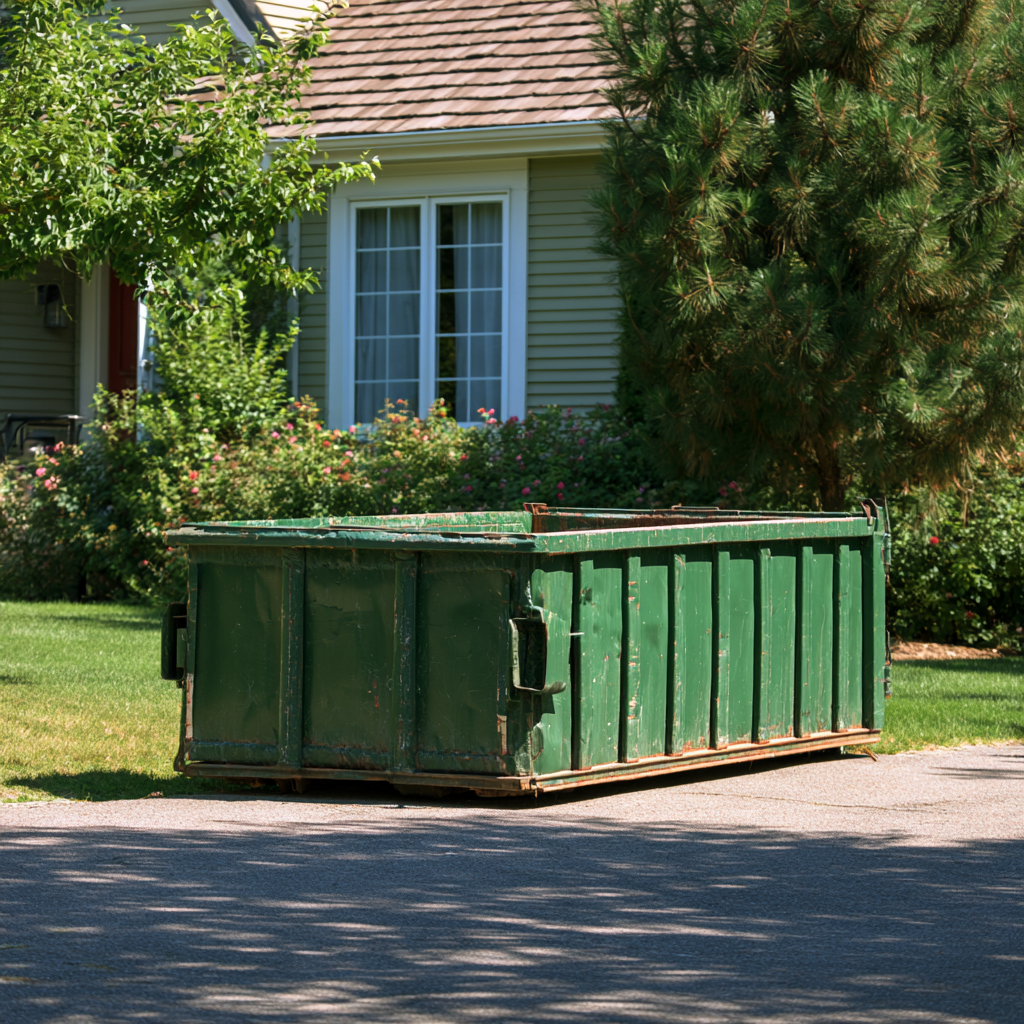
Cost of Renting a Dumpster for Moving
Dumpster rental costs for moving typically range from $399 to $499 for a 10-yard container and $499 to $649 for a 20-yard container. Larger sizes cost more but may be worth the investment if your move involves a full-home cleanout.
Several factors influence your final price:
- Location: Disposal fees, landfill costs and delivery distance vary by region, so pricing differs from one market to another.
- Rental duration: Standard rentals cover five to 10 days. Extending your rental adds a daily fee, so planning your timeline in advance helps avoid surprise charges.
- Debris weight: Each rental includes a weight allowance. Heavy items like old furniture with metal frames or stacks of books can push you toward an overage fee if you are not careful.
- Prohibited materials: Certain items, including electronics, appliances with refrigerants and hazardous materials, require special handling and are not included in a standard rental.
- Permit requirements: If the dumpster needs to be placed on a public street rather than a driveway, your municipality may require a permit, which adds to the overall cost.
Getting a quote based on your specific move and location is the most reliable way to understand your total cost before delivery day.
Tips for Loading Your Dumpster Efficiently
A few smart habits make a real difference in how much you can fit and how smoothly your rental period goes.
Place heavier items at the bottom of the dumpster first. Old furniture, appliances and dense materials create a stable base and prevent the load from shifting as you add more.
Break down bulky items wherever possible. Disassembling bed frames, shelving units and boxed furniture frees up significant space and helps you avoid renting a second container.
Fill gaps with smaller, lighter items as you go. Loading strategically, rather than tossing items in at random, maximizes the usable space inside the dumpster.
Stay within the weight limit and avoid overfilling past the fill line. Both can result in additional charges, so check your rental agreement if you are unsure how much room you have left.
Moving Made Easier With the Right Dumpster
A dumpster rental for moving takes one of the most stressful parts of relocating, deciding what to keep and clearing out the rest, and makes it dramatically simpler. With a dedicated space for unwanted items, you can focus on packing, organizing and preparing for moving day without clutter slowing you down.
Prime Dumpster offers reliable, transparent dumpster rentals for moves of every size, with flexible scheduling and upfront pricing built around your timeline. Contact our team to find the right dumpster for your move and get started with a smoother, more organized relocation.
If you are looking for 10 Winter Dumpster Rental Tips, Click Here
Recent Posts


Follow Us
Have any questions?
+1 844 853 3867
Give us a call today so we can help you find the right waste & sanitation solution for
your project!
Contact Us