
Mon - Sat 7:00 am to 7:00 pm

How to Save Money on Waste Management as a Contractor
On most jobs, contractors don’t think much about waste management costs until the invoices arrive. But, issues like an extra haul here, an overweight load there, and a container that sat half-empty for a week can all quietly eat into a project’s margin.
The good news is that most of those costs are controllable. Smart planning, the right container setup, and a few on-site habits can cut debris-removal costs without slowing the work down.
At Prime Dumpster, we put together this guide on how to save money on waste management as a contractor. It covers planning, container selection, rental agreements, getting better terms, reducing waste at the source, and recycling, with practical steps you can use on your next job.
Fast Facts: Construction Waste Management Costs
Contractors save the most on waste by planning ahead, choosing the right container size, understanding rental terms, reducing waste at the source, and separating materials for recycling and reuse.
| Strategy | How It Saves Money | Where to Start |
| Waste planning | Prevents surprise hauls and idle containers | Estimate debris by project phase before work begins |
| Right-sized containers | Reduces extra swaps and unused space | Match container size and weight capacity to your debris |
| Clear rental terms | Helps avoid unexpected charges | Review weight limits, rental period, and restricted materials |
| Waste reduction | Less debris means fewer containers | Order materials accurately and track inventory |
| Sorting and recycling | Clean loads are often simpler to process | Set up marked areas for wood, metal, and concrete |
| Phase-based scheduling | Keeps containers working when debris peaks | Time deliveries and swaps around your heaviest phases |
Every jobsite is different, so it helps to talk through your project with your Prime Dumpster account manager before delivery. They can help match containers and scheduling to your debris and timeline.
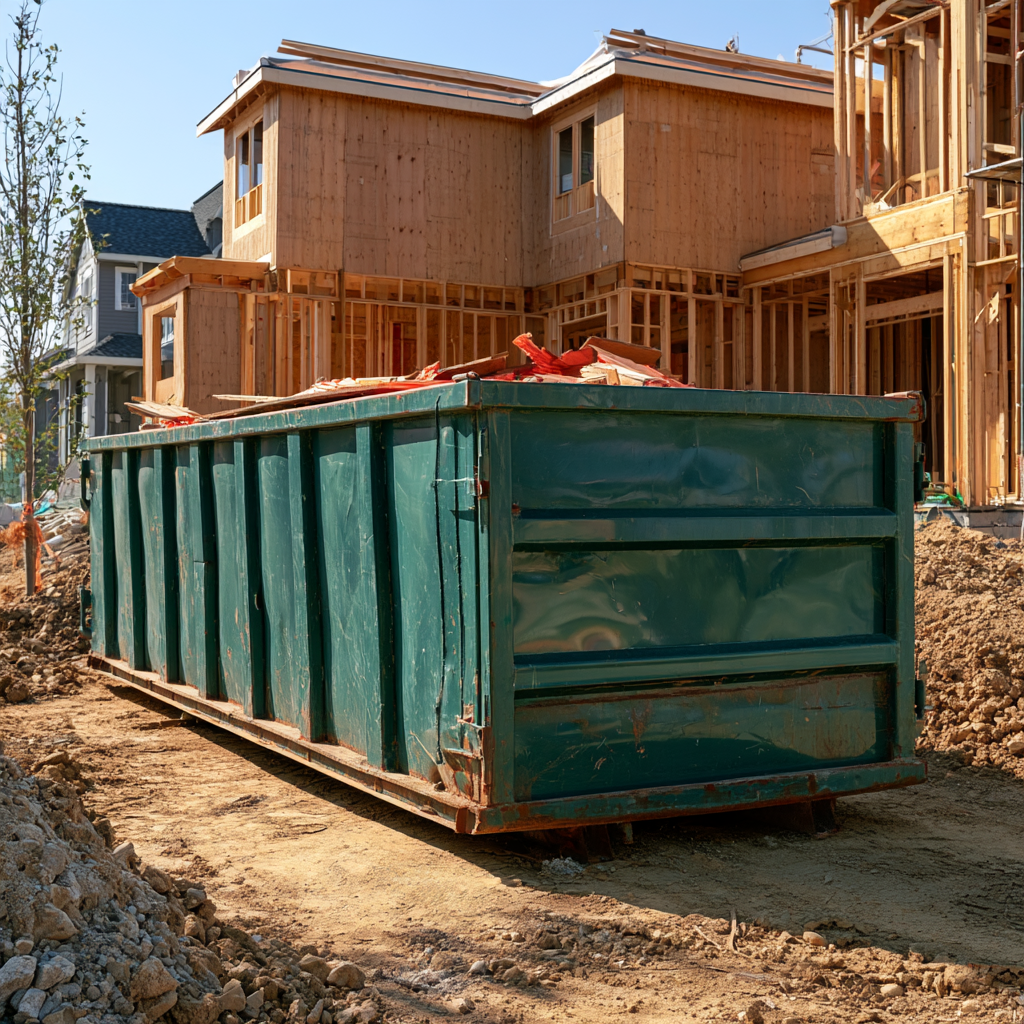
Start With a Waste Plan for Every Site
A site waste management plan gives your crew a clear framework for handling debris from day one. The EPA’s best management practices for construction site waste recommend planning for waste storage, disposal, and recycling before work begins.
A good plan doesn’t need to be complicated. It should cover:
- Responsibilities: Assign someone to oversee containers, sorting, and swap requests.
- Expected debris: Estimate what each phase will produce, including heavy materials like concrete and tile.
- Reuse and recycling: Identify materials that can be salvaged or separated.
- Container setup: Plan sizes, placement, and how many containers each phase may need.
- Material ordering: Order accurately to limit off-cuts and leftover stock.
Even a one-page plan helps crews stay consistent and makes it easier to spot where money is being lost. For a broader look at construction waste management, including regulations and hazardous materials, see the contractor’s guide to waste management.
A simple site waste plan assigns responsibilities, estimates debris by phase, and identifies materials to reuse or recycle.
Choose the Right Dumpster Size and Setup
Container size affects both your rental cost and how often you’ll need swaps. A container that’s too small leads to extra hauls, while one that’s too large means paying for space you won’t fill. Getting your contractor dumpster rental right starts with knowing what each size can handle.
| Dumpster Size | Approximate Weight Capacity | Common Contractor Uses |
| 10-yard dumpster | Up to 2 tons | Concrete, brick, tile, and other heavy debris |
| 15-yard dumpster | Up to 3 tons | Kitchen and bath remodels, flooring removal |
| 20-yard dumpster | Up to 3 tons | Roofing, multi-room remodels, deck removal |
| 30-yard dumpster | Up to 4 tons | New construction and large renovations |
| 40-yard dumpster | Up to 5 tons | Bulky, lighter debris on large sites |
Weight capacity may vary by location, so confirm the limit for each container. Heavy materials like concrete typically go in 10-yard dumpsters, where a smaller volume keeps the load within safe hauling weight.
On phased projects, one container size rarely fits every stage. A larger container may make sense during demolition, while a smaller one may be enough for finish work. You can compare all options on the dumpster rental page.
“Most of the waste dollars contractors lose come from mismatched containers,” says the Prime Dumpster Pro. “Either it’s too small and you’re paying for extra swaps, or it’s full of concrete and over the weight limit.”
Match container size and weight capacity to your debris, keep heavy materials in smaller containers, and adjust sizes as project phases change.
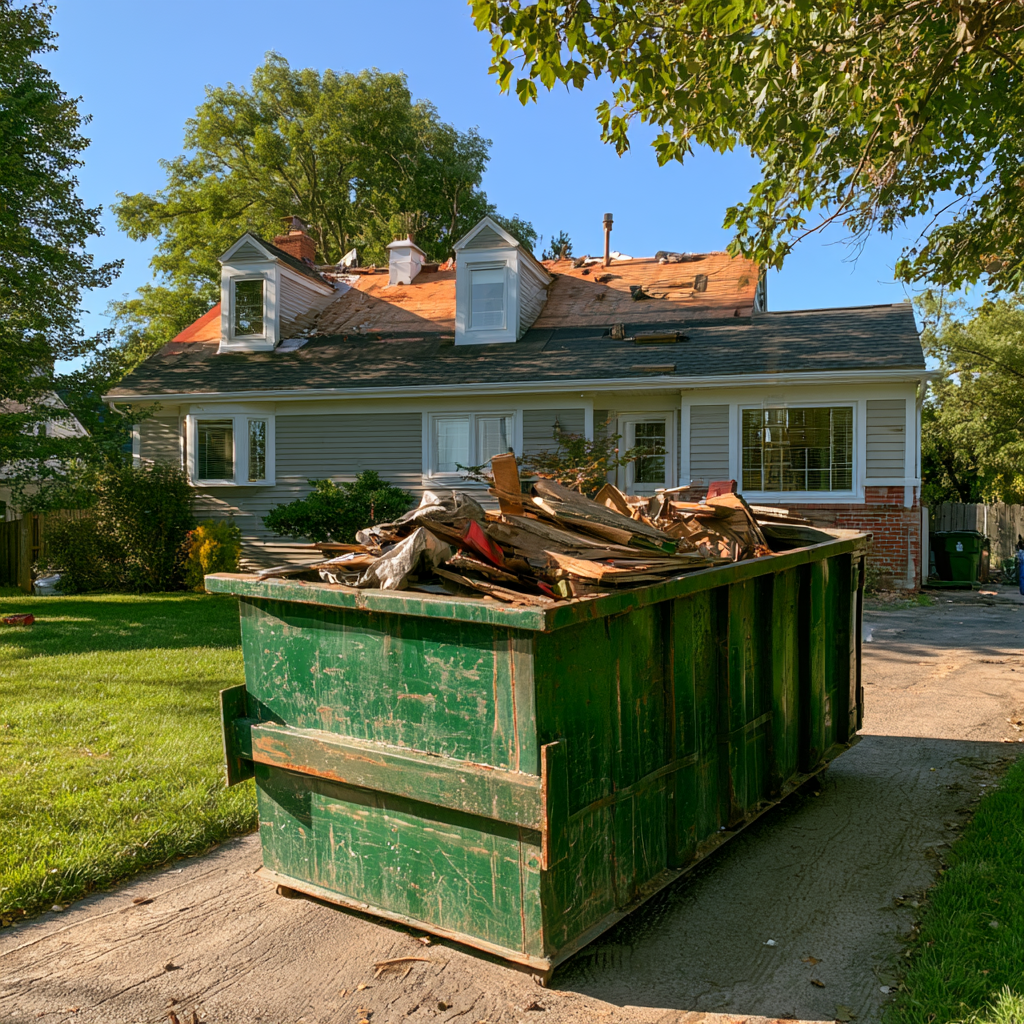
Understand Your Rental Agreement
Reading the rental terms carefully is one of the easiest ways to avoid surprises. Before you book, make sure you understand:
- Rental period: How long the container can stay on site and what options exist for longer projects.
- Weight allowance: How much weight is included and how extra weight is handled.
- Restricted materials: What can’t go in the container and how those items should be handled.
- Delivery and pickup: What the driver needs for clear access and how swaps are scheduled.
- Schedule changes: What happens if your timeline shifts.
A five-day rental is a common standard period, but longer options are typically available. The key to flexibility is ordering early and sharing your full timeline up front.
Know your rental period, weight allowance, restricted materials, and access requirements before the container arrives.
Getting Better Rental Terms
When contractors think about negotiating dumpster rental rates, they often picture haggling over price. In practice, the biggest savings usually come from preparation. The better your provider understands your project, the easier it is to set up terms that fit.
The negotiation principles taught at Harvard’s Program on Negotiation, such as preparing thoroughly and focusing on shared interests, apply here too. A few practical steps make a difference:
- Share the full scope: Describe your project, timeline, debris types, and expected volume.
- Plan ahead: Booking early gives you more flexibility on sizes and scheduling.
- Compare what’s included: Look at the weight allowance, rental period, and services in each quote, not just the price.
- Ask questions: Clarify anything in the terms you’re unsure about before you commit.
- Build an ongoing relationship: Consistent communication across projects makes scheduling and planning easier over time.
“Contractors who call with a clear plan get a much smoother rental,” says the Prime Dumpster Pro. “When you know your phases and debris types, it’s easy to line up the right containers at the right time.”
The best rental terms come from preparation: share your full scope, book early, and compare what each quote includes.

Cut Waste Before It Starts
The cheapest debris to haul is the debris you never create. Efforts to reduce on-site waste lower disposal costs and often save on materials too.
Order and Measure Accurately
Careful measuring and ordering keep leftover stock and off-cuts to a minimum. Choosing material lengths that match your layout, such as lumber sized to limit small cuts, means less scrap at the end of each phase.
Track Inventory
Regular inventory checks help prevent over-buying and duplicate orders. Knowing what’s already on site makes it easier to use materials before they’re damaged or forgotten.
Identify Reusable Materials
Many materials can be saved for future use instead of thrown away. Common examples include lumber off-cuts, brick and concrete rubble, metal fixtures, and returnable packaging. Set aside a storage area for reusable items so they don’t end up in the container.
Choose Deconstruction Where Possible
On remodels and tear-outs, careful deconstruction can salvage windows, doors, fixtures, flooring, and framing that would otherwise be hauled away. Salvaged materials can be reused on future projects or donated, and donations may be tax-deductible. Consult a tax professional for guidance on your situation.
Order accurately, track inventory, save reusable materials, and salvage items through deconstruction to reduce what goes in the container.
Sort and Recycle Materials
Separating materials as they’re generated makes construction waste recycling much easier. Clean, single-material loads are often simpler to process than mixed debris.
A few habits help sorting become routine:
- Set up recycling stations: Use clearly marked areas for wood, metal, concrete, and drywall.
- Keep stations accessible: Place them close to where materials are generated so crews actually use them.
- Train your crew: Show workers what goes where and why it matters.
- Run a quick waste audit: Look at what’s going into the container to find materials that could be separated or reused.
For more detail on setting up sorting systems, see this guide to construction site waste sorting.
Marked recycling stations, crew training, and regular waste audits make sorting part of the daily routine.
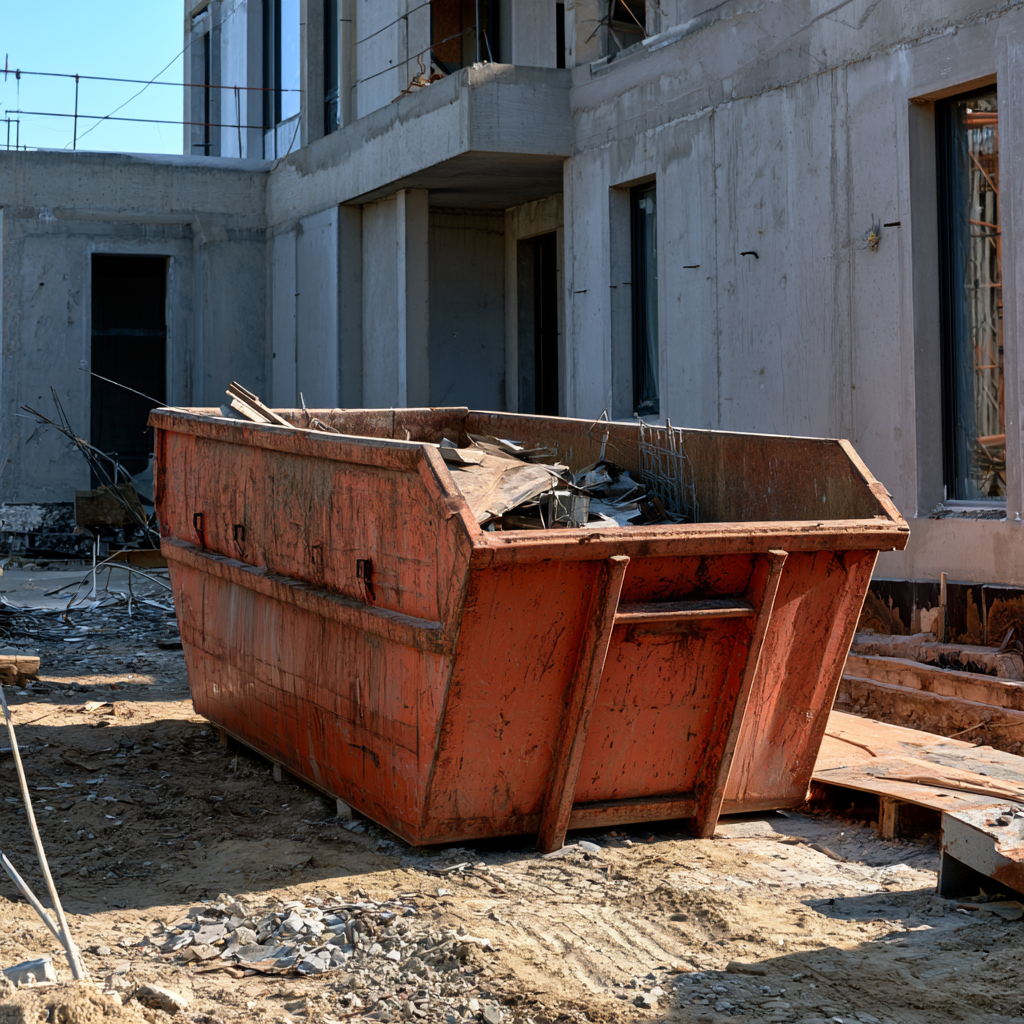
Schedule Deliveries and Swaps Around Project Phases
Timing your containers to match the work helps prevent both overflow and idle rental days. Debris usually peaks during demolition and framing, then slows during finish work.
Schedule delivery for the start of your heaviest debris phase, and request swaps before containers overflow. Checking debris levels regularly helps you time swaps so crews aren’t stacking material on the ground. If your timeline shifts, let your account manager know as early as possible so container plans can shift with it.
Time deliveries to your heaviest debris phases, request swaps before containers overflow, and communicate schedule changes early.
Save More on Every Project
Learning how to save money on waste management as a contractor comes down to planning, the right containers, clear rental terms, and good habits on site. Small changes on every job add up to real savings over time. If you’re new to the concept, What is Waste Management? is a good place to start.
At Prime Dumpster, we’re ready to help you plan containers and scheduling that fit your next project. Contact our team to request a quote.
If you are looking for The 5 Best Dumpster Rental Agreement Tips for Contractors, Click Here
Recent Posts


Follow Us
Have any questions?
+1 844 853 3867
Give us a call today so we can help you find the right waste & sanitation solution for
your project!
Contact Us