
Mon - Sat 7:00 am to 7:00 pm
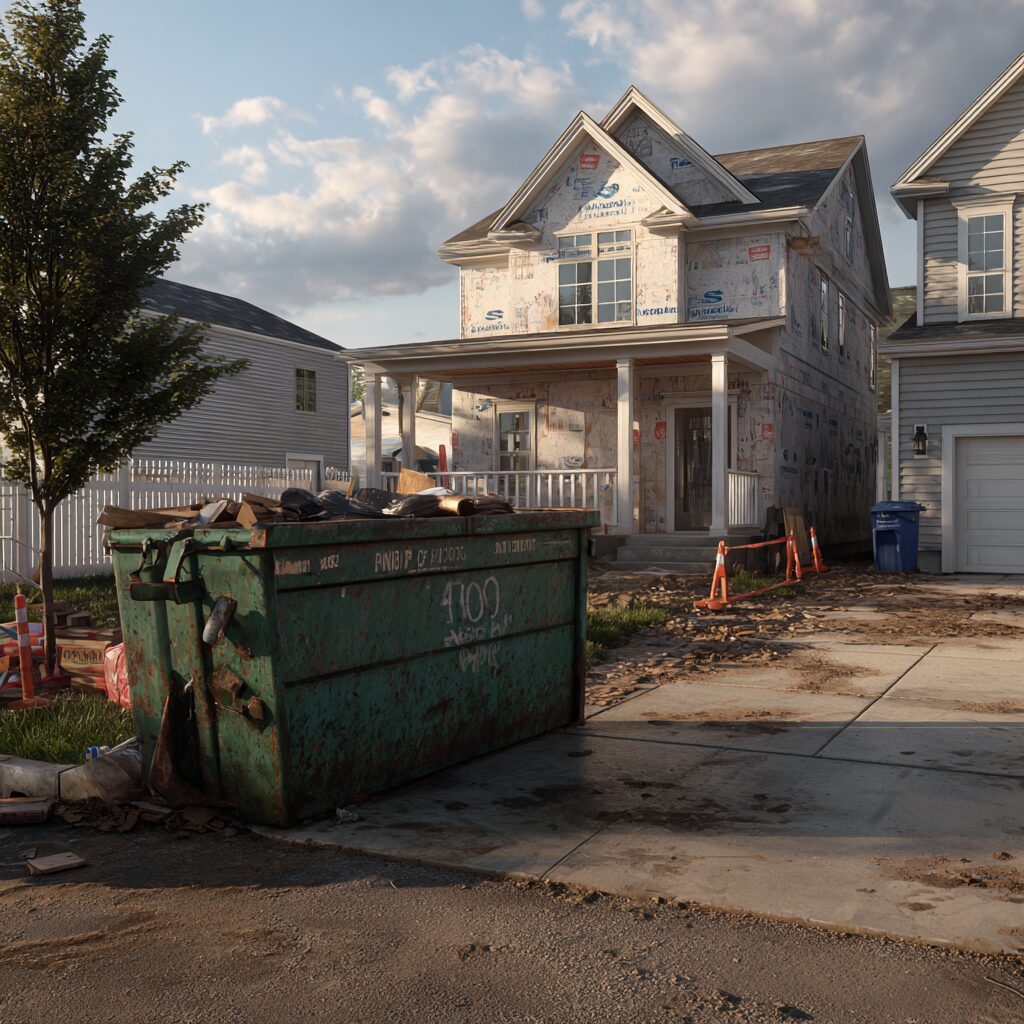
Short-Term Dumpster Rental: How to Plan, Schedule, and Finish on Time
Quick cleanouts, weekend remodels, and tight project timelines all share the same challenge: getting a dumpster delivered, filled, and hauled away without throwing off your schedule. A short-term dumpster rental can keep a fast-moving project on track, but only if the logistics line up from booking through pickup.
In this guide from Prime Dumpster, you’ll learn when a short-term rental makes sense, how long rentals typically last, how to prepare for delivery, and how to plan pickup so your project finishes on time.
Fast Facts: Short-Term Dumpster Rentals
A short-term rental works best when you plan the rental window around your project instead of the other way around. Keep these basics in mind before you book:
- Standard rentals typically run about five days. Extensions are often available if your project runs long.
- Booking ahead helps secure your preferred delivery date, especially during busy seasons.
- Site prep prevents delivery delays. Clear access paths and confirm placement before the truck arrives.
- The right dumpster size saves time and money. A container that’s too small can mean a second haul, while dense debris can push a load past its weight allowance.
- Scheduling pickup in advance keeps the project moving and helps you avoid paying for days you don’t need.
With a clear plan, even a few days is plenty of time to clear out a garage, finish a bathroom tear-out, or wrap up a landscaping job.
What Does the Expert Say?
“The most common short-term rental mistake is booking the dumpster before the project schedule is firm,” says the Prime Dumpster Pro. “Line up your delivery with your demo day, load as you go, and request pickup before the last bag goes in. That’s how you finish on time without paying for extra days.”
When a Short-Term Dumpster Rental Makes Sense
Short-term rentals are designed for projects with a defined start and finish. Common examples include:
- Garage, attic, and basement cleanouts
- Bathroom and kitchen remodels
- Roof replacements on smaller homes
- Seasonal yard and landscaping cleanups
- Office refreshes and furniture swaps
- Event breakdowns and post-event cleanup
If your project is truly a one-day job, it’s worth checking whether you can rent a dumpster for a day in your area, since availability and rental terms vary by location. Keep in mind one-day dumpster rentals aren’t always available.
How Long a Short-Term Rental Lasts
Most short-term dumpster rentals include a standard rental period of about five days. That window typically gives homeowners and contractors enough time to complete demolition, load debris, and schedule pickup without rushing.
If your project runs longer than expected, many rental providers offer extensions for an additional fee. Planning your timeline before you book helps you choose the right rental window and avoid unexpected charges. Our dumpster rental duration guide covers how long you can keep a container and how extensions typically work.
Choosing the Right Size for a Short Project
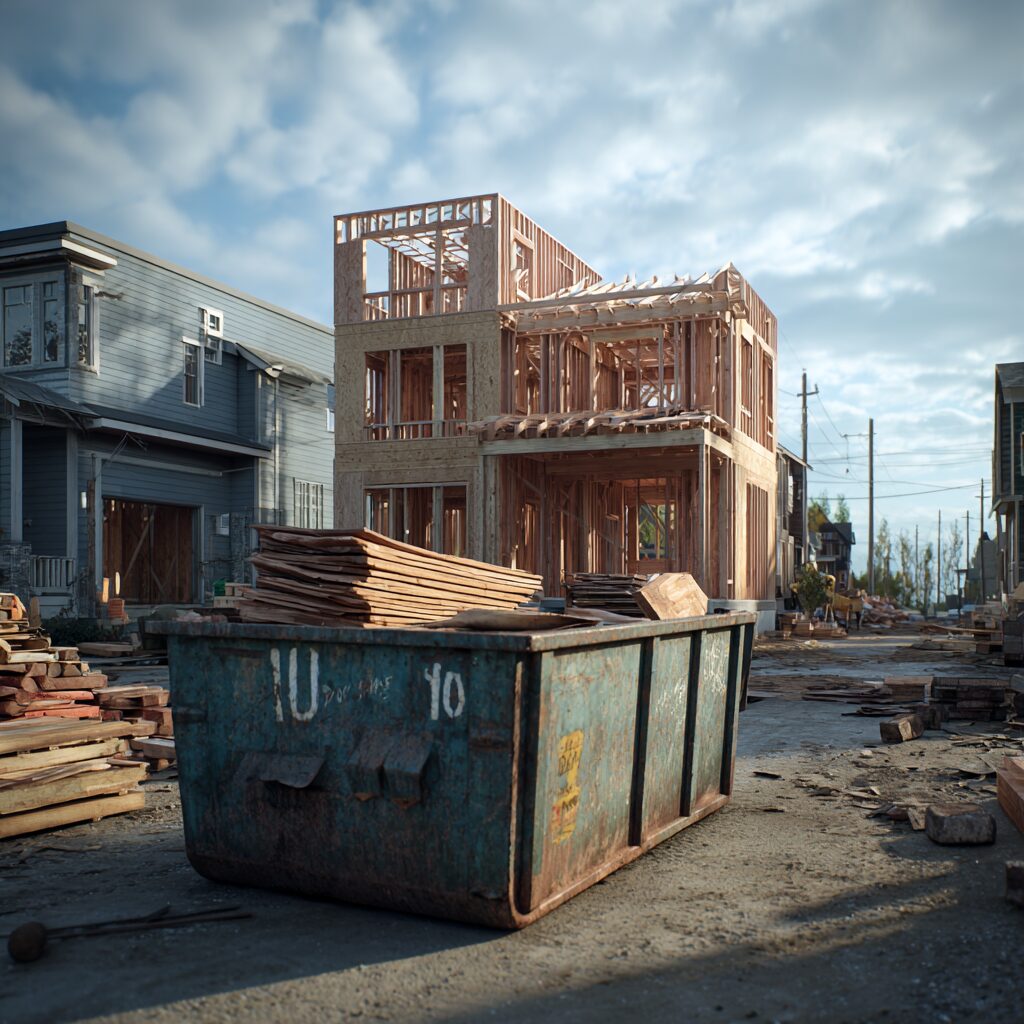
Choosing the right container size is especially important on short timelines, since there’s less room to adjust if you guess wrong.
- 10-yard dumpsters suit small cleanouts and heavy materials like concrete, dirt, or shingles.
- 15-yard dumpsters work well for bathroom remodels, garage cleanouts, and smaller roofing jobs.
- 20-yard dumpsters handle whole-room renovations, flooring removal, and larger cleanouts.
- 30-yard dumpsters fit major renovations and large cleanouts with bulky debris.
- 40-yard dumpsters are best for high-volume, lightweight debris from large projects.
Keep weight in mind as well as volume. Dense materials like tile, plaster, brick, and concrete can reach a container’s weight allowance before the debris reaches the fill line, so share your material types with your rental provider when you book.
Booking and Delivery Logistics
Whether you’re renting a dumpster for the first time or you’re an experienced pro, there are a few strategies to keep in mind to help ensure the process goes smoothly from start to finish.
What to Have Ready When You Book
Having a few details ready speeds up the booking process and helps your provider recommend the right container:
- Your project type and the materials you’ll be disposing of
- Your preferred delivery date and expected pickup date
- The exact placement location, such as a driveway, yard, or street
- Any access concerns, like narrow driveways, gates, or low-hanging branches
Don’t feel shy about asking questions and providing information. Details about your project help prepare the delivery team.
Preparing Your Site for Delivery
Before delivery day, clear the placement area of vehicles, tools, and materials. Make sure the delivery truck has a clear, straight path to the drop-off spot, and trim or note any low branches or overhead wires.
Mark sprinkler heads, underground utilities, and soft ground so the container isn’t placed on top of them. If the dumpster needs to go on a public street or sidewalk, check with your city first, since many municipalities require a permit before a dumpster can be placed in the public right-of-way.
Planning a Weekend Project
Weekend projects leave little room for delays, so a simple plan goes a long way:
- Start with demolition. Tear out flooring, cabinets, or fixtures first so debris goes straight into the container.
- Load as you go. Filling the dumpster throughout the project prevents last-minute scrambling.
- Keep a tarp handy. Covering the container during rain keeps debris from absorbing water and adding weight.
- Finish loading the day before pickup. This leaves time to check for prohibited items and make sure the load is level and below the fill line.
Sticking to a basic plan will help you stay organized if you run into unexpected complications, like bad weather.
Scheduling Pickup
Request pickup as soon as you know your finish date. Many providers ask for advance notice, so scheduling early helps keep your project on track.
Before pickup, make sure debris stays below the top edge of the container and that no prohibited items are mixed in. Batteries, paint, chemicals, and other household hazardous waste typically require separate disposal. Overfilled or improperly loaded containers can delay pickup or lead to extra fees. If you need more time, contact your provider before the end of your rental period to ask about an extension.
Keeping Short-Term Rental Costs Down
A few simple habits can help keep a short-term rental within budget:
- Choose the right size to avoid paying for a second haul or unused space.
- Watch the weight of dense materials so the load stays within its allowance.
- Schedule pickup promptly so you’re not paying for extra days.
- Ask about extension fees upfront in case your project runs long.
For more planning tools and guides, visit our Dumpster Rental Resources page.
What Renters Handle vs. What Professionals Handle
It’s important to understand what you should and shouldn’t do with your rented dumpster. Improper and unauthorized use can result in accidental property damage and injury.
| What Renters Can Do | What Professionals Handle |
| Choose a placement spot and clear the area | Delivery and placement of the container |
| Mark sprinklers, utilities, and soft ground | Hauling and disposal of debris |
| Check local permit requirements for street placement | Pickup scheduling and coordination |
| Load debris evenly and below the fill line | Recommending the right container size |
| Request pickup or an extension in advance | Swaps and extensions when available |
Finish Your Short-Term Project on Schedule
A short-term dumpster rental keeps quick projects moving when you plan the logistics ahead. Choose the right size, prepare your site before delivery, load as you work, and schedule pickup early, and your container will be gone as soon as the job is done.
Prime Dumpster arranges dumpster rentals for homeowners and contractors nationwide, with availability varying by location. We proudly offer transparent, complete quotes upfront combined with friendly, professional service. Contact us to plan the right short-term rental for your next project.
If you are looking for 7 Ways to Keep Animals Out of Trash, Click Here
Recent Posts


Follow Us
Have any questions?
+1 844 853 3867
Give us a call today so we can help you find the right waste & sanitation solution for
your project!
Contact Us