
Mon - Sat 7:00 am to 7:00 pm
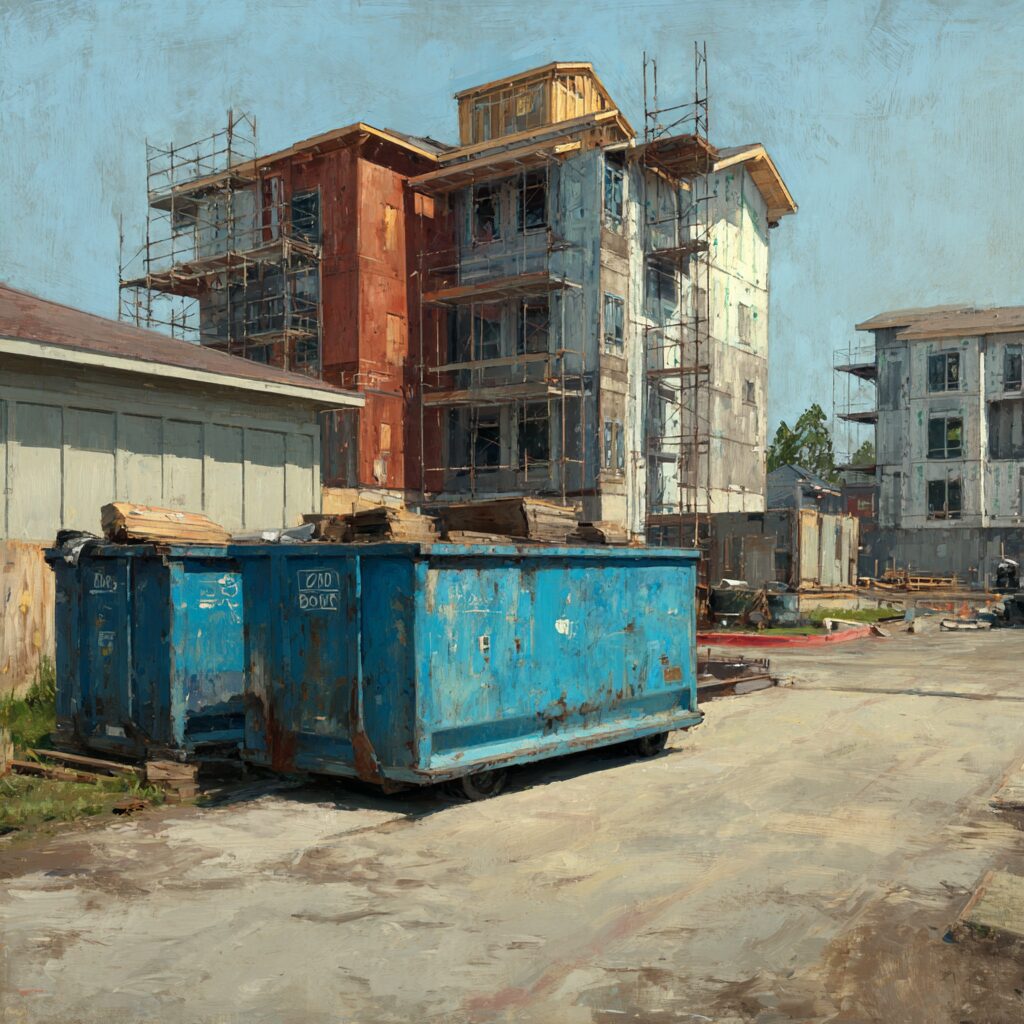
Guide to Weekly Dumpster Rental Costs for Construction
Plenty of construction jobs don’t need a dumpster for months. A bathroom gut, roof tear-off, or deck removal can often wrap up in days, and paying for more time than the job needs eats into the budget.
Knowing what shapes the cost of a one-week rental helps you choose the right container, schedule it at the right time, and avoid charges that weren’t part of the plan. It also helps you recognize when a longer rental would actually be the better fit.
At Prime Dumpster, we put together this guide to weekly dumpster rental for construction projects. It covers what a weekly rental includes, which projects typically need only a week, what affects cost, and practical ways to keep spending under control.
Fast Facts: Can I Rent a Construction Dumpster for a Week?
A weekly rental usually covers a standard five-day period, and its cost depends on container size, debris weight and type, location, permits, and site access.
These are the main factors that shape the cost of a one-week rental:
- Container size: Larger containers cost more, but the right size prevents a second rental or an extra haul.
- Debris weight: Heavy materials like concrete, brick, and tile can reach the weight limit before the container is full.
- Debris type: Mixed debris and restricted materials can affect disposal costs.
- Location: Local disposal fees and delivery distance vary from one area to another.
- Permits: Placing a container on a public street usually requires a permit.
- Site access and timing: A clear drop spot and well-timed delivery help the rental go smoothly from start to finish.
Every project has different needs, so your Prime Dumpster account manager can help you match a container and rental period to your job. You can also compare container options on the dumpster rental page.
What a Weekly Rental Covers
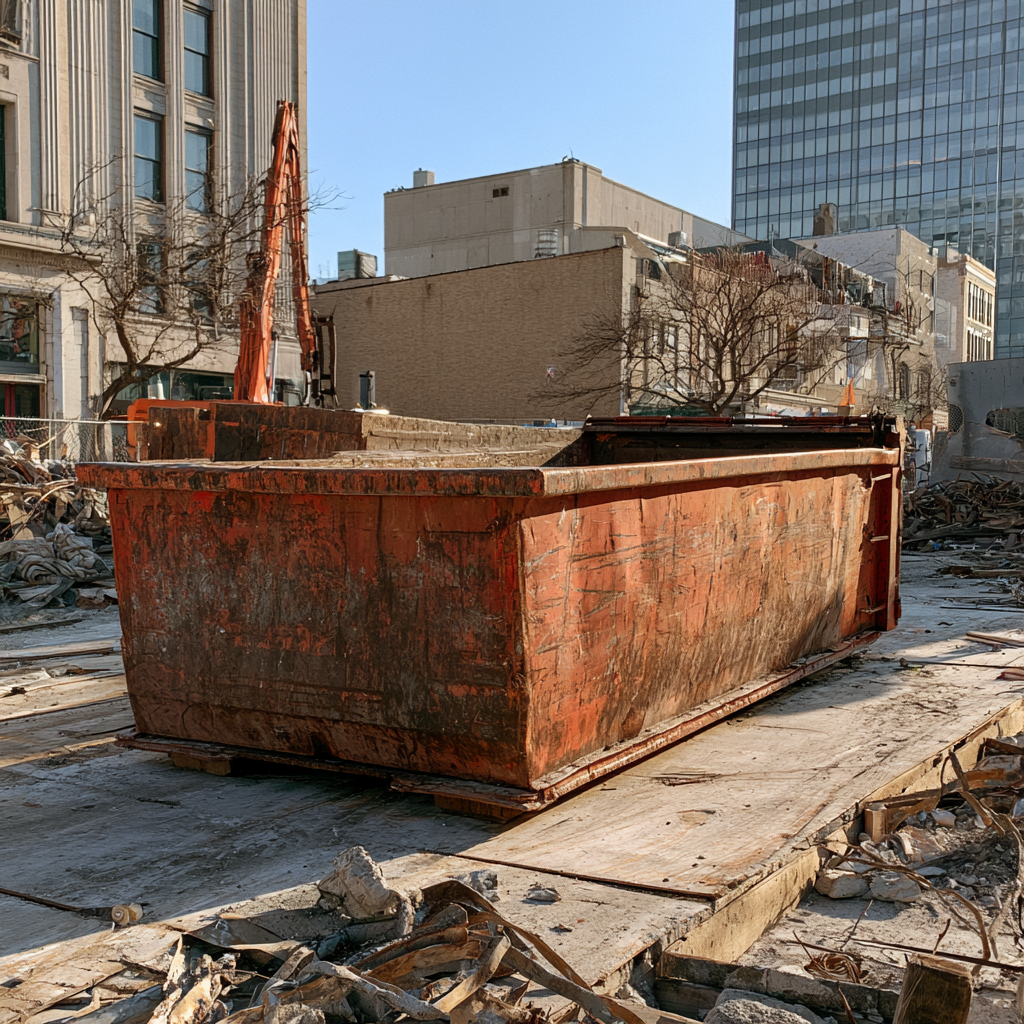
When people look into a dumpster rental for a week, they’re usually referring to the standard rental period, which is commonly five days. That’s enough time for many small and mid-size construction jobs to load debris at their own pace.
A typical rental includes delivery, pickup, disposal of acceptable debris up to the weight allowance, and the set rental period. Shorter and longer options are typically available, and you’ll typically find the most flexibility the earlier you order. Sharing your timeline up front lets you build the right rental length into your plan instead of adding it later.
A weekly rental usually means the standard five-day period, with shorter and longer options typically available when you plan ahead.
Construction Projects That Typically Need Only a Week
Many common construction and renovation jobs produce their debris in a short burst, which makes a one-week rental a good fit. The table below shows some of the most common examples.
| Project Type | Common Debris | Typical Size |
| Bathroom remodel | Tile, drywall, vanities, fixtures | 10-yard dumpster or 15-yard dumpster |
| Kitchen remodel | Cabinets, countertops, drywall, flooring | 15-yard dumpster or 20-yard dumpster |
| Roof tear-off | Shingles, underlayment, flashing | 20-yard dumpster or 30-yard dumpster |
| Flooring removal | Carpet, tile, hardwood, padding | 10-yard dumpster or 15-yard dumpster |
| Deck or shed removal | Lumber, decking, hardware | 15-yard dumpster or 20-yard dumpster |
| Single-room gut | Drywall, trim, insulation, fixtures | 15-yard dumpster or 20-yard dumpster |
| Concrete patio or walkway removal | Broken concrete, pavers, base material | 10-yard dumpster |
| Large single-phase cleanout | Bulky, lighter debris and furniture | 30-yard dumpster or 40-yard dumpster |
Roof tear-offs are a good example of a fast, debris-heavy job. Guides like this one from Family Handyman on tearing off roof shingles recommend placing the container where crews can drop shingles straight into it from the roof.
“Most single-phase jobs are a perfect match for a weekly rental,” says the Prime Dumpster Pro. “If the debris comes out over a few days and there’s no second phase behind it, there’s usually no reason to keep the container longer.”
Bathroom and kitchen remodels, roof tear-offs, flooring removal, deck removal, and concrete patio removal often fit within a one-week rental.
When Monthly or Ongoing Rentals Make More Sense
A week isn’t always enough. Projects with several phases or steady debris over time often benefit from a monthly or ongoing rental instead.
These projects usually fit better with a longer rental period:
- New construction: Debris comes in waves from site work, framing, roofing, and finish stages.
- Multi-phase renovations: Whole-home remodels often move room by room over several weeks.
- Commercial projects: Multiple trades produce steady debris over a long schedule.
- Large demolition jobs: Tear-out and cleanup can stretch well past a few days.
On longer jobs, scheduled swaps replace full containers with empty ones so work can keep moving. For a closer look at extended rentals, see this guide to long-term dumpster rental costs.
New builds, multi-phase renovations, and commercial projects usually fit better with monthly or ongoing rentals and scheduled swaps.
What Affects the Cost of a Weekly Rental
The weekly dumpster rental cost for a project depends on a handful of factors. Standard rentals range from about $399 to $499 for a 10-yard dumpster up to about $699 to $899 for a 40-yard dumpster, depending on location, debris, and rental period. For average costs by size and a closer look at what shapes each price, the Prime Dumpster dumpster pricing resource page is a comprehensive source of information. If you’re budgeting for a larger job, the factors below play the same role in any construction dumpster rental cost.
Container Size
Size has the biggest effect on price. A container that’s too small can lead to a second rental, while one that’s too large means paying for space you won’t use. Estimating the volume and type of debris before you book helps you land on the right size.
Debris Weight and Type
Each container has a weight allowance, and heavy debris can reach it quickly. Heavy materials like concrete typically go in 10-yard dumpsters, where a smaller volume keeps the load within safe hauling weight.
| Dumpster Size | Approximate Weight Capacity |
| 10-yard dumpster | Up to 2 tons |
| 15-yard dumpster | Up to 3 tons |
| 20-yard dumpster | Up to 3 tons |
| 30-yard dumpster | Up to 4 tons |
| 40-yard dumpster | Up to 5 tons |
Weight capacity may vary by location, so confirm the limit for your container. Debris type also matters. Mixed loads can take more effort to process, and restricted materials like paint, solvents, and batteries need separate handling.
Location and Disposal Costs
Local disposal fees, delivery distance, and regional demand all affect pricing. Urban areas with higher operating costs and remote sites with longer delivery routes can both have higher prices than suburban markets.
Permits
If the container sits on private property, a permit usually isn’t needed. Placing it on a public street or sidewalk typically requires one, and permit fees and processing times vary by city or county. Check requirements early so the permit is in place before delivery.
Site Access and Scheduling
A clear, firm drop spot with room for the truck makes delivery and pickup simple. Blocked access, tight spaces, or last-minute schedule changes can complicate a short-term dumpster rental, so plan placement and timing before the container arrives.
Container size, debris weight and type, location, permits, and site access all shape the cost of a one-week rental.
How to Keep Weekly Costs Under Control
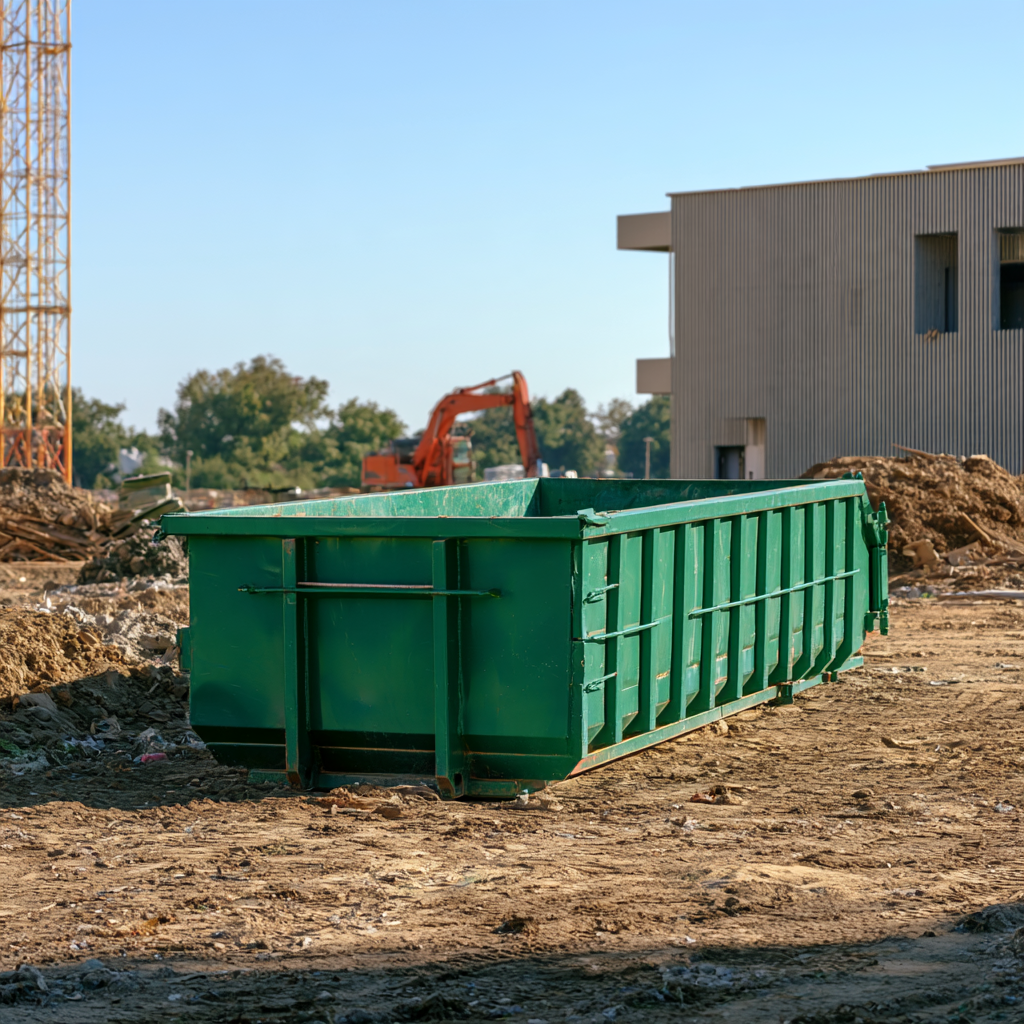
A short rental leaves little room for delays, so planning makes a big difference. These habits help keep costs in check:
- Choose the right size: Match the container to your debris volume and weight.
- Time delivery to your heaviest debris: Schedule the container to arrive when tear-out or demolition begins.
- Use two smaller containers on tight sites: This can sometimes work better than one large container that blocks access.
- Ask what’s included: Confirm the weight allowance, rental period, and restricted materials before booking.
- Separate heavy materials: Keep concrete, brick, and tile apart from lighter debris.
- Check debris levels daily: This helps you plan pickup or request a swap before the container overflows.
- Confirm permits early: Make sure any street permit covers the full rental period.
“Having one dedicated person track all your dumpster logistics prevents costly miscommunications and keeps deliveries on schedule,” says the Prime Dumpster Pro.
Right-size the container, time delivery to heavy debris, confirm what’s included, and track debris levels throughout the rental.
Delivery and Placement Tips
Good timing and placement help a short rental run smoothly. Try to schedule delivery before crews arrive or during a lull in activity so the truck doesn’t block access during busy work periods.
Place the container close to where debris is generated, but keep walkways and exit routes clear. On roofing and exterior jobs, Fine Homebuilding’s guide to stripping old shingles notes that a dumpster placed next to the building lets crews send debris straight in, which cuts down on cleanup.
“Use orange cones to mark safety buffers around the unit,” says the Prime Dumpster Pro. “It keeps crews and equipment from crowding the container and makes the drop zone easy to spot.”
Check the container daily for restricted items like paint cans or aerosol cans, and remove them before pickup.
Schedule delivery around crew activity, place the container close to the work, mark safety buffers, and check daily for restricted items.
Streamlining Your Weekly Construction Waste Strategy
A weekly dumpster rental is often the simplest, most cost-effective option for single-phase construction jobs. Choosing the right size, planning around weight, and timing delivery to your heaviest debris keep short projects on schedule and on budget. For a broader breakdown of pricing factors, see Understanding Dumpster Rental Costs: A Comprehensive Guide.
At Prime Dumpster, we’re ready to help you choose the right container and rental period for your project. Contact our team to request a quote.
If you are looking for 7 Ways to Save Money on Construction Dumpster Rentals, Click Here
Recent Posts


Follow Us
Have any questions?
+1 844 853 3867
Give us a call today so we can help you find the right waste & sanitation solution for
your project!
Contact Us