
Mon - Sat 7:00 am to 7:00 pm

Construction Porta Potty Requirements in Dallas, TX
Dallas construction sites, from downtown high-rises to suburban residential development,s face immediate sanitation compliance decisions affecting crew productivity and OSHA inspection readiness. Meeting construction porta potty requirements in Dallas, TX, means calculating worker-to-facility ratios, understanding Texas state regulations, and coordinating placement around city permit processes varying across Dallas County municipalities.
Prime Dumpster coordinates portable restroom solutions for construction projects throughout the Dallas metro area. Our guide covers federal OSHA standards, Texas-specific requirements, Dallas permit procedures, placement strategies for different neighborhoods, and seasonal considerations affecting North Texas construction sites.
Fast Facts: Construction Porta Potty Requirements in Dallas, 75217
“Dallas construction sites must satisfy federal OSHA ratios as the baseline while navigating Texas environmental regulations and city-specific permit requirements across the metroplex,” says the Prime Dumpster Pro. “Getting your sanitation plan right prevents violations, maintains crew satisfaction, and keeps inspectors satisfied during routine site visits.”
- OSHA mandates one toilet per 20 workers minimum with larger sites requiring additional units based on crew size
- Texas heat affects service frequency, with summer temperatures exceeding 100 degrees, requiring twice-weekly maintenance from June through September
- Dallas city limits versus surrounding municipalities create different permit requirements, with Plano, Richardson, Frisco, and Irving maintaining separate approval processes
- ADA-compliant units become mandatory when workers with disabilities join your crew or when federal funding triggers accessibility requirements
When renting porta potties in Dallas, Texas, you want to plan unit counts based on peak crew numbers rather than averages since inspectors evaluate compliance during actual site visits.
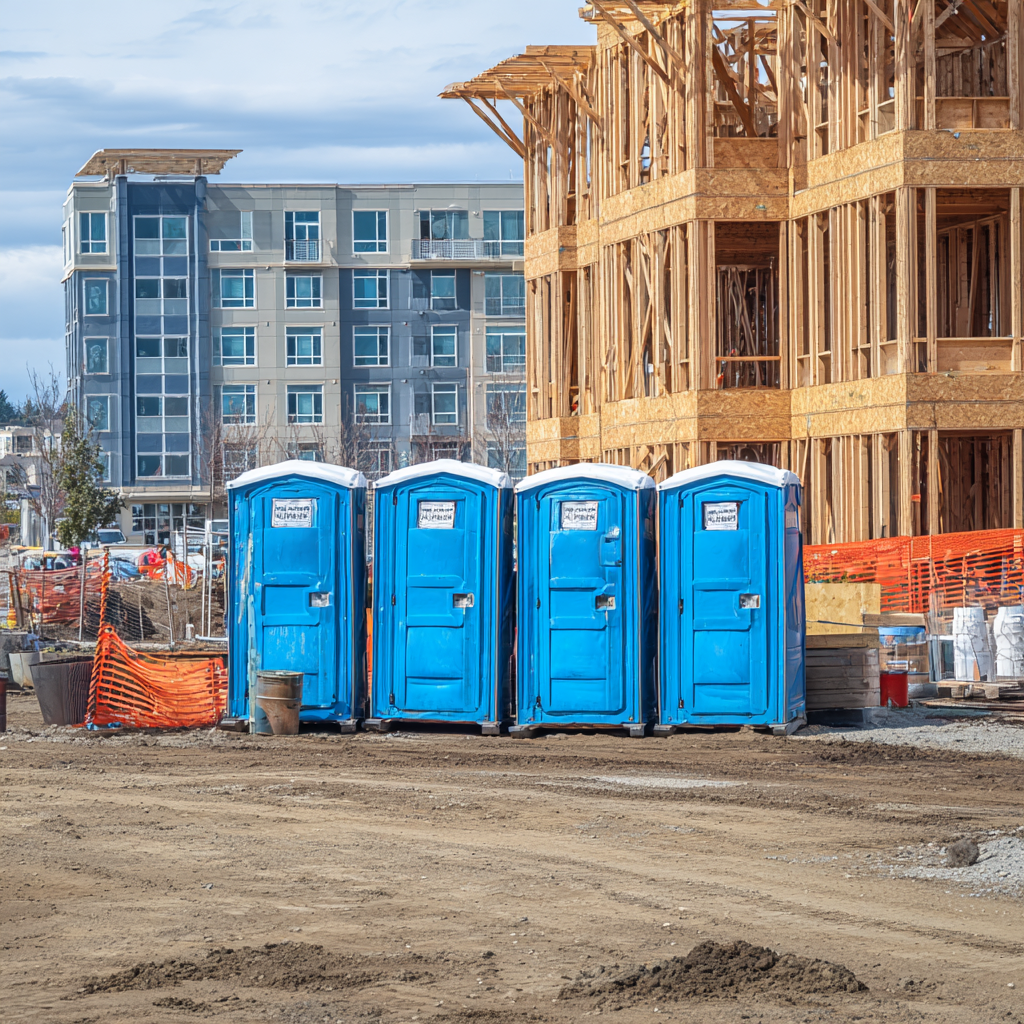
Federal OSHA Standards for Dallas Construction Sites
Every Dallas construction project operates under federal workplace safety regulations establishing baseline sanitation requirements. OSHA Standard 29 CFR 1926.51 creates the foundation for portable restroom planning across all project types.
Basic Worker-to-Facility Ratios
Sites with 20 or fewer workers need at least one toilet facility available throughout the workday. Projects employing 21 to 200 workers require one toilet seat and one urinal for every 40 employees. Construction sites exceeding 200 workers follow a ratio of one toilet seat and one urinal per 50 employees.
Placement and Accessibility Requirements
All facilities must be positioned within 200 feet of active work areas. Multi-story projects require facilities on multiple floors or near elevator access points. Hand-washing capability is mandatory through integrated stations, separate portable handwashing stations, or approved sanitizer dispensers.
Maintenance and Service Standards
Weekly service represents the minimum standard covering waste tank pumping, supply restocking, and interior sanitization. High-traffic sites or extreme weather require more frequent service. Documentation of all service visits protects against compliance violations during inspections.
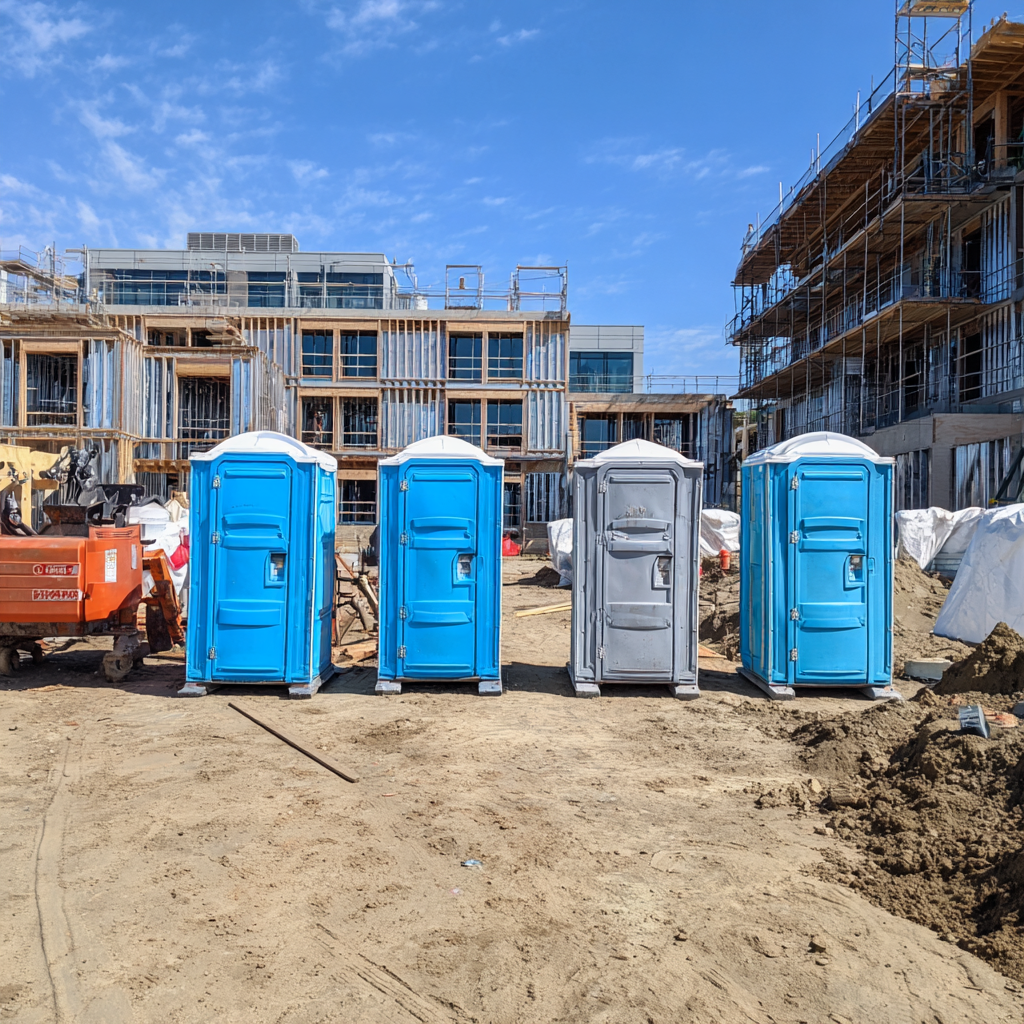
Texas State Regulations and Environmental Standards
The state adopts federal OSHA standards while also adding Texas-specific portable potty requirements for environmental protection throughout the Dallas-Fort Worth metroplex.
Texas Requirements
Here’s a rundown of what Texas requires:
- Licensed waste hauling and proper disposal facility agreements meeting TCEQ standards
- Ground contamination prevention on sites near Trinity River, creeks, and drainage systems
- ADA-compliant portable toilets featuring wider doors, grab bars, and wheelchair turning radius
- Heat illness prevention support through adequate facility access encouraging proper hydration
The Texas Commission on Environmental Quality enforces regulations preventing construction waste from contaminating groundwater and surface water. Service providers must demonstrate proper credentials and disposal agreements. Most Dallas contractors include one accessible unit per 10 standard facilities as proactive compliance.
Dallas Permit Requirements Across the Metroplex
Permit requirements change dramatically depending on which municipality governs your specific project location. Understanding local rules prevents delivery delays and repositioning costs.
| Municipality | Private Property | Public Right-of-Way | Approximate Timeline | Special Requirements |
| City of Dallas | No permit typically | Yes – Public Works | 7+ days | N/A |
| Highland Park/University Park | Sometimes | Yes | 10+ days | Insurance documentation, screening |
| Plano/Richardson/Frisco | Varies | Yes | 5-10 days | Separate fee structures |
| Commercial Districts (Design District, Deep Ellum) | No | Yes | 7+ days | Business hour restrictions |
HOA and Residential Restrictions
North Dallas, Far North Dallas, and suburban communities often restrict portable restroom visibility from streets. Review covenant restrictions before scheduling delivery. Some areas limit placement duration or require written HOA approval even for private driveways.
Application Process Tips
Apply at least seven business days before delivery for City of Dallas projects. Highland Park and University Park require additional lead time. Specify exact locations and rental duration in all applications.
Strategic Placement on Dallas Construction Sites
Smart positioning keeps crews productive while maintaining compliance across different site types and neighborhoods.
Ground and Surface Considerations
Position standard construction porta potties on level, stable ground. Dallas clay soil expands and contracts seasonally, creating problems during wet periods. Use gravel pads or compacted stone bases beneath units during spring and fall rain events.
Access and Clearance Requirements:
- Maintain 3-5 feet of clearance on all sides for door operation
- Keep facilities away from heavy equipment paths and material staging areas
- Ensure service truck access throughout rental period
- Avoid crane swing zones and excavation areas
Simple preparation results in a much easier delivery experience than last-minute scrambling when the dumpster delivery vehicle arrives.
Neighborhood-Specific Strategies
Downtown Dallas sites face tight constraints requiring creative solutions. Coordinate with adjacent properties for temporary placement agreements when your site lacks space. Suburban sites in Plano, Frisco, and McKinney offer more flexibility with larger lots accommodating multiple unit clusters.
Summer Heat Positioning
Position units in shaded areas when possible. Afternoon sun exposure makes units uncomfortably hot, discouraging use. Provide temporary shade structures reducing interior temperatures during June through September peak heat.
Managing North Texas Weather Extremes
Dallas weather creates unique challenges for portable restroom management requiring seasonal adjustments.
Summer Heat (June-September)
Temperatures regularly exceed 100 degrees, accelerating waste decomposition and intensifying odors. Schedule twice-weekly service instead of standard weekly maintenance. Deluxe flushing portable toilets with better ventilation improve crew comfort during brutal summer months.
Spring Storm Season (March-May)
Severe weather brings tornadoes, hail, and intense rainfall. Secure units against high winds. Position facilities away from structures or trees that could fall. Heavy rain adds weight and creates flooding issues on low-lying sites.
Fall Construction Peak (September-November)
Moderate temperatures and lower rainfall create ideal conditions. This peak season sees highest equipment demand requiring four to six weeks advance booking. Availability tightens as contractors compete for equipment across the metro area.
Winter Considerations
Occasional ice storms and freezing events require winterized units with freeze-resistant chemicals. Units need insulation or heating elements when temperatures drop below freezing for extended periods.
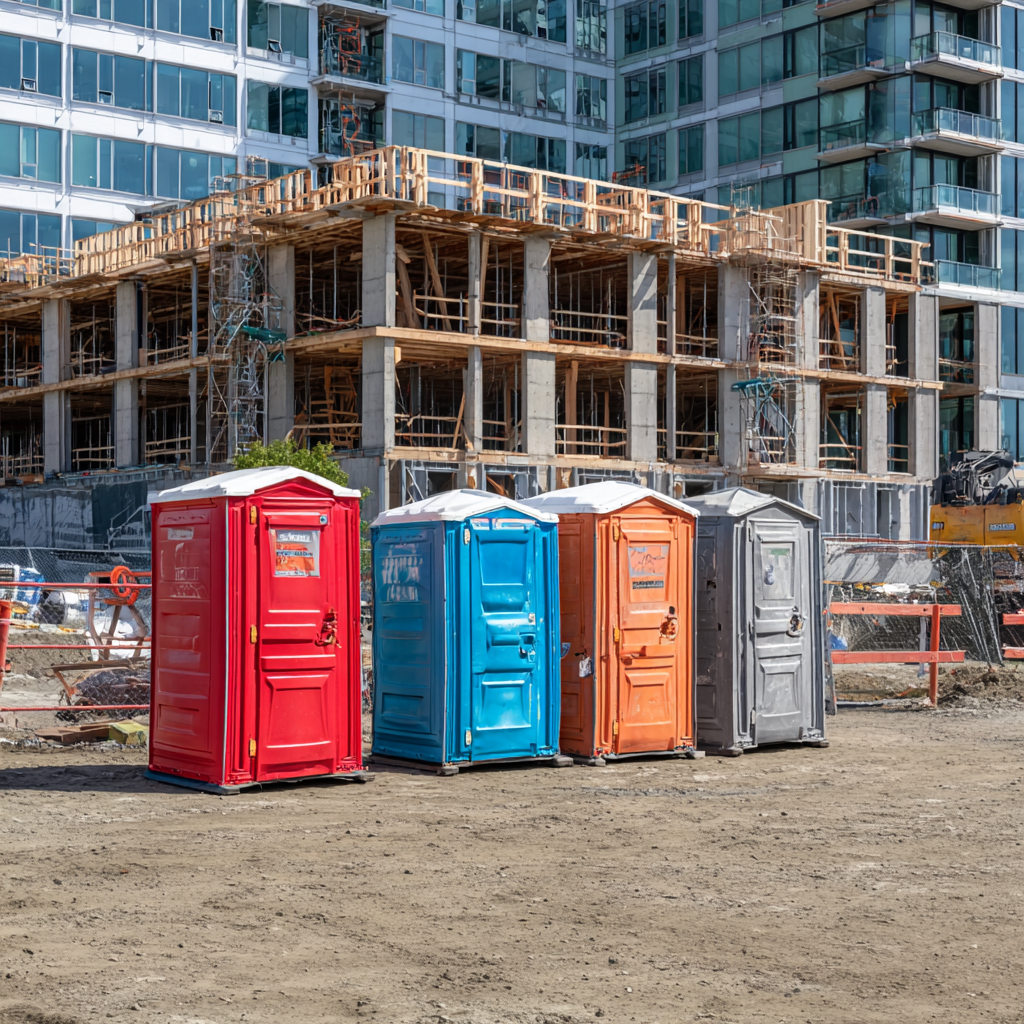
Specialized Solutions for Dallas Project Types
Different construction scenarios demand tailored portable restroom approaches beyond the standard types of rented porta potties.
High-Rise Construction: Downtown Dallas and Uptown projects require crane lift portable toilets on upper floors. These reinforced units withstand lifting and provide essential access for vertical projects where elevator access remains limited.
Suburban Residential Developments: Sprawling projects benefit from towable porta potties repositioning as work progresses through different phases. Mobile units eliminate multiple deliveries as active zones shift across large developments.
Long-Term Commercial Projects: Sites lasting six months or longer justify restroom trailers providing climate control, running water, and multiple stalls. Premium facilities improve crew morale while meeting all OSHA requirements.
Compliance Documentation and Inspection Readiness
Proper record-keeping protects against OSHA violations and municipal citations that halt construction progress.
Essential Documentation:
- Service logs showing pumping dates and maintenance visits
- Rental agreements proving unit counts match crew ratios
- Photographs of placement locations demonstrating proximity compliance
- Crew size records throughout different project phases
OSHA inspectors specifically review maintenance history when compliance questions arise. Contractors with organized records demonstrating proactive compliance face lower fine risks. OSHA violations for inadequate sanitation range from $16,550 to $165,514 per citation depending on severity. Dallas Department of Buildings adds municipal penalties on top of federal fines.
Your Dallas Construction Sanitation Partner
Dallas construction projects demand sanitation planning accounting for OSHA standards, Texas environmental regulations, and municipal permit requirements varying across the metroplex. Construction managers who calculate needs based on peak workforce, maintain documented service schedules, and position facilities strategically keep projects compliant through all phases. Contact us to discuss your Dallas construction site requirements and coordinate portable restroom solutions meeting federal, state, and local standards.
If you are looking for How Many Porta Potties Do I Need for a Construction Site in Chicago, IL?, Click Here
Recent Posts


Follow Us
Have any questions?
+1 844 853 3867
Give us a call today so we can help you find the right waste & sanitation solution for
your project!
Contact Us