
Mon - Sat 7:00 am to 7:00 pm
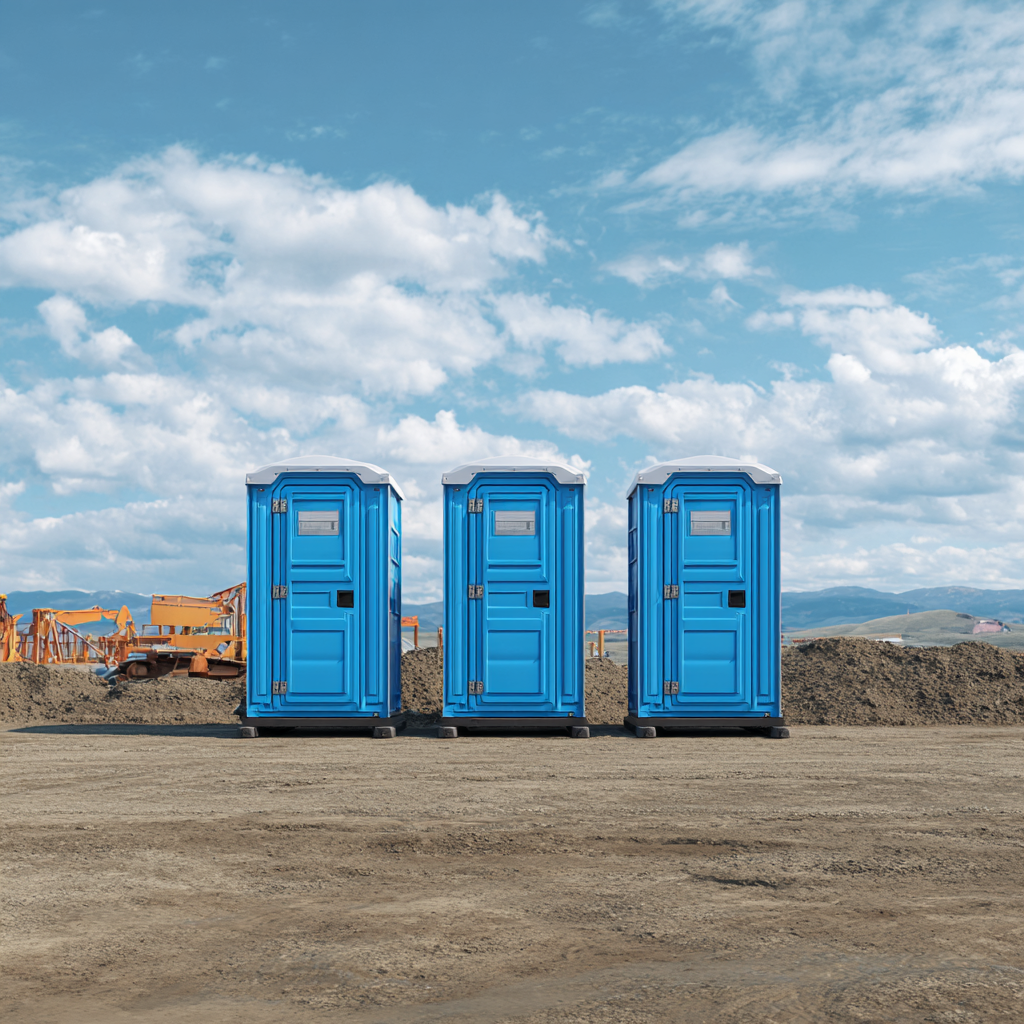
The Professional’s Guide to Construction Porta Potty Requirements in Longview, WA
Southwest Washington construction sites face immediate sanitation compliance challenges that can halt work and trigger costly fines. Meeting construction porta potty requirements in Longview, WA means understanding OSHA worker ratios, navigating Cowlitz County permit processes, and positioning units that satisfy both federal standards and neighborhood ordinances.
Prime Dumpster coordinates portable restroom solutions for construction projects throughout the Longview area, from industrial riverfront developments to residential builds in Longview Heights. The following guide addresses federal regulations, state-specific requirements, local permit procedures, and practical placement strategies that keep your crew compliant and your project moving forward.
Fast Facts: Construction Porta Potty Requirements in Longview
“Construction porta potty requirements in Longview combine federal OSHA standards mandating one unit per 20 workers with Washington state environmental protections and local Cowlitz County permit processes. Southwest Washington contractors must address all three regulatory layers simultaneously to maintain compliant job sites from project start through final inspection.”
- OSHA requires one toilet facility for every 20 workers as the baseline ratio with weekly servicing minimum for sites serving up to 10 people
- Washington state mandates ADA-compliant units for workers with disabilities and emphasizes proper waste disposal near waterways common throughout Cowlitz County
- Longview residential zones require 5-8 feet setback from sidewalks and 10-12 feet from property lines with permit approval taking 3-5 business days
- Commercial and industrial areas along the riverfront offer streamlined 1-3 business day permit processes with more flexible placement options
- All facilities must remain within 500 feet of active work areas meeting the state’s 10-minute walk accessibility standard
When renting construction porta potties in Longview, WA, never treat these regulations as an afterthought. Proper planning prevents compliance violations that halt construction timelines and trigger fines ranging from hundreds to thousands of dollars.
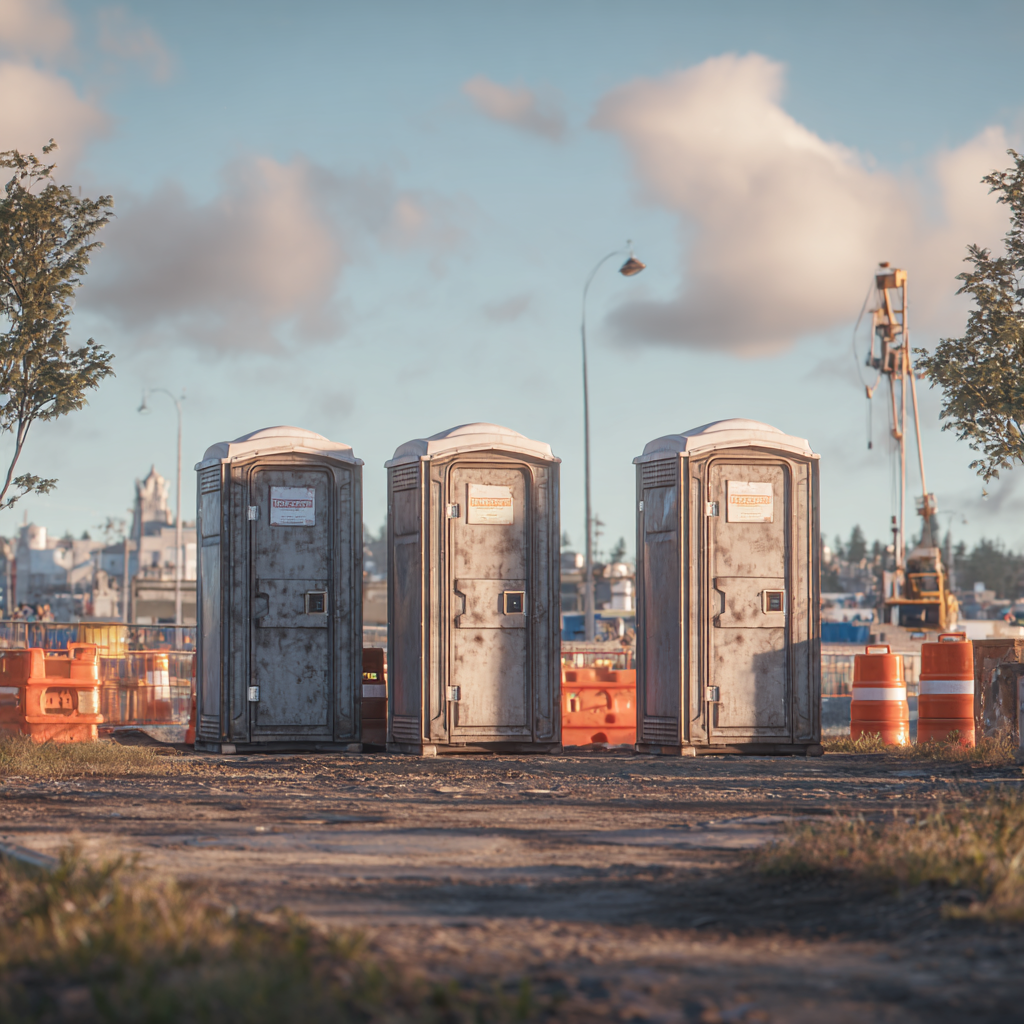
Porta Potty Compliance on Construction Sites
The rules form a multi-layered system designed for safety. Federal OSHA standards create the foundation. Washington state adds specific provisions. Local ordinances address neighborhood concerns.
Each level serves different purposes. Federal rules focus on worker-to-facility ratios. Local regulations often handle placement near property lines.
Why Compliance Matters on Longview Job Sites
Violations can stop work immediately. Fines range from hundreds to thousands of dollars. They also damage professional reputations.
Different areas have unique challenges. Residential neighborhoods have stricter rules than industrial zones. Understanding these differences prevents costly mid-project corrections.
| Regulatory Level | Focus Areas | Typical Requirements |
| Federal (OSHA) | Worker safety ratios | 1 unit per 20 workers |
| State (Washington) | Additional sanitation standards | Weekly servicing minimum |
| Local (Longview) | Placement and permits | Distance from property lines |
Staying current with evolving rules protects your project. Proper documentation demonstrates good-faith compliance efforts during inspections.
Federal and State Regulations Impacting Porta Potty Use
Federal OSHA and Washington state have very specific numbers governing your temporary facilities. Getting these ratios right is your first step toward full compliance.
We will walk you through the exact counts and rules. This knowledge helps you plan your sanitation needs accurately from day one.
OSHA Standards for Construction Facilities
The federal rules are clear about how many units your crew needs. For a team of 20 or fewer workers, you must have at least one toilet.
Sites with 21 to 200 employees need one toilet seat and one urinal per 40 people. For larger projects exceeding 200 workers, the ratio becomes one seat and urinal per 50 employees.
Cleanliness is non-negotiable. Units serving up to 10 people require weekly servicing. High-traffic sites often need more frequent cleaning for worker comfort.
Every facility must have toilet paper. Handwashing options are mandatory, like sanitizer gel or soap with water.
State-Specific Sanitation Requirements
Washington state adopts the OSHA standards as its baseline. Then it adds important environmental layers.
The state focuses heavily on proper waste disposal and spill prevention. This is especially critical for projects near water sources.
Accessibility is a major focus. An ADA-compliant unit must be available for workers with disabilities. These feature ramps, wide doors, and interior handrails.
All facilities should be within a 10-minute walk from work areas. This ensures prompt access without major disruption.
| Regulation Type | OSHA Standard | Washington Addition |
| Worker-to-Facility Ratio | 1 toilet per 20 workers (small sites) | Adopts OSHA standard |
| Cleaning Frequency | Weekly minimum | Emphasizes environmental waste handling |
| Accessibility | ADA units required | Enforces accessibility and proximity rules |
| Handwashing | Sanitizer or soap/water required | Focus on spill prevention near waterways |
Meeting these rules protects your team’s health and keeps your project moving smoothly. It is the smart way to manage your site.
In accordance with the American National Standards Institute's Standard Z4.3, restrooms must be located no more than 200 feet or 60 meters from the primary workspaces, considering a work schedule of 8 hours a day and 40 hours a week.
City-Level and Neighborhood Ordinances in Longview, WA
Your project’s location within the city limits brings additional considerations beyond state and federal rules. Longview adds its own layer of regulations that address community concerns.
Local Zoning and Permit Requirements
In most neighborhoods, temporary facilities must sit 5-8 feet from sidewalks. They need 10-12 feet from property lines, too.
Residential zones like Longview Heights often limit installations to 30 days. You’ll need permit extensions for longer projects.
Commercial areas near industrial zones offer more flexibility. Their approval process tends to be faster.
Visit the Longview, Washington Permit and Inspections page for more information and an application portal.
Considerations for Residential and Commercial Areas
Different zones have unique requirements. Residential areas focus on aesthetics and neighbor impact.
Commercial sites prioritize accessibility and functionality. They typically allow longer rental periods.
| Area Type | Permit Timeline | Special Considerations |
| Residential Zones | 3-5 business days | Neighbor notification often required |
| Commercial Districts | 1-3 business days | Streamlined approval process |
| Near Schools/Parks | 5-10 business days | Additional screening may be needed |
Always submit site plans showing proposed locations. Include measurements from property lines and sidewalks.
Working with local rental companies familiar with these rules can simplify your process. They understand placement restrictions and permit requirements.

Types of Porta Potties Utilized on Construction Sites
The variety of mobile restroom solutions available for rent goes far beyond basic single units. Choosing the right equipment affects worker morale and project efficiency.
Different jobs demand different sanitation approaches. Your selection should match your crew size, project duration, and site conditions.
Flushable and Towable Options
Flushable porta potties offer water-efficient systems that reduce odors. They provide a more comfortable experience for extended projects.
Towable portable toilets mounted on trailers move easily as work progresses. These portable restroom options suit large sites where fixed placement becomes impractical.
Specialized Units for Complex Sites
Crane lift models feature reinforced structures for high-rise placement. They solve access challenges on vertical projects.
Units with integrated sinks combine toilet facilities with handwashing stations. This helps meet hygiene requirements in one compact footprint.
ADA-compliant options ensure accessibility for all workers. They include wider doors, grab bars, and adequate turning space.
| Unit Type | Key Features | Ideal Applications |
| Standard Portable Toilet | Basic waste containment, cost-effective | Short-term projects, small crews |
| Flushable Portable Restroom | Water-efficient flushing, reduced odors | Extended projects, improved comfort |
| Towable Unit | Trailer-mounted, mobile placement | Large sites, changing work areas |
| Crane Lift Model | Reinforced structure, lifting points | High-rise buildings, upper floors |
| ADA Compliant | Wide door, grab bars, ramp access | Accessibility requirements, all workers |
Mixing unit types often works best. Consider standard models for general use and deluxe options for foremen.
Always discuss your specific needs with rental providers. They can recommend the perfect combination for your unique situation.
Effective Tips for Porta Potty Placement and Maintenance
Getting your temporary restrooms positioned and cared for properly makes all the difference for crew satisfaction and site efficiency. Let’s dive into the practical details that keep everything running smoothly.
Strategic Location and Spacing Guidelines
Place your rental units within 500 feet of work areas. This follows the 10-minute walk rule for accessibility.
Maintain proper setbacks: 5 feet from sidewalks and 10 feet from property lines. Keep adequate clearance from equipment paths too.
When using multiple facilities, space them 20-30 feet apart. This prevents congestion during breaks.
Coordinate placement with other site equipment like dumpsters. Ensure service vehicles can access both systems without disrupting traffic.
Maintenance and Regular Cleaning Protocols
Schedule weekly service as your minimum standard. For units serving up to 10 workers, this includes complete sanitization and supply restocking.
Heavy-use sites need biweekly or tri-weekly maintenance. This prevents odor buildup and keeps supplies stocked.
Proper service means thorough cleaning: tank emptying, disinfecting surfaces, checking for leaks, and restocking toilet paper and hand sanitizer.
Schedule morning visits so crews return to fresh facilities after lunch. Document all service for compliance records.
Provide handwashing stations at a ratio of one per 10 units. This meets hygiene standards and protects worker health.
Your Longview Construction Sanitation Partner
Successfully navigating construction porta potty requirements in Longview, WA requires calculating appropriate worker-to-facility ratios, securing local permits before delivery, and maintaining documented service schedules that prove compliance during inspections. Prime Dumpster arranges standard portable toilets, ADA-compliant units, and specialized facilities for construction sites throughout Cowlitz County and Southwest Washington. Contact us to discuss your project requirements and develop sanitation strategies meeting federal, state, and local standards.
If you are looking for ADA Porta Potty Rental in Redmond, Oregon, Click Here
Recent Posts


Have any questions?
+1 844 853 3867
Give us a call today so we can help you find the right waste & sanitation solution for
your project!
Contact Us