
Mon - Sat 7:00 am to 7:00 pm

Construction Porta Potty Requirements in Denver, CO
Managing a construction site in the Mile High City requires meeting worker sanitation standards while keeping your project on schedule and budget. Construction porta potty requirements in Denver, CO include OSHA compliance ratios, proper unit placement that doesn’t disrupt workflow, and maintenance schedules that function through the city’s famously unpredictable weather conditions.
Keep these general tips in mind when renting :
- OSHA mandates one portable toilet per 20 workers on construction sites
- Units should be placed within 200 feet of active work areas for accessibility
- Regular weekly maintenance is a cornerstone of compliance and successful operation
At Prime Dumpster, we’ve created this practical guide based on our experience serving Denver construction sites across the metro area. You’ll learn how to select durable units built for job site conditions, understand site preparation strategies, and discover cost-saving approaches that keep your crew comfortable – all the way from groundbreaking through final inspection.
Fast Facts: Construction Porta Potty Requirements in Denver
We asked our Prime Dumpster Pros for answers to the most common questions about portable restrooms on Denver construction sites.
How many porta potties does OSHA require for construction sites?
“OSHA requires one portable toilet for every 20 workers on a construction site. That’s the baseline for compliance, but many contractors add extra units for larger crews or projects lasting several months. If your site has both male and female workers, you’ll want to factor that into your planning to reduce wait times during breaks.”
How often should construction porta potties be serviced in Denver?
“Weekly service is the industry standard for construction sites, with crews pumping waste tanks, refilling supplies, and cleaning interiors. High-traffic sites with larger crews might need twice-weekly service to maintain sanitary conditions. During Denver’s hot summer months, more frequent service helps control odors and keeps facilities comfortable for your workers.”
Where should I place porta potties on my construction site?
“OSHA requires portable toilets within 200 feet of where your crew is actively working. Place them on level, stable ground away from heavy equipment paths but still easily accessible during breaks. Make sure delivery and service trucks can reach the units throughout your project, and avoid blocking access routes or emergency lanes.”
Do construction sites need ADA-compliant porta potties?
“Yes, if you have employees with disabilities on your crew, OSHA requires accessible facilities. ADA-compliant units feature wheelchair ramps, interior grab bars, and spacious interiors that meet accessibility standards. Even if you don’t currently have workers requiring accessible units, having one on site demonstrates compliance and prepares you for changing crew composition.”
Are you looking for porta potties for events, such as festivals and concerts? We can help there, too! Our guide to porta potties for events has the info you need.
Expert Insights on Denver Construction Sanitation
Smart project managers know that efficient sanitation solutions can make or break a construction timeline. Let’s explore why proper facilities matter beyond just meeting basic needs.
Benefits for Construction Projects
Having reliable sanitation on your project site delivers immediate advantages. Workers stay focused when they don’t need to leave the location. This saves valuable time throughout the workday.
Quality facilities also improve crew morale and reduce turnover. They create a professional environment that shows you value your team’s wellbeing.
| Benefit | Impact | Timeline Effect |
| On-site accessibility | Increased productivity | Daily time savings |
| Regular maintenance service | Consistent functionality | No project delays |
| Health and safety compliance | Reduced risk factors | Smooth operations |
| Professional environment | Improved morale | Lower turnover rates |
Meeting OSHA and Local Regulations
Federal OSHA standards require adequate facilities based on crew size. Specific ratios vary by project duration and worker count. Regular service ensures ongoing compliance.
Local building codes may add environmental protection requirements. Proper planning prevents penalties and maintains site safety standards throughout your build.
Considerations for Renting Portable Toilets on Site
A smooth delivery process starts with careful planning of your construction site layout. We’ll walk you through the essential steps to ensure your facilities serve workers effectively from day one.
Site Preparation and Logistics
Before scheduling your delivery, identify a level, accessible spot on your property. Choose an area that provides convenient worker access while staying clear of heavy equipment paths.
Clear a wide path for the delivery truck to reach the placement zone. Remove any debris or materials that could block proper positioning of the units.
| Site Factor | Preparation Requirement | Impact on Operation |
| Ground Level | Ensure flat, stable surface | Prevents tipping and instability |
| Access Path | Clear 10-foot wide route | Enables smooth delivery |
| Proximity to Work | Within 200 feet of activity | Maintains productivity |
| Soil Conditions | Check for soft ground | Prevents sinking issues |
Delivery and Setup Best Practices
Coordinate your delivery timing with the project schedule. Units should arrive after site prep but before crew needs them.
Communicate access limitations to your provider. Discuss gate widths and overhead clearances that might affect truck maneuverability.
Plan adequate spacing between multiple units. This allows easy worker access while maintaining stability and preventing damage.
Porta Potty Rental for Construction in Denver
Navigating portable restroom choices requires understanding both your project specifics and Denver’s construction landscape. The Mile High City’s active work zones span from Aurora to Thornton, each with unique demands.
Standard units built for job sites feature durable materials and secure locks. Their ventilation systems handle our variable climate effectively. You need facilities that withstand daily use while keeping crews comfortable.
Rental agreements typically follow weekly or monthly cycles. Pricing reflects service frequency and unit type. This flexibility accommodates both quick renovations and extended builds.
| Project Factor | Restroom Impact | Denver Consideration |
| Crew Size | Determines unit quantity | Account for peak staffing |
| Project Duration | Affects service schedule | Plan for weather changes |
| Site Accessibility | Influences placement options | Consider urban constraints |
| Work Type | Guides unit selection | Match local standards |
Construction activity peaks during warmer months but continues year-round. Your sanitation options must function reliably through summer heat and winter cold snaps.
Local providers familiar with our growth patterns offer appropriate recommendations. They understand neighborhood-specific requirements across different areas.
Proper planning for placement and maintenance prevents workflow disruptions. It maintains professional standards expected on local job sites.
Exploring Different Types of Portable Restrooms
Modern job sites benefit from specialized portable facilities designed for specific challenges. The right choice can dramatically improve worker satisfaction and site efficiency.
We’ll explore the main types of rented porta potties typically available to help you select the perfect fit. Each option serves different needs and budgets.
Standard, Deluxe, and Flushing Options
Basic units provide essential functionality at an economical price point. They include toilet paper holders and hand sanitizer dispensers in compact designs.
Upgraded models offer more interior space and better ventilation systems. Flushing versions feature foot-operated mechanisms that reduce odors significantly.
| Restroom Type | Best For | Key Features | Ideal Project Size |
| Standard Porta Potties | Short-term projects | Basic amenities, compact design | Small to medium crews |
| Deluxe Model | Longer durations | Sinks, solar power | Medium to large sites |
| Flushing Porta Potties | Premium comfort | Foot pedal flush, odor control | All project sizes |
ADA-Compliant and High-Rise Units
Accessibility-focused portable toilets meet legal requirements while serving all workers. These spacious units feature wheelchair ramps and safety grab bars.
Specialized high-rise restrooms solve vertical construction challenges. Their unique design allows safe transport to upper floors via crane or elevator.
Luxury restroom trailers represent the top-tier option with options such as multiple stalls and running water. They’re perfect for project offices or high-end sites where comfort matters most.
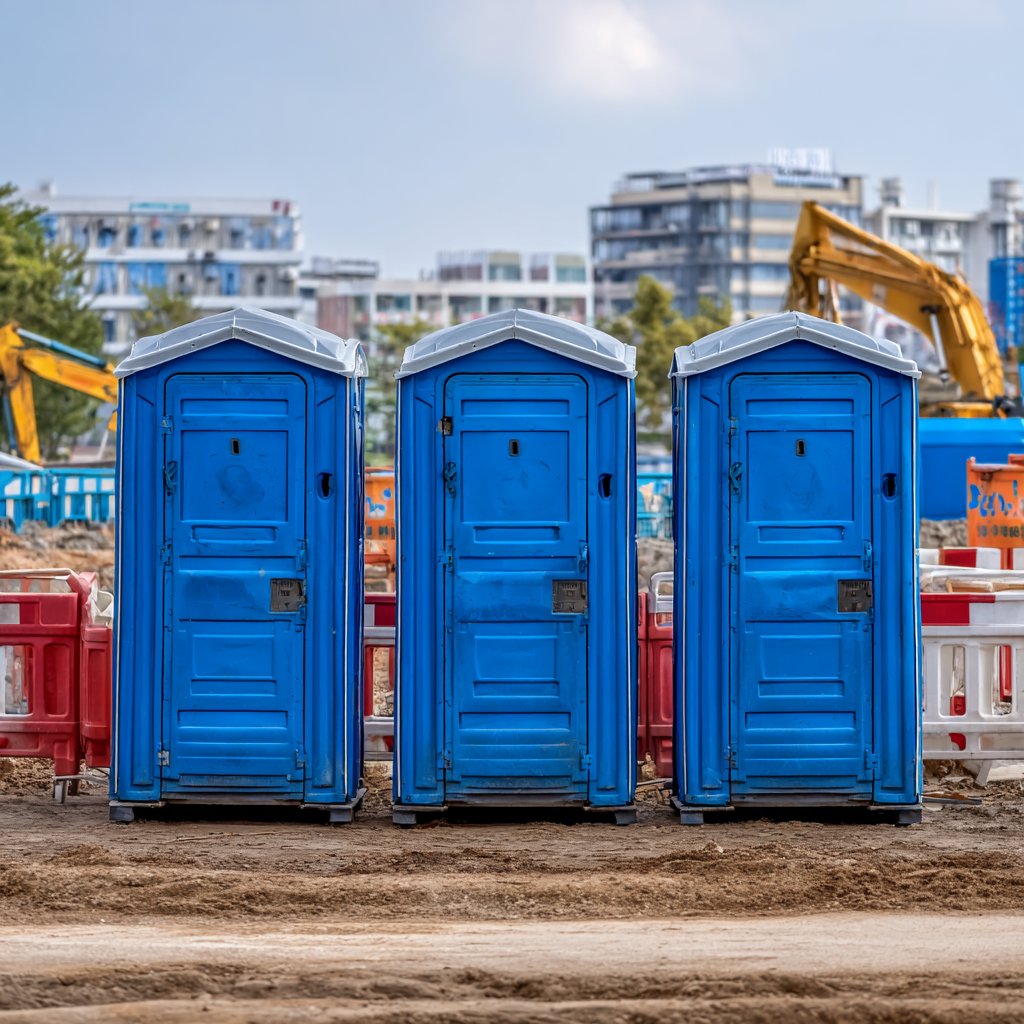
Enhancing Sanitation and Comfort on Your Construction Site
Regular upkeep transforms basic facilities into assets that boost productivity and morale. Think of your sanitation setup as essential equipment that needs consistent attention.
Maintenance and Regular Cleaning Protocols
Weekly cleaning schedules keep your units sanitary and odor-free. Professional service teams handle thorough disinfecting and supply restocking.
They clean all interior surfaces with commercial-grade products. Waste tank pumping and chemical refills maintain proper function.
Hand washing stations provide crucial hygiene support for crews handling materials. Place these near work areas for easy access.
Quality providers work efficiently to minimize site disruption. They maintain detailed records showing compliance with health standards.
Comfort features like ventilation and odor control encourage proper facility use. Functional locks and adequate supplies show workers you care about their wellbeing.
During peak summer activity, consider more frequent service visits. Heat can accelerate odor issues and increase supply usage.
Establish clear reporting for any maintenance needs. Quick response prevents small problems from disrupting your project timeline.
Cost-Saving Strategies for Denver Construction Projects
Strategic financial planning for your sanitation setup can yield significant savings throughout your build. Smart budgeting goes beyond just comparing initial prices.
Understanding flexible terms helps you match costs to your project timeline. Providers often offer better rates for longer commitments.
Flexible Rental Terms for Sites
Look for agreements that adapt to your changing crew size. This prevents paying for unused facilities during different project phases.
Many companies provide scalable options. You can adjust unit counts as your team grows or shrinks.
Budget-Friendly Planning Tips
Request detailed quotes from multiple providers. Focus on total value rather than just the lowest price.
Consider bundling additional rented site services, such as hand-washing stations. Package deals often reduce overall costs.
Book during off-peak seasons for better availability and rates. Planning ahead secures favorable terms.
Right-size your facility needs using the one-unit-per-ten-workers guideline. This ensures adequate comfort without overspending.
Building relationships with reliable providers leads to better service experiences. Long-term partnerships often include priority treatment and preferred pricing.
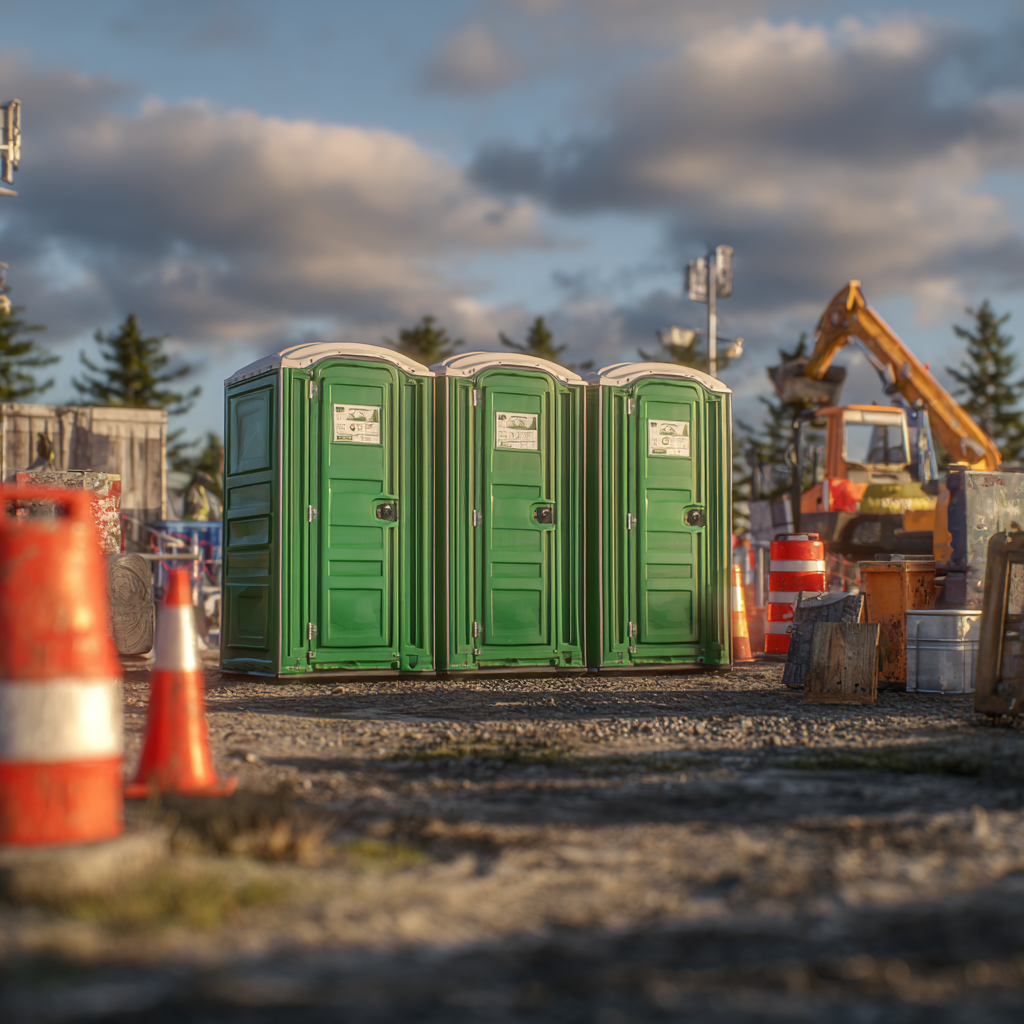
Local Denver Insights and Construction Site Needs
From downtown high-rises to historic district renovations, every Denver area demands specific sanitation solutions. The Mile High City’s diverse neighborhoods present unique challenges that require thoughtful planning.
We understand how local conditions affect your project’s success. Different districts have varying space constraints and community expectations.
Neighborhood Focus Areas
Downtown projects face tight spaces and high visibility. You need professional-grade facilities that maintain urban aesthetics while serving worker needs.
Cherry Creek’s upscale developments often require premium restroom trailers. These match the neighborhood’s character and meet discerning client expectations.
Capitol Hill’s historic renovations need compact, maneuverable units. They must fit tight urban lots without disrupting the area’s charm.
| Denver Area | Space Challenges | Recommended Solution | Special Considerations |
| Downtown | Limited footprint | Standard compact units | High visibility demands |
| Cherry Creek | Upscale environment | Deluxe models | Aesthetic requirements |
| Capitol Hill | Historic district | Easy-move facilities | Neighborhood sensitivity |
| River North | Industrial conversions | Durable standard units | Steady crew demand |
| Highland | Residential boom | Discreet placement | Community relations |
Event-heavy areas like Five Points require careful scheduling. Construction sites must coordinate with festivals and community gatherings.
These occasions bring many guests and people to the neighborhood. Your portable restroom planning should avoid conflicts with local events.
Preparing Your Construction Site for Portable Restrooms
Getting your site ready for portable restrooms involves more than just picking a spot. Thoughtful preparation ensures smooth delivery and optimal functionality throughout your project timeline.
When you rent a dumpster in Denver, Colorado, we recommend these essential steps for proper installation:
- Evaluate your entire layout to identify placement zones that balance worker access with safety considerations
- Clear delivery routes of materials and vehicles to ensure service trucks can reach designated areas
- Level uneven terrain using gravel or boards to create stable foundations for your units
- Position facilities considering privacy sightlines from public areas and neighboring properties
- Coordinate delivery timing with project phases to avoid early placement or late arrival issues
- Establish marked pathways from work areas to prevent workers creating unsafe shortcuts
- Communicate usage protocols to your entire team to maintain sanitary conditions
- Plan for adequate lighting if work extends into early morning or evening hours
- Account for seasonal weather impacts on ground conditions and access routes
Proper preparation transforms basic sanitation into an asset that supports productivity. Your team will appreciate facilities that function reliably from day one.
Remember that weekly maintenance keeps everything running smoothly. Regular service visits prevent small issues from becoming project disruptions.
Your Denver Construction Site Partner
Successfully meeting construction porta potty requirements for Denver, CO comes down to understanding OSHA compliance, selecting appropriate units, and maintaining consistent service schedules. Contact our team to discover how we can help you maintain compliant sanitation facilities that keep your crew productive throughout your project.
If you are looking for Porta Potty Rental for Events in Denver, CO, Click Here
Recent Posts


Follow Us
Have any questions?
+1 844 853 3867
Give us a call today so we can help you find the right waste & sanitation solution for
your project!
Contact Us