
Mon - Sat 7:00 am to 7:00 pm
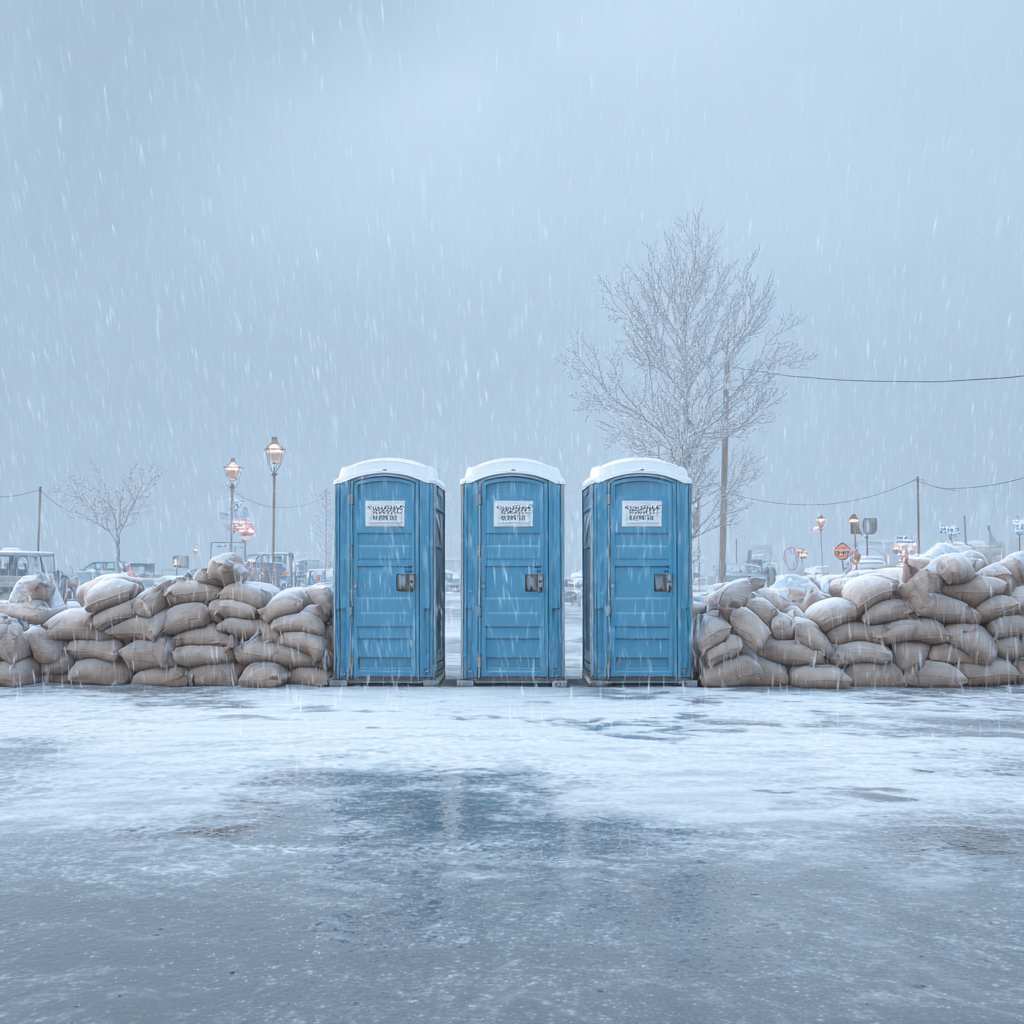
Porta Potty Rentals for Cold Weather Emergencies
Winter disasters on the West Coast create urgent sanitation needs when blizzards, sub-zero mountain temperatures, and coastal high winds strain emergency shelter operations and disaster relief efforts.
Emergency shelter managers, disaster relief coordinators, and government agencies preparing for 2026 winter responses need comprehensive strategies for porta potty rentals for cold weather emergencies that account for West Coast microclimate variations from coastal wind exposure to mountain snow accumulation.
At Prime Dumpster, we’ve created this planning guide to help emergency management professionals understand cold-weather equipment requirements, pre-event coordination protocols, and placement strategies that maintain sanitary conditions when winter disasters strikes.
Fast Facts: Cold Weather Emergencies
“Unlike summer emergencies, where standard portable restrooms suffice, cold-weather events require specialized freeze-proof equipment, aggressive anchoring systems, and rapid-deployment capabilities,” says the Prime Dumpster Pro “You’ll need units that function reliably when temperatures plummet and storm conditions prevent routine service access.”
West Coast Winter Emergencies Require Location-Specific Equipment
The West Coast faces a variety of potentially dangerous weather situations throughout 2026.
Coastal emergency shelters face high winds exceeding 60 mph and salt-air corrosion requiring heavy-duty anchoring, while mountain evacuation sites need freeze-proof tanks and insulation protecting against subzero temperatures and heavy snow accumulation.
Pre-Event Vendor Relationships Reduce Emergency Response Times
Establishing contracts with multiple regional sanitation providers months before winter season ensures priority access to specialized cold-weather equipment and guarantees rapid deployment when disasters strike and conventional service routes become impassable.
Freeze-Proof Equipment Prevents Sanitation System Failures
Insulated units with antifreeze-protected tanks maintain functionality down to 20°F, while reinforced structures withstand heavy snow loads and extreme wind conditions that disable standard portable restrooms during extended emergency operations.
Strategic Pre-Positioning Cuts Deployment Time From Hours to Minutes
Identifying and preparing multiple shelter site locations with documented ground conditions, natural windbreaks, and hard-surface placement areas allows immediate equipment deployment when disasters activate emergency response protocols.
Increased Inspection Frequency Becomes Critical During Active Emergencies
Routine checks every 2-3 hours during storms monitor stability, prevent ice-related hazards, and identify drainage issues before they compromise facility access for vulnerable populations depending on emergency shelter sanitation.
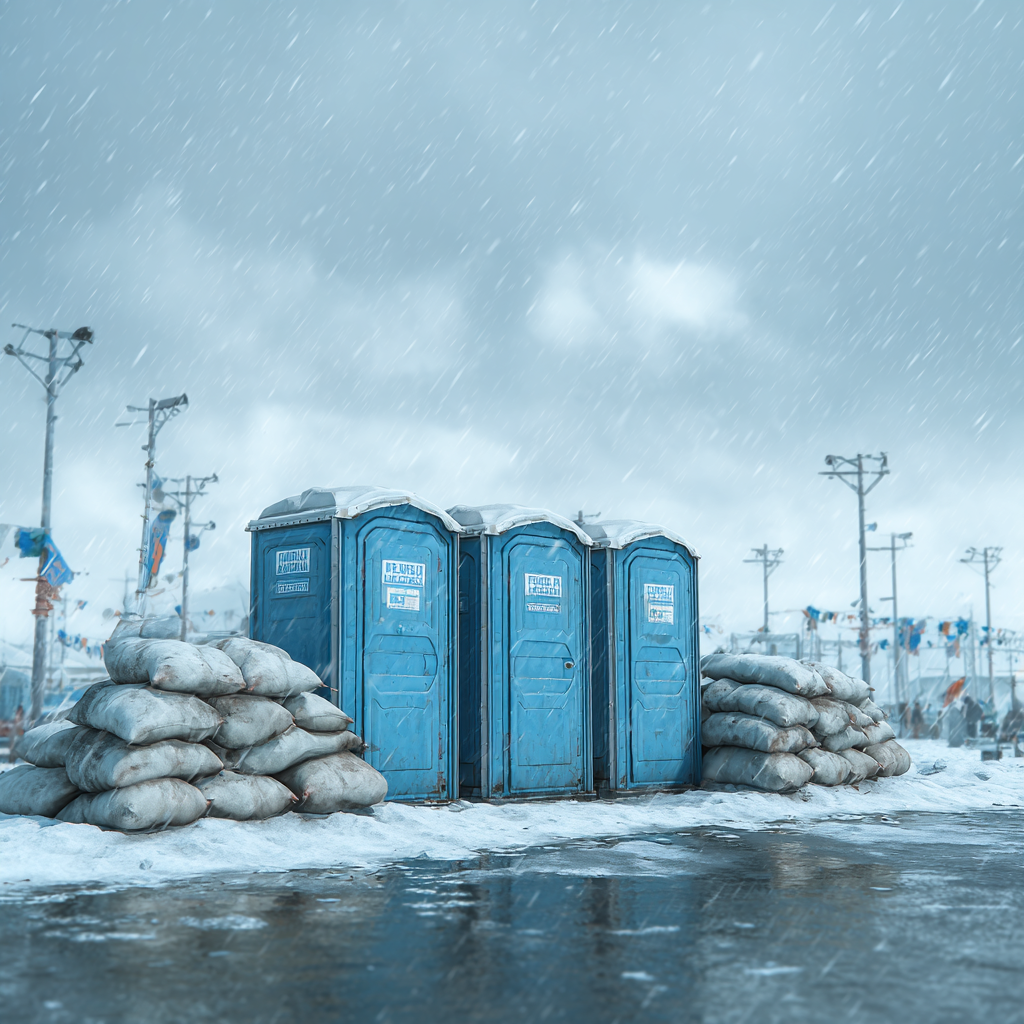
Cold Weather Challenges on the West Coast
Forget what you know about winter in other regions in the US. The West Coast’s version is a complex puzzle of microclimates and sudden storms. You can’t use a standard plan here.
Unique Climate Conditions and Temperature Extremes
The weather changes fast. Coastal zones get wet, windy conditions. Meanwhile, mountain areas face extreme temperature drops and heavy snow.
This creates serious problems for sanitation. Consider these rapid shifts:
- Some sites see 30-40 degree temperature swings in a single day.
- Coastal humidity causes ice to form quickly, creating slip hazards.
- Heavy snow accumulation can block access to facilities almost overnight.
Understanding these local microclimates is your first step to smart placement.
Risks from Blizzards and High Winds
Blizzards bring more than just snow. Reduced visibility makes it hard for service trucks to reach your site. Snow drifts can trap unit doors shut.
High winds are another major threat. Gusts exceeding 60 mph are common in exposed coastal spots and mountain passes. Standard units can tip over in these conditions, causing damage and creating unsafe situations. You need equipment that can stand up to the storm.
Planning for Porta Potty Rentals for Cold Weather Emergencies
The clock is ticking for 2026 – now’s the time to build your cold-weather sanitation game plan. We’ve seen how proper preparation separates successful operations from chaotic ones. Your planning process should start months ahead, not days.
Think of this as building your emergency playbook. You’ll want to consider both physical placement and coordination timelines. Let’s break down the essential components.
Site Assessment and Smart Placement
Walk your potential sites weeks before any expected weather events. Look for natural wind protection near buildings or fences. Identify areas that collect water during rain or snowmelt.
Smart placement strategies make all the difference. Prioritize hard surfaces like concrete or packed gravel. These prevent units from sinking into mud or snow.
- Document ground conditions with photos for future reference
- Map multiple placement options in case primary sites become inaccessible
- Consider plywood base boards for weight distribution on soft ground
During your initial call with your rental provider, try to provide as much detailed information as possible, so they can help you assess the best placement options available to you.
Pre-Event Coordination for 2026 Preparedness
Start building relationships with rental providers now. Understand their emergency response capabilities and equipment inventories. This advance work pays off when conditions deteriorate rapidly.
Coordination between your team and the rental office creates clear chains of command. Establish communication protocols for day-of-event emergencies. Have direct contact numbers ready for urgent weather-related requests.
Remember that delivery logistics change dramatically in winter storms. What normally takes two hours may require eight when roads are snow-covered. Build flexibility into your timeline and have backup delivery windows confirmed.
Essential Equipment and Setup for Cold Weather Conditions
The difference between functional facilities and frozen failures comes down to proper equipment selection. You need specialized components designed specifically for harsh winter operations.
Freeze-Proof Components and Insulated Units
Standard summer equipment won’t cut it when temperatures plummet. Look for units with built-in insulation that maintains interior warmth.
Freeze-proof tanks resist ice formation down to 20°F. Special antifreeze solutions protect waste systems from blockages. These features keep your sanitation equipment operational during extended cold spells.
Insulated construction provides several degrees of temperature buffer. This reduces freeze risks and improves user comfort when people need facilities most.
Secure Anchoring and Reinforced Structures
Winter storms bring high winds that can topple standard units. Professional anchoring systems using ground stakes or weight plates prevent tipping.
Reinforced construction with thicker walls stands up to heavy snow loads. Enhanced door latches withstand gusty conditions better than basic models.
Consider these setup essentials:
- Sandbag weighting (50-100 pounds per unit) for extra wind resistance
- Plywood base boards for even weight distribution on soft ground
- Strategic placement near natural windbreaks like buildings or fences
Proper equipment selection ensures your sanitation solutions work when winter conditions turn severe.
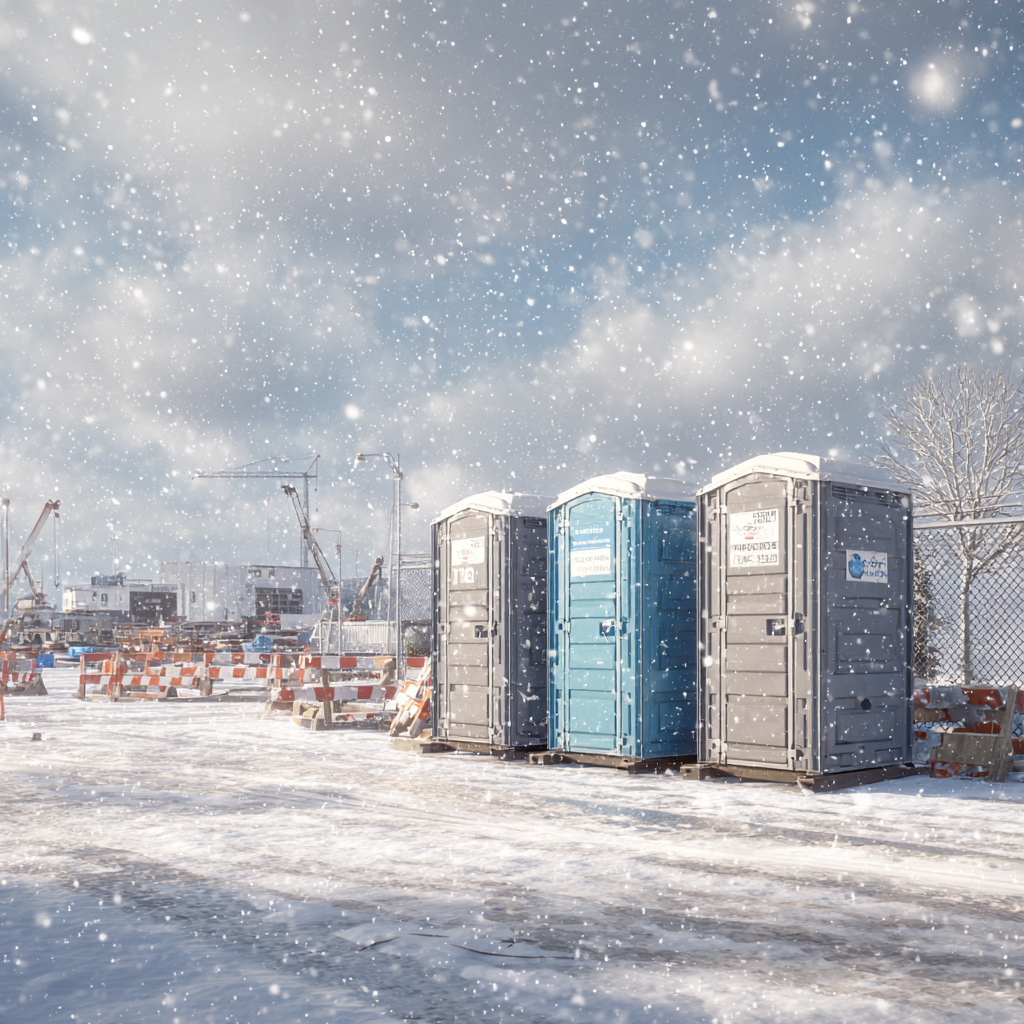
Maintenance and Safety Protocols in Extreme Conditions
Your maintenance team becomes the frontline defense against winter’s assault on outdoor restroom facilities. These protocols keep people safe and systems functioning when conditions turn severe.
Routine Inspections and On-Site Servicing
Increase inspection frequency to every 2-3 hours during active storms. Check each unit for stability issues and interior conditions.
Look for water pooling around bases and clear drainage paths. Monitor tank levels visually since ice can distort readings.
De-icing, Drainage, and Slip Prevention Measures
Spread sand or wood chips around entrances to prevent slips. Create simple drainage channels to direct meltwater away from units.
Extend these measures to pathways between shelters and facilities. People rushing in cold weather often miss icy patches.
Monitoring and Real-Time Adjustments
Be ready to relocate units if wind patterns shift unexpectedly. Add temporary barriers when gusts intensify.
Document any damage with photos for insurance purposes. Have clear criteria for temporarily closing facilities when conditions become too dangerous.
Your team needs proper winter gear, including traction devices. Servicing units during blizzards presents real risks to workers.
Building Your 2026 Cold-Weather Emergency Response
Implementing effective emergency winter porta potty solutions for cold weather requires advance planning that establishes vendor partnerships, documents equipment specifications in contracts, and conducts coordination exercises before disasters strike.
Ready to strengthen your emergency response sanitation capabilities for 2026? Contact our team for expert guidance on emergency winter porta potty solutions for cold weather. We’re ready to help ensure reliable sanitation when West Coast winter disasters create urgent shelter needs and conventional service routes become impassable.
If you are looking for Planning Guide to West Coast Porta Potty Rentals in Winter, Click Here
Recent Posts


Follow Us
Have any questions?
+1 844 853 3867
Give us a call today so we can help you find the right waste & sanitation solution for
your project!
Contact Us