
Mon - Sat 7:00 am to 7:00 pm

Q&A with the Prime Dumpster Pros: Complete Guide to Keeping Porta Potties Warm
The early months of 2026 brings unique portable restroom challenges across construction sites, outdoor events, emergency shelters, and industrial operations where keeping porta potties warm separates successful operations from costly freeze damage and frustrated users.
At Prime Dumpster, we’ve compiled expert answers from our sanitation professionals who coordinate cold-weather solutions nationwide, addressing the most common questions about winterization methods, industry-specific strategies, regional climate challenges, and emergency deployment protocols for early 2026.

Winterization Fundamentals: Preparing Porta Potties for Cold Weather
Proper winterization protects portable restroom investments and prevents the costly freeze damage that occurs when units aren’t prepared for dropping temperatures.
What’s the most important step to take before the first freeze hits?
“Start winterization when forecasts show consistent overnight temperatures approaching freezing, not after you discover frozen units requiring emergency repairs. Rental companies should deliver properly winterized equipment with antifreeze already applied to tanks and winter-grade chemicals that remain effective in cold temperatures, while renters need to help provide wind-protected placement locations that reduce freeze risk naturally.
The biggest mistake is assuming a few cold nights won’t cause problems, then dealing with cracked tanks and week-long outages when ice formation damages equipment that needed proper protection from the start. Early preparation gives everyone time to implement proper safeguards before subfreezing temperatures arrive and create emergency situations.”
How can renters help keep porta potties warm without specialized equipment?
“Simple daily actions make a surprising difference in maintaining warmer porta potties without requiring heaters or technical expertise. Clear snow from around unit bases and entrances every morning to prevent moisture infiltration and ice formation, keep doors firmly closed when units aren’t in use to trap existing heat inside, and position temporary windbreaks using plywood or equipment to deflect cold winds.
Strategic placement in wind-protected locations using existing buildings or barriers as natural windbreaks can raise interior temperatures by five to ten degrees, which often prevents freezing during moderate cold snaps. These basic practices work alongside your rental company’s professional winterization to maintain functionality, but renters should never attempt to add antifreeze or use heating equipment themselves because improper applications damage equipment and void warranties.”
What should I do if my rented porta potty freezes?
“Contact your rental company immediately when you discover frozen units rather than attempting DIY fixes with heaters, hot water, or salt that create fire hazards and equipment damage. Clearly communicate the specific problem you’re seeing—frozen doors, ice visible inside, sluggish mechanisms, or unusual odors—so providers bring appropriate thawing equipment and know whether they need replacement units.
Keep workers and guests away from frozen facilities until professionals assess safety and functionality, because forcing frozen doors can snap brittle metal components and create injuries.”
Who is responsible for winterizing porta potties – the renter or the rental company?
“Winterization is a shared responsibility with clear divisions between what rental companies handle and what site teams manage daily. Rental companies deliver properly winterized units with antifreeze applied to tanks, install insulation or heating systems based on regional climate needs, provide winter-grade chemicals that function in cold temperatures, and respond to freeze emergencies with professional thawing equipment.
Renters take responsibility for strategic placement in wind-protected areas, daily snow clearing from around bases and entrances, monitoring for early freeze warning signs like frost or sluggish doors, and reporting problems immediately before minor issues escalate.”
Winter Porta Potty Strategies for Different Event Types
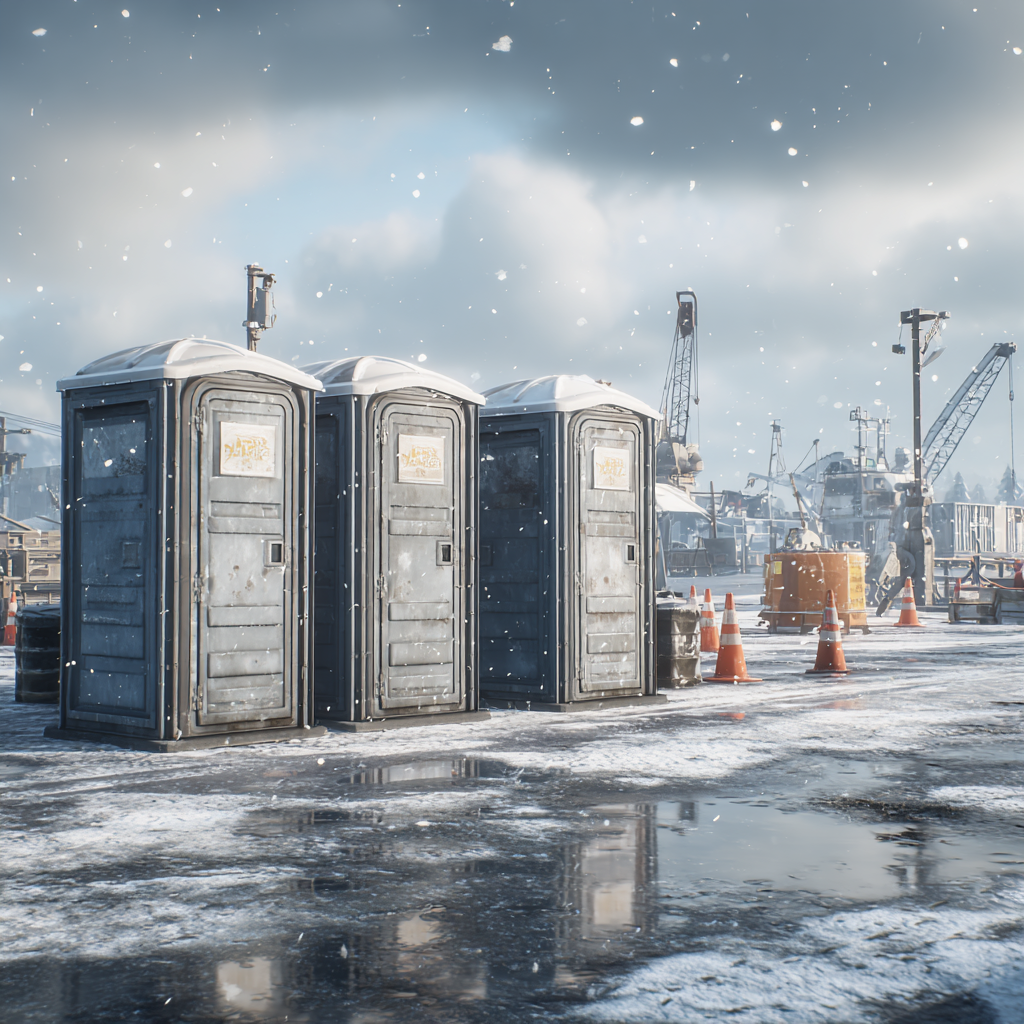
Different industries and event types require tailored approaches to cold-weather portable restroom management that address specific operational challenges and user needs.
What winterization strategies work best for construction sites operating through winter months?
“Construction sites need aggressive winterization from day one. Heated units or heavy insulation with twice-weekly service should be your baseline. Position units near work zones but away from equipment paths, and check every morning for ice buildup before crews arrive.
OSHA requires functional facilities regardless of the weather. Establish backup plans with your rental company guaranteeing four-hour emergency response. Long-term projects spanning multiple months benefit from monthly contracts that include increased service and stronger antifreeze than you’d use for occasional cold snaps.”
How should event planners approach porta potty rentals for winter festivals and outdoor celebrations?
“Winter events need heated trailers or climate-controlled units instead of standard portable toilets. Guests spending hours outdoors expect warm, comfortable facilities. Book winterized equipment 10 to 12 weeks ahead for popular winter weekends because heated trailers disappear fast during holiday season.”
What special considerations apply to porta potty rentals for winter sporting events?
“Winter sporting events need warm restroom facilities as a critical comfort feature, not just functional boxes. Guests are already cold from watching games outdoors for hours. Position heated units near spectator areas and concession stands, keep pathways clear of ice throughout competitions, and plan for mid-event restocking because cold weather plus hot beverage sales drives usage way higher than summer sports.”
How do emergency shelter operations handle portable restroom needs during winter disasters?
“Emergency shelters need pre-positioned freeze-proof equipment and vendor relationships established before disasters hit. When winter storms close roads, you can’t wait days for equipment to arrive. Inspect units every two to three hours during active emergencies, maintain direct lines to rental providers, and have backup plans ready because winter disasters stretch longer than summer ones when roads stay blocked and temperatures prevent normal service.”
Regional Winter Porta Potty Planning Across the United States
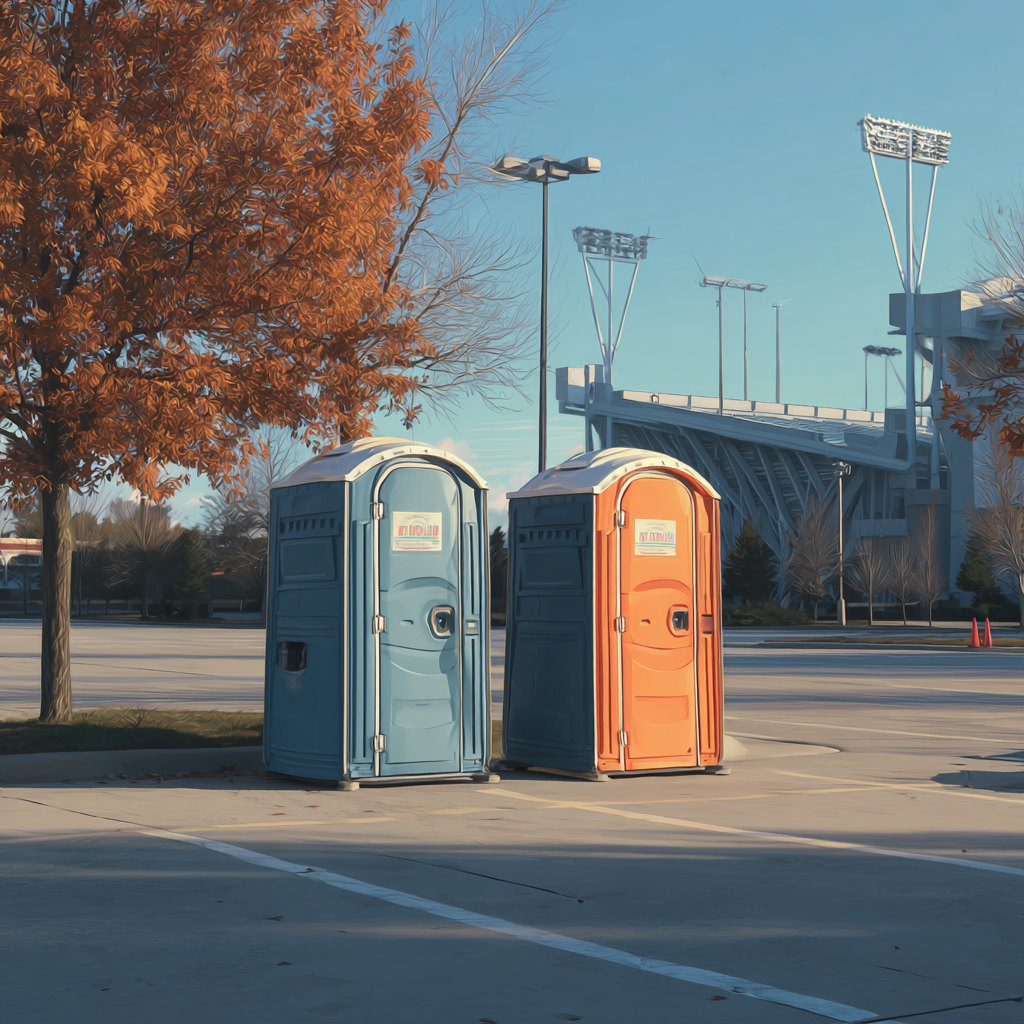
Geographic location dramatically affects winterization requirements, with coastal, inland, and mountain regions demanding different equipment and preparation strategies.
What makes Midwest winter porta potty planning different from other regions?
“Midwest winters bring sustained subzero temperatures that coastal regions never see. Standard winterization fails when temps stay below 10 degrees for two straight weeks without any natural thawing. You need heated units or aggressive insulation as your baseline, not as an upgrade.
Heavy snowfall measured in feet buries entrances and blocks ventilation overnight. Daily snow clearing becomes mandatory, not occasional. Strong prairie winds create wind chill that accelerates heat loss even when air temps hover near zero, so windbreaks aren’t optional extras.”
How do West Coast winter conditions affect portable restroom strategies?
“West Coast planning fails when you treat the entire region the same way. Coastal areas need wind protection and corrosion-resistant hardware for salt air, while mountain elevations require genuine cold-weather equipment matching Midwest approaches. Inland valleys see moderate temps with occasional overnight freezing, so basic antifreeze usually works fine without heated units.”
What unique challenges do East Coast winter weather patterns create for porta potty rentals?
“East Coast winters bring rapidly changing conditions that make consistent planning tough. Nor’easters dump heavy snow within hours, creating access problems for service trucks and burying unit entrances fast. Flexible service schedules that adapt to storm forecasts become essential.
Temperature swings between moderate conditions and hard freezes happen throughout winter months. You can’t just winterize once and forget about it. Maintain alcohol-based sanitizers that work at lower temps, keep pathways clear with regular de-icing, and watch forecasts closely for sudden cold snaps requiring emergency responses.”
Emergency Relief Sanitation in Winter Conditions
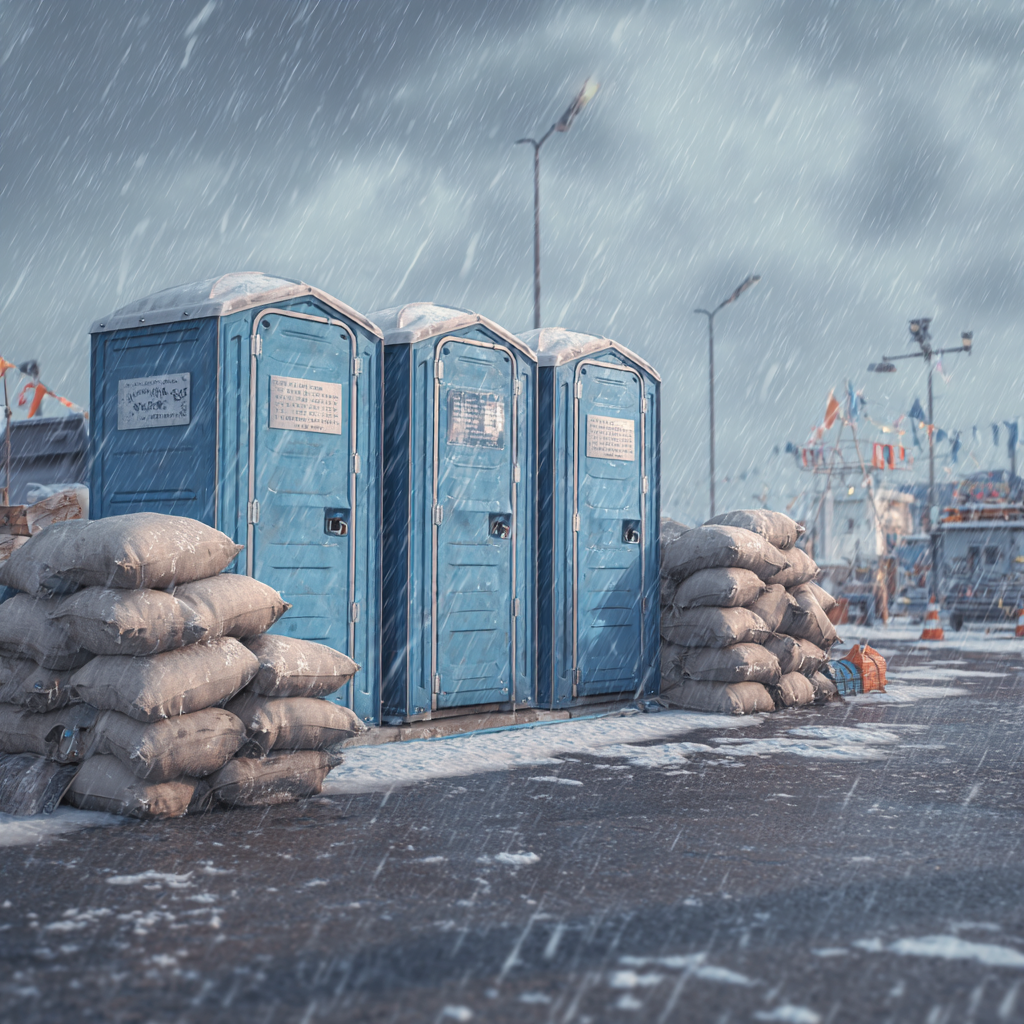
Disaster response operations require rapid-deployment sanitation that functions reliably when winter weather creates urgent shelter needs and conventional service becomes impossible.
How quickly can emergency porta potties be deployed during winter disasters?
“Pre-positioned equipment deployed within minutes beats waiting hours or days for deliveries during active disasters. Smart emergency managers establish vendor relationships months ahead and identify strategic pre-positioning locations before winter storm season hits. When disasters activate shelter operations, you’re calling providers who already know your sites and have equipment staged nearby.
Without pre-positioning, expect deployment times stretching from two hours to multiple days depending on road conditions and storm severity. Winter storms that close highways turn normal deliveries into impossible tasks. Build relationships with multiple regional providers now so you’re not scrambling when blizzards hit and everyone suddenly needs equipment simultaneously.”
What specialized equipment do emergency relief operations need for cold-weather sanitation?
“Emergency relief needs freeze-proof tanks protecting down to at least zero degrees, reinforced anchoring systems withstanding high winds, and self-contained units operating without utility hookups. Heated models become critical for shelters housing vulnerable populations during extended winter emergencies. Specify these requirements in advance contracts so providers understand you need winter-rated equipment ready for immediate deployment, not standard summer units that fail when temperatures plummet.”
How do emergency management teams coordinate porta potty services when winter storms disrupt normal operations?
“Establish direct communication channels with designated provider contacts before disasters strike. Cell phones and backup radio systems keep coordination flowing when standard channels get overwhelmed. Designate specific team members responsible for sanitation coordination so everyone knows who’s handling urgent equipment requests during chaotic emergency responses.”
Planning Your Winter Porta Potty Success for 2026
Successfully keeping porta potties warm throughout early 2026 requires understanding winterization fundamentals, implementing industry-specific strategies, adapting to regional climate variations, and preparing emergency response protocols before disasters strike.
Ready to implement comprehensive cold-weather sanitation strategies for your 2026 operations? Contact our team for expert guidance on keeping porta potties warm across construction sites, events, emergency operations, and industrial facilities. We’re ready with winterized equipment options, region-specific preparation recommendations, and responsive service that maintains functionality regardless of how cold conditions become.
If you are looking for Porta Potty Water Splashed Me! What Do I Do?, Click Here
Recent Posts


Follow Us
Have any questions?
+1 844 853 3867
Give us a call today so we can help you find the right waste & sanitation solution for
your project!
Contact Us