
Mon - Sat 7:00 am to 7:00 pm

Regional Porta Potty Planning for Winter
Winter porta potty management isn’t one-size-fits-all, with coastal California’s wind challenges requiring completely different strategies than Minnesota’s subzero temperatures or Georgia’s occasional hard freezes. What works perfectly for Midwest construction sites operating in sustained cold fails at East Coast events facing rapidly changing nor’easters. Location-specific approaches are essential rather than optional.
Whether you’re managing year-round construction projects, coordinating winter events, or overseeing emergency shelter operations, effective regional porta potty planning for winter separates smooth operations from frozen equipment failures.
At Prime Dumpster, we’ve created this comprehensive guide to help contractors, event organizers, and facility managers understand region-specific freeze risks and implement location-tailored protection strategies that work from Pacific winds to Atlantic storms.
Fast Facts: Regional Porta Potty Planning for Winter
“Winter porta potty management fails when companies apply the same strategies everywhere, because coastal California’s persistent winds demand completely different solutions than Montana’s subzero temperatures or Georgia’s brief but intense freeze events. Successful regional planning starts with understanding your specific climate challenges and matching winterization tactics to local weather patterns rather than using generic approaches that work nowhere particularly well,” says the Prime Dumpster Pro.
Here’s how winter weather impacts porta potties across different U.S. regions and the strategies that keep facilities functional in each climate zone.
West Coast
Areas along the West Coast face persistent winds and moderate temperatures that rarely drop to extreme lows but create wind chill effects that accelerate heat loss. Rain and moisture exposure combine with wind to create damp conditions that affect door seals and ventilation systems.
Insulated wraps and strategic windbreaks using buildings or temporary barriers provide primary protection against coastal weather challenges. Position units in sheltered locations away from direct wind exposure while maintaining accessibility for service vehicles and users.
Mountain West
High-elevation areas and inland mountain regions experience genuinely cold temperatures with intense sun exposure during short winter days. Overnight lows plunge well below freezing while daytime sun can temporarily warm surfaces, creating repeated freeze-thaw cycles.
Strategic placement against south-facing walls captures maximum sunlight to moderate temperature swings naturally. Aggressive antifreeze protocols with higher concentrations than coastal areas prevent tank freezing during sustained cold periods.
South
Southern states enjoy generally mild winters but face occasional hard freezes that catch unprepared operations off guard. Brief cold snaps lasting 24 to 48 hours can damage equipment designed for warm-weather use without basic winterization.
Basic antifreeze protocols and weather monitoring provide adequate protection for most southern winter conditions. Emergency response plans activated during rare freeze warnings prevent damage during unexpected temperature drops.
Midwest
Subzero temperatures and heavy snowfall create the harshest winter conditions for portable sanitation equipment in the continental United States. Sustained cold periods lasting weeks combine with wind and snow to test every aspect of equipment durability and service reliability.
Heated units or aggressive insulation with daily inspections become essential rather than optional for Midwest winter operations. Twice-weekly service frequency replaces standard schedules while emergency response relationships guarantee rapid assistance during equipment failures.
East Coast
Rapidly changing weather patterns from nor’easters dump heavy snow and create dangerous icing within hours of storm arrival. Variable temperatures swing between moderate conditions and hard freezes throughout winter months, making consistent protocols difficult.
Flexible service schedules that adapt to storm forecasts combined with pathway maintenance prevent access issues during rapid weather changes. Alcohol-based sanitizers replace standard products to maintain functionality during unexpected temperature drops.
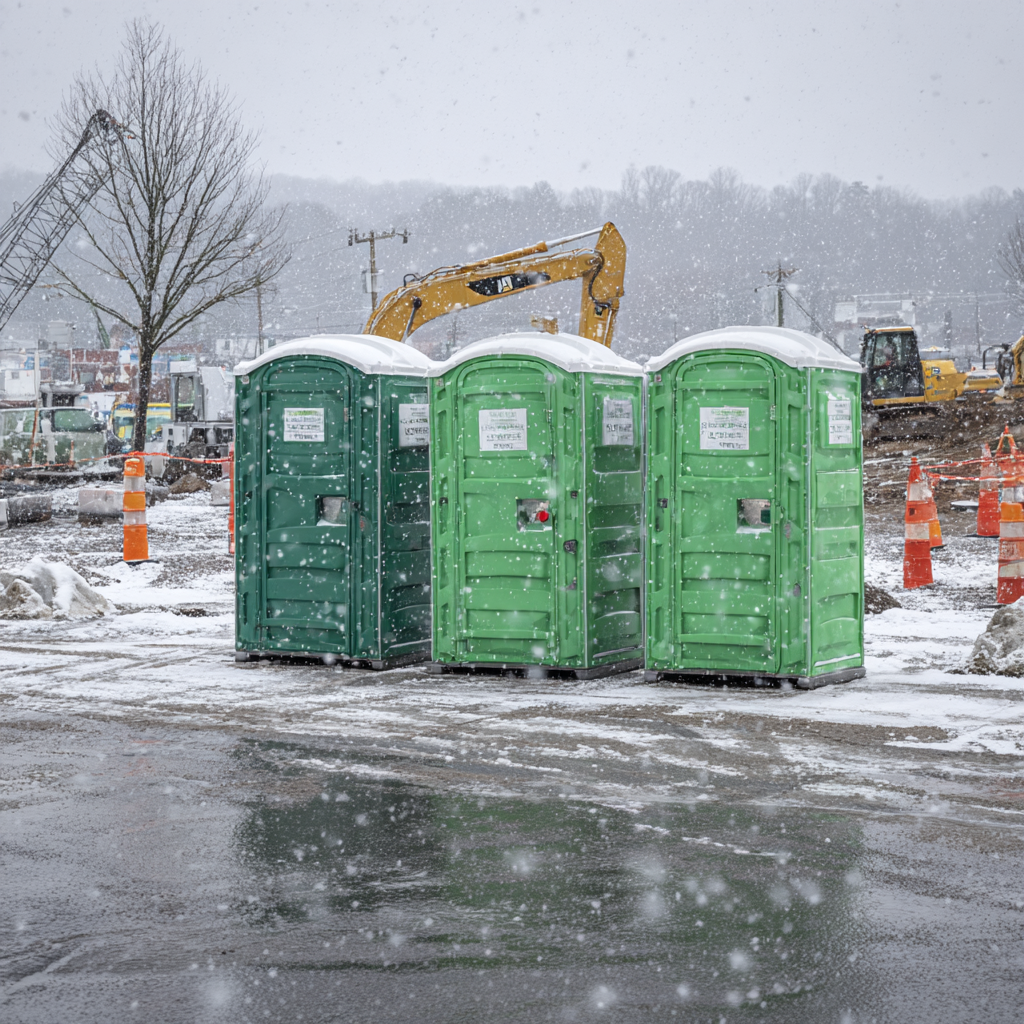
Winter Challenges for Porta Potties
When the mercury plummets, your sanitation equipment faces a unique set of tests. The issues are universal, whether you’re in Maine or Montana. Grasping these core problems is the first step toward crafting an effective cold-weather strategy.
Let’s break down the two biggest hurdles you’ll encounter and the practical steps to overcome them.
Effects of Freezing Temperatures and the Need for Antifreeze
The most immediate threat is, of course, freezing. Liquid inside holding tanks solidifies into a block of ice. This makes units unusable and can even crack plastic components.
Your best defense is a non-toxic antifreeze solution. Think RV-grade or marine-grade products.
- Antifreeze lowers the freezing point of liquid waste, preventing solid blocks from forming.
- For best results, mix it with a small amount of water and blue deodorizer. This combo fights odors while protecting tanks
This simple step keeps your units functional and accessible, even when temperatures plunge.
Maintaining Functionality with Increased Servicing Frequency
Cold weather changes everything about your service schedule. Chemical treatments lose their effectiveness much faster.
Increased pumping and restocking become non-negotiable.
- Frequent waste removal minimizes the volume of liquid that can freeze, reducing risk significantly.
- Plan on more frequent restocking of toilet paper, deodorizers, and hand sanitizer to maintain hygiene.
- Adjust your service schedules accordingly. What worked in summer won’t cut it during the colder months.
Mastering these fundamentals prepares you for the location-specific tips we’ll cover next.
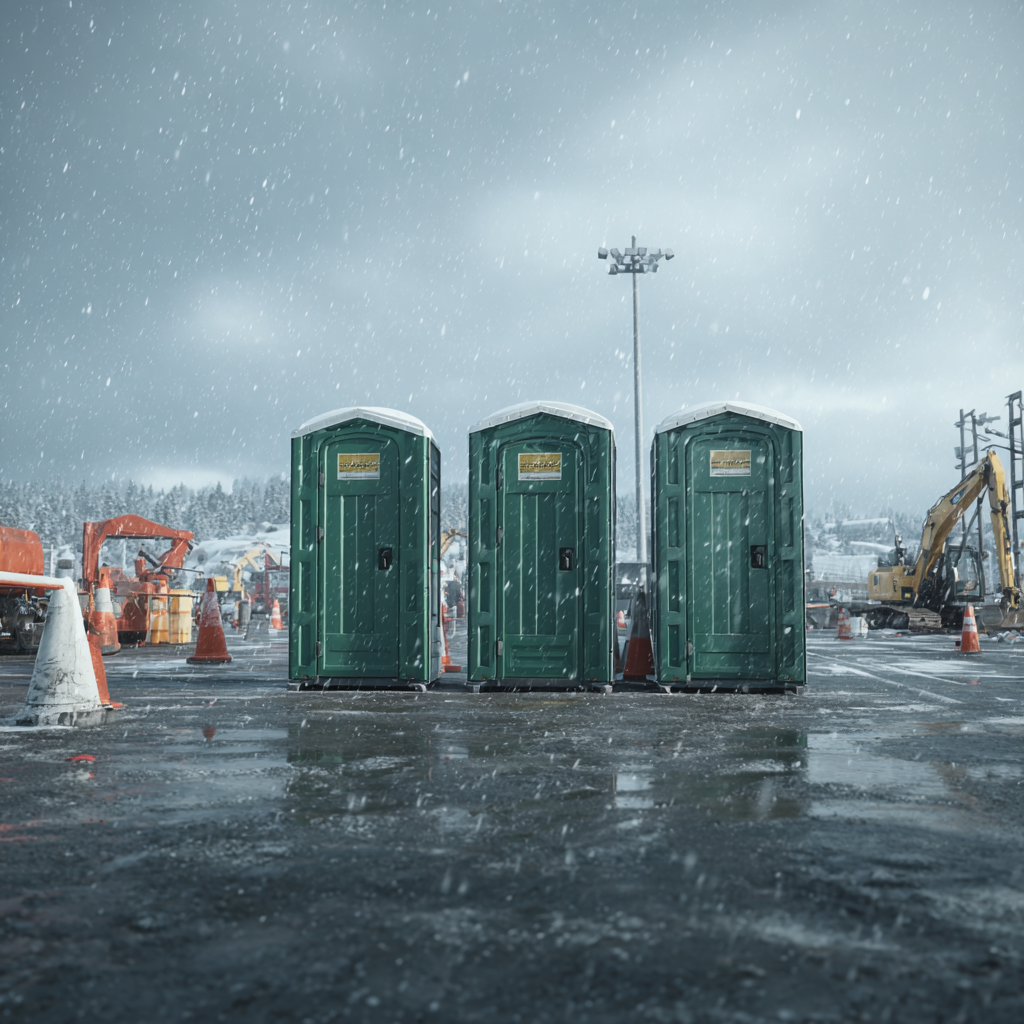
Regional Porta Potty Planning for Winter: West Strategies
The western U.S. presents a tale of two winters for site managers and event planners. Coastal breezes meet mountain chills, requiring distinct approaches for your sanitation units.
Let’s break down the best practices for keeping your portable toilets functional from the Pacific to the Rockies.
West Coast Insights – Insulation and Wind Protection
Along the coast, you battle persistent winds more than deep freezes. Your main defense? Smart insulation and wind blocks.
Foam panels or insulated wraps help trap existing heat inside your units. This simple step fights the wind chill that makes conditions feel much colder.
Position these portable toilets near buildings or natural barriers. Temporary windbreaks made from plywood or construction barriers also work wonders.
This strategy protects units at construction sites and outdoor events from coastal weather challenges.
Inland West Tactics – Strategic Placement and Rapid Servicing
Mountain and high-desert areas face genuinely cold temperatures. Here, placement becomes your best friend.
Set units against south-facing walls to capture maximum sunlight during short winter days. Avoid low-lying areas where cold air settles overnight.
Rapid servicing response is critical when unexpected cold snaps hit. Work with providers who guarantee quick emergency service.
Event organizers should schedule extra visits to prevent freezing during multi-day gatherings. These steps ensure functionality in harsh inland conditions.
Midwest Considerations for Winter Porta Potty Use
Midwest winters don’t just arrive—they make a dramatic entrance with subzero temperatures and heavy snowfall. These extreme conditions test every aspect of portable sanitation management.
Construction sites and event venues face unique challenges when the mercury drops. Your strategy needs to be bulletproof against the region’s harsh reality.
Adapting to Severe Cold and Snow Conditions
Morning inspections become non-negotiable in these freezing conditions. Check door mechanisms for ice buildup before crews arrive.
Look for sluggish latches and snow-blocked ventilation vents. Clear pathways to prevent dangerous interior ice formation.
Keep these supplies ready for emergency deployment:
- Portable heaters and thermal blankets for rapid response
- De-icing materials for immediate treatment
- Extra antifreeze for tank protection
Tank management requires aggressive antifreeze protocols. Use higher concentrations than milder regions need.
Regular structural inspections identify weak points before they fail completely. Event organizers should consider heated units for winter festivals.
The comfort difference dramatically improves user experience while reducing freeze-related problems in severe winter conditions.
East Coast and Southern Approaches for Cold-Weather Units
Managing sanitation units along the Atlantic seaboard requires a different playbook than what works in Southern states. Each region brings unique weather patterns that test your equipment in distinct ways.
East Coast Challenges – Snow, Ice, and Exposure Concerns
East Coast locations face rapidly changing conditions. Sudden nor’easters can dump heavy snow and create dangerous icing within hours.
Pathway safety becomes critical during these weather events. Spread gravel or sand around unit bases to prevent slips. Clear access routes regularly as snow accumulates.
Hand hygiene products need special attention. Switch to alcohol-based sanitizers that work at lower temperatures. This keeps dispensers functional when mercury drops unexpectedly.
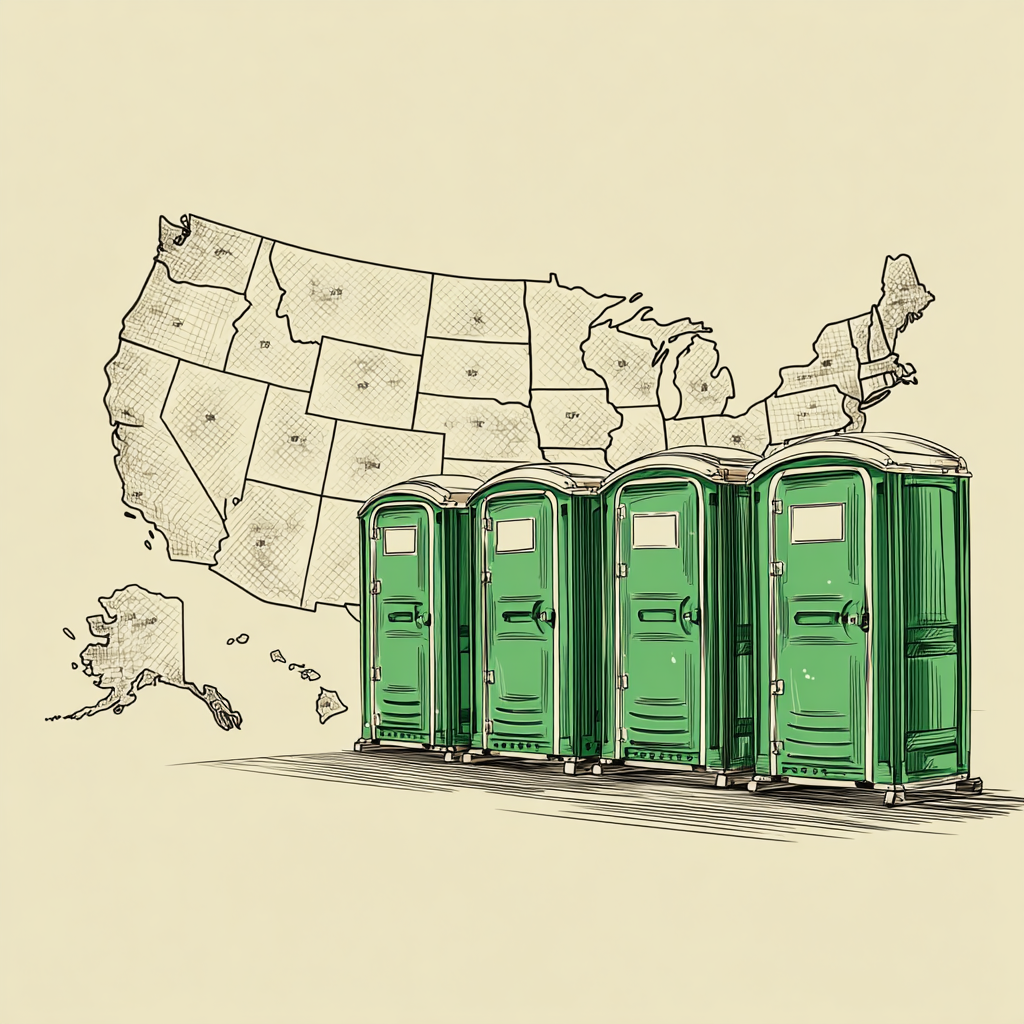
Southern Strategies – Balancing Mild Winters with Preparedness
Southern areas enjoy generally mild conditions. But occasional hard freezes can catch operations off guard.
Maintain basic antifreeze protocols even though aggressive measures aren’t usually needed. Have emergency procedures ready for those rare cold snaps.
Event organizers can typically use standard portable restrooms. Just monitor extended forecasts and have backup plans for multi-day cold periods.
| Challenge | East Coast Approach | Southern Approach |
| Weather Patterns | Prepare for rapid changes and heavy snow | Monitor for occasional hard freezes |
| Pathway Safety | Regular clearing with gravel/sand base | Basic maintenance with occasional attention |
| Hand Hygiene | Alcohol-based sanitizers for low temps | Standard products with freeze monitoring |
| Service Scheduling | Flexible schedules for storm response | Standard schedules with weather alerts |
| Emergency Prep | Full winterization protocols | Basic antifreeze and backup plans |
Application Tactics for Construction, Events, and Emergency Shelters
Your sanitation needs shift dramatically depending on the venue. A construction crew’s requirements differ greatly from those of festival attendees. We will break down the specific measures needed for each scenario.
Focus on safety, user comfort, and consistent service. These elements keep your operations running smoothly.
Construction Site Adjustments – Windbreaks, Inspections, and Safety
Construction sites demand the most robust approach. Worker access to sanitation is non-negotiable, regardless of conditions.
Install temporary windbreaks around your units. Position them in sheltered areas away from open exposure. This simple step reduces environmental stress.
Conduct daily inspections. Check door mechanisms and latches for ice. Look for cracks in plastic components. Catching problems early prevents safety hazards.
Never use propane heaters or open flames inside these restrooms. The fire and carbon monoxide risks are extreme. Also, avoid rock salt for de-icing, as it damages plastic materials.
Event and Festival Solutions – Ensuring Comfort and Hygiene
Events require a focus on user experience. Attendees have higher expectations for comfort and hygiene.
Heated portable toilets are a great investment for upscale events. They dramatically improve guest satisfaction. For budget-conscious organizers, thermal seat covers offer a noticeable comfort boost.
Insulated vent covers help balance airflow while reducing heat loss. Regular cleaning and deodorizing are essential for maintaining a positive user experience.
| Application Type | Primary Focus | Essential Measures |
| Construction Sites | Safety & Reliability | Windbreaks, daily inspections, strict safety protocols |
| Events & Festivals | User Comfort & Hygiene | Heated units, thermal seats, frequent cleaning |
| Emergency Shelters | Dependable Function | Aggressive antifreeze, frequent maintenance service |
For emergency shelters and 24-hour industrial locations, reliability is everything. Establish relationships with service providers who guarantee rapid response. This ensures sanitation access is never interrupted by weather-related failures.
Mastering Regional Winter Porta Potty Success
Successful regional porta potty planning for winter requires matching protection strategies to your specific climate zone, from coastal wind barriers and mountain sun exposure to Midwest emergency protocols and Southern freeze monitoring. Location-specific approaches combined with universal fundamentals like antifreeze protocols, increased service frequency, and strategic placement deliver reliable facilities regardless of regional weather patterns.
Ready to implement winter strategies tailored to your specific region? Contact our team to discuss location-specific winterization approaches, climate-appropriate equipment options, and customized service schedules that keep your construction sites, events, and facilities operating smoothly through winter conditions unique to your area.
If you are looking for PD Quick Guide: My Rented Porta Potty is Frozen! What Do I Do?, Click Here
Recent Posts


Follow Us
Have any questions?
+1 844 853 3867
Give us a call today so we can help you find the right waste & sanitation solution for
your project!
Contact Us