
Mon - Sat 7:00 am to 7:00 pm
PD Quick Guide: My Rented Porta Potty is Frozen! What Do I Do?
Discovering frozen or cold-damaged porta potties on your site creates immediate concerns about worker access, OSHA compliance, and operational delays that affect productivity. Knowing how different winter weather conditions damage portable restrooms and the appropriate response steps helps site teams coordinate rapid solutions while avoiding actions that worsen equipment damage or create safety hazards.
At Prime Dumpster, we’ve responded to countless emergency calls when cold weather impacts rented facilities, and we understand the urgent concerns construction managers, event coordinators, and site supervisors face when their rented porta potty is frozen or otherwise compromised. Our quick guide explains common cold-weather problems affecting portable restrooms and the response strategies that restore functionality quickly and safely.
Let’s Ask the Expert!
“When your rented porta potty is frozen, the worst thing you can do is try DIY fixes with heaters, salt, or hot water. They create safety hazards and void equipment warranties,” says the Prime Dumpster Pro.
“Instead, contact your rental company immediately because we have specialized thawing equipment, replacement units, and the training to safely restore frozen facilities.”
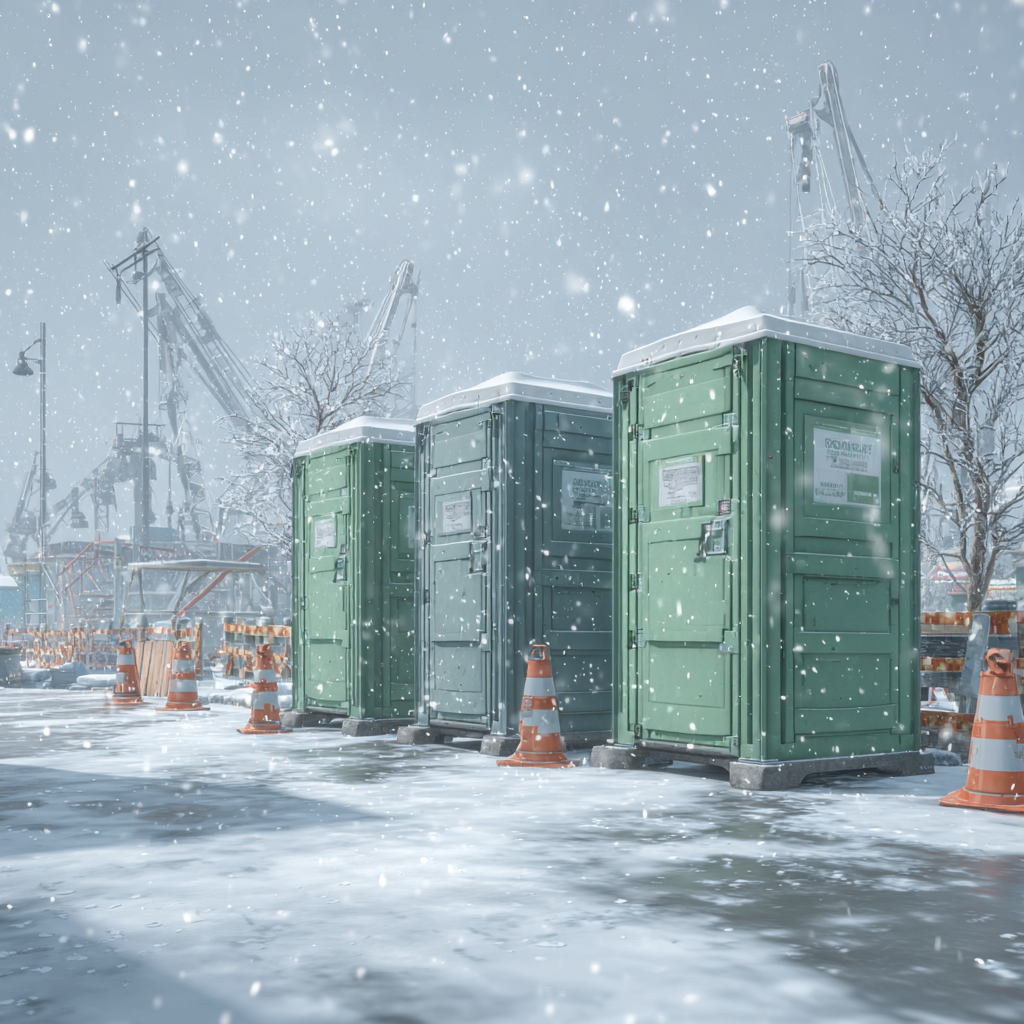
Common Cold Weather Problems and Solutions
Winter weather creates distinct challenges for portable restrooms, requiring an understanding of the specific problem before implementing the appropriate winterization solutions.
Freezing Temperatures
Sustained cold below 32 degrees can cause waste and water inside tanks to solidify into ice blocks, making toilets completely unusable, and cracking plastic tanks if expansion occurs. Ice formation also freezes door mechanisms, making units impossible to open safely, and neutralizes chemical treatments that normally control odors and break down waste.
Professional thawing with specialized heating equipment safely melts frozen contents without damaging plastic components, followed by proper antifreeze application and, if freeze damage has compromised structural integrity, possible unit replacement. Increased service frequency and stronger winterization prevent recurrence once frozen units are restored to operation.
Heavy Snow
Deep snow accumulation buries porta potty entrances, blocks ventilation systems, and creates weight loads on roofs that standard units aren’t designed to support long-term. Snow also insulates units in ways that trap interior moisture, creating condensation that freezes on surfaces and contributes to overall cold damage.
Snow removal from around bases, entrances, and roof surfaces restores access and reduces moisture problems, while checking that ventilation remains clear prevents dangerous gas buildup inside units. Sites experiencing regular heavy snowfall benefit from elevated platform placement or more frequent clearing schedules that prevent accumulation from reaching problematic levels.
Cold Wind
Strong winds create wind chill effects that accelerate heat loss from porta potty interiors even when air temperatures hover just above freezing. Wind also infiltrates through door seals and ventilation systems, creating drafts that make facilities uncomfortable and speed up the cooling of waste tanks toward freezing points.
Windbreak installation using temporary barriers, equipment positioning, or structural placement dramatically reduces wind impact without blocking necessary ventilation or access routes. Units in extremely wind-exposed locations may require relocation to more sheltered areas where natural barriers provide protection without ongoing maintenance demands.
Wet and Heavy Rain
Freezing rain creates ice coatings on door handles, latches, and walkways that make porta potties dangerous to access and can snap brittle metal components when forced. Rain also saturates ground around units, creating muddy conditions that destabilize placement and make service vehicle access difficult or impossible during critical maintenance periods.
De-icing door mechanisms with appropriate products restores safe access, while gravel, plywood platforms, or other ground stabilization prevents units from sinking and maintains firm pathways for both users and service trucks. Sites prone to freezing rain benefit from covered walkway approaches and more frequent door mechanism checks that catch ice formation before it becomes hazardous.
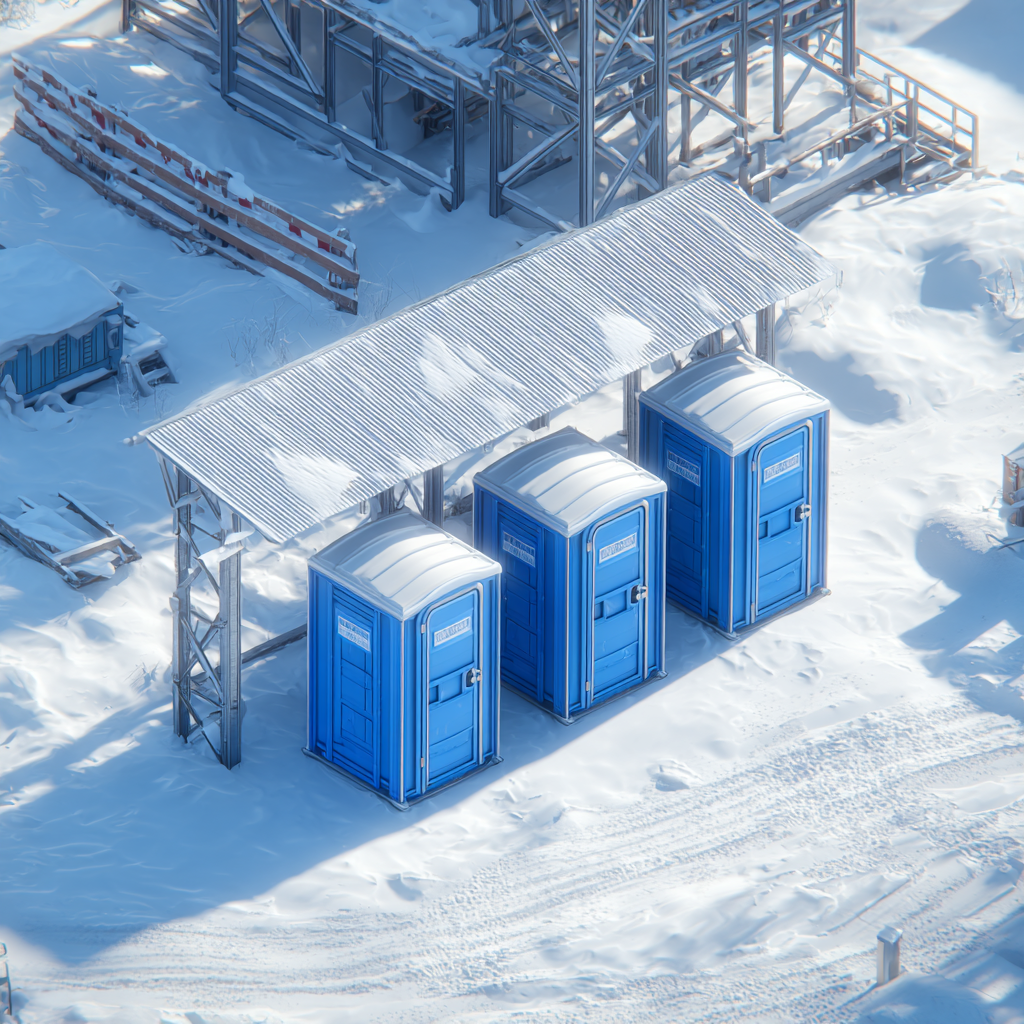
Do’s and Don’ts When Your Porta Potty Freezes
Appropriate response or dangerous actions protect people and equipment when cold weather creates porta potty problems.
What Renters Should Do:
- Contact your rental company immediately when you discover frozen units or freeze damage
- Clearly communicate the specific problem (frozen doors, ice inside, cracked components) to help providers bring appropriate equipment
- Keep workers and guests away from frozen units until professionals assess safety and functionality
- Document the freeze event with photos and notes for rental company records and potential insurance claims
What Rental Companies Handle:
- Professional thawing using specialized heating equipment designed for portable restroom applications
- Damage assessment and unit replacement when freeze events compromise structural integrity or tank function
- Proper antifreeze application and winterization adjustments to prevent recurrence after restoration
- Emergency response coordination, including expedited delivery of replacement units when repairs aren’t immediately possible
Emergency Response for Frozen Porta Potties
Professional emergency response with specialized thawing equipment, replacement unit coordination, and proper winterization adjustments restores functionality quickly while protecting both workers and equipment.
Contact our team immediately when your rented porta potty is frozen or experiencing cold-weather problems, with emergency response teams available to assess damage, coordinate thawing or replacement, and implement stronger winterization that prevents future freeze events throughout remaining winter months.
If you are looking for PD Quick Guide: How to Keep Porta Potties Warm, Click Here
Recent Posts


Follow Us
Have any questions?
+1 844 853 3867
Give us a call today so we can help you find the right waste & sanitation solution for
your project!
Contact Us