
Mon - Sat 7:00 am to 7:00 pm
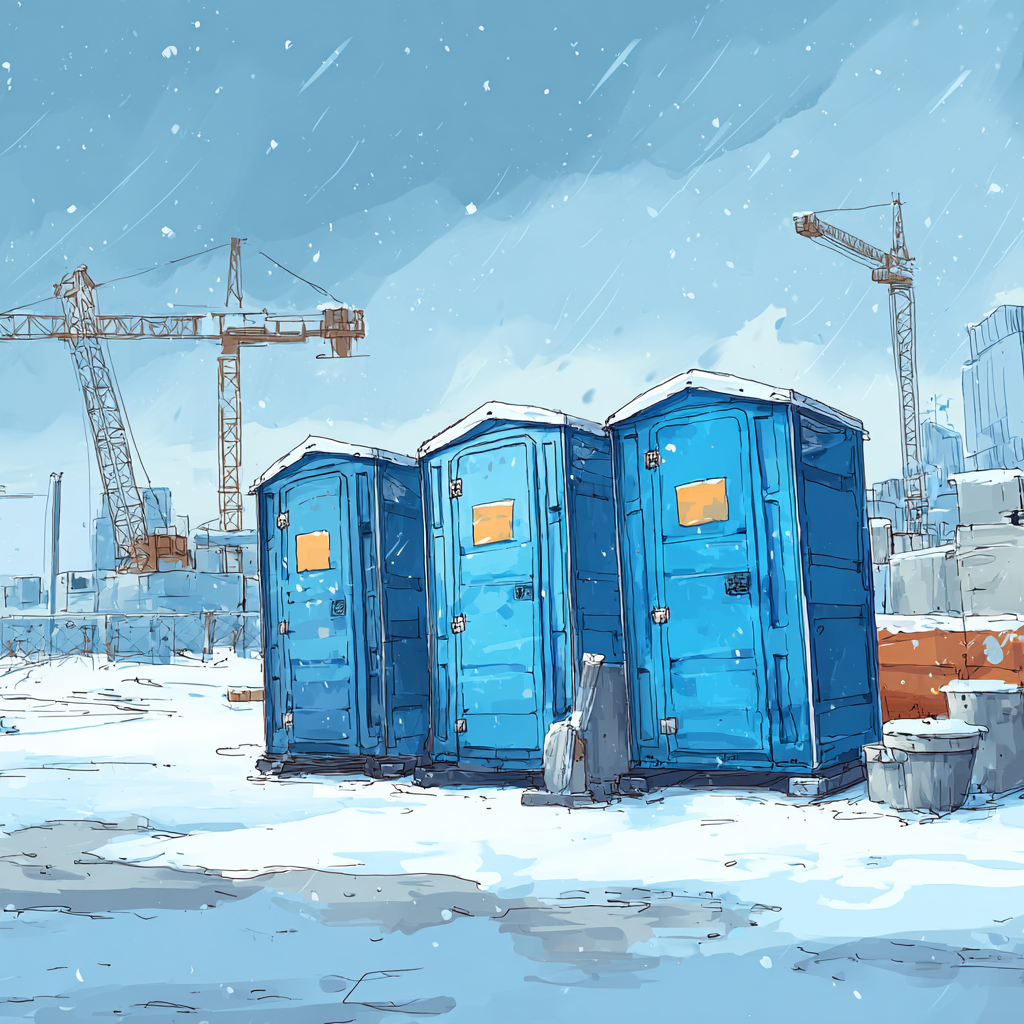
Guide to Winterizing Porta Potties for Events, Jobsites, Arenas & More
Freezing temperatures turn portable restroom units from functional facilities into frozen liabilities, with ice-blocked tanks, cracked components, and inoperable plumbing. When water and waste solidify into blocks of ice, you’re not just dealing with unusable facilities. Rather, you’re facing equipment damage, service delays, and frustrated workers or guests who depend on reliable sanitation access.
Whether you’re managing construction sites operating through winter months, coordinating cold-weather events, or overseeing temporary installations, winterizing porta potties protects your equipment investment and maintains continuous facility access when temperatures plummet.
At Prime Dumpster, we’ve created this comprehensive guide that explains the essential preparation steps, treatment options, and maintenance protocols. Learn more about what rental companies and site managers need to implement for keeping portable restrooms functional throughout the coldest months.
Fast Facts: Winterizing Porta Potties
“Winterization needs to start before the first hard freeze hits, not after you discover frozen units and cracked tanks that require emergency repairs costing three to four times more than preventive preparation. The biggest mistake is assuming standard summer porta potties will survive occasional cold nights without treatment, then dealing with week-long outages when ice formation blocks functionality and damages equipment that needed proper antifreeze protection from the beginning,” says the Prime Dumpster Pro.
- Pre-Season Inspections Prevent Winter Failures: Comprehensive checks of door seals, ventilation systems, and waste tanks before freezing temperatures arrive identify vulnerabilities that cold weather will exploit, allowing repairs and reinforcement before damage occurs rather than emergency response during subfreezing conditions.
- Antifreeze Applications Require Proper Concentrations: Non-toxic propylene glycol or ethanol-based antifreeze formulations must be added in measured amounts to empty or partially empty tanks, with concentration levels matched to your region’s lowest expected temperatures for adequate freeze protection throughout winter months.
- Strategic Placement Reduces Freeze Risks Naturally: Positioning units in wind-protected locations near buildings or fences, avoiding low-lying areas where cold air settles, and maximizing sunlight exposure significantly reduces freeze vulnerability without additional equipment or ongoing costs.
- Heating Solutions Provide Active Protection: Battery-powered heating pads, insulated blankets, and specialized tank heaters maintain above-freezing temperatures in critical components during extreme cold events.
- Increased Service Frequency Becomes Essential: Weekly service visits replace standard schedules during winter months, with service crews monitoring antifreeze levels, checking for early freeze signs, and adjusting chemical treatments based on actual temperature patterns rather than predetermined intervals.
Successful winterization combines rental company expertise in chemical treatments and equipment preparation with site manager responsibilities for daily monitoring, snow clearing, and rapid problem reporting that prevents minor issues from escalating into major equipment failures.
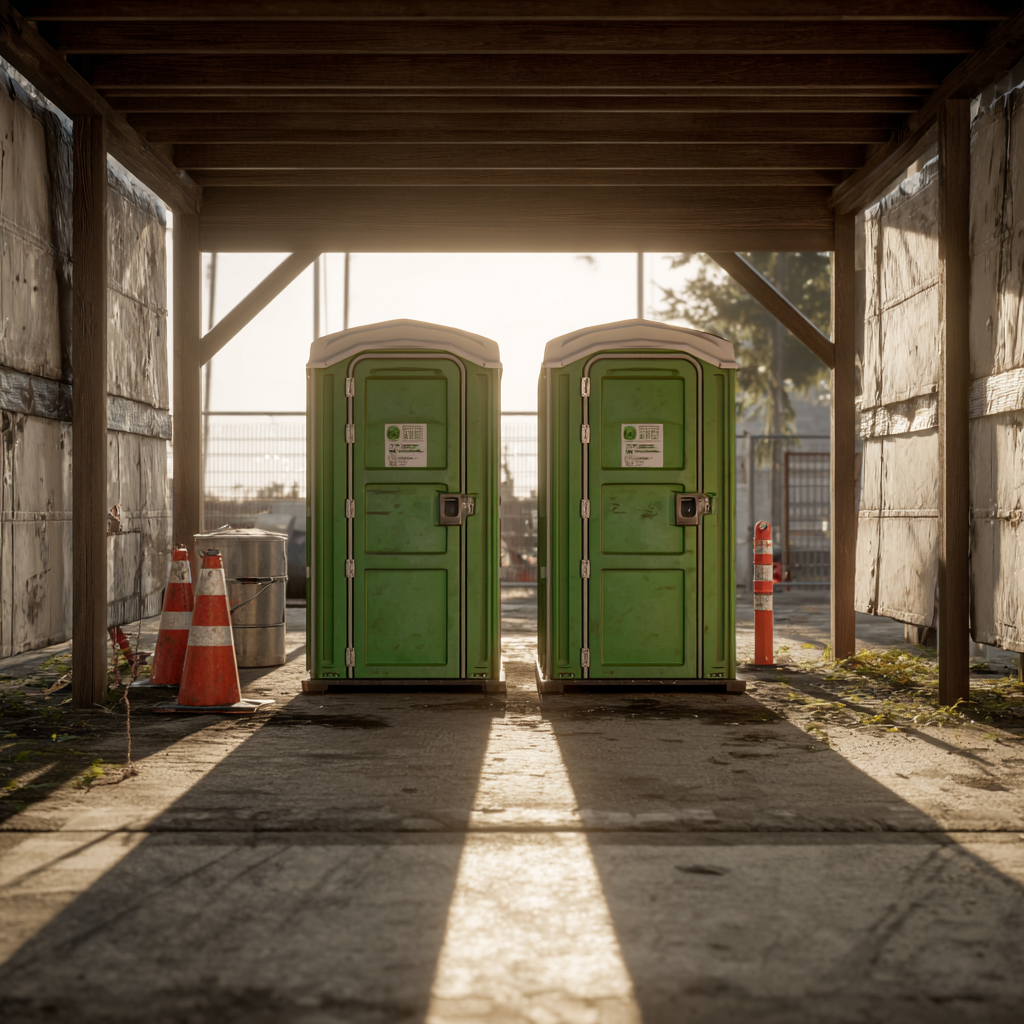
Assessing Unit Condition and Pre-Winter Preparations
Getting ahead of freezing temperatures means starting with a detailed assessment of each restroom unit. Both rental companies and site managers play crucial roles in this process. A systematic approach prevents costly damage when temperatures drop.
Inspecting Structural Integrity and Door Seals
Rental companies should conduct comprehensive pre-season checks on every unit. Examine plastic shells for hairline cracks that cold weather could worsen. Test door seals and weather stripping to ensure tight closure against wind and snow.
Site managers need to visually inspect units upon delivery. Report any visible damage immediately to your provider. Weekly walk-arounds help catch developing problems before they escalate.
Checking Ventilation and Waste Tank Readiness
Clear all vents of debris that could become ice-blocked when snow accumulates. Ensure screens remain intact for proper air flow. This simple step maintains ventilation throughout winter months.
Waste tanks require complete emptying and thorough cleaning before winter treatments. Inspect for cracks or weak points that freezing conditions could exploit. A clean tank is your first defense against winter-related issues.
| Inspection Area | Rental Company Responsibility | Site Manager Responsibility | Frequency |
| Structural Integrity | Pre-season comprehensive check | Visual inspection upon delivery | Quarterly/Weekly |
| Door Seals & Closures | Test weather stripping and locks | Report malfunctioning seals | Pre-season/Daily check |
| Ventilation Systems | Clear vents and verify air flow | Monitor for ice blockage | Pre-season/As needed |
| Waste Tank Condition | Empty, clean, and inspect tanks | Observe for leaks or issues | Before winter/Ongoing |
Strategic placement makes a huge difference. Avoid low areas where melting snow collects and refreezes. Position units near fences or buildings for wind protection. When possible, place them to receive maximum sunlight exposure.
Create a pre-winter checklist system for tracking inspections across multiple units. Documentation ensures nothing gets overlooked. This organized approach saves time and prevents weather-related surprises.
Implementing Winterization Techniques
Cold weather demands specific strategies to maintain portable sanitation unit performance. Both rental providers and site managers need effective approaches.
Understanding your options helps prevent costly freeze damage. Let’s explore the most reliable methods used both before the first freeze and during the rental period.
Antifreeze Treatments and Non-Toxic Additives
Rental companies typically apply antifreeze during winter service visits. You should know what treatments your units receive.
Propylene glycol formulas offer the safest protection. They’re gentle on skin and the environment but can cost more.
Ethanol-based options provide budget-friendly solutions. They evaporate faster, requiring more frequent application.
Salt brine solutions deliver economical freeze protection. Rock salt works well for mild winter conditions.
These are some of the solutions. Specifics may vary based on availability and other factors in your location.
Utilizing Heating Solutions for Tanks and Pipes
Electric heating pads wrap around exposed pipes to prevent ice formation. They’re ideal for sites with power access.
Insulated heated blankets cover entire waste tanks. These maintain consistent internal temperatures during deep freezes.
Specialized tank heaters offer the most reliable protection. They ensure continuous operation in extreme conditions.
| Antifreeze Type | Protection Range | Best For | Considerations |
| Propylene Glycol | Down to -50°F | Environmentally sensitive sites | Higher cost, safest option |
| Ethanol-Based | Down to -20°F | Budget-conscious projects | Faster evaporation rate |
| Rock Salt Brine | Down to 0°F | Mild winter areas | Cost-effective, leaves residue |
| Magnesium Chloride | Down to -20°F | Moderate cold climates | Less corrosive, mid-range price |
Winter-specific deodorizers remain active in freezing temperatures. Regular formulas coagulate and become ineffective when cold.
Choose solutions based on your local climate conditions. Proper treatment keeps facilities functional all season.
Adapting Winterization for Diverse Use Cases
Not all portable restrooms face the same winter challenges – your specific environment dictates the best strategy. What works on a construction site won’t necessarily suit a weekend festival. Let’s explore how to tailor your approach.
Construction and Industrial Sites
Long-term installations need robust protection. These units endure months of exposure. Coordinate with rental companies for increased service frequency.
Cold temperatures slow waste breakdown. Chemical treatments lose effectiveness faster. Consider heated units when power is available.
Outdoor Events, Concerts, and Festivals
Short-term events demand reliable sanitation for concentrated use. Request insulated or climate-controlled portable toilets for guest comfort.
Heated restroom trailers transform basic facilities into comfortable amenities. Built-in lighting and temperature control make a real difference.
Emergency Shelters and Temporary Installations
Reliable sanitation becomes critical infrastructure here. Vulnerable populations depend on consistent access to functional toilets.
Specify maximum antifreeze protection when ordering portable sanitation units. Frequent monitoring ensures dignity and health standards are maintained.
Each environment presents unique challenges. Your winterization plan should reflect your specific needs and user expectations.
Streamlining Maintenance and Regular Checks
Winter maintenance isn’t just about preventing frozen toilets—it’s about creating a reliable system that works when you need it most. Cold weather demands a different approach than summer routines.
You need more frequent inspections and faster responses to problems. This proactive way of working prevents small issues from becoming major equipment failures.
Establishing a Consistent Maintenance Schedule
Rental companies should implement weekly service visits during the winter months. Each check should include temperature logging and antifreeze level inspection.
Site managers have daily responsibilities. Conduct visual checks for frost around doors and vents. Report any freezing issues immediately to your provider.
Keep access paths clear for service vehicles. Snow buildup can delay critical maintenance visits when temperatures drop rapidly.
Temperature and Performance Monitoring
Place simple thermometers inside your units to track internal conditions. Compare these readings against your antifreeze protection ratings.
Watch for performance indicators that signal trouble. Frost on interior surfaces or difficulty opening doors means immediate action is needed.
Increase service frequency during extreme weather. When forecast temperatures drop significantly below normal, schedule extra checks to ensure continuous operation.
Consistent maintenance throughout the cold months prevents the cycle of freeze damage and emergency repairs. This keeps your sites functional and users happy.
Protecting Plumbing Systems and Waste Tanks
Freezing conditions turn your sanitation equipment’s most critical components into ticking time bombs. The plumbing and waste containment systems face the greatest risk when temperatures plummet.
Let’s explore how to safeguard these vulnerable areas effectively.
Selecting and Applying Effective Additive Solutions
Rental companies focus on comprehensive system protection. They apply antifreeze throughout all plumbing lines and connection points.
This ensures every pipe and fitting receives protection against freezing temperatures. Site managers should verify treatment levels during regular checks.
Waste tanks require careful attention too. Proper antifreeze concentration prevents solid ice formation that can crack tank walls.
| Protection Method | Rental Company Action | Site Manager Check | Temperature Range |
| Plumbing Antifreeze | Apply throughout system | Verify fluid levels | Down to -50°F |
| Tank Brine Solution | Maintain proper concentration | Monitor for dilution | Down to 0°F |
| Heating Elements | Install on exposed pipes | Check power connection | All temperatures |
| Insulation Wraps | Cover vulnerable points | Inspect for damage | Moderate protection |
Preventive Strategies for Freezing Pipes
Handwash stations need special treatment. Drain all water completely before adding food-safe antifreeze.
Cycle the solution through the plumbing several times. This coats every internal surface for complete protection.
Keep units clear of snow accumulation. Report any ice formation immediately to prevent progressive damage.
Small ice crystals may seem harmless, but can expand rapidly. Early detection stops minor issues from becoming major repairs.
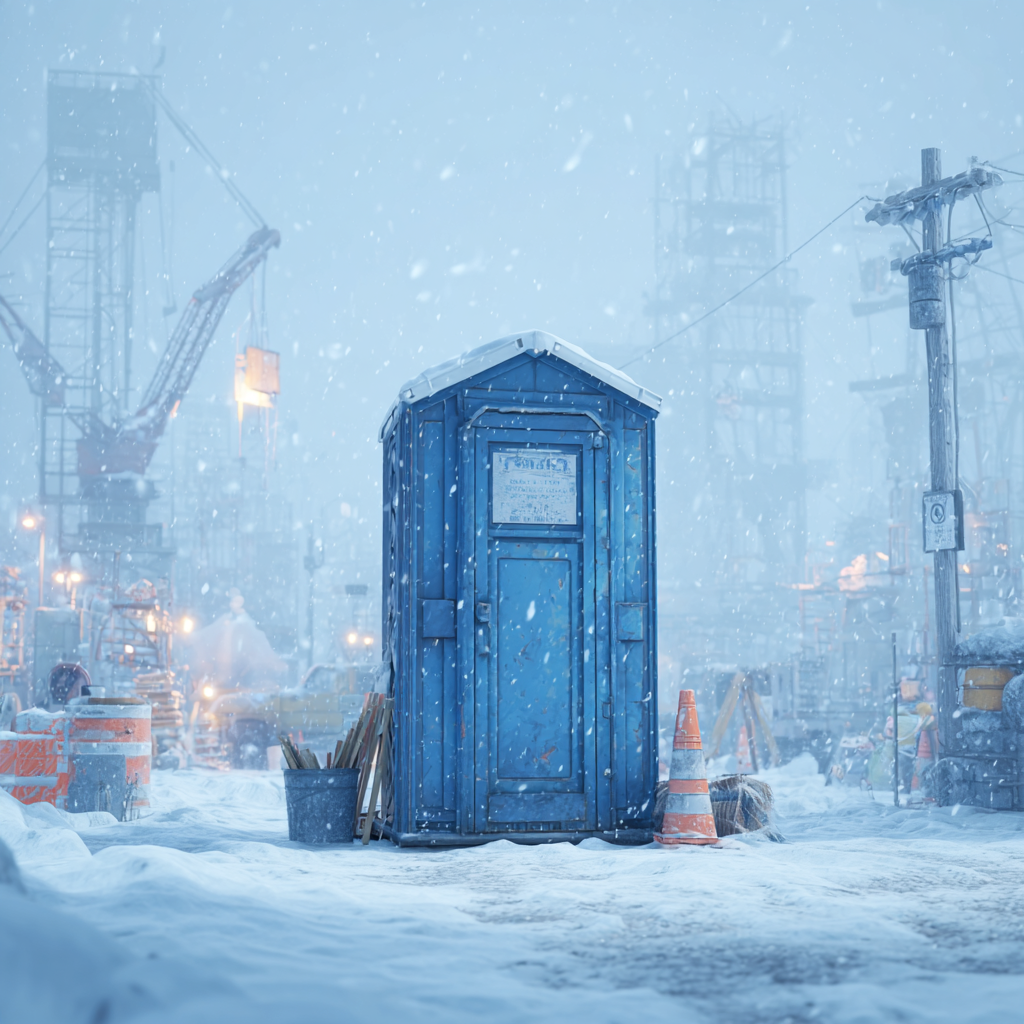
What Do I Do If My Rented Porta Potty Freezes?
Recognizing frozen porta potty warning signs allows quick response before minor freeze damage becomes major equipment failure requiring costly replacements. Site teams who spot these indicators early and contact rental providers immediately prevent extended outages that disrupt operations and violate sanitation requirements.
Warning signs indicating your porta potty has frozen:
- Doors that won’t open or close properly due to ice formation on hinges and latches
- Frost visible on interior surfaces or unusual ice buildup around door seals and vents
- Strong odors indicating chemical treatments have frozen and stopped working effectively
Contact your rental company immediately when you identify freeze damage rather than attempting DIY thawing with heaters, hot water, or salt that creates safety hazards and equipment damage. Rental providers have specialized thawing equipment, trained technicians, and replacement units available for emergency response that safely restores functionality without voiding warranties or risking injuries.
Never use propane heaters, space heaters, or open flames inside frozen porta potties because these create extreme fire and carbon monoxide dangers in enclosed spaces. Professional emergency response includes proper thawing techniques, damage assessment, antifreeze reapplication, and winterization adjustments that prevent recurrence throughout remaining cold weather periods.
Protecting Your Sanitation Investment Through Winter
Successfully winterizing porta potties requires shared responsibility between rental providers handling technical treatments like antifreeze applications and heating systems, and site managers conducting daily monitoring and strategic placement that prevents freeze damage.
Ready to implement comprehensive winter protection for your portable restroom facilities? Contact our team for expert guidance on winterizing porta potties for your specific climate and application, including properly treated equipment, appropriate protection methods for your region’s conditions, and coordinated maintenance strategies that keep facilities operational regardless of how cold temperatures drop.
If you are looking for PD Quick Guide: Porta Potty Winter Maintenance for Long-Term Rentals, Click Here
Recent Posts


Follow Us
Have any questions?
+1 844 853 3867
Give us a call today so we can help you find the right waste & sanitation solution for
your project!
Contact Us