
Mon - Sat 7:00 am to 7:00 pm

Winter Porta Potty Strategies for Construction, Events & More
Freezing temperatures transform portable toilets from essential facilities into frozen liabilities, with ice blockages, cracked tanks, and failed door seals creating expensive downtime when construction crews and event attendees need sanitation most. Subzero conditions don’t just inconvenience users—they can damage equipment, neutralize chemicals, and turn routine maintenance into emergency repairs that cost significantly more than preventive measures.
Whether you’re managing year-round construction sites, coordinating winter festivals, or overseeing industrial operations in cold climates, effective winter porta potty strategies separate smooth operations from costly shutdowns.
At Prime Dumpster, we’ve created this comprehensive guide to help contractors, event planners, and site managers. You’ll learn how to spot freeze risks, implement proven protection techniques, and coordinate with rental companies to maintain functional sanitation throughout the coldest months of 2026.
Fast Facts: Winter Porta Potty Strategies
“Freezing temperatures don’t just make porta potties uncomfortable—they cause immediate blockages, crack tanks, and damage seals that lead to expensive repairs and extended downtime. Successful winter operations require combining rental company winterization procedures with daily on-site management, starting preparations well before the first freeze hits rather than reacting to problems after equipment fails,” says the Prime Dumpster Pro.
- Position rented units in sheltered locations using existing buildings, tree lines, or temporary windbreaks to block wind exposure. Ensure placement on firm, level ground that prevents water pooling during freeze-thaw cycles.
- Never use automotive antifreeze or salt-based deicers inside porta potty tanks. These products damage plastic components, create environmental hazards, and void rental equipment warranties.
- Wrap exterior walls with foam board insulation or thermal blankets before temperatures drop below freezing. Add heating pads to tanks and pipes during severe cold snaps to maintain operational temperatures.
- Don’t wait until units freeze solid to schedule service calls. Partially frozen waste becomes nearly impossible to pump and requires expensive emergency response costing three to four times standard rates.
- Conduct daily visual inspections checking for ice buildup around doors and snow blocking ventilation. Early detection allows your team to address minor issues before complete system failures occur.
Now let’s explore the comprehensive techniques and industry-specific approaches that keep your portable sanitation operational through the coldest winter conditions.
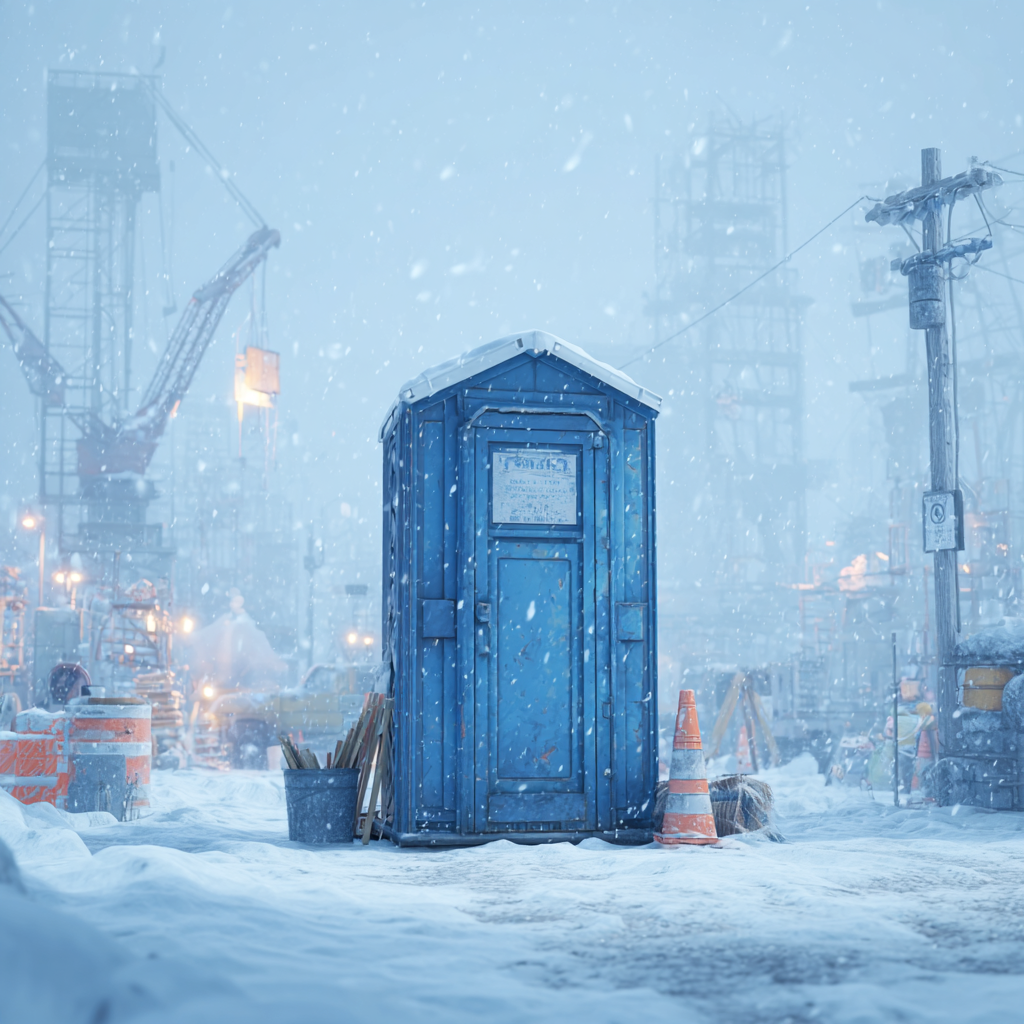
Winter Challenges for Porta Potties
Ice and cold aren’t just uncomfortable for people; they’re destructive forces for portable sanitation systems. Let’s break down exactly what goes wrong when the mercury drops.
Impact of Freezing Temperatures on Functionality
When freezing temperatures hit, the liquid inside your units turns solid. This creates immediate blockages. The toilets become unusable until a thaw occurs.
But the problems run deeper. Ice formation can crack plastic tanks and damage door seals. The structural integrity of the entire unit is at risk.
Cold temperatures also neutralize the chemicals inside. Deodorizers lose effectiveness, allowing odors to build up quickly. Ventilation systems clog with ice, trapping moisture and speeding up the freezing process throughout the interior.
Identifying Risks in Harsh Conditions
The risks escalate dramatically in sustained harsh weather. Repeated freezing and thawing cycles are especially damaging. They gradually weaken materials, leading to more expensive, long-term failures.
Metal components like door locks and hinges become brittle. They can snap easily without proper protection. Frozen waste also creates a sanitation nightmare, preventing proper cleaning and leading to persistent unsanitary conditions.
Comparing Freeze Event Impacts
| Factor | Single Freeze Event | Repeated Freeze-Thaw Cycles |
| Primary Risk | Immediate blockage, temporary outage | Structural degradation, permanent damage |
| Component Damage | Potential for tank cracks, seal failure | Guaranteed weakening of plastics and metals |
| Sanitation Issue | Difficulty emptying until thaw | Persistent waste buildup, odor problems |
| Maintenance Response | Reactive thawing and repair | Proactive protection and frequent inspection |
Understanding these challenges is the first step toward effective cold-weather management. It separates a minor inconvenience from a major site shutdown.
Essential Winter Porta Potty Strategies for Cold Weather
The battle against freezing temperatures begins with smart, practical approaches to facility maintenance. Both rental companies and on-site teams have roles in keeping these essential services running smoothly.
Insulation Techniques and Antifreeze Applications
Insulation serves as your primary defense against the cold. Wrapping units with foam panels or insulated blankets creates a thermal barrier that traps heat inside.
Foam board insulation around exterior walls and floors significantly slows heat loss. This approach helps maintain stable internal conditions even when outdoor temperatures drop dramatically.
Antifreeze solutions prevent tank contents from solidifying. Non-toxic varieties designed for RVs work best for sanitation systems. Proper application starts with an empty tank and careful measurement according to manufacturer guidelines.
Using Heaters to Maintain Operational Temperature
Heaters provide active temperature control that passive methods cannot match. Portable heating units positioned inside facilities maintain above-freezing conditions during severe cold snaps.
Small heating pads attached to pipes and heating blankets wrapped around tanks deliver targeted heat exactly where needed. These solutions prevent freezing in critical areas while using energy efficiently.
Combining insulation with heating systems offers the most reliable protection. Units equipped with both approaches rarely experience freezing problems, even in extreme conditions.
Rental Company Approaches to Prevent Frozen Units
Rental companies don’t wait for the first snowflake to start preparing their sanitation equipment. They implement systematic approaches that keep facilities operational throughout the coldest periods. These professionals understand that prevention beats reaction every time.
Their maintenance routines begin well before temperatures drop significantly. This proactive approach ensures reliable service when your project needs it most.
Regular Maintenance and Equipment Checks
Thorough inspections form the foundation of cold-weather preparation. Teams examine every component that cold affects most. Door seals and locks receive special attention since they fail quickly in freezing conditions.
Structural integrity checks identify small cracks that could expand during cold months. Ventilation systems get cleared to prevent moisture buildup. Waste tanks undergo complete emptying and cleaning before winterizing chemicals get added.
Companies establish increased service frequencies during challenging weather. Weekly checks replace bi-weekly schedules to catch issues early. Systematic checklists ensure no step gets missed in the preparation process.
Advanced Winterizing Procedures
Beyond basic maintenance, rental providers deploy specialized equipment for extreme conditions. Tank heaters and thermal wraps become standard on units heading to consistently cold locations. These tools provide active protection against freezing temperatures.
Dedicated winter response teams stand ready to address freeze events immediately. This rapid response prevents extended downtime that frustrates customers. The goal remains consistent operation regardless of outdoor conditions.
Proper winterizing procedures transform potential problems into manageable situations. Rental companies invest in these approaches to deliver reliable service year-round.
Ground Team Techniques for On-Site Winter Management
When the temperature plummets, your on-site team becomes the first line of defense against frozen sanitation facilities. Their daily actions make all the difference. We will show you how smart placement and quick reactions keep everything running smoothly.
These hands-on approaches are vital for construction sites and industrial areas. They help prevent major disruptions during cold snaps.
Quick Response to Freeze Events
A rapid reaction plan is essential. Your team should know exactly what to do when ice starts to form.
Keep an emergency kit ready. It should include portable heaters, extra antifreeze, and insulation materials.
Here is a simple way your team can respond:
- Check units daily for early signs of freezing, like sluggish mechanisms.
- Clear snow away from doors and lower areas to prevent ice buildup.
Frequent use by workers during the day generates natural heat. This can help prevent freezing in busy locations.
Operational Best Practices in the Field
Strategic placement is your best tool to prevent freezing. Position units in sheltered spots away from wind and direct snow.
Use buildings or trees as natural barriers. If you are in an open area, build a temporary windbreak with plywood or heavy tarps.
Always place facilities on flat, stable ground. Avoid low-lying areas where water and ice can pool.
Educate your personnel about critical temperature thresholds. They will know when to act before a real problem occurs.
Implementing Safety Tips and Maintenance Routines
As we head into the new year, keeping sanitation facilities safe and functional requires a fresh approach to maintenance routines. The right procedures protect both your equipment and the people who rely on it.
User Safety and Sanitation Guidelines
User safety begins with preventing slippery conditions around facility entrances. Ground teams should regularly treat these areas with de-icing materials.
Hand hygiene presents special challenges when temperatures drop. Alcohol-based sanitizer dispensers become essential backups when water systems might freeze.
Educate users about proper facility use to prevent problems. Excessive paper use combined with cold conditions can create stubborn clogs that disrupt service.
Frequent Cleaning and Tank Management
Intensify your cleaning schedule during cold weather. Waste freezes faster than it accumulates, making regular sanitation critical.
Frequent tank emptying becomes essential in challenging conditions. Partially full tanks freeze more readily than empty ones.
Monitor waste levels more closely than in warm weather. Service units before contents reach volumes that become difficult to pump if partially frozen.
Regular inspection catches small leaks before they become ice dams. This proactive approach maintains system integrity throughout the season.
Adapting Solutions for Construction, Events, and Industrial Sites
Different locations demand different approaches to cold-weather sanitation. What works perfectly for a construction site might fail at a weekend festival.
Your success depends on matching the solution to the specific environment. We break down the best approaches for various settings.
Strategies for Construction and Industrial Areas
Construction sites in winter need tough portable toilets that can handle daily abuse. Durability matters more than fancy features here.
Position these units near work areas but provide wind protection. Your teams need convenient access without freeze risks.
Industrial locations often have natural shelter from existing buildings. Placing portable toilets adjacent to structures solves many cold problems.
Contractors can use heat from equipment to their advantage. Position sanitation facilities within the warmth radius of temporary heaters.
Accommodating Concerts, Festivals, and Emergency Shelters
Events like concerts need many units for short periods. Faster service cycles prevent freezing between heavy uses.
Winter festivals benefit from heated portable toilet trailers. These offer climate-controlled comfort for guests.
Emergency shelters present unique challenges. They often operate in locations without infrastructure support.
Self-contained winterized units with extended service intervals work best here. Reliability becomes the top priority.
Sanitation Needs Across Different Locations
| Location Type | Primary Focus | Equipment Recommendation | Service Frequency |
| Construction Sites | Durability & Convenience | Standard winterized units | Weekly |
| Industrial Areas | Shelter Utilization | Basic insulated models | Bi-weekly |
| Festivals/Concerts | Volume & Comfort | Heated trailer units | Daily during event |
| Emergency Shelters | Reliability | Fully winterized systems | As needed basis |
Event organizers should book winterized portable toilets weeks in advance. Demand spikes during holiday seasons when many gatherings occur.
Each situation requires customized thinking. A three-day music festival needs different solutions than a six-month construction project.
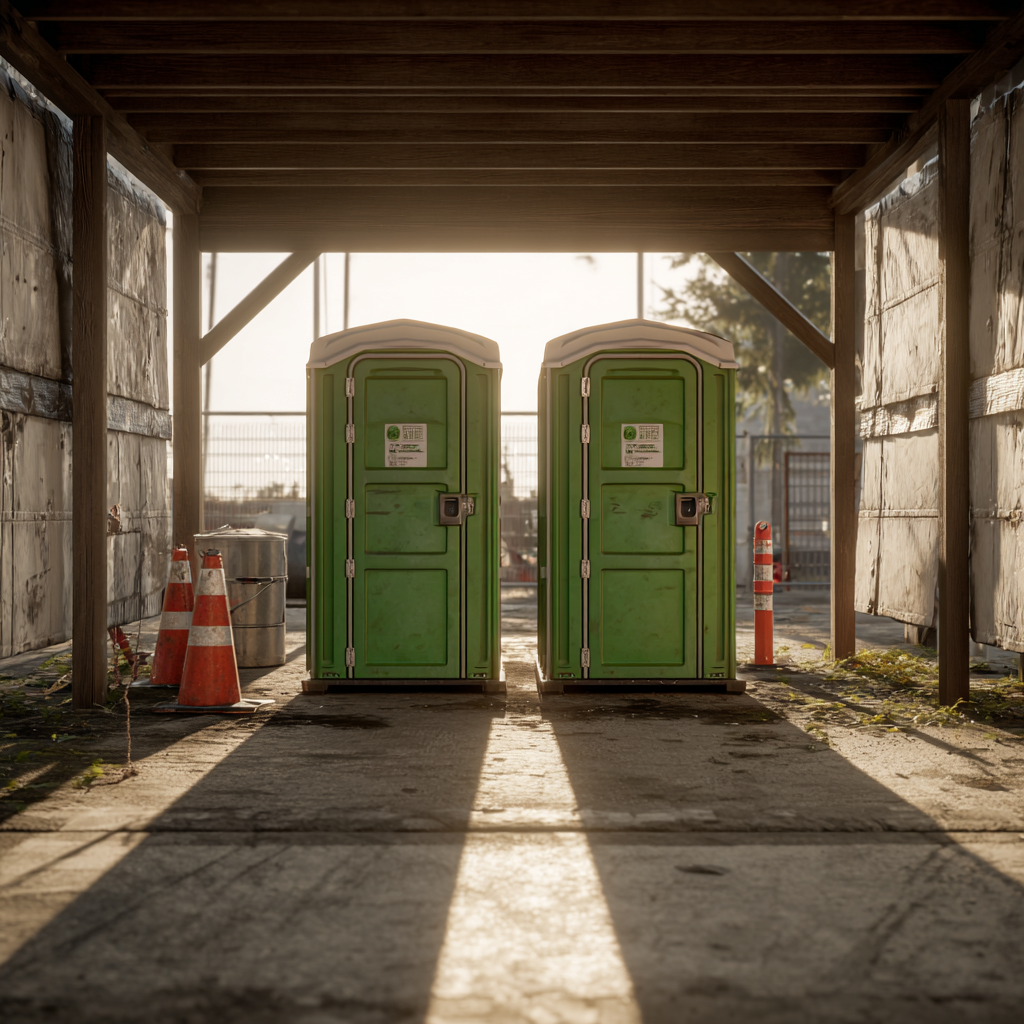
Advanced Solutions: Insulation, Heaters, and Antifreeze Options
Professional site managers understand that advanced protection requires evaluating multiple insulation and heating options. The right combination prevents costly downtime when temperatures drop.
Each solution offers different benefits for your specific conditions. Let’s examine the materials that provide reliable protection.
Comparing Insulation Materials
Many insulation materials are available, each with various pros and cons.
- Foam board insulation delivers excellent value for most applications. It’s affordable and easy to install around unit exteriors.
- Spray foam systems seal every gap for maximum heat retention. They work best in extreme conditions but cost more.
- Rubber floor mats add comfort while insulating against frozen ground. They’re easy to clean and provide immediate user benefits.
- Heating options range from targeted pads to full-space warmers. Small heating pads attach directly to vulnerable tanks and pipes.
- Larger heaters maintain entire interior temperatures. Proper placement ensures safety while directing heat where needed most.
- Antifreeze solutions prevent tank contents from solidifying. Propylene glycol offers superior safety for environmental concerns.
- Ethanol-based options cost less but evaporate faster. Magnesium chloride protects against extreme cold down to -20°F.
- Rock salt provides affordable protection for moderate conditions. Each method has trade-offs between cost, effectiveness, and maintenance requirements.
The best materials for your jobsite will depend on a variety of factors. Consult with your rental provider for the best solution for your specific needs.
Preparing Your Operations for Winter Success
Successful winter porta potty strategies combine rental company winterization procedures with on-site team actions, from insulation and heating systems to strategic placement and rapid freeze response protocols. Preparation beats reaction every time, with proactive approaches delivering reliable facilities regardless of how far temperatures drop.
Ready to protect your portable sanitation investment through winter conditions? Contact our team to discuss winterized equipment options, maintenance schedules tailored to your climate, and comprehensive cold-weather solutions that keep your construction sites, events, and facilities operating smoothly when freezing temperatures arrive.
If you are looking for Q&A with the Prime Dumpster Pros: How to Save Money When Renting Porta Potties in 2026, Click Here
Recent Posts


Follow Us
Have any questions?
+1 844 853 3867
Give us a call today so we can help you find the right waste & sanitation solution for
your project!
Contact Us