
Mon - Sat 7:00 am to 7:00 pm

How to Find the Best Dumpster Rental in Denver, CO
Renting a dumpster in Denver takes a little more preparation than most people expect. Permit rules, debris type restrictions, and neighborhood-specific placement challenges all shape how a rental comes together. Going in prepared makes the process faster and often saves money.
Prime Dumpster coordinates roll-off dumpster rentals across the Denver area for home renovations, construction projects, cleanouts, and commercial work. We put together this guide to walk through what to know before you book, what to look for in a provider, and how permits work in the Denver market.
Fast Facts: Dumpster Rental Prices in Denver, CO
“The renters who have the smoothest experience are almost always the ones who thought through the project before calling,” says the Prime Dumpster Pro. “Knowing your debris type, your timeline, and your placement options upfront takes most of the friction out of the process.”
Ready to rent a dumpster in Denver? Here’s a look at general price ranges across all five standard roll-off sizes.
| Size | Price Range | Common Uses |
| 10-Yard Dumpster | $399–$499 | Concrete, brick, small cleanouts, heavy debris |
| 15-Yard Dumpster | $449–$569 | Bathroom remodels, garage cleanouts, landscaping |
| 20-Yard Dumpster | $499–$649 | Roofing, multi-room renovations, estate cleanouts |
| 30-Yard Dumpster | $599–$799 | Full renovations, larger construction, commercial projects |
| 40-Yard Dumpster | $699–$899 | Major demolition, large commercial buildouts |
Prices reflect general estimates for standard rentals. Actual costs vary based on debris type, weight, rental duration, placement location, and demand.
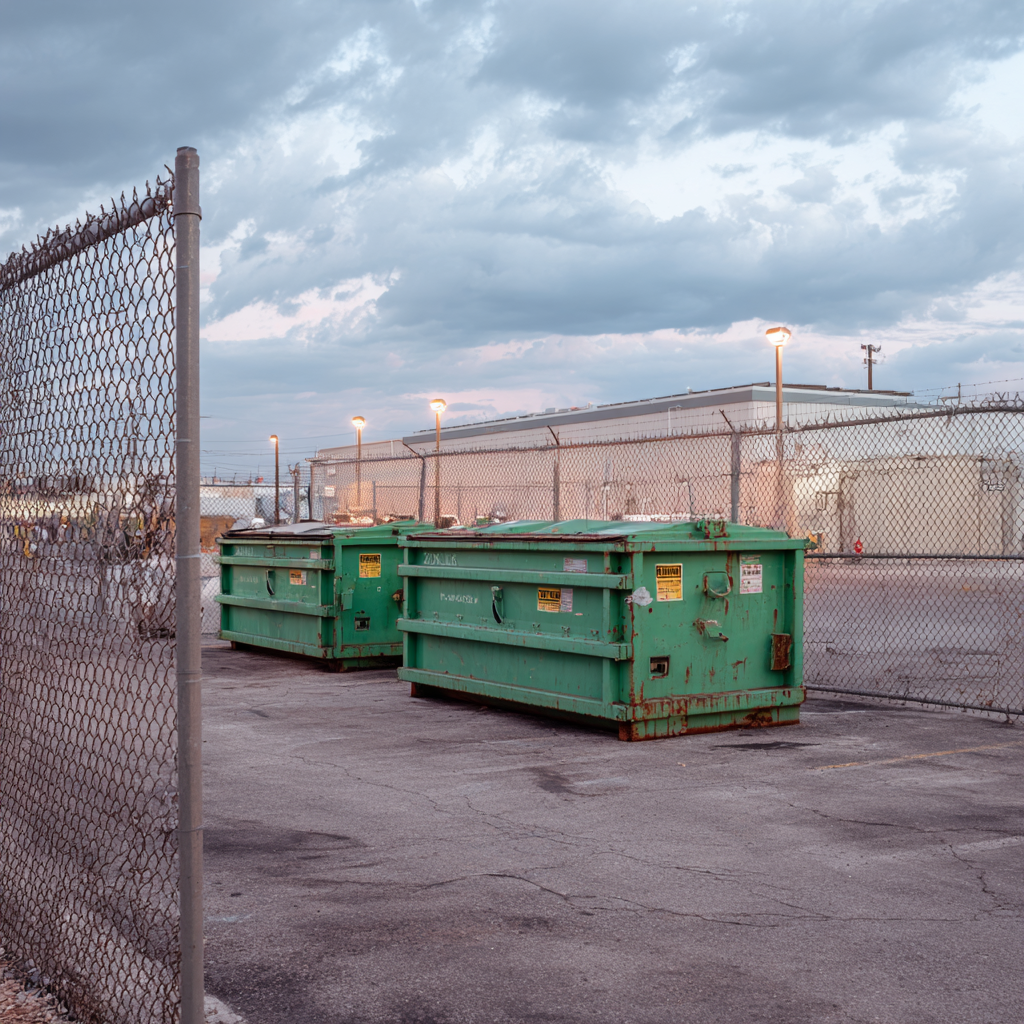
Know Your Project Before You Book
A little homework before booking a roll-off dumpster rental saves time and prevents unexpected costs on the back end.
How Much Debris Are You Generating?
Estimating debris volume is the starting point for choosing the right container size. Most renters underestimate how quickly debris accumulates during an active project. A single-room renovation can fill a 15-yard container faster than expected once drywall, flooring, and fixtures pile up.
When in doubt, sizing up slightly costs less than arranging a second haul mid-project. If the project generates debris in phases, a rotation schedule may serve better than one large container sitting idle between phases. (Note that certain sizes are required in some situations, such as 10-yard dumpsters are needed for heavy debris like concrete.)
What Type of Materials Are You Throwing Away?
Debris type affects both container size and total cost. Heavy materials like concrete, brick, and asphalt can only go into a 10-yard dumpster due to weight limits. Putting those materials into a larger container doesn’t increase the weight allowance — it just means paying overage fees.
Colorado regulations also prohibit certain items from standard roll-off containers. Electronics, appliances containing refrigerants, tires, and hazardous liquids all require separate disposal. Sorting those items out before loading avoids surprise charges at the end of the rental.
How Long Will Your Project Take?
Matching the rental period to the actual project timeline keeps costs predictable. Most standard rentals cover five to seven days, which works well for cleanouts and shorter renovation phases. Longer projects benefit from discussing extended rental terms upfront rather than requesting extensions after delivery.
Extension fees vary by provider. Knowing the daily rate for additional days before booking gives a clearer picture of total cost if the timeline shifts.
What to Look for in a Denver Dumpster Rental Provider
Not every dumpster rental near me search leads to the same quality of service. A few factors separate providers worth booking from those that create headaches mid-project.
Transparent, Upfront Pricing
A reliable quote covers the base rental rate, weight allowance, overage fees, and any applicable permit costs. Vague quotes that list only a base price leave room for charges that appear after delivery. Ask specifically what triggers additional fees before confirming a booking.
Fuel surcharges, delivery fees, and environmental fees are common add-ons that some providers bundle into the base rate and others itemize separately. Knowing which you’re dealing with makes comparison shopping more accurate.
Local Knowledge and Service Area Coverage
The Denver metro spans a wide range of municipalities with their own rules. A provider familiar with the difference between placement requirements in Denver proper versus Aurora, Arvada, or Lakewood prevents permit miscommunication before delivery day.
Local experience also affects scheduling reliability. Providers who regularly service the Denver area understand which neighborhoods have tight access, where permit processing runs slower, and how seasonal demand affects availability across different parts of the metro.
Flexible Scheduling and Delivery
Project timelines shift. A provider that can adjust delivery and pickup around those changes causes far less disruption than one locked into rigid scheduling windows. Confirming a provider’s policy on reschedules before booking is a straightforward step that matters when timelines move.
For active construction sites, coordinating delivery timing around crew schedules and site access keeps the container from becoming an obstacle before work begins.
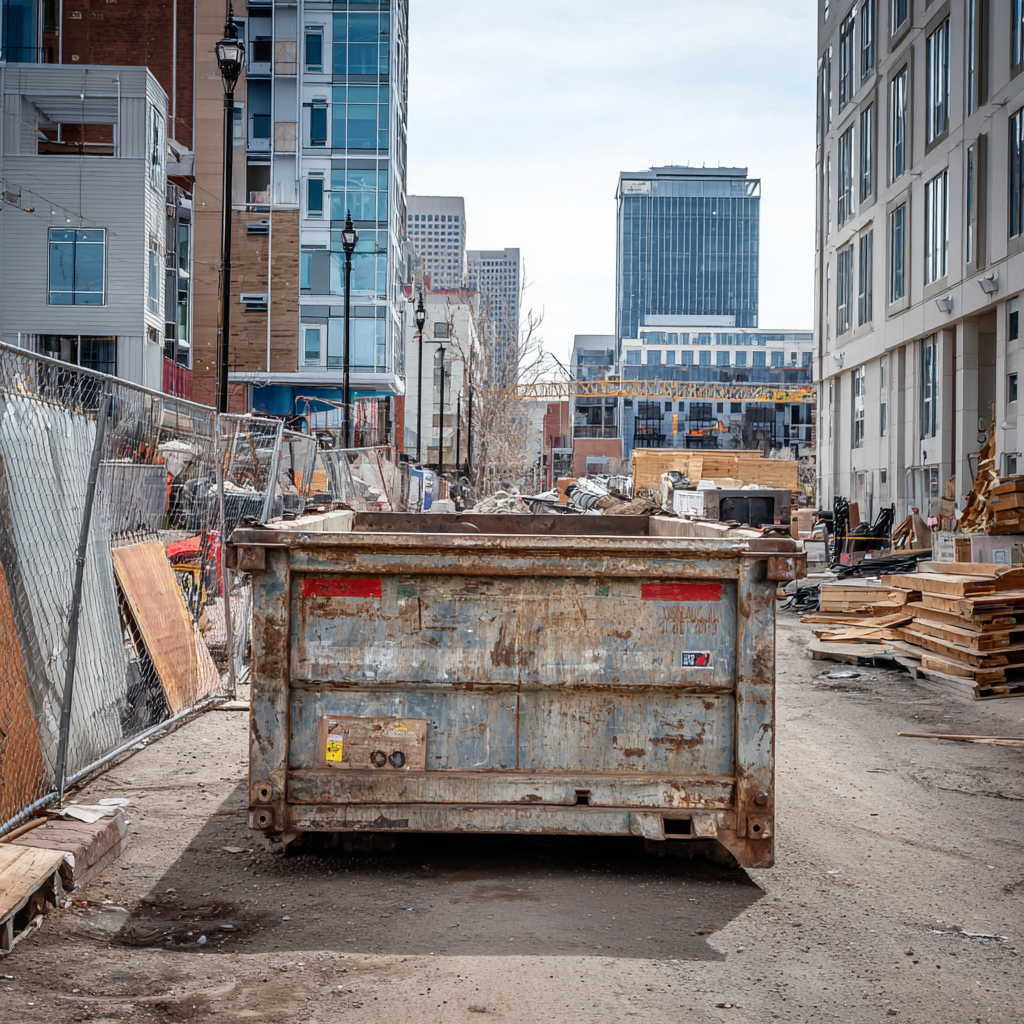
Permits for Dumpster Rental in Denver
Placement location determines whether a permit is required. Dumpsters placed entirely on private property — a driveway, parking lot, or job site — generally do not require a city permit as long as the container doesn’t extend over a sidewalk or block public access.
Any container placed in the public right-of-way requires a permit. That includes streets, sidewalks, and alleys. This applies to both residential and commercial placements across the City and County of Denver.
How to Obtain a Denver Dumpster Permit
Denver requires a Revocable Street Occupancy Permit from the Department of Transportation and Infrastructure before any container is placed in the right-of-way. According to the city’s official dumpster and container permit guidelines, the permit must be obtained by the dumpster company — not the renter — and must be visible on the property during the rental period.
Denver recommends allowing five business days for permit processing. The permit must specify start and end dates, and placement that doesn’t meet city sight distance standards may be denied. Permit fees vary based on location and rental duration. Surrounding municipalities including Aurora, Lakewood, and Englewood have their own permitting processes, so requirements outside Denver city limits should be confirmed before booking.
Find the Best Dumpster Rental in Denver, CO
Choosing the right container, understanding debris restrictions, vetting a provider, and sorting out permit requirements all come together to make a rental run smoothly. Getting those details right from the start is what separates a straightforward project from one with avoidable complications. Contact our team to get a quote and talk through the specifics of your Denver project.
If you are looking for Top 7 Questions about Dumpster Rentals in Atlanta, GA Answered, Click Here
Recent Posts


Follow Us
Have any questions?
+1 844 853 3867
Give us a call today so we can help you find the right waste & sanitation solution for
your project!
Contact Us