
Mon - Sat 7:00 am to 7:00 pm

Pro Tips for Booking a Dumpster Rental in Charlotte, NC
Charlotte is one of the fastest-growing cities in the Southeast, and that growth drives consistent demand for roll-off container service across a wide range of project types. Corporate campus renovations, healthcare construction, residential rebuilds in established neighborhoods, and major sporting events all generate waste management needs that vary significantly from one project to the next.
Prime Dumpster coordinates dumpster rental across the Charlotte metro for construction projects, commercial work, residential renovations, and events. We put together this guide to walk through what renters and contractors need to know about booking a dumpster rental in Charlotte, NC.
Fast Facts: Dumpster Rental in Charlotte, NC
“Charlotte’s growth has kept container demand elevated across the metro for several years running, and that affects both availability and lead times more than most renters expect,” says the Prime Dumpster Pro. “Getting the sizing and placement details sorted before booking is what keeps a project on schedule here.”
Ready to rent a dumpster in Charlotte, NC? Here’s a look at general price ranges and common uses across all five standard roll-off sizes.
| Size | Price Range | Common Uses |
| 10-Yard Dumpster | $399–$499 | Concrete, brick, small cleanouts, heavy debris |
| 15-Yard Dumpster | $449–$569 | Bathroom remodels, garage cleanouts, landscaping |
| 20-Yard Dumpster | $499–$649 | Roofing, multi-room renovations, estate cleanouts |
| 30-Yard Dumpster | $599–$799 | Large renovations, commercial construction, campus projects |
| 40-Yard Dumpster | $699–$899 | Major demolition, large commercial buildouts, industrial work |
Prices reflect general estimates for standard rentals. Actual costs vary based on debris type, weight, rental duration, placement location, and seasonal demand across the Charlotte metro.
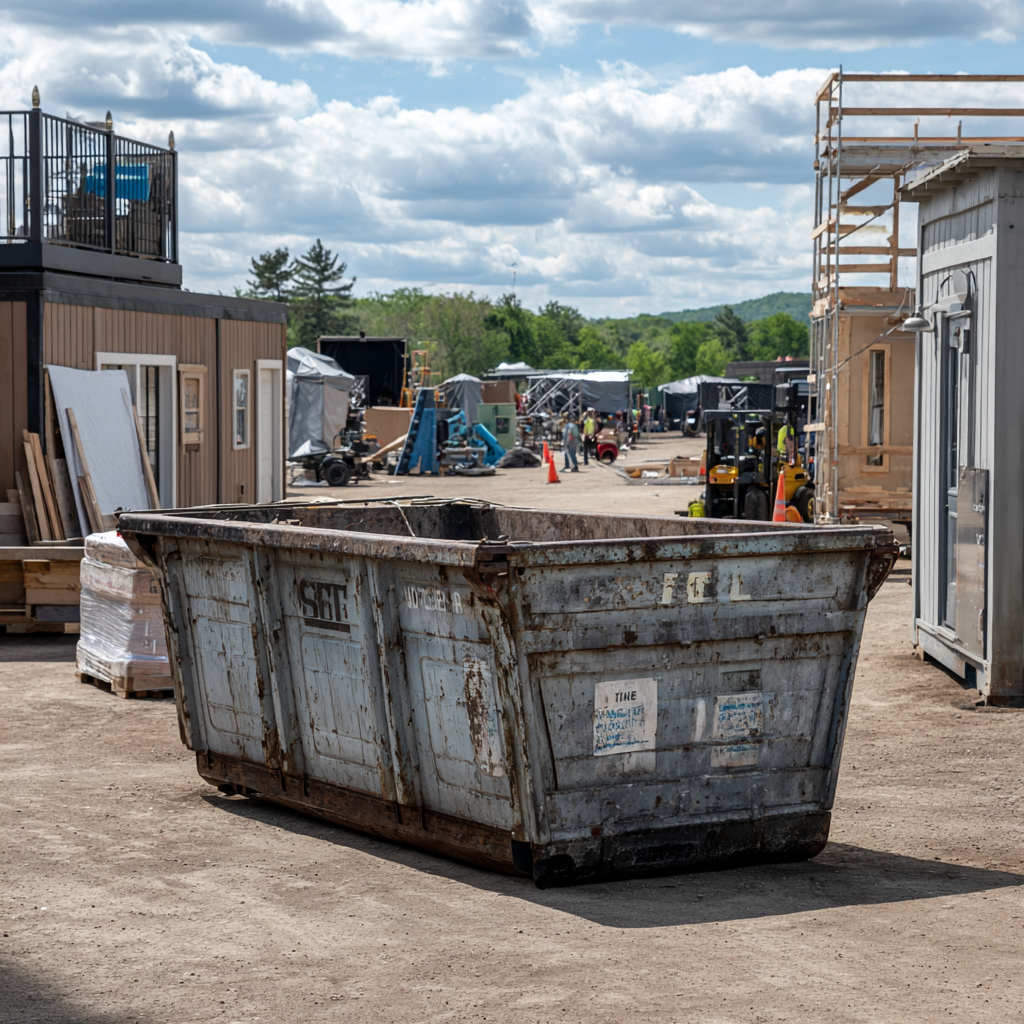
The Basics of Booking a Dumpster Rental in Charlotte
“Charlotte has its own set of rules and costs that renters don’t always anticipate before they book,” says the Prime Dumpster Pro. “Knowing the basics upfront saves time, money, and a lot of avoidable complications on delivery day.”
Choosing the Right Size
Debris type and volume both factor into container sizing, and the two don’t always lead to the same answer. A project generating moderate mixed debris calls for a different container than one dominated by heavy materials. Getting that distinction right before booking prevents the two most expensive outcomes: undersizing and ordering a second haul, or oversizing and paying for unused capacity.
Any project involving concrete, brick, masonry, or asphalt requires a dedicated 10-yard dumpster for those materials, regardless of overall project scale. Heavy debris reaches weight limits before filling a larger container visually. Combining it with lighter materials in a bigger unit results in overage fees that a dedicated, smaller container would have avoided.
Permits and Placement in Charlotte
Containers placed entirely on private property, such as a driveway, garage apron, or construction lot, generally do not require a permit in Charlotte. The permit requirement applies when the container extends onto public property. The City of Charlotte requires a Right-of-Way Use Permit from the Charlotte Department of Transportation for any container placed on a public street, sidewalk, or alley.
The permit application requires details, including the exact placement location, container size, and rental duration. Processing times vary, so applying several days before the scheduled delivery date prevents delays that push a project start back. Failing to obtain the required permit can result in fines and forced removal of the container.
HOA communities throughout Mecklenburg County add another layer of rules around placement, screening, and rental duration that go beyond city requirements. Surrounding municipalities including Concord, Huntersville, and Matthews each operate under their own permitting processes. Requirements outside Charlotte city limits should be confirmed before scheduling delivery.
Pricing and What Affects Your Cost
Container size drives the base rental rate, but several local factors move the final number beyond that starting point. Debris weight, distance from Mecklenburg County disposal facilities, and rental duration all affect total cost. Seasonal demand during Charlotte’s peak construction windows adds further variability.
Mecklenburg County restricts certain materials from standard landfill disposal, including yard waste and recyclable cardboard. Those restrictions affect how debris is processed at the receiving facility, which can influence disposal costs depending on what the container holds. Clarifying what materials the project will generate before booking gives a more accurate picture of total cost upfront.
Industries and Project Types in Charlotte
Charlotte’s economy spans financial services, healthcare, motorsports, and a growing technology sector, and each industry creates its own set of dumpster rental demands across the metro.
Banking and Corporate Campus Renovation
Charlotte ranks among the largest banking centers in the country, with major financial institutions maintaining significant corporate campus footprints across the metro. Office renovation, FF&E removal, and facility upgrades at those campuses generate concentrated debris volumes on timelines driven by business operations rather than standard construction schedules.
Placement logistics on active corporate campuses require coordination with facilities management before delivery day. Loading dock schedules, parking structure access, and employee circulation routes all affect where a container can go and when it can be delivered or picked up. A 20 or 30-yard dumpster handles most single-floor office renovation scopes, with larger containers or rotation schedules needed for multi-floor or full campus projects.
NASCAR and Motorsports Facility Work
The Charlotte area is the operational hub of NASCAR, with team shops, testing facilities, and motorsports support businesses concentrated throughout Cabarrus and Iredell counties. Construction, renovation, and ongoing facility maintenance at those properties generates roll-off container demand year-round.
Team shop construction and facility expansion projects produce mixed debris loads across framing, mechanical, and finish phases. A 30 or 40-yard dumpster on a rotation schedule handles most large-scope motorsports facility builds. Any concrete or masonry work tied to the project requires a dedicated 10-yard unit regardless of what else the project generates.
Healthcare Construction
Atrium Health and Novant Health both operate large hospital campuses and satellite facilities across the Charlotte metro, with ongoing capital improvement projects generating construction and renovation waste year-round. Patient access routes, ambulance lanes, and infection control zones all restrict where debris can be staged during active work periods.
Common placement constraints on healthcare construction sites include:
- Maintaining clear emergency vehicle access at all times around the container
- Keeping containers away from patient-facing entrances and public circulation areas
- Coordinating delivery and pickup windows around clinical operations and shift schedules
Coordinating placement details with the facility’s operations team before scheduling delivery is essential. A container positioned without accounting for those requirements creates compliance issues that affect both patient care and project timelines simultaneously.
Data Center and Tech Construction
The Charlotte metro has emerged as a growing data center and technology sector hub, with construction activity concentrated in the northern suburbs and along major power and fiber corridors. These large-footprint builds generate high debris volumes across extended construction timelines.
Data center construction produces a mix of structural debris, equipment packaging, raised flooring materials, and mechanical and electrical rough-in waste that accumulates quickly during active build phases. A 40-yard dumpster on a planned rotation schedule handles most large-scale data center construction scopes. Dedicated 10-yard units are needed for any concrete or masonry work running alongside the primary build.
Colleges and Universities
UNC Charlotte, Johnson C. Smith University, Queens University, and Davidson College all generate construction, renovation, and event-related waste across active campus environments. Pedestrian traffic, academic schedules, and campus access protocols shape container placement options in ways that standard commercial job sites don’t face.
Coordinating container delivery and pickup with the facilities team before booking is a required step on most campus projects. Placement near academic buildings, residence halls, or high-traffic pedestrian corridors requires advance approval. A 20 or 30-yard dumpster handles most campus renovation scopes, with rotation scheduling recommended for larger construction phases that generate sustained debris output over multiple weeks.
Residential and Neighborhood Projects
Charlotte’s residential market ranges from century-old bungalows in historic inner neighborhoods to large-scale new construction on the metro’s expanding outer edges, and each part of the city comes with its own container logistics considerations.
Historic Neighborhood Renovations
Dilworth, Plaza Midwood, NoDa, and Fourth Ward are among Charlotte’s most active historic renovation corridors. Older residential streetscapes in these areas feature mature tree canopies, narrow lanes, and driveways that weren’t built to accommodate heavy delivery equipment.
Renovation work in pre-1980 homes also raises debris handling considerations that newer construction doesn’t. Materials containing lead paint or asbestos require licensed abatement before demolition proceeds and cannot go into a standard roll-off container. Identifying those materials during the planning phase prevents compliance problems that stall a renovation after work has already started.
Suburban Expansion Projects
Charlotte’s outer suburbs, including Ballantyne, Huntersville, Steele Creek, and the Concord corridor, have been among the fastest-growing residential areas in the Southeast for over a decade. New home construction and tract development in these areas move through framing, roofing, mechanical, and finish phases quickly, and debris accumulates faster than a single container can accommodate without planned rotation.
“Suburban construction in the Charlotte metro moves at a pace that catches a lot of contractors off guard when it comes to container logistics,” says the Prime Dumpster Pro. “A rotation schedule established before the first phase begins is always more cost-effective than reactive same-week booking when a container fills ahead of schedule.”
Contractors managing multiple active lots in the same development benefit from coordinating all container logistics through a single provider. Consistent scheduling across lots keeps delivery and pickup predictable and often produces better overall pricing than arranging each rental independently.
Post-Storm Debris Removal
Charlotte’s summer severe weather season brings frequent thunderstorms, occasional tornadoes, and periodic wind events that generate debris across residential neighborhoods throughout the metro. Roofing damage, downed trees, structural damage, and exterior materials all create concentrated debris volumes that standard trash service can’t handle.
Demand for roll-off containers rises quickly after significant storm events across Mecklenburg County. Booking as early in the recovery window as possible secures better availability and faster delivery than waiting until the full scope of cleanup work is mapped out. Saturated or waterlogged debris from storm damage also weighs more than dry material, which affects weight limits and container sizing decisions.
Events and Entertainment
Charlotte’s stadium venues, festival circuit, and year-round event calendar create consistent demand for roll-off container service across the metro, with logistics that vary significantly depending on venue type and event scale.
Panthers, Hornets, and Stadium Events
Bank of America Stadium and Spectrum Center host events that draw tens of thousands of attendees, generating substantial waste across vendor corridors, concession areas, and public gathering zones. Container placement at major stadium venues requires coordination with venue operations well before event day.
Staging containers at primary waste generation points before the first attendee arrives works better than end-of-event removal alone. High-traffic concession and vendor zones fill containers faster than any other area on site, and mid-event pickups at those locations keep the venue functional throughout. Booking containers several weeks ahead of fixed event dates secures availability before demand tightens across the Charlotte metro.
Charlotte’s Festival Circuit
Charlotte hosts a busy outdoor festival calendar across venues including Truist Field, Romare Bearden Park, and neighborhood gathering spaces throughout the city. Each venue comes with its own access rules, placement restrictions, and permit requirements that affect how container logistics need to be arranged.
Public park and plaza events trigger the city’s right-of-way permit requirement for any container placed outside private venue boundaries. Confirming placement options with the venue and the city before booking prevents a situation where the container is approved but the placement location isn’t. For multi-day festivals, scheduling mid-event container swaps at the highest-traffic waste zones keeps the site clean without waiting for end-of-event removal.
Plan Your Charlotte Dumpster Rental in Advance
Dumpsters provide an easy, affordable and effective waste solution for construction, events, homes, and more. Getting the right size, placement, and scheduling details sorted before booking a dumpster rental in San Antonio, TX, is the secret to keeping projects on track and final invoices predictable. Contact our team to get a quote tailored to your specific project and timeline.
If you are looking for Roll-off Dumpster Rental in San Antonio, TX: How to Select and Save, Click Here
Recent Posts


Follow Us
Have any questions?
+1 844 853 3867
Give us a call today so we can help you find the right waste & sanitation solution for
your project!
Contact Us