
Mon - Sat 7:00 am to 7:00 pm

Construction Dumpster Rental in Denver, Colorado: What Contractors Need to Know
Construction projects in Denver generate massive amounts of debris that require professional waste management solutions. From downtown high-rises to residential buildsl, keeping your job site clean and organized directly impacts your timeline, budget, and crew safety.
For best results, construction dumpster rental in Denver involves some prep work. You need to understand sizing options, navigate local permit requirements, plan strategic placement, and comply with Denver’s evolving waste regulations.
At Prime Dumpster, we’ve created this comprehensive guide for Denver contractors and site managers. You’ll learn tips for selection tips, placement strategies, regulatory compliance, and more, including Denver’s upcoming 2026 composting ordinance.
Frequently Asked Questions: Construction Dumpster Rentals in Denver
We asked our Prime Dumpster Pros for answers to the most common questions contractors have about renting dumpsters for construction jobsites.
What size dumpster do most Denver construction projects need?
“It really depends on your project scope, but most residential construction jobs work well with 10 to 20-yard containers. Commercial builds and major demolition projects usually need 20 to 40-yard units because of the sheer volume of debris. The trick is to think about material weight, not just volume. Concrete and brick fill up weight limits fast even in smaller containers, so you might need more frequent pickups or a dedicated heavy debris unit for those materials.”
Do I need a permit to place a construction dumpster on a Denver street?
“Yes, if you’re placing the container on any public right-of-way including streets, sidewalks or alleys, you’ll need a permit from Denver’s Department of Transportation and Infrastructure. Private property placement like your job site or a parking area usually doesn’t require a city permit, which is why most contractors prefer that option when space allows. Processing times for street permits can take several days, so factor that into your project timeline and don’t wait until the last minute.”
What construction materials can’t go in a Denver dumpster rental?
“The main prohibited items are hazardous materials like paint, solvents, chemicals, asbestos, batteries and tires. Appliances with refrigerants need certified removal before disposal. Everything else from your construction site like lumber, drywall, concrete, metal, roofing materials and general demolition debris is typically fine. Just remember to keep loads below the fill line and distribute weight evenly. If you’re unsure about a specific material, call before you toss it in.”
How does Denver’s 2026 composting ordinance affect construction sites?
“Starting in 2026, Denver’s Universal Recycling and Composting Ordinance requires commercial properties to provide composting services for organic waste. For construction sites, this mainly affects projects with landscaping debris, food waste from crew meals, or any organic materials. You’ll want to plan for separate containers or sorting areas to handle compostable materials alongside your regular construction debris. Getting ahead of this now makes compliance easier when the ordinance takes effect.”

Market Trends in Denver’s Construction Industry
Denver’s construction industry is predicted to grow, including across neighborhoods like RiNo and Five Points. This growth drives demand for reliable waste solutions that handle different material types.
The local market increasingly values sustainable practices. Many contractors now seek services that prioritize recycling and proper material separation. This reduces landfill waste while meeting environmental goals.
Dumpster Rental in Denver: The Process Explained + Tips
When debris starts piling up, having a dedicated container makes all the difference. This service keeps your site organized and efficient.
Defining the Service
Renting a rolloff dumpster in Denver can be broken down into four basic steps. You choose your container size, schedule delivery, load your materials, and arrange pickup.
| Step | Action | Provider Responsibility |
| 1 | Size Selection | Expert guidance on container choice |
| 2 | Delivery Scheduling | Timely drop-off with protective boards |
| 3 | Loading Period | Container maintenance and support |
| 4 | Pickup Arrangement | Prompt removal and area cleanup |
Benefits for Site Managers and Contractors
Professional waste handling saves valuable crew time. Your team stays focused on building instead of disposal trips.
The all-inclusive approach covers everything from tight street navigation to certified facility disposal. You avoid extra fees and vehicle rentals.
Flexible rental periods adapt to changing project timelines. Unexpected demolition work becomes manageable with extended service options.
Effective Dumpster Placement on Job Sites
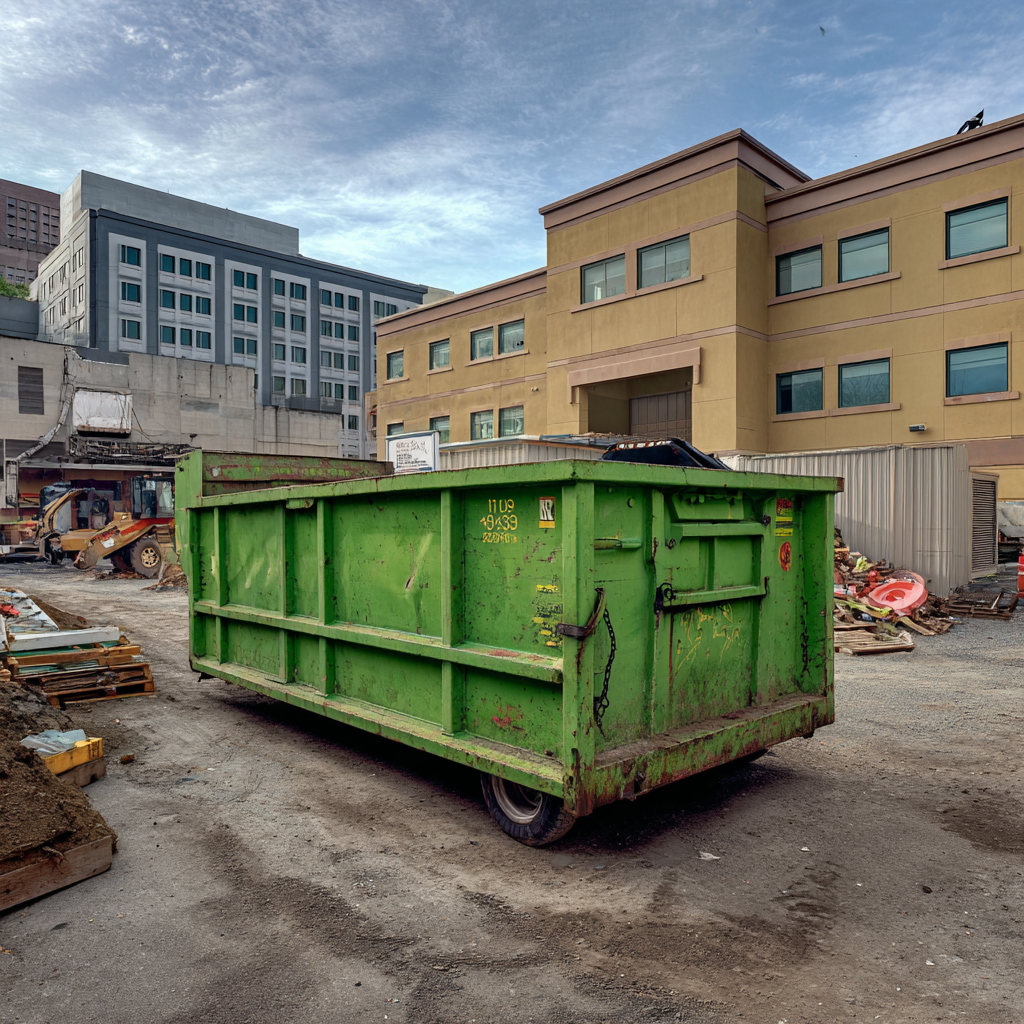
Where you position your waste container can make or break your project’s workflow. Smart placement saves your crew from unnecessary trips across the property. It also keeps equipment paths clear and maintains safety standards.
Getting this right means thinking about both immediate needs and future access. You want the container close enough for efficiency, but not so close it creates hazards.
Optimizing Site Layout and Accessibility
Place your roll dumpster within easy reach of the main work zone. Think about throwing distance rather than walking distance. This keeps debris management efficient without blocking equipment routes.
Remember that delivery trucks need straight approaches. They cannot navigate sharp turns in tight spaces. Measure your placement area before scheduling service.
Consider neighborhood challenges in older Denver areas. Narrow streets in Washington Park or Highlands require extra planning. Clear overhead obstacles like tree branches and power lines.
Site Preparation and Logistics
Prepare a level, hard surface for the container placement. Soft ground during Colorado’s spring thaw can cause sinking. Use protective boards to prevent surface damage.
Clear the delivery zone completely. Remove vehicles, equipment, and landscaping features. Ensure there’s room to open doors fully and work around all sides.
Your crew will appreciate the thoughtful planning. Proper placement makes loading safer and more efficient throughout the project timeline.
Managing Waste and Construction Materials
Managing project leftovers requires more than just tossing everything together. Smart sorting turns potential landfill material into valuable resources. This approach saves money while meeting environmental goals.
Handling Construction Debris
Different materials need different handling strategies. Wood, metal, concrete and drywall each have unique disposal requirements. Understanding these categories helps you manage your waste properly.
Keep materials below container edges for safe transport. Separate heavy items like concrete from lighter debris. Many providers charge based on weight and material type.
Break down large items and compact materials when safe. This maximizes your container space efficiently. Avoid overfilling to prevent additional fees.
Recycling and Efficient Disposal Practices
Recycling programs can divert tons of material from landfills annually. Metal framing, copper wire and clean wood often get a second life. Smart contractors separate recyclables on site for easier processing.
Remember that hazardous materials need special handling. Paint, chemicals, batteries and appliances with refrigerants cannot go in standard containers. LEED-certified programs provide expert sorting to maximize recycling.
Your disposal strategy should match your project scale. From small renovations to large commercial sites, efficient practices keep costs predictable. Proper waste management protects both your budget and the environment.
Safety and Security Considerations
A safe project site isn’t just about hard hats and steel-toed boots. Your waste management approach plays a crucial role in protecting your team and maintaining workflow efficiency. Smart practices here prevent accidents and unexpected costs.
On-Site Safety Protocols
Always wear gloves when handling sharp materials near your container. Position it away from busy pedestrian areas to avoid curious onlookers creating hazards.
Never fill beyond the marked fill lines. Overloaded containers create dangerous situations during transport. Materials can shift and fall, risking injury to workers or bystanders.
Train your crew to avoid throwing debris from heights. Use proper lifting techniques for heavy items. Keep the approach area clear of trip hazards like tools or materials.
Measures to Prevent Unauthorized Use
Lock or cover your dumpster overnight, especially in busy neighborhoods. Unauthorized dumping by others can fill your container and increase disposal costs unexpectedly.
Schedule regular checks to ensure only approved materials go into the container. Prohibited items create liability issues and may result in facility rejections. This protects your budget and timeline.
Navigating Denver’s Local Rules and Regulations
Working in Denver means understanding local rules that affect your project’s bottom line. The city’s regulations can vary dramatically from neighborhood to neighborhood.
Getting caught unaware can lead to fines and project delays. We help you stay compliant while keeping your workflow efficient.
Important Compliance Requirements
Permits are typically required when placing containers on public streets or rights-of-way. Private property placement typically avoids this extra step.
Weight restrictions on city streets mean overloaded units violate transportation codes. This creates liability when haulers move through residential zones.
Noise ordinances limit delivery times in residential areas. Early morning and late evening operations often face restrictions.
Adapting to New Denver Ordinances
Denver’s Universal Recycling & Composting Ordinance takes effect in 2026. Commercial sites must provide composting services for organic waste.
Start planning now for kitchen remodels and landscaping projects. Different neighborhoods like Curtis Park have unique aesthetic requirements.
Check with Denver’s Department of Transportation before blocking sidewalks or bike lanes. Understanding zip code-specific rules helps across the metro area.
Streamlined Dumpster Rental Process
Modern waste management has moved beyond complicated phone trees and paperwork. Today’s services work around your project’s rhythm, not the other way around.
We designed this process to save you time from start to finish. You get exactly what you need without unnecessary steps.
Quick Delivery and Pickup Procedures
Book your container online or by phone in minutes. Specify your project type and timeline for perfect size matching.
Same-day delivery helps when demolition reveals unexpected issues. Weekend services minimize disruption in occupied buildings.
Drivers often send placement photos for confirmation. This ensures your unit lands exactly where you need it.
| Timeline Option | Best For | Lead Time Needed |
| Standard 3-Day | Focused projects | 2-3 days advance |
| Rush Service | Emergency cleanup | Same day available |
| Extended Rental | Weather delays | 24-hour notice |
Planning ahead helps you obtain the dumpster you want at the lowest prices possible. Learn more in our guide Seasonal Booking Strategies for Renting Dumpsters in 2026.
Tailoring Services for Various Construction Projects
From small home renovations to massive commercial builds, each project demands a unique debris strategy. We understand that one-size-fits-all approaches rarely work in the real world of construction management.
Your waste solutions should match your project’s specific challenges and timeline requirements. This customization saves time and prevents costly mistakes.
Residential vs. Commercial Needs
Home projects like kitchen makeovers generate mixed materials that fit mid-sized containers perfectly. These cleanouts typically involve drywall, lumber, and old fixtures.
Commercial sites often need multiple larger units due to their scale. They also require precise scheduling to avoid disrupting nearby business operations.
Roofing jobs create heavy, concentrated waste over short periods. Proper placement allows crews to toss materials efficiently from ground level.
Container Sizes for Construction Projects
Denver construction sites have access to multiple container sizes designed to handle different project scales and material types.
- 10-yard dumpster: Ideal for focused demolition work, bathroom tear-outs, and heavy material disposal including concrete, brick, and stone that quickly reaches weight capacity.
- 15-yard dumpster: Handles medium construction projects such as kitchen demolitions, deck removals, moderate roofing jobs, and multi-room flooring replacements.
- 20-yard roll-off: Accommodates larger residential builds, complete roof replacements, significant remodeling projects, and mixed construction debris from several work zones.
- 30-yard container: Supports substantial commercial projects, whole-house renovations, large-scale demolition operations, and jobs requiring extended debris capacity.
- 40-yard dumpster: Manages major commercial construction, complete building demolitions, new construction framing waste, and high-volume debris generation from industrial sites.
Selecting the appropriate container size based on your project’s debris volume and material density prevents costly mid-project swaps and keeps construction schedules on track.
Customizing Solutions for Unique Job Sites
Fire restoration and flood cleanup demand careful handling of damaged materials. Sometimes separate containers are needed for contaminated debris.
Estate cleanouts blend construction waste with household items. These projects benefit from residential-friendly services that protect driveways.
Historical renovations require extra care with placement to preserve heritage landscaping. Each unique job site deserves a tailored approach.
Smart Takeaways for Your Dumpster Rental Strategy
Successfully managing construction dumpster rental in Denver requires smart planning from project start to completion. Choose the right container size based on your debris volume and material weight. Plan placement that keeps your crew efficient without blocking equipment access. Follow local permit requirements and prepare for Denver’s new composting regulations taking effect in 2026.
Whether you’re managing a commercial build downtown, a residential renovation in Centennial, or a roofing project in Aurora, professional waste management keeps your job site safe and compliant. Contact our team to discover how our Denver-area expertise can help you select the right containers, navigate local regulations, and maintain efficient debris management that protects your budget and timeline throughout every phase of construction.
If you are looking for Where Can You Place a Dumpster in Denver, Colorado?, Click Here
Recent Posts


Follow Us
Have any questions?
+1 844 853 3867
Give us a call today so we can help you find the right waste & sanitation solution for
your project!
Contact Us