
Mon - Sat 7:00 am to 7:00 pm

Where Can You Place a Dumpster in Denver, Colorado?
You’ve secured the perfect dumpster for your Denver project, but now comes a critical question that many contractors and homeowners overlook: where can you actually put it? Dumpster rental placement in Denver involves navigating city permits, right-of-way regulations, HOA restrictions, and neighborhood-specific rules that vary dramatically from LoDo’s busy streets to quiet residential areas like Park Hill—and placing your container in the wrong spot can result in fines, forced removal, or project delays.
At Prime Dumpster, we’ve created this comprehensive placement guide to help you navigate Denver’s unique regulations and logistics. You’ll learn when permits are required, how placement strategies differ for construction sites versus events, and practical preparation tips that keep your project compliant and on schedule.
Fast Facts: Dumpster Placement in Denver
We asked our Prime Dumpster Pros for clear answers to the most common placement questions when renting a dumpster in Denver, CO.
Where can I place a dumpster in Denver?
“You’ve got two main options. You can use private property like your driveway or parking lot, or you can use public right-of-way like streets and sidewalks. Private property placement is usually straightforward and doesn’t need city permits, though you should check HOA rules if you’re in a planned community. Public street placement requires a Revocable Street Occupancy Permit from the city, which typically takes a few days to process.”
Do I need a permit to place a dumpster on my driveway?
“Generally, no. Placing a dumpster on your own driveway or private property doesn’t require a city permit in Denver. The permit requirement kicks in when you’re using public space like streets or sidewalks. That said, some HOAs in neighborhoods like Highlands Ranch or planned communities have their own approval processes, so always check your specific community rules before delivery day.”
How much space do I need for dumpster delivery?
“Delivery trucks typically need at least 14 feet of width and 23 feet of overhead clearance to safely maneuver and place your container. You’ll also want to leave three to five feet of working space around all sides of the dumpster so the rear door can swing open and your crew can load safely. Measure your area beforehand and clear out any parked cars, low-hanging branches or equipment that might block access. Always, always, always confirm space needs with your rental provider.”
Can I place a dumpster on the street in front of my house?
“Yes, but it usually requires getting a Revocable Street Occupancy Permit through Denver’s Department of Transportation and Infrastructure. The permit includes requirements like reflective tape and barricades for safety, and you’ll need to make sure the placement doesn’t block traffic flow, fire hydrants or emergency access routes.”
Are you remodeling or renovating your home? Our guide to Denver dumpster rentals for home remodels includes additional information on permits and placement in residential areas.
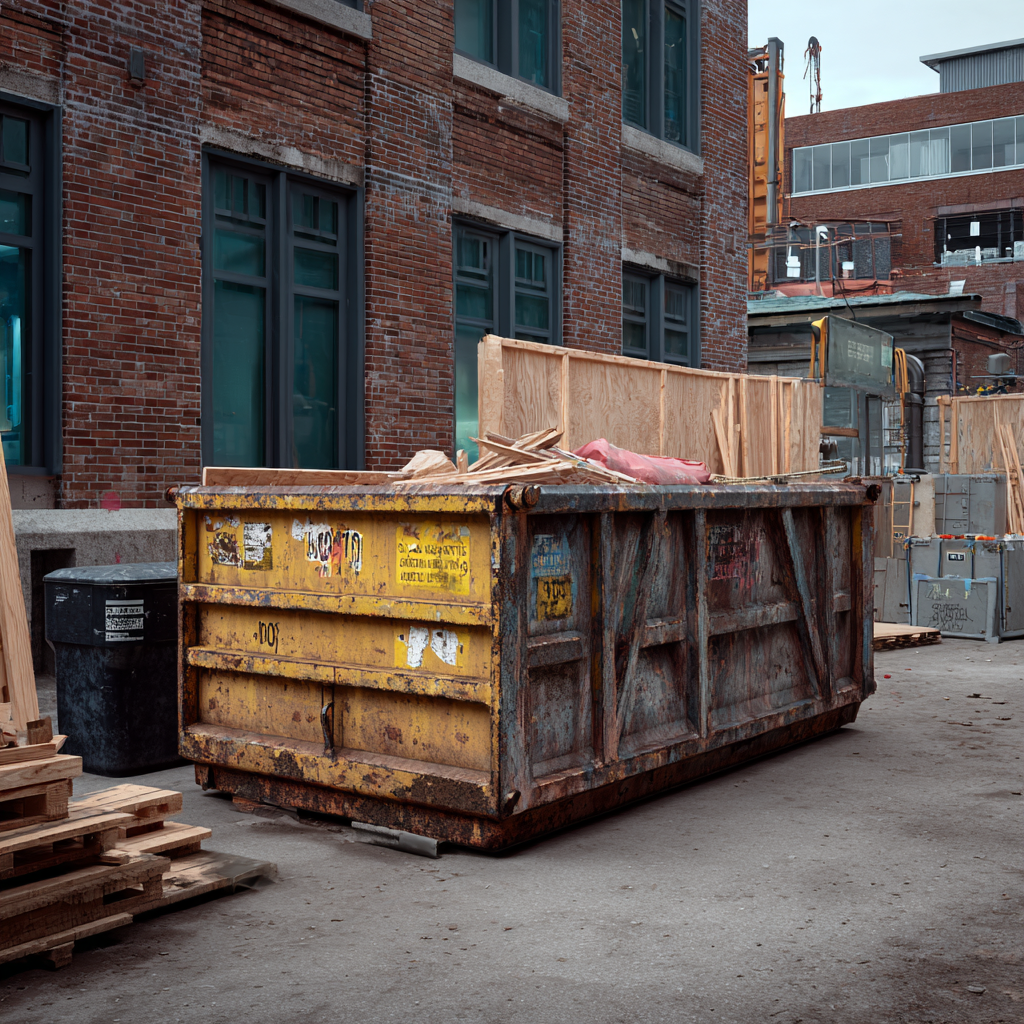
Container Guide by Project Type
| Scenario | Typical Container Size Needed | Common Uses |
| Residential Project | 10-20 yards | Garage cleanouts, roofing debris, small remodels |
| Commercial Site | 20-40 yards | Facility cleanouts, manufacturing scrap, construction |
| Event Venue | Multiple 20-30 yard boxes | Festivals, concerts, attendee waste management |
Dumpster Placement on Denver Streets
Street placement for large containers involves more than just finding an empty spot. When you rent a dumpster in Denver, you’ll need to understand all the city regulations that apply to its use.
Permit Requirements
Any container, including both dumpsters and rented porta potties, placed on public streets, sidewalks, or right-of-way areas typically requires official approval. Skipping this step can lead to fines or forced removal.
The application process involves submitting your location details and container dimensions. City officials review whether your proposed spot meets safety standards.
Processing times vary depending on season and city workload. Apply several days ahead of your planned delivery date to avoid delays.
Navigating Right-of-Way Regulations
Right-of-way rules ensure public access remains uninterrupted. Your container cannot block traffic lanes, sidewalks, or emergency routes.
These regulations apply throughout Denver’s grid system and neighborhood streets. Fire hydrants and bike lanes must remain completely accessible.
Denver Street Placement Guidelines
| Street Type | Permit Required | Special Considerations |
| Residential Street | Yes | Cannot block driveway access or mail delivery |
| Commercial Corridor | Yes | Must maintain traffic flow and business access |
| Event Area | Yes, plus event permit | Coordinated with emergency service routes |
Keep in mind these are general recommendations about dumpster rental placement in Denver and you’ll need to check for your specific situation.
Dumpster Placement at Construction Sites
A construction site’s efficiency often hinges on one critical decision: where to put the large container for debris. Smart placement keeps your job flowing smoothly and your team safe.
Here’s a look at the practical steps for positioning your container correctly.
Site Logistics and Safety Considerations
Think about delivery truck access first. Is the path clear? Check for overhead power lines and ensure the ground is stable enough to support a heavy, loaded box.
Protect the surface underneath. Use plywood boards on driveways or soft soil to prevent costly damage. Leave plenty of room around all sides.
Workers need space to safely toss materials. The rear door must swing open fully. This planning prevents mid-project headaches.
Compliance with Local Construction Ordinances
Denver has specific rules for construction sites. Your container might need a certain setback from property lines.
Some zones require protective fencing around the unit. These rules protect adjacent properties and maintain site safety for the project’s duration.
Dumpster Placement for Denver Events
Imagine coordinating waste removal for thousands of cheering fans at a Broncos game or managing cleanup after a massive downtown festival. Large gatherings demand a smart strategy for handling trash.
Your goal is to keep the venue clean without disrupting the guest experience. This requires careful planning and coordination.
Planning for Festivals and Sporting Events
Large-scale gatherings require strategic container positioning that balances attendee access with operational efficiency and safety compliance.
- Festivals and concerts at venues like Red Rocks or Civic Center Park: Position multiple mid-sized containers near food vendor areas and main exits to capture peak waste volumes during set breaks and event conclusion.
- Sporting events at Coors Field or Empower Field: Concentrate containers near concession stands and restroom facilities where attendee traffic naturally congregates, ensuring rapid turnover during halftime and between innings.
- Street festivals and parade routes: Distribute smaller 20-yard containers at regular intervals along the event footprint rather than clustering all units in one location, preventing long walks that lead to littering.
- Multi-day events and conventions: Schedule mid-event pickups and container swaps to prevent overflow situations that create health hazards and detract from attendee experience.
- Emergency vehicle access requirements: Maintain clear fire lanes and emergency routes regardless of container placement, as Denver fire code requires unobstructed access at all times during permitted events.
Coordinate container delivery and pickup timing with event schedules to minimize disruption during peak attendance hours while ensuring adequate capacity throughout the gathering.
Coordinating with Emergency Services
Working with city officials and first responders is a critical step. They need to approve your container locations on-site.
Having on-call support is vital. If adjustments are needed during the event, your team can make quick changes.
Event Waste Management Guide
| Event Type | Container Strategy | Primary Focus |
| Large Festival | Multiple mid-size units spread throughout | Attendee convenience and pathway clearance |
| Sporting Event | Concentrated near concessions and exits | Rapid collection during peak times |
| Concert Series | Scheduled swap-outs between performances | Managing high-volume bursts |
Permit Requirements for Dumpster Placement in Denver
Placing your dumpster on private property like your driveway typically doesn’t require a city permit. Public right-of-way placement—including streets, sidewalks, or alleys—requires a Revocable Street Occupancy Permit (RSOP) from Denver’s Department of Transportation & Infrastructure. This distinction determines whether you need to navigate the city permit process or can proceed with simple delivery scheduling.
Denver RSOP permits include:
- Maximum 180-day timeframe for container placement
- Required safety features like reflective tape and barricades
- Specific fees based on duration and location
The permit application process happens through Denver’s e-permits portal. Processing times vary by season and city workload, so plan several days ahead of your delivery date. Historic districts and certain neighborhoods may have additional restrictions beyond standard city requirements.
Always check with your HOA if you live in a planned community, as they often have their own rules about container visibility and placement duration. Some Denver neighborhoods require approval even for private property placement. Your rental provider can help guide you through local requirements specific to your project location.
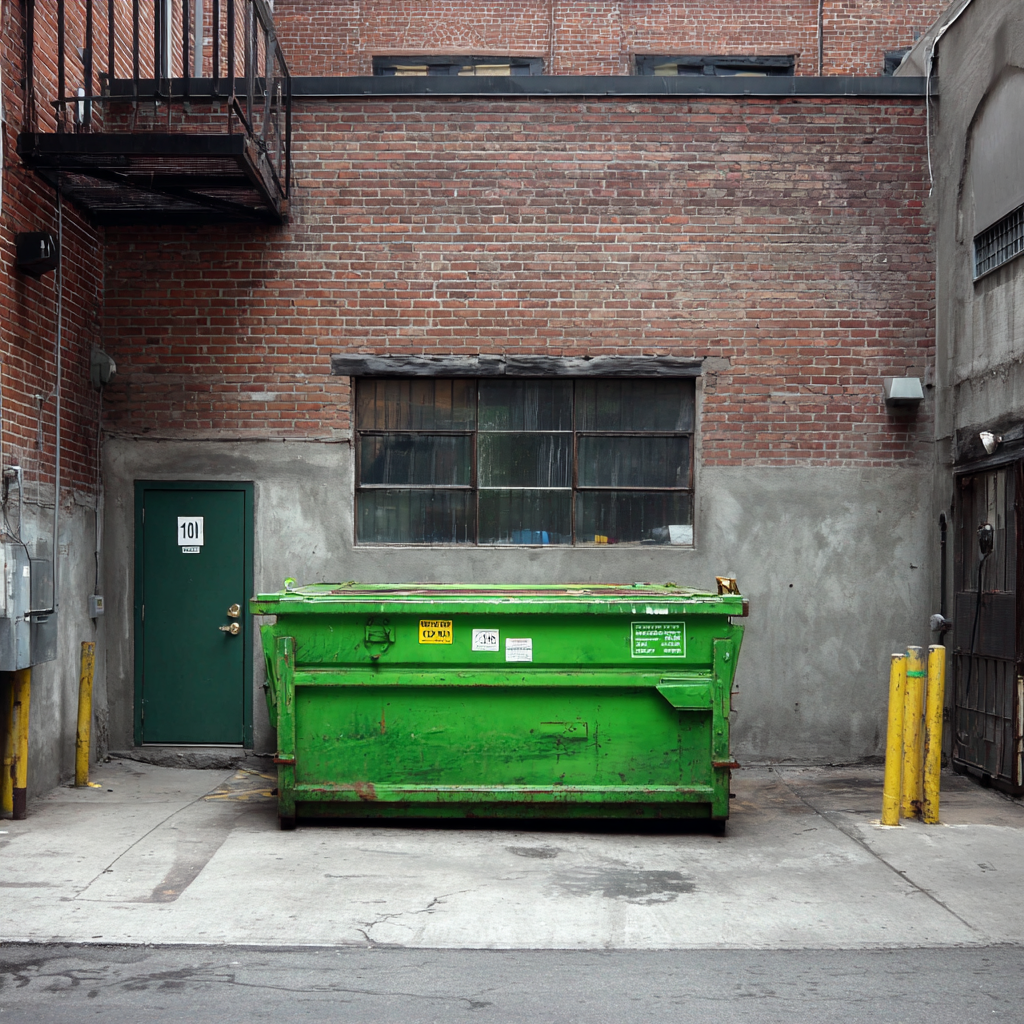
Dumpster Rental Placement Denver, CO
Before your big project begins, two critical decisions will shape your entire experience. Selecting the correct container and planning its arrival are vital steps.
Getting this right saves you money and prevents logistical headaches. We will guide you through the process.
Sizing and Timing for Various Projects
What type of rental dumpster do you need? While specifics will vary based on your location and other factors, here’s a look at the most common sizes often available.
A 10-yard dumpster is perfect for a bathroom remodel or clearing out a garage. It’s also typically the only option for heavy materials like concrete, due to the weight limits.
Step up to a 15-yard roll off or a 20-yard box for roofing jobs or a kitchen renovation. For major construction or commercial cleanouts, consider the large 30-yard dumpster or 40-yard container options.
Timing is just as important. Book your service a few days in advance, especially during busy seasons.
Many local providers offer same-day or next-day delivery if your needs are urgent. This flexibility keeps your project on track.
Assessing Space and Job Site Needs
Take a moment to measure your intended placement area. You need a flat, stable surface that can support a full container.
Check for delivery truck access. The truck typically needs a clear path that is 14 feet wide and 23 feet high.
Look out for obstacles like low-hanging tree limbs, narrow gates, or parked cars. Clearing these ahead of time ensures a smooth drop-off.
Communicate your project timeline clearly. Most services include a standard rental period with options to extend or schedule an early pickup.
Preparing Your Site for Delivery
Smart preparation before your dumpster arrives prevents delivery problems and keeps your project on schedule.
- Clear the path: Remove vehicles, equipment, and obstacles from the delivery area at least 24 hours before your scheduled arrival time.
- Measure access: Ensure delivery trucks have at least 14 feet of width and 23 feet of overhead clearance for safe maneuvering and container placement.
- Protect surfaces: Place plywood sheets under the container location to prevent damage to driveways, grass, or decorative surfaces from the weight of a loaded unit.
- Plan workspace: Leave 3-5 feet of clearance on all sides so workers can safely approach the container and the rear door can swing open fully.
- Mark utilities: Identify and mark underground utility lines, sprinkler systems, and septic tanks to avoid costly damage during placement.
Taking these preparation steps ensures smooth delivery and protects both your property and your project timeline.
Essential Tips for Efficient Dumpster Placement
Smart container placement turns a potential headache into a smooth operation. We have gathered practical advice to help you minimize disruption and work effectively with city officials.
Following these steps for dumpster rental placement in Denver keeps your project moving forward without unnecessary delays.
Minimizing Job Site Disruption
Think about your crew’s workflow when choosing a spot for your container. You want it convenient for tossing debris but not in the way of deliveries or equipment.
Parking for workers and subcontractors must remain clear all day. A poorly placed unit can create bottlenecks that slow everything down.
Coordinating with City Officials
Always talk to city officials before you set up your container. Understanding permit rules and right-of-way restrictions upfront prevents violations.
Your rental provider can help with this process. They know the local requirements for your specific location.
Clear communication about your project timeline ensures a compliant setup. It is the best way to avoid fines and keep your job on track.
Common Job Site Disruption Factors
| Factor | Poor Placement Impact | Smart Placement Solution |
| Equipment Access | Blocks essential machinery | Position in a low-traffic corner |
| Worker Parking | Eliminates needed spaces | Choose a spot that preserves access |
| Material Delivery | Creates unloading delays | Ensure clear paths for trucks |
| Daily Workflow | Forces inefficient detours | Place for convenience, not obstruction |
Leveraging Local Insights and Neighborhood Knowledge
The secret to smooth waste management in Colorado’s Front Range lies in understanding the local landscape beyond just regulations. Each community has its own character that influences how you approach container logistics.
Working with providers who know the area makes all the difference. They understand the subtle differences between neighborhoods that can impact your project’s success.
Learning from Denver’s Diverse Industries
Denver’s economy spans from aerospace near Buckley Space Force Base to craft breweries throughout the metro area. Each industry generates unique waste streams requiring specialized approaches.
Tech companies in the Denver Tech Center need different solutions than outdoor recreation businesses. Our teams understand these distinctions from serving hundreds of area projects.
Utilizing Local Best Practices
Neighborhood knowledge helps navigate specific challenges. Historic districts like Curtis Park have different requirements than modern planned communities.
Prime Dumpster’s experience with typical home renovations in Wash Park or Highland ensures the right container size and placement strategy. We know how Colorado’s unpredictable weather affects timing, use, and other factors.
Neighborhood Placement Considerations
| Area Type | Common Challenges | Local Solutions |
| Historic Districts | Visibility restrictions, narrow access | Discreet placement, smaller containers |
| Modern Communities | HOA regulations, planned layouts | Pre-approved locations, coordinated timing |
| Mixed-Use Corridors | Parking limitations, business access | Off-hours delivery, strategic positioning |
Your Denver Placement Partner
Successfully navigating dumpster rental placement in Denver starts with understanding the basics. You need to know when permits are required for public versus private property. Proper site preparation ensures safe delivery and access. Your placement strategy should match your specific project type.
Whether you’re managing a construction site, organizing an event, handling a home renovation, or more, we’re here to help. Contact our team to discover how our Denver-area expertise can simplify your placement logistics. We’ll help keep your project compliant and on schedule from start to finish.
If you are looking for Same-Day Dumpster Delivery in Denver, CO: What’s Possible?, Click Here
Recent Posts


Follow Us
Have any questions?
+1 844 853 3867
Give us a call today so we can help you find the right waste & sanitation solution for
your project!
Contact Us