
Mon - Sat 7:00 am to 7:00 pm

Construction Dumpster Rental in Lufkin, TX: A Guide for Contractors and Construction Pros
Managing construction sites in East Texas means dealing with substantial debris from timber-heavy builds, renovations, and commercial projects. Construction dumpster rental in Lufkin, TX requires understanding local regulations, selecting appropriate container sizes for your project scope, and coordinating delivery logistics that work with the area’s unique conditions.
- Container sizes range from 10-yard units for small remodels to 40-yard options for major commercial projects
- Local regulations vary across Lufkin, Diboll, and Huntington regarding permits and placement requirements
- Proper planning prevents weight overages and ensures containers match your debris type and project timeline
At Prime Dumpster, we’ve created this practical guide based on our experience serving contractors throughout the forest capital of Texas. You’ll learn how to select the right container size, navigate local waste management regulations, coordinate efficient delivery schedules, avoid hidden fees, and more.
Fast Facts: Construction Dumpster Rental in Lufkin
We asked our Prime Dumpster Pros for answers to the most common questions contractors have about renting dumpsters in Lufkin, Texas.
What size dumpster do most Lufkin construction projects need?
“Most residential construction and renovation projects in Lufkin work well with 20-yard containers, which handle about eight pickup truck loads of debris. Commercial builds and major demolition projects typically need 30 or 40-yard units to accommodate larger volumes. The timber industry’s influence in East Texas means many projects generate substantial wood waste, so sizing up slightly often prevents mid-project swaps.”
Do I need a permit to place a construction dumpster in Lufkin?
“It depends on where you’re placing the container. Private property placement like your job site or a parking area typically doesn’t require city permits. Placing a dumpster on public streets or right-of-way areas usually requires permits from the city, and requirements can vary between Lufkin, Diboll, and other surrounding communities. Always check local ordinances before delivery day to avoid delays.”
How long can I keep a construction dumpster on my Lufkin job site?
“Standard rental periods typically run five days, which covers most residential renovation phases. Larger commercial projects often need longer terms, and extensions are available if your timeline shifts. Most providers are flexible and understand that East Texas weather or unexpected project discoveries can affect schedules, so communicate early if you need to adjust your rental period.”
What construction materials can’t go in a Lufkin dumpster rental?
“Standard construction dumpsters can’t accept hazardous materials like paint, solvents, chemicals, asbestos, or liquids. You also can’t dispose of tires, batteries, or certain electronics in regular containers. Wood, drywall, metal, concrete, roofing materials, and general construction debris are all acceptable. Heavy materials like concrete and dirt have weight restrictions, so let your provider know upfront if you’re disposing of these materials.”
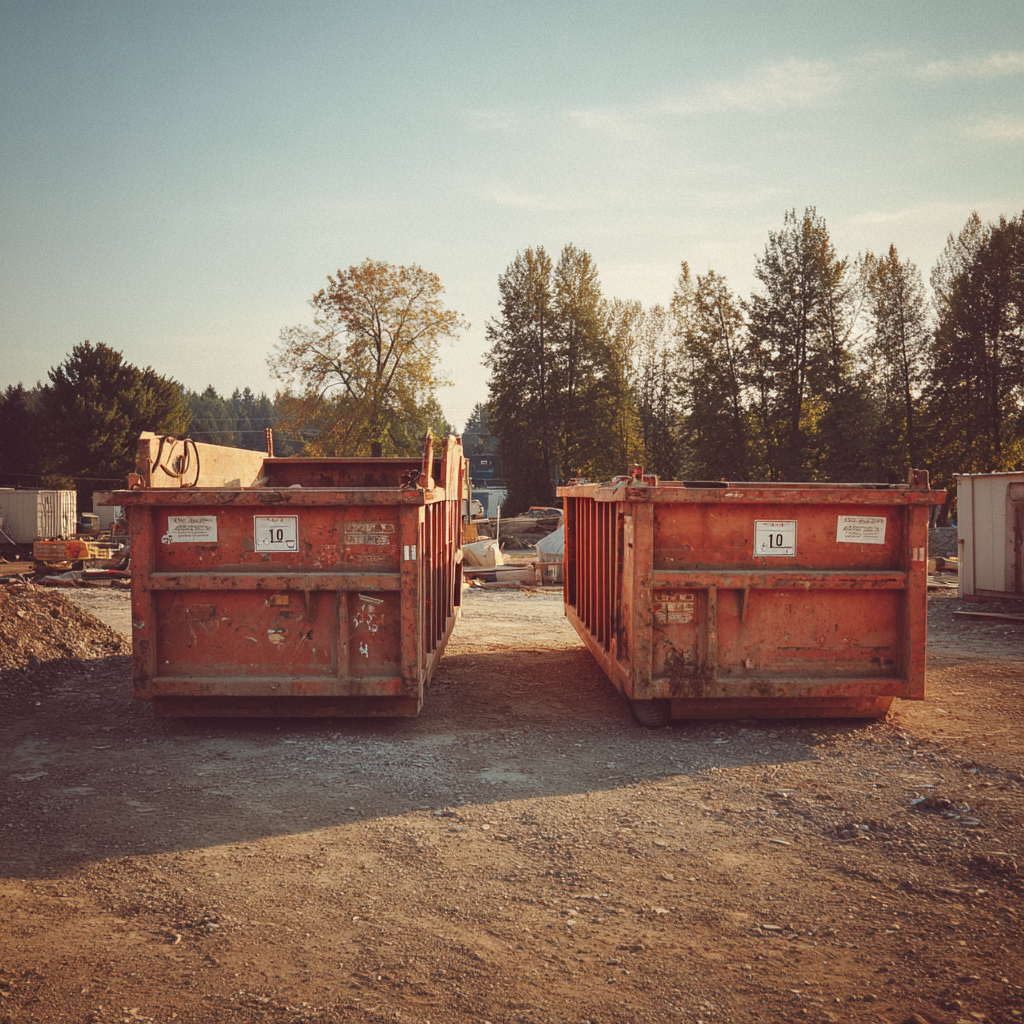
Choosing the Right Dumpster Size for Your Project
Nothing slows down a worksite faster than choosing the wrong waste container size. Getting this decision right keeps your project moving smoothly from start to finish.
We’ll help you match your debris volume to the perfect container. This prevents costly mid-project swaps or having half-empty units sitting around.
Assessing Your Project’s Debris Needs
Start by estimating both the type and amount of materials you’ll remove. Heavy items like concrete fill weight limits faster than volume capacity.
Think about your project timeline, too. Longer jobs might benefit from smaller containers that get swapped out rather than one large unit.
When uncertain between two sizes, going larger usually saves money. Professionals often underestimate debris volume.
Scale Considerations for Construction and Renovation
Available options range from 10-yard units for small remodels to 40-yard containers for major projects. The 20-yard size works well for most room demolitions.
Remember that yard measurements refer to cubic volume. A 20-yard container holds about eight pickup truck loads.
Consider your worksite space, too. Larger units need more clearance for delivery and loading access.
Local Waste Management Regulations in Lufkin and Surrounding Communities
Compliance isn’t just about avoiding fines—it’s about running a smooth operation that respects the community. Different municipalities have varying rules that affect your project timeline and budget.
Meeting Compliance Requirements on Construction Sites
Each East Texas community from Diboll to Hudson has specific waste management regulations. These rules protect neighborhoods and the environment while keeping projects moving forward.
- Permit requirements vary significantly based on container placement. Public street placement typically needs permits while private sites often don’t. Always check local ordinances before starting work.
- Prohibited materials lists exist for good reason. Standard containers cannot accept hazardous substances, liquids, or certain chemical products. Proper disposal protects everyone involved.
- Timing and placement matter in residential areas. Some neighborhoods restrict how long containers can stay or require screening for renovation projects. Knowing these details prevents neighbor complaints.
Working with providers familiar with local regulations simplifies compliance. They understand area-specific requirements and can guide proper procedures. This partnership helps avoid costly violations that halt progress.
Planning for Construction Site Waste Removal
Smart planning turns waste management from a headache into a strategic advantage on any Lufkin worksite.
- Plan early: Start your debris removal strategy during project bidding to accurately price waste management costs into your budget
- Phase by material type: Demolition generates heavy debris while finishing work produces lighter materials requiring different removal approaches
- Strategic placement: Position containers accessible to workers but away from equipment paths and emergency routes
- Sort for savings: Separate recyclable materials like metal and clean wood to reduce overall disposal costs
- Build flexibility: Account for East Texas weather delays and unexpected discoveries that extend project schedules
Understanding your debris needs before breaking ground prevents materials from piling up faster than you can handle them while keeping costs predictable throughout your project.
Read our Ultimate and Beginner-Friendly Guide to Construction Roll-Off Dumpsters for details about every aspect of dumpster rental and use.
Cost Considerations and Transparent Pricing
Transparent pricing structures eliminate the guesswork from your project planning. We believe you deserve to know exactly what you’re paying for without surprises.
Getting a detailed quote upfront helps you plan your budget effectively. Ask providers to break down all costs clearly.
Avoiding Hidden Rental Fees
Watch out for common triggers that create extra charges. Weight overages and prohibited materials often lead to unexpected fees.
Proper loading and clear communication prevent most hidden costs. Make sure your team understands what can and cannot go in the container.
Choosing the Correct Dumpster Size
How do you choose the right dumpster size to rent? Matching container capacity to your actual project needs prevents overpayment while ensuring adequate space for all debris generated during your work.
Estimating Debris Volume
The most important number to note is your actual debris volume. Calculate the cubic yards of materials you’ll remove by measuring room dimensions and accounting for demolition depth. A bathroom remodel typically generates (as a general range) 2-4 cubic yards while a whole-home renovation can produce 30-40 cubic yards or more.
Cost Comparison Benefits
A larger unit often costs less than multiple smaller rentals. The price difference between a 20-yard and 30-yard container is usually $100-150, while scheduling two separate 20-yard deliveries costs significantly more when you factor in delivery fees for each trip.
Timeline and Budget Planning
Plan for potential timeline extensions in your budget. Projects rarely finish exactly on schedule, so build in some flexibility. Weather delays, permit issues, or material delivery problems can extend rental periods by days or weeks beyond initial estimates.
Strategic Rental Periods
Your rental period should match your project phases rather than the entire job duration. Schedule containers specifically for demolition phases when debris generation peaks, then arrange pickup before reconstruction begins. This approach keeps costs manageable while ensuring capacity when you actually need it.
Service Areas and Local Industry Insights in Lufkin, TX
From historic downtown districts to modern industrial parks, each neighborhood in Lufkin requires tailored service approaches. We cover a 70-mile radius from central East Texas, reaching communities like Diboll, Huntington, and Nacogdoches.
Understanding local conditions helps you plan effectively. The Forest Capital nickname reflects the timber industry’s lasting influence on project types throughout the area.
Neighborhoods and Local Industrial Zones
Established communities around Crown Colony and Kurth Lake feature narrower streets. This affects equipment access compared to newer developments with wider layouts.
Industrial zones near manufacturing facilities generate consistent commercial projects. These often need larger containers and more frequent service than residential work.
Local businesses in Lufkin drive steady demand across the community. Healthcare expansion and retail growth create ongoing opportunities for professional services.
| Area Type | Common Projects | Service Considerations | Local Insight |
| Historic Districts | Renovations, restorations | Tight access, permit requirements | Mature landscaping affects placement |
| Industrial Zones | Commercial builds, expansions | Larger containers, frequent service | Timber industry influences debris types |
| New Developments | Construction, infrastructure | Easier access, standard service | Wider streets designed for equipment |
| Mixed-Use Areas | Combined residential/commercial | Flexible scheduling needed | Varied customer needs throughout community |
Working with providers familiar with local conditions ensures smooth operations. They understand everything from soil types to neighborhood standards that impact your project approach.
Preparing Your Construction Site for Dumpster Delivery
Proper preparation before equipment delivery prevents costly delays and safety hazards. We’ll walk you through creating the ideal setup for your container.
Think of this as setting the stage for efficient debris management. A little planning now saves significant time later.
Site Safety and Accessibility Considerations
Start by choosing firm, level ground away from overhead hazards. Verify underground utilities by calling 811 before placement.
Delivery trucks need approximately 60 feet of straight-line access. They also require 23 feet of vertical clearance when positioning the container.
Clear obstacles like low branches or narrow gates beforehand. Protect driveways with boards placed before arrival rather than after.
Optimal Placement to Enhance Workflow
Position your container close to the work area but not in the way. This balance minimizes carrying time while maintaining clear equipment paths.
Face the opening toward your primary debris generation spot. Allow multiple approach angles for crew efficiency during busy periods.
Communicate site conditions when booking your service. Mention any special requirements to prevent delivery day surprises.
Your Lufkin Construction Partner
Successfully managing construction dumpster rental in Lufkin, TX starts with selecting the right container size for your debris volume, understanding local permit requirements across East Texas communities, and coordinating delivery logistics that work with the area’s unique conditions. Contact our team to discover how we can help you maintain organized, compliant job sites throughout the Forest Capital of Texas from groundbreaking through final cleanup.
If you are looking for Dumpster Rentals for Home Remodels in Denver, CO, Click Here
Recent Posts


Follow Us
Have any questions?
+1 844 853 3867
Give us a call today so we can help you find the right waste & sanitation solution for
your project!
Contact Us