
Mon - Sat 7:00 am to 7:00 pm
Do You Need a Dumpster Permit in Redmond, Oregon?
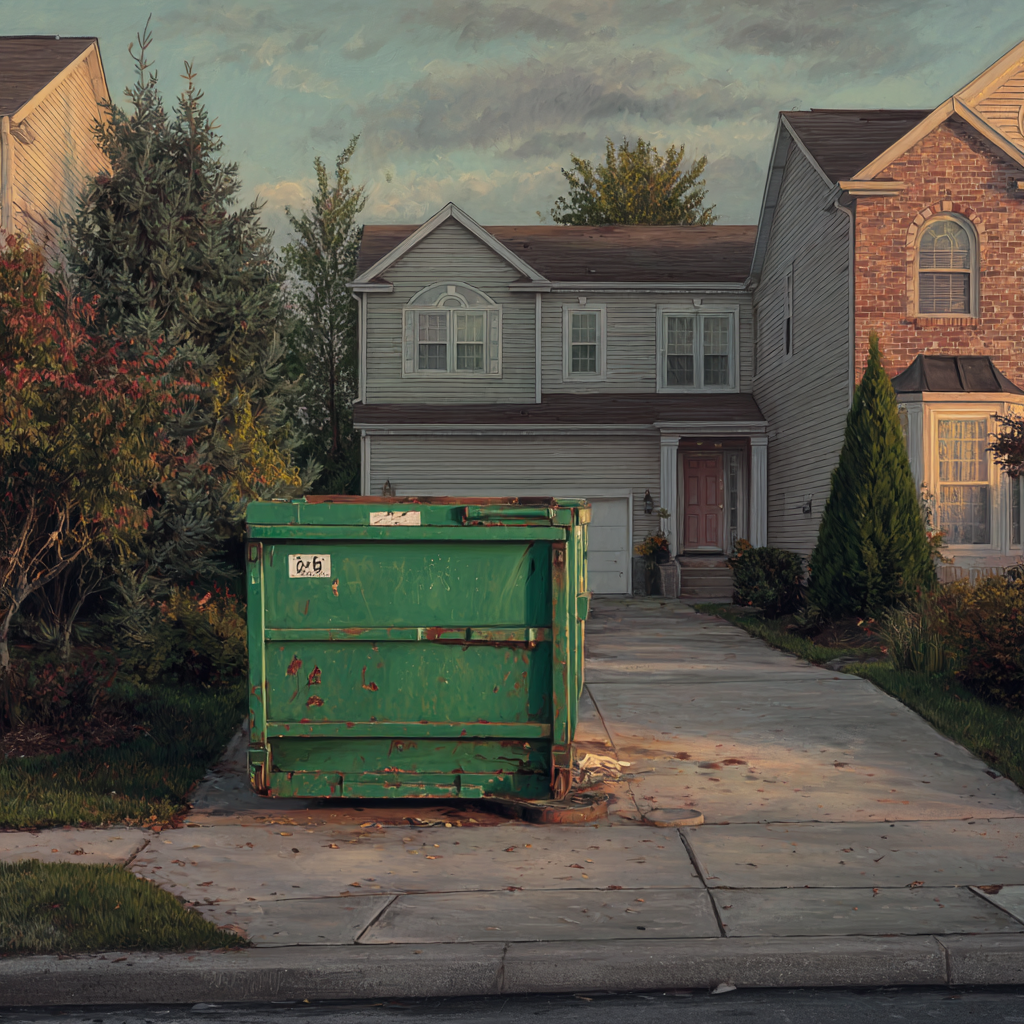
Redmond projects move fast, but a misplaced dumpster can bring everything to a halt. Street placement triggers permit requirements that many contractors don’t anticipate until delivery day. Private property placement usually avoids city approval, but Central Oregon’s weather and terrain create their own challenges.
Prime Dumpster helps contractors and property owners navigate Redmond’s permitting landscape. This guide explains when you need a dumpster permit in Redmond, OR, which placements avoid regulatory headaches, and how High Desert conditions affect container positioning from downtown blocks to Juniper Ridge developments.
Fast Facts: Dumpster Permits in Redmond
Our Prime Dumpster Pros answer the most common questions about permit requirements for rented dumpsters in Redmond, OR.
Do I need a permit if my dumpster is on a public street or sidewalk?
“Yes, you’ll need a Right-of-Way Use Permit from the City of Redmond if your container blocks street lanes, parking areas, or sidewalk space. Licensed contractors often handle the application process as part of project setup. Street placement requires advance approval to ensure traffic flow and pedestrian access remain safe throughout your rental period.”
What if the dumpster stays completely on my private property?
“Private property placement like driveways or jobsite pads typically avoids city permit requirements since you’re not using public right-of-way. Always verify with the City of Redmond’s Development Services or Public Works before delivery since specific project circumstances can trigger different requirements. Property location, duration, and proximity to public areas may affect whether approval is needed.”
How far in advance should I apply for a street placement permit?
“Submit permit applications at least one to two weeks before your planned delivery date during Redmond’s busy construction season from April through September. Winter applications often process faster with less competition for street space. Early planning prevents delivery delays that can halt demolition work and push back your entire project timeline.”
When a Permit is Required for Roll-Off Dumpster Placement in Redmond?
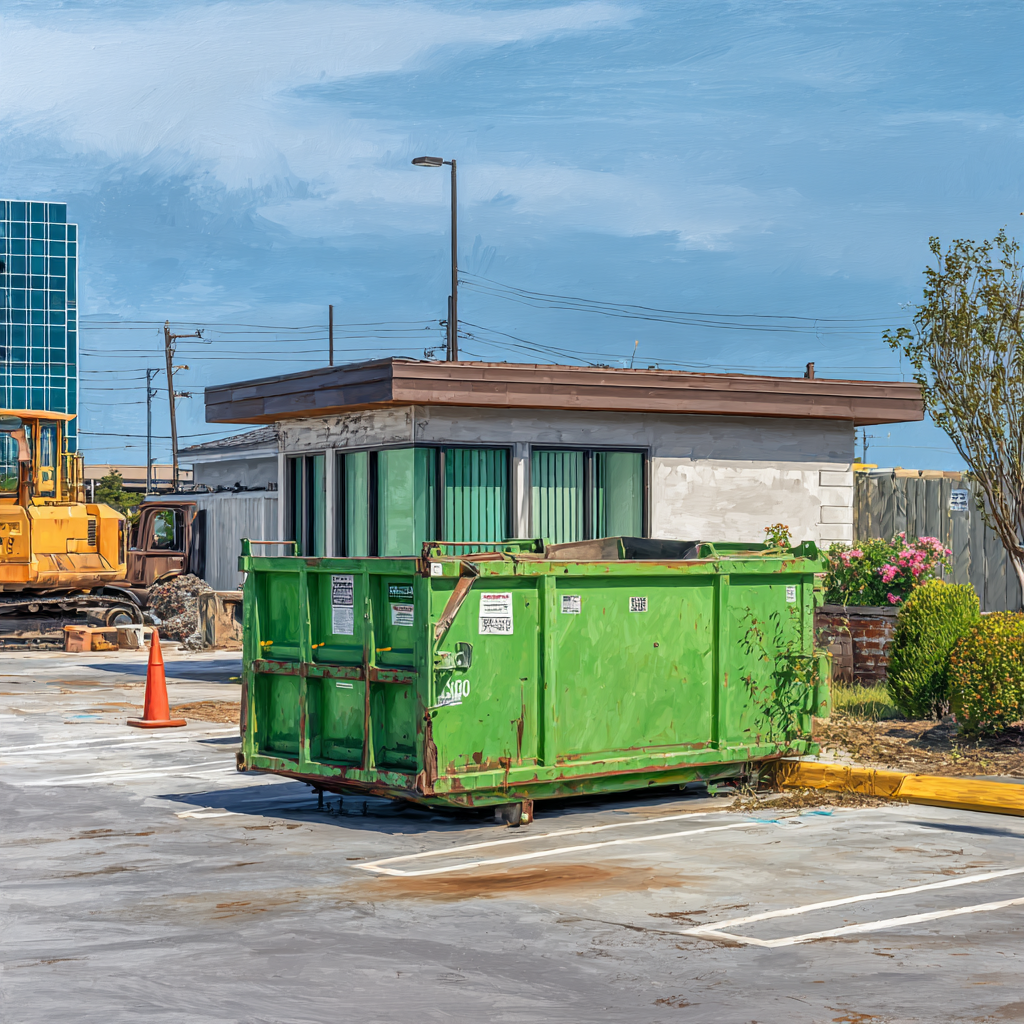
In Redmond, a simple rule usually applies. If your dumpster touches public space, you’ll need a permit. This usually happens when you run out of space on-site and look to the curb.
Always check the ground before you look up. If the dumpster’s wheels touch city-owned pavement, you likely need a permit. This includes areas in front of busy lots where people think it’s okay for a day.
Street, Sidewalk and Other Public Right-of-Way Placements
If your dumpster is on a street, you’ll likely need a Street Use Permit in Redmond. This is also true if it blocks travel, parking, or shoulder areas used by the public.
A sidewalk dumpster permit is needed quickly, even for a small area. Redmond values walkability and keeps sidewalks clear for pedestrians. Aim for at least 44 inches of space for people to pass.
Outdoor storage rules also guide where you can place dumpsters. Avoid blocking traffic or pedestrian paths. Often, you need to leave at least five feet clear, even in tight spots.
If a stroller, wheelchair, or delivery cart can’t pass without stepping into the street, rethink your setup.
Typical Scenarios That Trigger Permitting For Construction, Renovations And Events
Permits are common during construction and renovations. Even small projects like roofing tear-offs or kitchen remodels can fill a construction roll off dumpster quickly.
- Downtown blocks where private driveways are short and curb space feels like the only option
- Projects with material deliveries that compete with the same staging area as the dumpster
- Street-adjacent demo where debris loading would push workers into traffic
- Pop-up cleanups and community days that need an event waste container permit for public placement
Even one-day events can require a permit if the dumpster blocks parking, walking, or rolling areas. If access gets messy, the city will ask for a plan.
How Long Dumpsters May Need To Stay In Place And Why That Affects Planning
Duration is key. Construction dumpster permit timing is important because long-term placement affects parking, sightlines, and pedestrian flow.
Plan in phases. Demo might need a dumpster early, framing might need it again, and final punch work often brings one more haul. If you expect repeat swaps or extended use in the same spot, treat the schedule like part of the permit strategy, not an afterthought.
| Placement and timeline | What usually raises a flag | What to plan for on-site |
| Street-facing curb lane for 1-3 days | Reduced parking and drivers merging around the container | Confirm Street Use Permit Redmond needs early and keep loading away from traffic |
| Sidewalk edge or sidewalk-adjacent staging | Pedestrians forced into the street, blocked curb ramps | Plan for a sidewalk dumpster permit and keep at least 44 inches clear for access |
| Public right-of-way corner near an intersection | Sightline issues and turning conflicts for trucks and cars | Treat it as a public right-of-way dumpster Redmond setup and adjust placement to reduce risk |
| Event setup in a public parking area | Foot traffic surges and short-notice deliveries | Secure an event waste container permit and map where lines and crowds will move |
Where You Can Place A 10, 15, 20, 30 Or 40 Yard Dumpster Without Creating Access Issues
In Redmond, where you place the dumpster matters a lot. Put it on a private, hard surface to avoid common problems. For a 10 yard dumpster, a flat driveway or gravel pad works well, as long as it stays within your property lines.
Before the truck comes, make sure the area is clear. Move cars, shift equipment, and check for power lines and low branches. If the driver can’t get a straight path, you might get a few extra gray hairs.
| Placement reality check | Typical permit path | What the city focuses on |
| Container sits in a travel lane or blocks parking on a public street | Street Use Permit Redmond OR | Traffic flow, visibility at intersections, emergency access |
| Container overlaps sidewalk, curb ramp, or shoulder in a shared corridor | City of Redmond right-of-way permit | Pedestrian access, ADA routes, safe detours |
| Container is fully inside a driveway or fenced jobsite pad | Often no city permit, confirm site specifics | Property line clearance, truck approach, surface protection |
| Container placement is borderline, with inches to spare near the curb | Reviewed under public property dumpster rules | Encroachment limits, signage needs, nighttime visibility |
Driveways, jobsite pads and staging areas that keep containers within property lines
For a 20 yard dumpster, aim for a straight path with enough room for the rear door. Place it close to the work area but not so close it blocks anything. This keeps everyone moving smoothly.
Protect the surface well. Use plywood or 4×4 timbers under the wheels to spread the weight. Choose gravel or compact dirt when possible. A quick walk before ordering can save you from moving the dumpster, which is a hassle.
- Leave clearance for the truck to tilt and slide the dumpster off the rails.
- Keep at least one clear route for deliveries, trades, and emergency access.
- Stage tools and pallets away from the landing area so the driver is not threading a needle.
While the prep steps are simple, make sure to complete them before the delivery truck arrives on site.
Tighter Access Zones Near Downtown Redmond and Dry Canyon
Older lots and tight streets make Downtown Redmond dumpster placement tough. If your driveway is short or shared, measure twice and plan for traffic flow, trash pickup days, and pedestrian paths.
Dry Canyon access can be tricky with narrow approaches, limited turns, and nearby trails. Keep the container off travel lanes and away from walkways.
| Area | Common pinch points | Placement move that helps |
| Downtown blocks | Tight alleys, limited curb space, frequent parking turnover | Set the box fully on-site and keep a clear path for deliveries and neighbors |
| Near Dry Canyon corridors | Narrow approaches, trail traffic, limited shoulder room | Pick a private pad with good visibility and keep walkways open and predictable |
| Older residential streets | Short driveways, overhead trees, close-set garages | Check overhead clearance and use plywood to protect finished surfaces |
Higher-Growth Areas such as Juniper Ridge and Delivery Timing during Peak Building Season
In fast-growing neighborhoods, timing is as important as location. With Juniper Ridge, crews and deliveries come fast. Plan a spot that keeps the job moving and doesn’t block others.
For 30 yard dumpsters, reserve a spot early to avoid delays. For big cleanouts, 40 yard dumpsters need extra room for approach, drop, and pickup, even more when there are multiple builds on the same street.
Local Conditions that Influence Placement and Compliance in Central Oregon
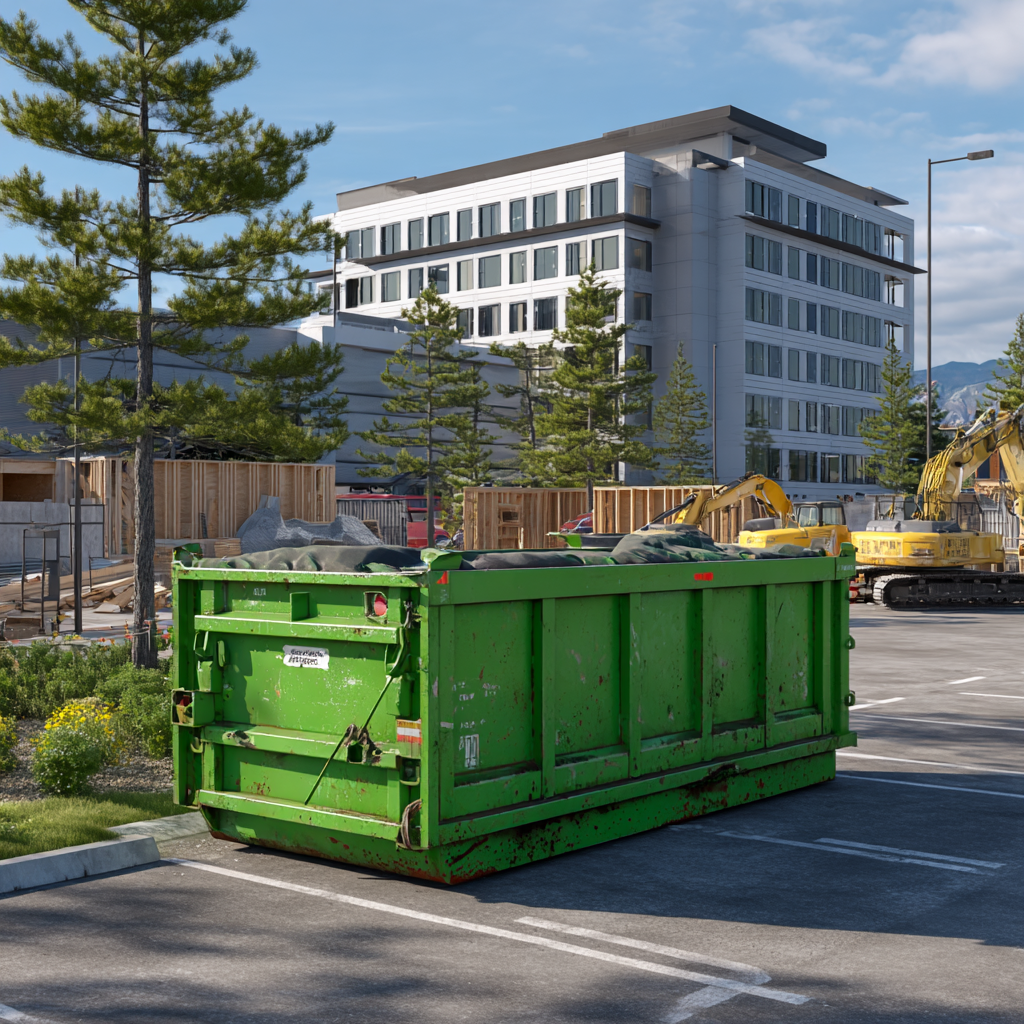
In Redmond, finding the right spot for any type of rented roll-off dumpster is more than just a map check. Weather, surfaces, and traffic can change quickly.
- Summer heat in the High Desert is intense. Dark asphalt can soften, causing ruts from steel rails and wheels. To protect the asphalt, avoid dropping the dumpster directly on bare pavement.
- Use thick plywood under contact points and add 4×4 timbers under wheels or rails. This spreads the weight and keeps the driveway or parking lot smooth. It’s crucial in tight spaces where everyone is watching the clock.
- Snow and ice bring new challenges, even if the dumpster stays in place. Winter dumpster safety focuses on traction and visibility. You want crews and drivers to load safely without slipping or getting lost in snow.
- Keep a shoveled path to the dumpster door and clear the swing area. Mark corners so they’re easy to spot at dusk. If your site plows, avoid making the dumpster a snow storage area. It’s a common mistake.
- Industrial areas near Redmond Airport require extra planning. You’ll see heavy trucks, early starts, and tight spaces. Commercial dumpster logistics teams need clear lanes, predictable pickup times, and clean setbacks.
Ensure the dumpster is not in fire lanes or loading approaches. Leave enough space for turn radiuses to avoid tight maneuvers. A clean layout helps follow site rules and avoids last-minute moves.
| Local condition | What can go wrong | Practical placement move | What it helps protect |
| Hot summer asphalt | Ruts, scuffs, and surface cracking under heavy rails | Use plywood plus 4×4 timbers to spread weight and level the base | Helps protect asphalt under dumpster contact points and reduces damage claims |
| Freeze-thaw and snowpack | Slips near the door, blocked access, hidden trip edges | Shovel a clear path, de-ice the loading area, and mark corners for visibility | Supports winter dumpster safety for crews and vendors during dark mornings |
| Windy High Desert afternoons | Loose debris, blown cardboard, and messy surrounding lots | Stage near a windbreak, close lids, and keep light material bagged | Keeps Central Oregon dumpster placement cleaner and reduces cleanup time |
| Busy industrial corridors near the airport | Traffic conflicts, missed pickups, and blocked loading zones | Reserve a staging pad and keep turn space open for haulers and trucks | Improves commercial dumpster logistics Redmond around Redmond Airport industrial projects |
Your Redmond Dumpster Placement Partner
Successfully navigating dumpster permit requirements in Redmond, OR, starts with choosing placement locations that balance project needs with city regulations. Private property positioning avoids permits while street placement requires advance planning through the City’s right-of-way process. Contact us to discuss your Redmond project and determine the best dumpster rental and placement strategy for your timeline and site conditions.
If you are looking for Same-Day Dumpster Delivery in Redmond, Oregon: What’s Possible?, Click Here
Recent Posts


Follow Us
Have any questions?
+1 844 853 3867
Give us a call today so we can help you find the right waste & sanitation solution for
your project!
Contact Us