
Mon - Sat 7:00 am to 7:00 pm

Where Can You Place a Dumpster In Lufkin, TX?
Planning a construction project, home renovation, or major event in East Texas means facing an important logistical question early on. Dumpster placement in Lufkin, TX, involves navigating municipal permits, understanding site-specific requirements, and selecting locations that balance accessibility with compliance and safety standards across residential, commercial, and construction zones.
Here are the top 3 placement considerations to keep in mind:
- Private property typically doesn’t require permits, while public street placement typically needs municipal approval with fees
- Ground stability, overhead clearance of at least 25 feet, and access routes affect delivery truck positioning
- Lufkin’s unique regulations differ from other Texas cities, with specific requirements for the Piney Woods region
At Prime Dumpster, we’ve created this comprehensive guide based on our experience serving contractors, homeowners, and event coordinators throughout East Texas. You’ll learn placement strategies, efficiency tips, permit requirements, and more for residential, commercial, and emergency scenarios across Lufkin, Diboll, and Huntington.
Fast Facts: Dumpster Placement in Lufkin
We asked our Prime Dumpster Pros for guidance on the most common placement questions for different project types in Lufkin.
Where should I place a dumpster on my construction site in Lufkin?
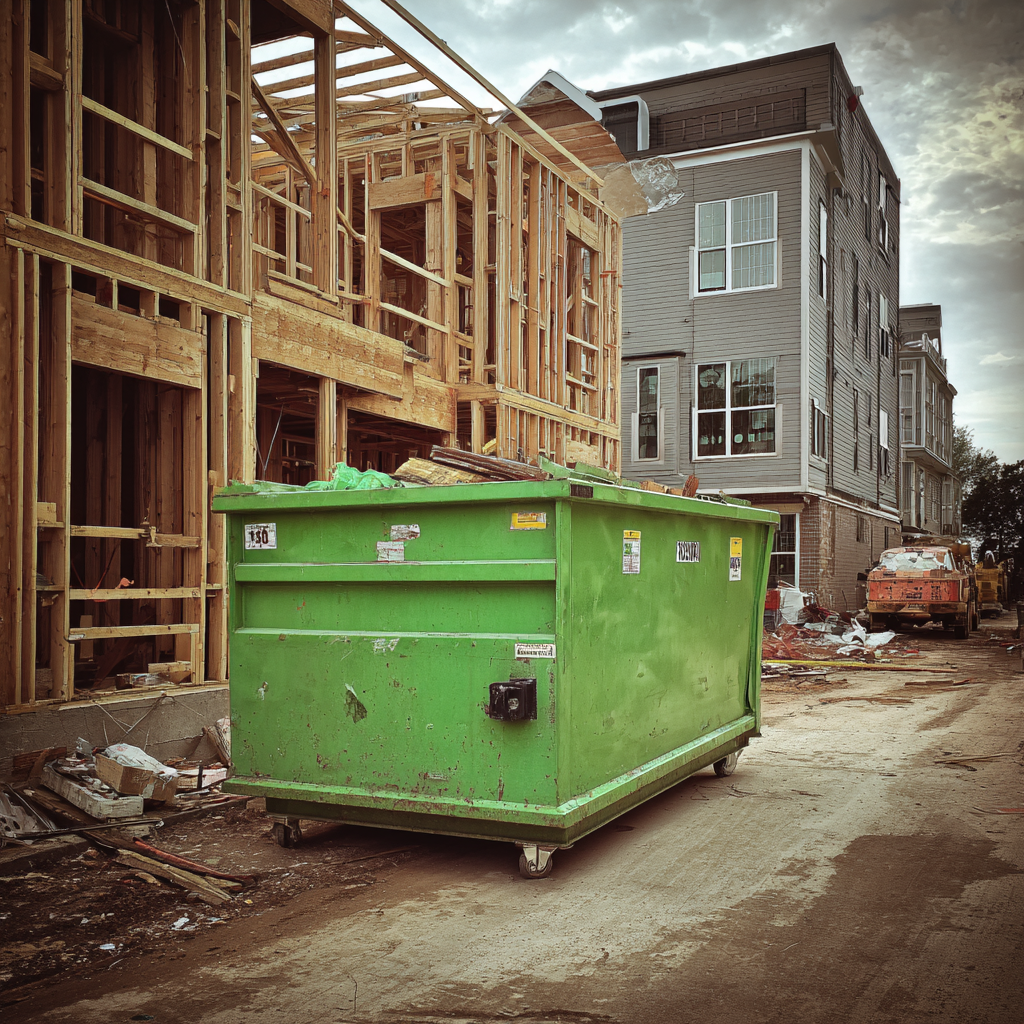
“Position your construction dumpster near active work areas but away from heavy equipment paths to maintain both accessibility and safety. Choose firm, level ground that can support the weight without creating ruts or drainage issues, and make sure delivery trucks have clear access with at least 23 feet of width and 14 feet of overhead clearance. Coordinate placement with your project phases so the container doesn’t obstruct workflow as construction progresses.”
Learn more tips in our guide to construction dumpsters for contractors and construction pros.
What’s the best placement strategy for residential remodeling projects?
“Driveways work best for most home renovations because they provide solid, level surfaces and keep containers close to your work area. Place protective boards under the container to prevent damage to concrete or asphalt, and make sure you’re not blocking neighbor access or emergency vehicle routes. If your driveway won’t work, street placement is an option but requires a municipal permit that takes several business days to process.”
How should I handle dumpster placement during emergency storm recovery?
“Emergency situations require immediate placement as close to debris piles as possible to speed up cleanup and prevent further property damage. Focus on locations with solid ground that won’t be further compromised by container weight, especially if soil is already saturated from flooding. Work with your rental provider for expedited delivery and flexible pickup schedules, since storm recovery often creates region-wide demand that strains equipment availability.”
Where can industrial sites place dumpsters in Lufkin?
“Commercial and industrial properties typically have more placement flexibility with loading docks, parking areas, and designated waste zones that can accommodate larger 30-40 yard containers. Verify that placement won’t interfere with business operations, delivery schedules, or employee parking, and check if your location requires special permits even on private property. Position containers where forklifts or other equipment can easily load heavy materials without disrupting daily operations.”

Local Dumpster Placement Requirements
Proper container positioning starts with compliance with city ordinances and safety standards. Getting this right prevents delays and keeps your project moving smoothly.
Municipal Regulations and Permits
Local rules protect public safety and maintain neighborhood standards. You’ll need permits for containers on public streets or rights-of-way.
Private property typically doesn’t require special permission if you’re the owner. Municipal codes specify distance requirements from buildings and utility access points.
| Placement Location | Permit Required | Special Considerations | |
| Public Street | Yes | Traffic control needed | |
| Private Driveway | No | Owner authorization sufficient | |
| Construction Site | Varies | Ground stability critical | |
| Commercial Property | Sometimes | Business hours restrictions |
Site Safety and Compliance
Ground stability and overhead clearance matter for delivery trucks. Working with disposal service providers who know local requirements helps avoid violations.
These experts navigate regulations regularly. Planning your container site before delivery prevents last-minute scrambling.
Effective Dumpster Placement for Construction Projects
Active construction areas demand smart debris management solutions that keep sites safe and productive. Getting your container location right impacts everything from crew efficiency to project timelines.
Site-Specific Considerations
Construction zones require strategic thinking about where to position your waste container. You need easy access for workers while keeping it clear of heavy equipment paths.
Ground conditions matter significantly. Look for firm, level surfaces that can handle the weight without creating drainage issues or ruts.
| Container Size | Ideal For | Common Debris Types | Project Scale |
| 20-yard dumpster | Small renovations | Wood, drywall, fixtures | Single room updates |
| 30-yard dumpster | Full remodels | Building materials, framing | Multi-room projects |
| 40-yard dumpster | Large-scale construction | Bulky items, major debris | Complete building work |
Managing Construction Debris
Your construction debris accumulates quickly. Placing containers near work areas reduces time spent hauling waste across the site.
Coordinate delivery schedules to ensure containers arrive when needed. Timely removal prevents obstacles as your project progresses.
Dumpster Placement in Lufkin: Residential and Home Renovation Needs
Home renovations generate more debris than most people anticipate. Your residential project requires smart planning for waste management from the start.
We’ll help you navigate the options for your specific situation. Getting this right saves time and money when renting a dumpster in Lufkin, Texas for residential use.
Choosing the Right Dumpster Size
Selecting the proper container capacity prevents overpaying for unused space. It also avoids mid-project scrambles when your rental fills up too quickly.
Consider your project scope carefully. A small bathroom update might only need a 10-yard unit, while whole-house renovations could require 30 yards or more.
| Container Size | Ideal Project Type | Space Required |
| 10-yard dumpster | Garage cleanouts, small updates | Single car driveway space |
| 20-yard dumpster | Kitchen remodels, flooring jobs | Standard driveway area |
| 30-yard dumpster | Whole-home renovations | Large driveway or yard space |
Adapting to Home Renovation Requirements
Your property’s layout determines the best spot for your waste container. Driveways typically work well because they provide a solid surface.
Remember to protect landscaping and underground systems. Placing boards under the unit prevents damage to your property.
When driveway space is limited, you might need street placement. This requires checking local permit requirements beforehand.
Dumpster Placement for Events and Large Gatherings
Festivals and concerts generate massive amounts of debris that can overwhelm unprepared venues. Your event’s success depends on smart waste management from day one.
Planning for Festivals, Concerts, and Sporting Events
Large gatherings create specific waste streams that demand strategic container positioning. Food service items, beverage containers, and promotional materials accumulate quickly during peak attendance.
Distribute multiple units throughout your event footprint. This approach reduces staff travel distance during continuous cleanup operations.
| Event Type | Recommended Container Size | Ideal Placement | Special Considerations |
| Music Festival | 30-40 yard | Near food vendors, away from stages | Multiple pickup schedules needed |
| Sporting Event | 20-30 yard | Concession areas, parking lots | Secure against movement in crowds |
| Community Fair | 10-20 yard | Activity zones, entrance/exits | Protect grass and landscaping |
| Concert Series | Multiple 20-yard | Strategic perimeter locations | Timed with setup/breakdown schedules |
Coordinate delivery timing carefully. Position containers before setup begins and schedule prompt removal after breakdown. Flexible services accommodate multi-day events with mid-event emptying when needed.
Outdoor events require special attention to ground protection. Secure your waste containers against movement while preventing damage to irrigation systems.
Navigating Dumpster Regulations and Permitting in Lufkin
Before your container arrives, understanding the local regulatory landscape in the city of Lufkin ensures smooth project execution. We’ll walk you through the essential guidelines that apply across different areas of the city.
Local Zoning Guidelines
Zoning rules determine where your rental can sit in residential versus commercial zones. Getting this right prevents violations that could delay your entire project.
Different neighborhoods may have homeowners association rules layered on municipal regulations. This adds another approval step when working in planned communities.
Local zoning may restrict how long containers remain in certain locations. Coordinate your rental period to complete work within allowable timeframes.
Steps to Secure a Permit
Securing approval for street placement involves contacting the city’s public works department. You’ll need to submit your planned location and pay applicable fees.
The permit process usually takes several business days. Factor this timeline into your schedule rather than assuming quick approval.
Special Considerations for Emergency Recovery Scenarios
When severe weather strikes East Texas, waste management becomes an urgent priority for property recovery. Time becomes your most valuable resource in these situations.
- Storm debris removal needs immediate attention to prevent further damage. Fallen tree limbs, damaged roofing materials, and waterlogged building components create safety hazards that demand quick disposal.
- Emergency dumpster rentals often require expedited delivery services. Providers who understand recovery timelines prioritize placement so cleanup crews can begin work immediately.
- Pickup schedules need flexibility during large-scale recovery efforts. Entire neighborhoods may require services simultaneously, with containers filling faster than normal project timelines.
- Maintain detailed records of your waste disposal activities. Insurance documentation often requires clear information about what debris you’re removing and when pickup occurs.
Working with experienced providers ensures proper handling of materials requiring special disposal procedures. This includes items contaminated by floodwater or damaged electrical components.
Industry Insights: Dumpster Placement for Commercial Construction
East Texas commercial properties present unique challenges for container positioning that balance operational efficiency with regulatory compliance.
Manufacturing and Warehouse Facilities
Lufkin’s industrial sector near the timber processing areas requires container placement that doesn’t disrupt production schedules. Position units adjacent to loading bays where forklifts can access them during shift changes. Verify that placement allows continued truck traffic for raw material deliveries and finished product shipments.
Downtown Retail and Service Businesses
Commercial spaces along Chestnut Street and the historic downtown district face limited placement options. Containers must fit within existing parking areas without eliminating customer access. Schedule deliveries during off-peak hours to minimize impact on business operations and foot traffic.
Active Construction Sites
New commercial builds and tenant improvements need placement strategies that accommodate multiple contractors working simultaneously. Designate specific container zones that remain accessible as work progresses from foundation through finishing trades. Coordinate with general contractors to ensure placement doesn’t block material staging areas or equipment movement paths.
Maximizing Efficiency Through Strategic Dumpster Placement
Smart waste management begins long before the container arrives at your location. We help you think through the entire process from start to finish.
Proper planning prevents problems down the road. Your project timeline stays on track when you consider all factors upfront.
Tips for Effective Site Planning
Start by estimating your debris volume realistically. This determines whether you need a 10-yard unit for small jobs or a 40-yard solution for major projects.
Consider your site’s physical constraints. Tight driveways might require smaller options while commercial sites can handle larger containers.
Think about access routes for delivery trucks. They typically need 23 feet of width and 14 feet of vertical clearance.
Selecting the Ideal Waste Container
The 10-yard size works perfectly for spring cleaning and small remodel jobs. Its low sides make loading easy without heavy lifting.
For most residential projects, the 20-yard and 30-yard options handle full-room demolition and bulky items effectively. The 30-yard container remains popular for its versatility.
Serious construction work demands 40-yard capacity. This size accommodates appliances and extensive debris from large-scale cleanouts.
Getting quotes helps compare pricing structures. Look for clear pricing with no hidden fees that match your specific needs.
Your Lufkin Dumpster Rental Partner
Successfully navigating dumpster placement in Lufkin, TX requires understanding municipal regulations, selecting appropriate locations based on your project type, and coordinating delivery logistics that keep your work on schedule. Contact our Prime Dumpster team to discover how our East Texas expertise can help you determine optimal placement strategies, navigate permit requirements, and maintain compliant, efficient waste management throughout your project.
If you are looking for Construction Dumpster Rental in Lufkin, TX: A Guide for Contractors and Construction Pros, Click Here
Recent Posts


Follow Us
Have any questions?
+1 844 853 3867
Give us a call today so we can help you find the right waste & sanitation solution for
your project!
Contact Us