
Mon - Sat 7:00 am to 7:00 pm

Guide to Dumpster Rental for Contractors in Helena, Montana 59601
Dumpster rental for contractors in Helena, Montana, requires planning for local challenges that impact every project. Montana’s capital features narrow historic district streets, harsh winter weather, and strict weight limits for heavy materials. These factors affect delivery logistics and total costs.
Prime Dumpster helps construction professionals throughout the Helena valley manage waste efficiently on residential and commercial projects. Our guide covers container sizing, cost-saving strategies, material separation techniques, and delivery timing. You’ll learn how to avoid unnecessary fees and maximize efficiency across the 59601 zip code and surrounding communities like East Helena and Clancy.
Fast Facts: Dumpster Rentals for Helena Contractors
“Helena’s historic streets and Montana weather create unique waste management challenges that require advance planning,” says the Prime Dumpster Pro. “Contractors who understand local constraints—from narrow Mansion District access to winter delivery limitations—save money and avoid project delays.”
- Standard rental periods run seven days, but efficient crews can request shorter durations to reduce costs on quick turnaround projects
- Historic downtown areas often require street permits for container placement, while newer west side subdivisions typically allow driveway placement without paperwork
- Winter conditions from November through March can restrict delivery access on unpaved roads and steep driveways common in hillside neighborhoods
- Heavy materials like concrete must go in dedicated 10-yard containers regardless of volume to avoid exceeding the typical 3-4 ton weight limit
- East Helena’s industrial zones offer more flexible placement options and larger container sizes compared to tight residential lots in the 59601 core
- Separating recyclable metals and clean wood from mixed debris can reduce disposal costs on larger commercial demolition projects
When renting a dumpster in Helena, Montana, 59601, contractors who plan for local terrain, weather patterns, and permit requirements maintain efficient jobsites and protect profit margins.
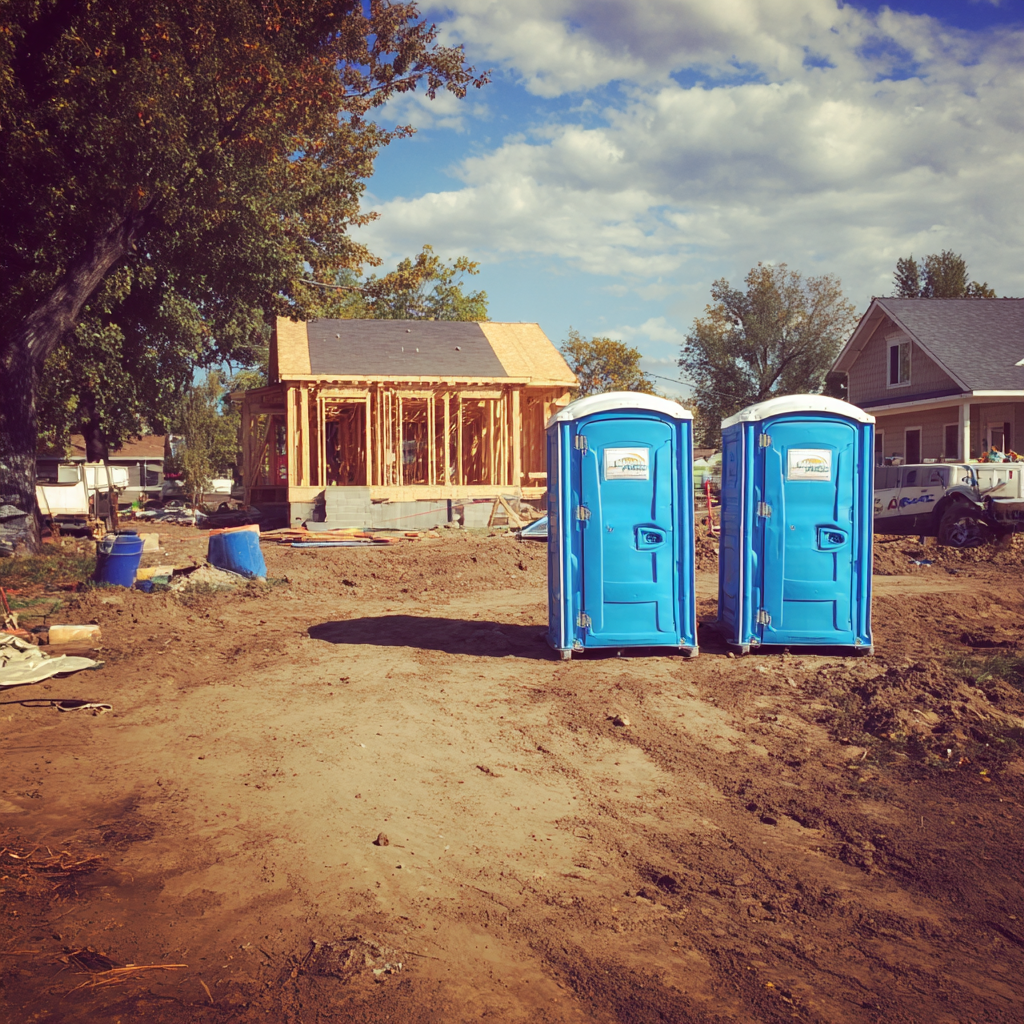
Local Regulations and Site Requirements
Rules change depending on your exact work area. Helena, East Helena, and Clancy can have different permit needs for street placement.
Always verify requirements before scheduling delivery. Visit the City of Helena Application & Permits portal for the most up-to-date information.
Site access varies wildly. Tight residential lots demand different planning than open commercial spaces.
Winter weather and narrow streets affect truck access year-round.
| Consideration | Residential Site | Commercial Site |
| Placement Access | Tight driveways, narrow streets | Spacious lots, easier truck access |
| Permit Needs | Often required for street placement | May have fewer restrictions |
| Weather Planning | Critical for winter access | Less impacted but still relevant |
Evaluating Construction Project Waste Needs
Different projects create vastly different piles of debris. A home remodel here often yields more junk per square foot than new construction. You have old materials coming out plus scraps from the new stuff.
Big commercial jobs are different. They usually have cleaner, more predictable waste streams but in much larger volumes.
| Project Type | Waste Profile | Smart Estimation Move |
| Residential Remodel | Mixed demolition debris, packaging, scraps | Plan by phase (demo, framing, finish) |
| Commercial New Build | High volume of uniform materials | Scale estimates from past similar jobs |
Remember, heavy materials like concrete compact down. Light, bulky stuff like drywall does not. This affects how much fits in your container.
Always account for all that cardboard and plastic wrap. It adds up fast. Separating metals or clean wood for recycling can also trim your final disposal bill.
Your best tool? Notes from past projects. Tracking what you actually threw away builds a reliable forecast for the next one.
Choosing the Right Dumpster Size for Your Project
Nothing slows a job faster than running out of space for debris or paying for empty air. Picking the right dumpster size to rent protects your bottom line and keeps work flowing.
You must balance your actual waste volume with your site’s physical limits.
Residential vs. Commercial Project Specifications
Your work site type dictates your primary constraints. Tight lots in older neighborhoods limit your options, while open commercial spaces offer more flexibility.
| Consideration | Residential Site | Commercial Site |
| Typical Size Range | 10 to 20-yard containers | 20 to 40-yard containers |
| Primary Limiting Factor | Driveway and street space | Total project waste volume |
| Cost Optimization Tip | Phase waste with multiple smaller pickups | Use largest feasible container for lower cost per yard |
Options from 10 to 40-Yard Containers
Available sizes give you precise control. Think of them as tools for specific tasks.
A 10-yard rented dumpster is perfect for a bathroom remodel. It holds about four pickup truck loads.
Twenty-yard dumpsters for rent are ideal for whole-house interior renovations. They fit in most driveways.
Thirty-yard dumpsters and 40-yard rolloff containers handle big demolition or new construction. The largest option is about 22 feet long and holds 16 truckloads.
Match the container’s height to your loading method for crew efficiency.
Local Helena Insights: Neighborhoods, Industries, and Waste Trends
Your project’s location in the Helena valley isn’t just an address. It’s a primary factor in your waste management plan.
Knowing the local landscape saves you time and hassle.
Neighborhood-Specific Waste Challenges
Work in historic districts like the Mansion District? You face narrow streets and strict rules. Placing a container often needs a permit and clever logistics.
Newer subdivisions on the west side offer easier access. Your waste stream from a new home build is often cleaner.
East Helena’s industrial areas provide more space. You can stage larger containers there with fewer restrictions.
Remote job sites in places like Marysville need extra planning. Service may be limited, so schedule your container delivery well ahead of time.
| Project Area Type | Primary Waste Consideration | Container Placement Tip |
| Historic Downtown (59601) | Mixed interior demo, preservation rules | Secure street permits early; consider smaller units |
| East Helena Industrial | High-volume, uniform materials | Larger dumpster feasible; easier truck access |
| New Residential Subdivision | Clean construction scraps, packaging | Driveway placement usually fine |
| Capital Complex Projects | Office furniture, carpet, modular systems | Coordinate deliveries around government hours |
The region’s mining history adds another layer. Some demolition projects might uncover materials needing special handling.
Always evaluate the site before you assume standard disposal will work. This local knowledge keeps your project moving and compliant.
Streamlining the Rental Process: Delivery and Pickup Efficiency
A smooth delivery and pickup process keeps your crew working and your budget intact. Think of it as the logistics backbone of your site cleanup.
We see pros shave days off their timeline by mastering these two moves.
Simplifying Site Access and Placement
Walk your site before you call. Identify the sweet spot that’s close to the work but easy for a big truck to reach.
Clear that area completely before the scheduled delivery. This lets the driver drop the container exactly where you need it, fast.
Don’t just point. Give your service team specific instructions with measurements when you book.
Cost-Saving Strategies for Efficient Waste Management
Treating debris removal as a profit center transforms how you manage project costs. Smart waste management pads your margins without cutting corners on site cleanliness.
Understand your pricing structure. Your base rate includes delivery, pickup, and a weight allowance. Go over that limit and you face extra fees.
Transparent pricing helps you avoid hidden charges. Always ask for a clear breakdown.
Separate heavy materials like concrete or brick. Use dedicated containers for dense loads. This often qualifies for lower rates and maximizes space in your standard unit.
Break large projects into phases. Sequential container rentals cost less than maintaining one big box throughout a slow job.
Negotiate when you book multiple units. Leverage your total volume to secure better per-container pricing.
Track your actual costs across jobs. This data helps you estimate better and negotiate harder next time.
| Strategy | Action | Cost Impact |
| Material Separation | Isolate concrete, brick, dirt | Lower rates for dense loads, avoids overage fees |
| Project Phasing | Use smaller containers per stage | Pay only for active use, reduces rental duration |
| Volume Negotiation | Book multiple dumpster rentals at once | Secures discounted per-unit pricing |
Load containers efficiently. Break down bulky items and fill voids. This maximizes your included weight allowance and prevents premature swaps.
These moves turn a simple line item into a source of savings. Your bottom line will thank you.

Managing Construction Debris: Heavy Materials and Demolition
Demolition work creates a unique waste challenge that can sink your budget if not planned correctly. The mix of heavy and bulky materials demands a specific strategy.
You need to think about both volume and poundage.
Assessing Weight Limits and Material Types
Your container has a maximum weight, depending on size. Hit that limit with dense stuff like concrete, and you’re paying for empty space.
Understanding material density prevents this costly mistake.
| Material Type | Typical Weight per Cubic Yard | Smart Loading Tip |
| Concrete / Brick | ~4,000 lbs | Use a dedicated 10-yard unit for dense loads |
| Asphalt | ~3,000 lbs | Separate from lighter debris to maximize space |
| Wood & Drywall Mix | ~500 lbs | Break down bulky pieces to fill voids efficiently |
| Roofing Shingles | ~700 lbs | Flatten bundles; they take up more space than weight |
Acceptable construction debris includes lumber, drywall, and brick. Keep these materials organized from the start.
Planning for Debris Volume and Project Scale
Demo debris rarely compacts well. Your volume estimates should be generous.
For large tear-downs, consider multiple containers on site. Use one for heavy materials and another for lighter stuff.
This lets your crew sort as they work. It saves valuable site space and keeps the project moving.
Storm damage repairs create unpredictable waste. Start with adequate capacity rather than gambling on a smaller container.
Smart planning for weight and volume protects your margins and keeps the site clean.
Planning Your Rental Period to Avoid Additional Fees
Every day a dumpster sits unused is money leaving your pocket. Strategic timing directly safeguards your project’s profit margins.
Standard service agreements typically include a five-day window. Efficient crews frequently complete loading in fewer days. Always inquire about prorated pricing for shorter durations.
Schedule your container delivery to coincide with the active debris-generating phase of work. Avoid having it arrive during preliminary tasks that create minimal waste.
Communicate realistic timelines when booking your unit. Extensions are usually available if needed. Starting with an unnecessarily long service period guarantees payment for unused days.
Coordinate your team to fill the container steadily. Front-load debris removal tasks early in the rental period to create buffer time for an early pickup call.
| Strategy | Action | Why It Works |
| Phase Alignment | Schedule delivery for active debris work | Avoids paying for idle container days |
| Honest Timelines | Book for actual required duration | Extensions are easier than refunds for unused days |
| Efficient Loading | Fill steadily from day one | Allows early pickup call without extra fees |
Track actual container use across your projects. This historical data enables more accurate future bookings.
Build relationships with service providers today that offer flexible pickup scheduling. This prevents rigid timeframes that either rush your work or incur charges for unneeded days.
Your Helena Contractor Waste Management Partner
Smart dumpster rental for contractors in Helena, Montana, starts with matching container sizes to specific project phases. Separate heavy materials to avoid weight fees. Time deliveries to minimize rental duration. Load containers efficiently to maximize your weight allowance.
Contractors who plan site access carefully and negotiate multi-unit pricing maintain better profit margins. Track your waste data across projects to improve future estimates. Contact us to discuss your Helena construction requirements and secure containers that handle Montana conditions while keeping your jobsite organized and compliant.
If you are looking for Local Expert Guide to Dumpster Permits in Los Angeles, CA, Click Here
Recent Posts


Follow Us
Have any questions?
+1 844 853 3867
Give us a call today so we can help you find the right waste & sanitation solution for
your project!
Contact Us