
Mon - Sat 7:00 am to 7:00 pm

Dumpster Rental Costs in Houston, TX: Full Pricing Guide for 2026
Construction budgets, home renovation planning, and event coordination all hinge on accurate waste removal cost estimates across Houston’s diverse project landscape. Smart planning for dumpster rental costs in Houston, TX requires understanding base pricing by container size, recognizing the factors that trigger additional fees, and knowing when seasonal demand affects rates across Harris County’s sprawling metro area.
Prime Dumpster coordinates waste removal for projects throughout the Houston area, from Energy Corridor commercial builds to residential remodels in the Heights. This pricing guide covers all five standard container sizes, explains what’s included in base rates, and identifies the cost factors that affect final expenses from Memorial Park to Sugar Land.
Fast Facts: Dumpster Rental Costs in Houston
Here’s a quick overview of container pricing across all five standard dumpster rental sizes available throughout the Houston metro area.
| Container Size | Price Range | Weight Limit | Best Applications |
| 10-yard | $399 – $499 | 1 ton | Heavy materials like concrete, small bathroom remodels |
| 15-yard | $449 – $569 | Up to 3 tons | Medium projects, roofing jobs, landscaping |
| 20-yard | $499 – $649 | 1-3 tons | Single-room remodels, garage cleanouts, most popular choice |
| 30-yard | $599 – $799 | 2-4 tons | Whole-house cleanouts, larger renovations, office projects |
| 40-yard | $699 – $899 | Up to 5 tons | Major commercial work, demolitions, extensive debris volumes |
These price ranges represent general estimates for standard 5-day rental periods, with actual costs varying based on delivery distance, debris weight, rental duration, and seasonal demand across the Houston metro area.
Detailed Pricing Breakdown for Each Dumpster Size
Let’s look into the numbers that matter most when planning your Houston dumpster rental.
10-yard and 15-yard: Price Ranges and Weight Limits
The 10-yard dumpster typically runs between $399 and $499. This smaller option works well for heavy materials like concrete.
Weight limits become crucial here. The 15-yard dumpster costs $449 to $569 and offers great value for medium projects.
Bathroom remodels and roofing jobs fit perfectly in this capacity. Always check the specific weight restrictions with your provider.
20, 30, and 40-yard: Costs, Capacities, and Uses
Moving up in size, the 20-yard dumpster ranges from $499 to $649. It’s the most popular choice for residential projects.
The 30-yard dumpster costs $599 to $799 and handles larger renovations. Office cleanouts and business district projects benefit from this capacity.
At the top end, the 40-yard container runs $699 to $899. While it has the highest upfront cost, it provides the best value for major commercial work.
Remember that actual weight limits depend on material density. A 20-yard unit typically handles 3-5 tons of debris.

The 5 Factors that Influence Rental Costs in Houston
Ever wonder why your container bill can vary so dramatically from project to project? Several elements beyond container size determine your final expense.
| Cost Factor | Typical Impact | Provider Examples |
| Rental Period Length | Daily fees after 5-10 days | Budget Dumpster (5 days), Dumpsters.com (7-10 days) |
| Delivery Distance | Higher fees for remote locations | Frontier Waste Solutions (distance-based pricing) |
| Weight Limit Overages | Per-ton additional charges | Pro-rated fees when exceeding limits |
| Material Type | Varying disposal fees | Clean construction vs. mixed waste pricing |
| Accessibility | Potential surcharges | Narrow streets, limited clearance issues |
Impact of Rental Periods and Delivery Distances
Your rental period forms the pricing foundation. Most providers include 5-day service windows. Some offer 7-10 day options.
Extending beyond the included timeframe triggers daily fees. Delivery distance significantly affects costs across Houston’s vast metro area.
Providers calculate fees based on distance from their facility to your site. A delivery to Kingwood costs more than central Houston locations.
Weight Limit Overages and Disposal Fees
Weight limit overages rank among the most common additional charges. These occur when your debris exceeds the included tonnage.
Disposal fees vary based on material type. Clean construction materials cost less than mixed waste. Prohibited items incur special handling charges.
Heavy debris like concrete requires different pricing than lighter materials. Always discuss your specific project needs with providers.
Local Considerations and Permit Requirements
The Bayou City has its own set of rules when it comes to waste management placement. Understanding local regulations saves you headaches and unexpected fees.
Your project’s location determines what paperwork you’ll need. Let’s break down the essentials.
Permit Needs for Street Placement in Houston
Good news first! Placing your container on private property like your driveway or construction site typically doesn’t require a permit. This saves time and money.
Street placement is different. If your unit occupies public right-of-way or parking spaces, you’ll likely need city approval. Contact Houston’s permitting department before your project starts.
Neighborhood-Specific Pricing Insights
Houston’s diverse communities have unique considerations. Historic areas like Greater Heights may require careful container placement to preserve neighborhood character.
Upscale communities like River Oaks often have homeowner association rules governing size and duration. Suburban areas like Kingwood offer more flexibility with placement options.
Always check with your specific neighborhood association or property management before scheduling delivery. This ensures compliance with all local requirements.
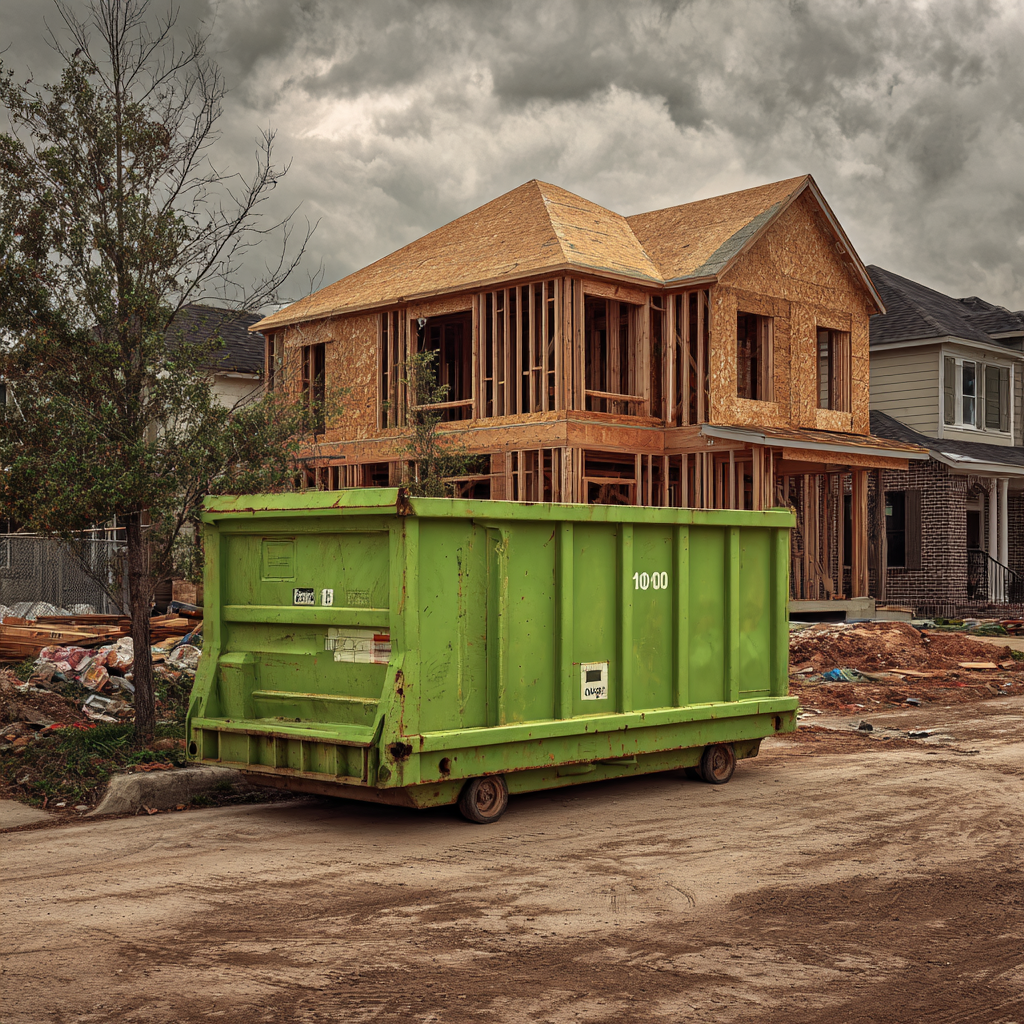
Dumpster Rental Costs Houston, Texas: What You Need to Know
From construction sites to corporate events, waste disposal needs vary dramatically by sector. Your industry determines the optimal container strategy for managing expenses effectively.
Cost Variations for Construction, Events, and Remodels
Construction contractors tackling demolition work typically need 20-40 yard containers. These handle heavy debris from Houston’s booming building sector.
Event planners find 15-20 yard units perfect for festival cleanup. Lighter materials mean lower disposal fees for temporary gatherings.
Home renovation projects often require 20-yard containers for kitchen updates. Whole-house cleanouts might need larger 30-40 yard options.
Considerations for Industrial Facility Managers
Industrial operations benefit from recurring service agreements. Multiple containers at negotiated rates suit ongoing waste management needs.
Houston’s energy sector handles specialized materials requiring specific protocols. The Medical Center area generates unique waste streams needing careful segregation.
Port operations and aerospace industries have distinct requirements. Each sector influences optimal container size and rental duration for maximum efficiency.
Tips for Maximizing Value with Dumpster Rentals
Avoiding unexpected fees is the secret to keeping your project on budget and on schedule. We’ll show you how to get the most from your service while dodging those annoying extra charges.
Strategies for Avoiding Overage Fees
Choosing the right size container from the start prevents costly mistakes. Break your project into components and use online calculators for accurate debris estimates.
Separate heavy materials like concrete from lighter debris. This prevents weight limit violations that trigger additional fees.
Load smart by breaking down furniture and flattening boxes. Distribute weight evenly to maximize space while staying within limits.
Planning Your Rental Period for Savings
Schedule delivery when debris generation actually begins. Request pickup promptly when full to avoid daily extension fees.
Consider sharing with neighbors or coordinating subcontractor schedules. Booking ahead during busy seasons secures better rates.
Keep access clear for pickup to avoid trip fees. Most providers require materials level with sidewalls for safe transport.
Your Houston Waste Management Cost Partner
Managing dumpster rental costs in Houston, TX, effectively starts with accurate container sizing, understanding your included rental period, and planning around the weight limits that affect different debris types.
Prime Dumpster arranges roll-off container rentals throughout the Houston metro area with transparent pricing and guidance on avoiding the hidden fees that inflate project budgets. Contact us to discuss your specific project requirements and receive accurate cost estimates based on your debris type, timeline, and location across Harris County.
If you are looking for Where Can You Place a Construction Dumpster in Houston, TX?, Click Here
Recent Posts


Follow Us
Have any questions?
+1 844 853 3867
Give us a call today so we can help you find the right waste & sanitation solution for
your project!
Contact Us