
Mon - Sat 7:00 am to 7:00 pm

What to Expect From Dumpster Rental Costs in St. Louis
Dumpster rental costs in St. Louis vary more than most renters expect before they start getting quotes. Container size is the most obvious factor, but debris type, rental duration, placement location, and seasonal demand all play a role in what a rental ultimately costs. Understanding those variables before booking puts renters in a better position to compare quotes accurately and avoid unexpected charges.
Prime Dumpster coordinates roll-off dumpster rentals across the St. Louis metro for home renovations, construction projects, cleanouts, and commercial work. We put together this guide to break down what drives pricing in this market and what renters can do to keep costs predictable from booking through pickup.
Fast Facts: Dumpster Rental Costs in St. Louis
“St. Louis pricing follows the same general structure as most Midwest markets, but local disposal rates, seasonal demand, and debris type can move the final number significantly from the base quote,” says the Prime Dumpster Pro. “Renters who understand what’s driving the price are the ones who end up with fewer surprises on the back end.”
Ready to rent a dumpster in St. Louis? Here’s a look at general price ranges across all five standard roll-off sizes.
| Size | Price Range | Common Uses |
| 10-Yard Dumpster | $399–$499 | Concrete, brick, small cleanouts, heavy debris |
| 15-Yard Dumpster | $449–$569 | Bathroom remodels, garage cleanouts, landscaping |
| 20-Yard Dumpster | $499–$649 | Roofing, multi-room renovations, estate cleanouts |
| 30-Yard Dumpster | $599–$799 | Full renovations, larger construction, commercial projects |
| 40-Yard Dumpster | $699–$899 | Major demolition, large commercial buildouts |
Prices reflect general estimates for standard rentals. Actual roll-off dumpster rental costs vary based on debris type, weight, rental duration, placement location, and seasonal demand across the St. Louis metro.
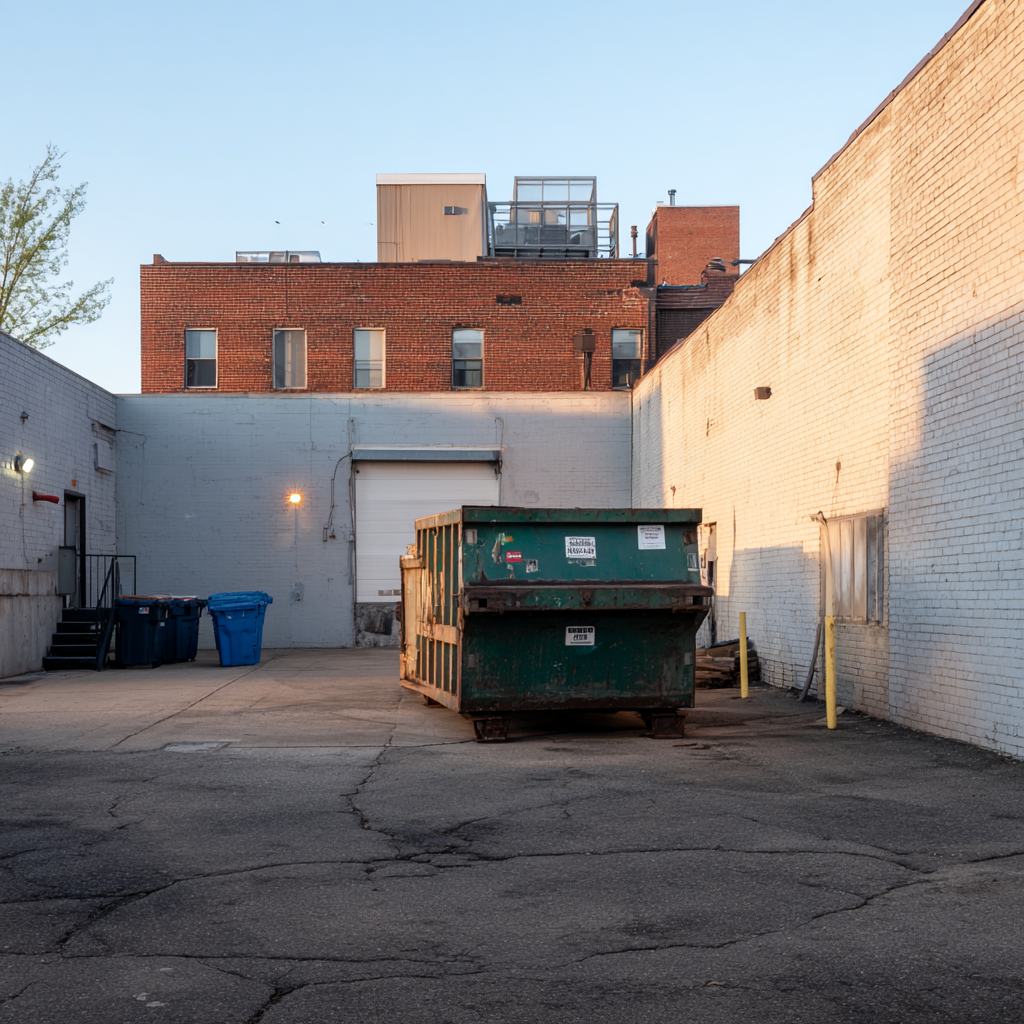
What a Standard Rental Price Actually Covers
A roll-off dumpster quote can look deceptively simple, but several components are typically bundled into that base number. Knowing what each one covers helps renters evaluate quotes accurately and spot pricing structures that leave costs unaccounted for.
- Delivery fee: Covers the cost of transporting the container from the provider’s facility to the project site on the scheduled delivery date.
- Base rental period: The number of days the container stays on site before pickup, typically five to seven days for a standard rental.
- Weight allowance: A set tonnage limit included in the base price, beyond which overage charges apply per additional ton.
- Pickup and haul-away: The cost of retrieving the container at the end of the rental period and transporting it to a disposal or processing facility.
- Disposal fee: The cost of processing the debris at the receiving facility, which is often built into the base quote but sometimes listed as a separate line item.
A quote that clearly accounts for all five of these components is one that gives an accurate picture of total cost before the container ever arrives.

Factors That Affect Dumpster Rental Costs in St. Louis
“A lot of renters focus on container size as the main cost driver, but that’s only part of the picture,” says the Prime Dumpster Pro. “Debris type, rental duration, and where the container is placed can all move the final number just as significantly as the size itself.”
Several variables interact to determine what a roll-off rental actually costs in the St. Louis market.
Debris Type and Weight
Heavy materials like concrete, brick, masonry, and asphalt reach weight limits fast. A container that looks half-empty can already be at its weight cap when those materials are involved, which triggers overage fees that add to the base price quickly.
The solution is straightforward. Any project generating significant heavy debris should use a dedicated 10-yard dumpster for those materials rather than mixing them into a larger container. That keeps weight predictable and overage charges off the final invoice.
Rental Duration
Standard rentals in the St. Louis market typically cover five to seven days. Projects that run longer than the base rental period can trigger additional daily charges that weren’t part of the original quote.
Discussing extended rental terms before booking rather than requesting them mid-project almost always results in a better rate. Building realistic timeline estimates into the initial conversation gives a clearer picture of total cost from the start.
Container Size
Undersizing forces a second haul, which costs more than sizing up from the beginning. Oversizing means paying for capacity that never gets used.
Accurate sizing starts with an honest estimate of debris volume and type before picking up the phone. Renters who take a few minutes to think through both factors consistently end up with lower total costs than those who guess and adjust reactively.
Location and Disposal Fees
Distance from St. Louis disposal facilities affects the delivery and haul-away components of a quote. Projects in outer St. Louis County or across the river in Illinois may carry higher transportation costs than jobs closer to the city.
Missouri landfill and processing rates also factor into the disposal component of the base price. Those rates vary depending on debris type and the receiving facility, which is one reason two quotes for the same container size don’t always match.
Seasonal Demand
St. Louis construction activity peaks in spring and fall when temperatures are moderate. Container availability tightens during those windows, and pricing tends to reflect the increased demand across the metro.
Winter slowdowns typically bring better availability and more competitive pricing for renters with flexible project timing. Jobs that can shift into the off-season often see meaningful cost differences compared to the same rental arranged during peak months.
Common Extra Charges to Watch For
Overage fees are the most common source of unexpected costs on a dumpster rental. They apply when the debris load exceeds the weight allowance included in the base price, and they’re charged per ton, which means a few extra loads of heavy material can add up quickly.
Prohibited item surcharges are another charge that catches renters off guard. Tires, mattresses, appliances containing refrigerants, electronics, and hazardous materials all require separate handling, and disposing of them in a standard container results in additional fees applied after the container is processed at the facility.
Permit costs are worth factoring into the total budget for any rental that requires street or sidewalk placement in St. Louis or surrounding municipalities. Some providers include permit coordination as part of their service while others leave that responsibility to the renter, so clarifying that distinction during the booking conversation prevents a surprise cost that wasn’t part of the original quote.
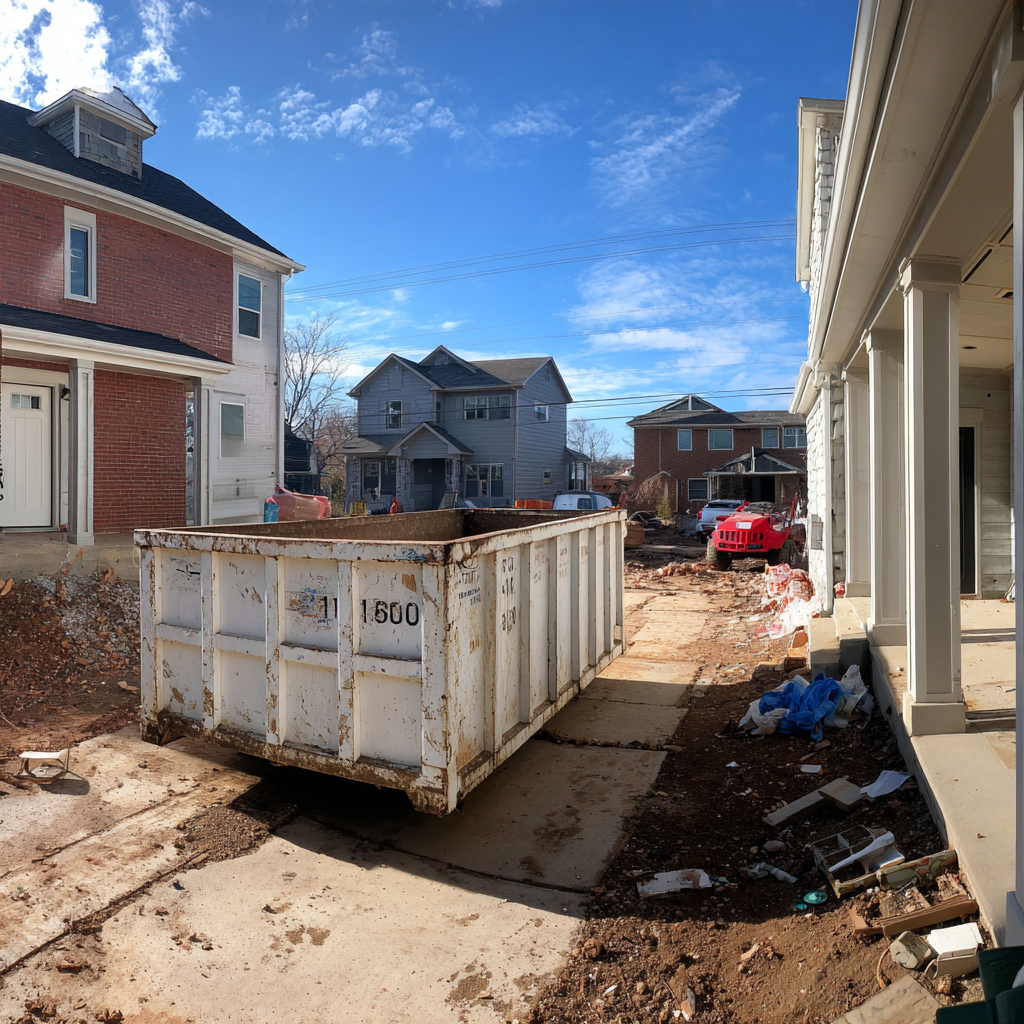
How to Keep Costs Down
The most reliable way to control dumpster rental costs is accurate sizing before booking. Renters who take time to estimate both debris volume and debris type consistently avoid the two most expensive outcomes: ordering a second haul because the container filled too fast, or paying for a larger container than the project actually needed.
Booking in advance makes a meaningful difference in this market. St. Louis container availability tightens during peak construction season, and last-minute rentals not only face limited size options but often carry higher pricing than the same rental arranged a week or two earlier.
Keeping prohibited items out of the container is one of the simplest cost-saving steps available. Sorting those materials before loading begins takes a few minutes and prevents disposal surcharges that appear on the final invoice after the container has already been picked up.
Placing the container on private property rather than a public street eliminates permit costs entirely when the project layout allows for it. A driveway, job site lot, or private parking area that keeps the container fully off the public right-of-way removes that expense from the equation without affecting how the rental works.
Consolidating debris output before requesting a pickup extends the value of the base rental period. Renters and contractors who load containers efficiently and schedule pickup only when the container is close to capacity get more out of each rental day and reduce the likelihood of needing a costly extension or a second container.
Get a Clear Quote on St. Louis Dumpster Rental Costs
Dumpster rental costs in St. Louis are predictable when the right information is in place before booking. Container size, debris type, rental duration, and placement location all factor into the final number, and understanding each one puts renters in a stronger position to evaluate quotes and avoid unexpected charges. Contact our team to get transparent pricing tailored to your specific project, timeline, and placement needs across the St. Louis metro.
If you are looking for 10 Questions to Ask Before Renting a Dumpster in Tampa, FL, Click Here
Recent Posts


Follow Us
Have any questions?
+1 844 853 3867
Give us a call today so we can help you find the right waste & sanitation solution for
your project!
Contact Us