
Mon - Sat 7:00 am to 7:00 pm
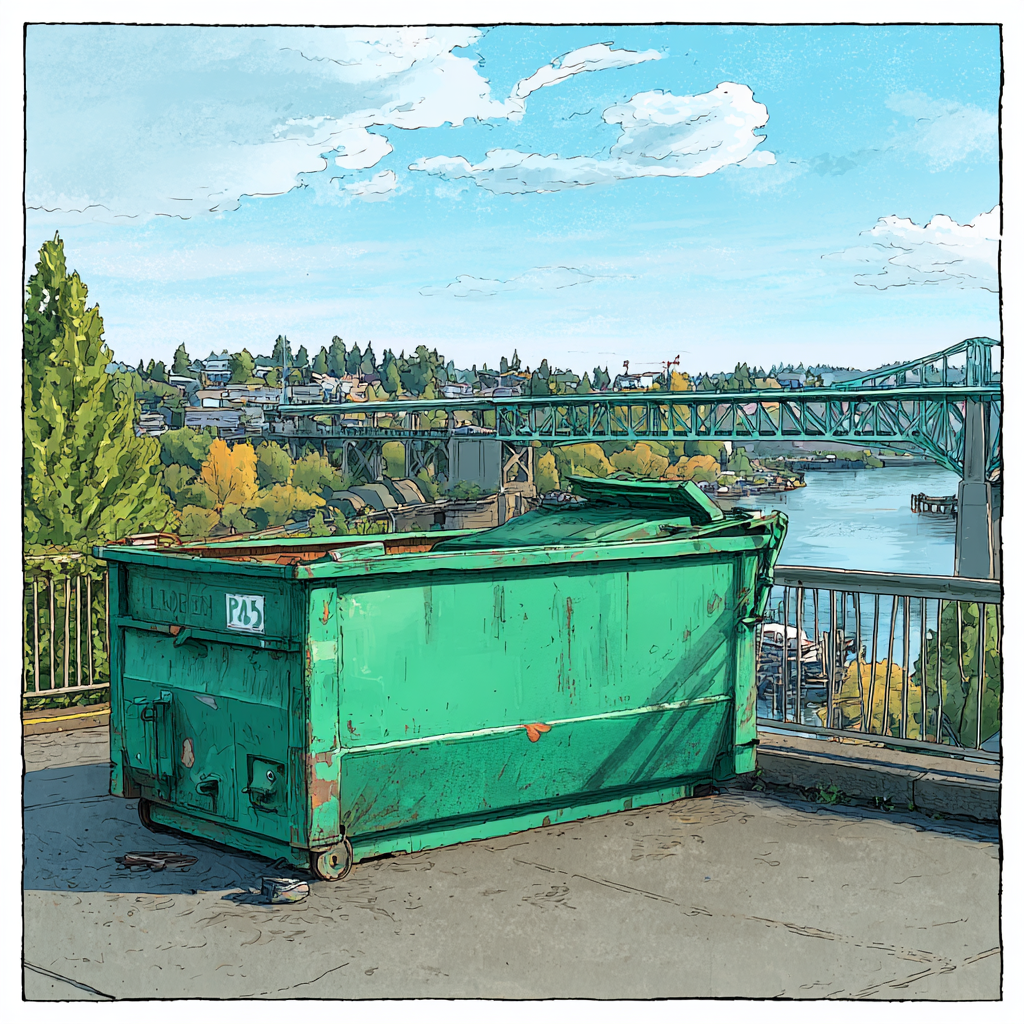
Dumpster Rental for Home Remodels in Longview, WA
Home renovation projects in Longview generate debris volumes that can quickly exceed standard trash pickup capacity, creating hazardous conditions when materials pile up uncontrolled.
At Prime Dumpster, we’ve coordinated waste management for renovation projects throughout Southwest Washington, from historic home updates in Mint Valley to commercial builds along Commerce Avenue.
Our guide to dumpster rental for home remodels in Longview, WA, covers container selection for different project types, debris estimation techniques, local considerations, and more. You’ll learn how to prevent costly delays and keep your Lower Columbia region jobsite compliant and organized.
Longview Remodeling Market and Dumpster Demand
Longview’s remodeling sector stays active year-round, with residential upgrades driving consistent demand. Contractors face competition for equipment during peak construction months. Understanding local patterns helps secure containers when you need them.
Common remodel types include:
- Kitchen renovations requiring cabinets, countertops, and appliance removal
- Bathroom tear-outs generating tile, fixtures, and vanity debris
- Whole-home remodels producing mixed construction waste across multiple rooms
- Exterior projects like siding replacement and deck rebuilds
Older housing stock in neighborhoods near Lake Sacajawea and the Highlands creates steady renovation work. These projects typically generate moderate debris volumes that require 15- to 20-yard containers.
Southwest Washington weather creates specific challenges:
- Heavy rain from October through April limits outdoor work and extends project timelines requiring longer rental periods
- Mild summers allow concentrated work schedules with multiple crews generating peak debris volumes
- Occasional snow and ice halt projects temporarily making flexible rental terms essential
- Spring conditions bring unpredictable weather requiring protected placement areas
Smart contractors book dumpsters early, especially when planning for the busy April through September construction season.
Looking for more help planning for your rental needs in 2026? Check out what our Prime Dumpster Pros have to say about Porta Potty Rental Trends for 2026.
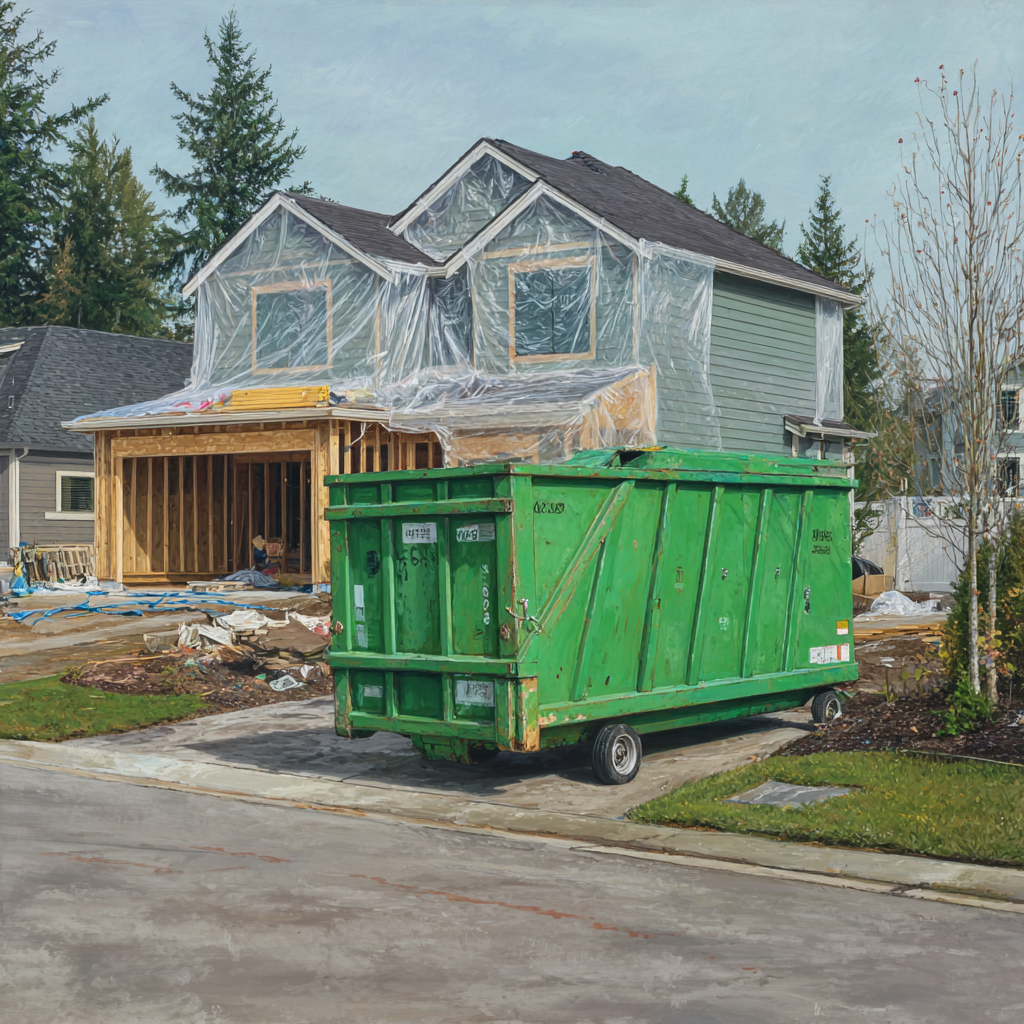
Choosing the Right Dumpster Size for Remodel Projects
These are the most common dumpster rental options for residential remodeling work in Longview.
| Type | Approximate Dimensions | Best Uses |
| 10-yard dumpster | 14′ x 8′ x 3′ | Small bathroom updates, minor kitchen work, flooring removal in single rooms |
| 15-yard dumpster | 16′ x 8′ x 4′ | Full bathroom tear-outs, complete kitchen remodels, garage cleanouts |
| 20-yard dumpster | 22′ x 8′ x 4′ | Multi-room renovations, roof tear-offs, deck removals |
| 30-yard dumpster | 22′ x 8′ x 6′ | Whole-home remodels, home additions, major structural work |
| 40-yard dumpster | 22′ x 8′ x 8′ | Complete gut jobs, large-scale demolition projects |
Heavy materials like concrete, brick, and tile should go in 10-yard containers due to weight limit restrictions. These dense materials can exceed tonnage limits quickly even when containers appear half-empty.
Available options vary based on local inventory and demand at the time you book. Confirm specific dimensions and weight allowances with your provider before scheduling delivery.
Common Remodel Debris Types and Disposal Requirements
Different renovation projects generate distinct waste streams that affect container selection and disposal methods. Understanding material types helps you estimate volumes and avoid prohibited item issues.
Drywall, Lumber, and Framing Materials
Drywall creates bulky but relatively lightweight debris that fills containers quickly. Lumber and framing materials can be broken down to maximize space. Mixed loads combining these materials work well in standard roll-off containers.
Cabinets, Countertops, and Fixtures
Kitchen and bathroom tear-outs produce a mix of wood cabinets, laminate or stone countertops, and metal or porcelain fixtures. These items vary significantly in weight. Granite and marble countertops add substantial tonnage compared to laminate alternatives.
Roofing Materials and Shingles
Asphalt shingles are among the heaviest common remodeling materials. A typical roof tear-off can reach weight limits in a 20-yard container. Consider using smaller containers for shingle-only loads to avoid overage fees.
Flooring Materials
Tile removal generates heavy debris similar to roofing materials. Carpet and padding are light but take up significant volume. Hardwood flooring falls somewhere in between depending on thickness and quantity.
Prohibited Items and Hazardous Materials
Standard dumpsters cannot accept hazardous materials, including paint, solvents, chemicals, asbestos, and fuel containers. Electronics, appliances with refrigerants, and tires also require separate disposal. These restrictions protect hauling crews and comply with landfill regulations.
Contractors must arrange alternative disposal for prohibited materials before scheduling container pickup. Mixing hazardous waste with construction debris can result in refusal of service and additional fees. Always verify acceptance policies before loading questionable materials.
Rental Duration and Scheduling for Remodel Projects
Most dumpster rentals include a standard five-day period suitable for focused demolition work. Extensions and longer rental periods are available for multi-phase projects. Request extended terms upfront during booking to secure better rates than adding days later.
Coordinate delivery timing with your demolition schedule to maximize the rental period. Schedule pickup between project phases when the container reaches capacity. This approach works well for projects with distinct tear-out and rebuild stages.
Multi-phase remodels often require containers for several weeks or months. Extended rentals accommodate subcontractor schedules and permit inspection delays. Plan rental duration around the entire project timeline rather than individual work phases.
Placement Considerations for Residential Properties
Driveway placement offers the most convenient option for most residential remodels. Position containers close to work areas to minimize carrying distance for debris. Ensure delivery trucks have adequate clearance and turning radius for safe placement.
Protect client property during container placement and use:
- Plywood under containers on asphalt driveways
- Cones or barriers around the container perimeter
- Tarps for covering open containers in residential areas
Street placement becomes necessary when driveways lack space or access. Verify local regulations before placing containers on public rights-of-way. Some neighborhoods prohibit street placement entirely while others require specific permits.
Consider neighbor relations when selecting placement locations. Avoid blocking sightlines at intersections or obstructing mailbox access. Position containers to minimize noise and visual impact during loading operations.
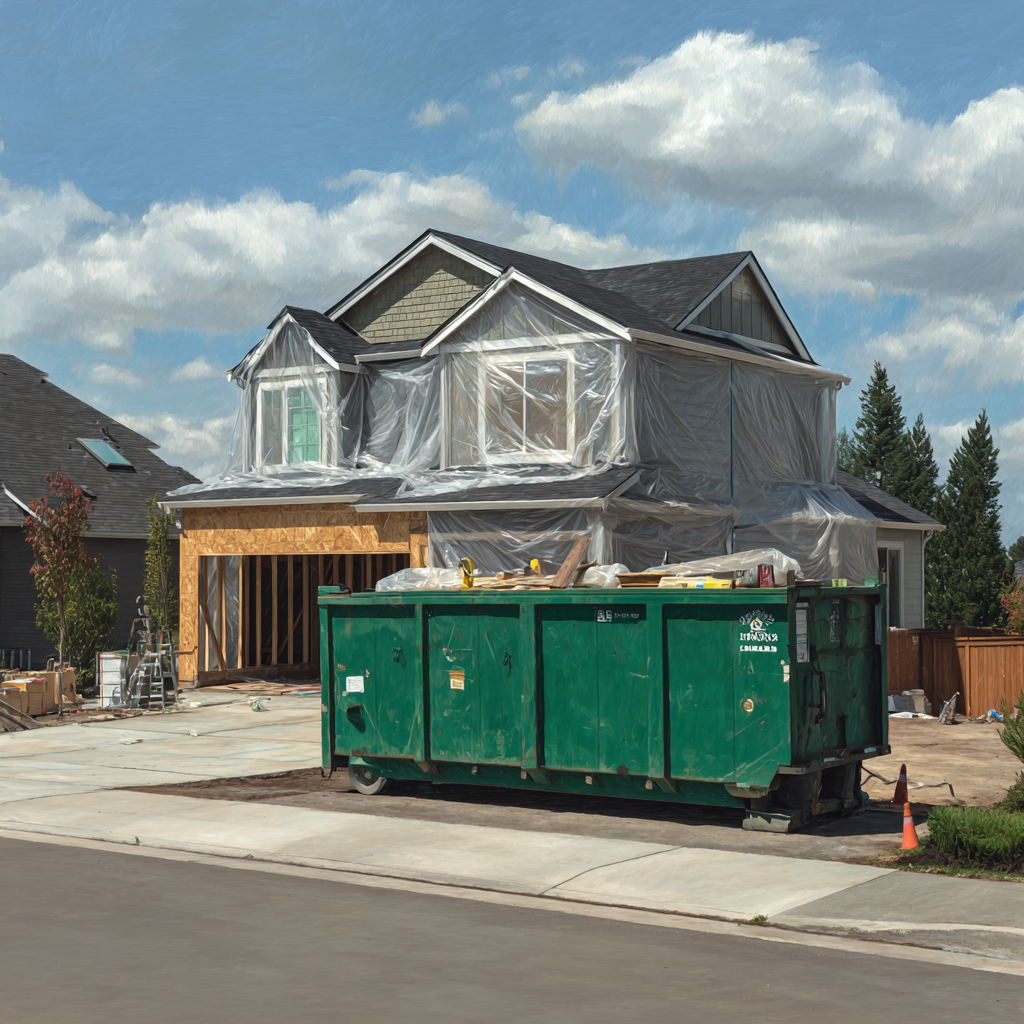
Longview-Specific Regulations and Permit Requirements
City of Longview may require permits for dumpster placement depending on location and duration. Street placement typically involves more stringent requirements than private property placement. Check with the city’s permit office early in your planning process.
Right-of-way permits often apply when containers sit on public streets or sidewalks. These permits help ensure safe placement that doesn’t obstruct traffic or pedestrian access. Application requirements and fees vary based on specific placement locations.
Permit approval timelines can range from a few days to several weeks. Factor this waiting period into your project schedule to avoid delays. Visit the City of Longview Permits and Inspections portal for current requirements and application procedures.
Cost Factors for Dumpster Rentals in Longview
Multiple variables affect your Longview dumpster rental cost beyond the base container price.
- Base rental rates by size: Larger containers cost more but may prove more economical than multiple small containers. Rates typically range from $399 for 10-yard units to higher amounts for 40-yard containers.
- Overage fees and weight limits: Exceeding included tonnage results in per-ton charges that add up quickly. Heavy materials, such as roofing shingles and tile, can trigger these fees even in partially filled containers.
- Delivery distance: Projects outside Longview’s immediate area may incur additional mileage or fuel surcharges. Confirm whether your job site location affects the quoted price.
- Extended rental charges: Keeping containers beyond the standard five-day period adds daily or weekly fees. Requesting longer terms upfront typically costs less than adding days later.
- Permit costs: Street placement permits add to your overall project expenses. These fees vary based on location and duration requirements.
Accurate debris estimation and upfront communication about project needs help avoid unexpected charges when renting a dumpster in Longview, WA.
Your Longview, Washington Remodeling Waste Management Partner
Successful dumpster rental for Longview, WA, home remodels requires matching container size to debris volume, understanding local permit requirements, and planning rental duration around project phases. Contractors who book early during peak season, protect client property during placement, and communicate material types upfront avoid costly delays and overage fees.
Prime Dumpster coordinates reliable waste removal for residential remodeling projects throughout Southwest Washington. Our team understands Longview’s regulations, seasonal demand patterns, and the specific challenges contractors face on residential job sites. Contact us to discuss your project requirements and secure the right container for your timeline and budget.
If you are looking for What Dumpster Size Do I Need for a Home Renovation in Richland, WA?, Click Here
Recent Posts


Follow Us
Have any questions?
+1 844 853 3867
Give us a call today so we can help you find the right waste & sanitation solution for
your project!
Contact Us