
Mon - Sat 7:00 am to 7:00 pm
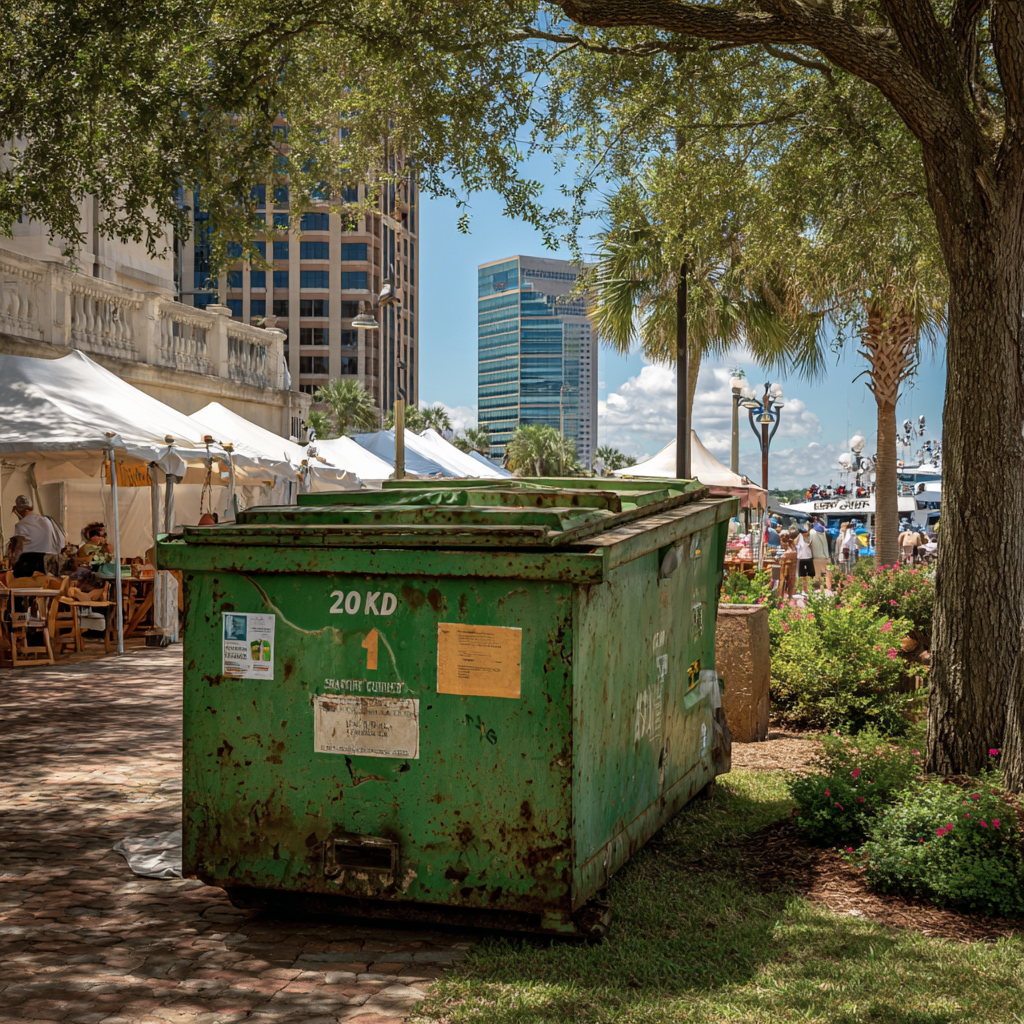
Dumpster Rental Placement in Jacksonville, Florida: A Guide for Every Project Type
“Jacksonville covers more ground than almost any other city in the country, and that scale creates placement considerations that renters don’t always anticipate,” says the Prime Dumpster Pro. “Add in the subtropical climate, coastal geography, and Florida’s active storm season, and you have a market where placement planning matters more than most.”
Prime Dumpster coordinates roll-off dumpster rentals across Jacksonville and Duval County for construction projects, events, residential cleanouts, and commercial work. We put together this guide to walk through dumpster rental placement in Jacksonville, Florida across every major project type, with the climate and local logistics factors that make this market unique.
Fast Facts: Dumpster Rental Placement in Jacksonville, FL
We asked the Prime Dumpster Pros the placement questions that come up most often when renting a dumpster in Jacksonville, Florida.
Do I need a permit to place a dumpster in Jacksonville?
“Private property placement, meaning a driveway, job site lot, or private parking area where the container stays fully within the property boundary, generally doesn’t require a permit. The permit requirement kicks in when the container extends onto a public road, sidewalk, or city right-of-way.
“Jacksonville requires a Right-of-Way permit for street placement, submitted through the city’s JAXEPICS online system. You’ll want to always check official government sources for accurate and current permit costs”
How does Jacksonville’s size affect dumpster delivery and placement?
“Jacksonville spans roughly 840 square miles, making it the largest city by land area in the contiguous United States. That scale means delivery distances vary significantly depending on where the project is located, and placement logistics in North Jacksonville, the Beaches, or the Southside each come with their own access considerations.
“Beach community placements in Jacksonville Beach and Ponte Vedra require separate permits from those municipalities and often involve narrower street access than mainland Jacksonville. Confirming which jurisdiction covers the project address before booking prevents applying through the wrong permitting channel.”
How does Florida’s climate affect dumpster placement decisions?
“Jacksonville’s heat and humidity accelerate odor from organic debris faster than most renters expect, particularly in summer when temperatures regularly exceed 90 degrees. Containers with food service waste or organic materials mixed in need more frequent pickups during warm months than the same container would in a cooler climate.
“Heavy afternoon rainfall is common across the metro from June through September, and containers placed on soft or sandy ground can shift or sink after sustained rain. Protective boards under the container are standard practice on any placement surface that isn’t solid paved concrete, and scheduling pickup before a major storm system moves through prevents a waterlogged load that complicates the haul.”
What placement considerations apply to flood-prone areas of Jacksonville?
“Jacksonville has significant flood-prone areas, particularly near the St. Johns River, Ortega River, and low-lying neighborhoods along the Intracoastal. Placing a container on ground that floods regularly requires extra planning around both surface stability and access route viability after heavy rain.
“Containers in flood-prone areas should go on the highest available ground within the property, with protective boards as a baseline precaution. During active tropical storm or hurricane watches, coordinating early pickup before the weather arrives prevents a container from becoming inaccessible or a safety issue during a flood event.”
Construction and Development Projects
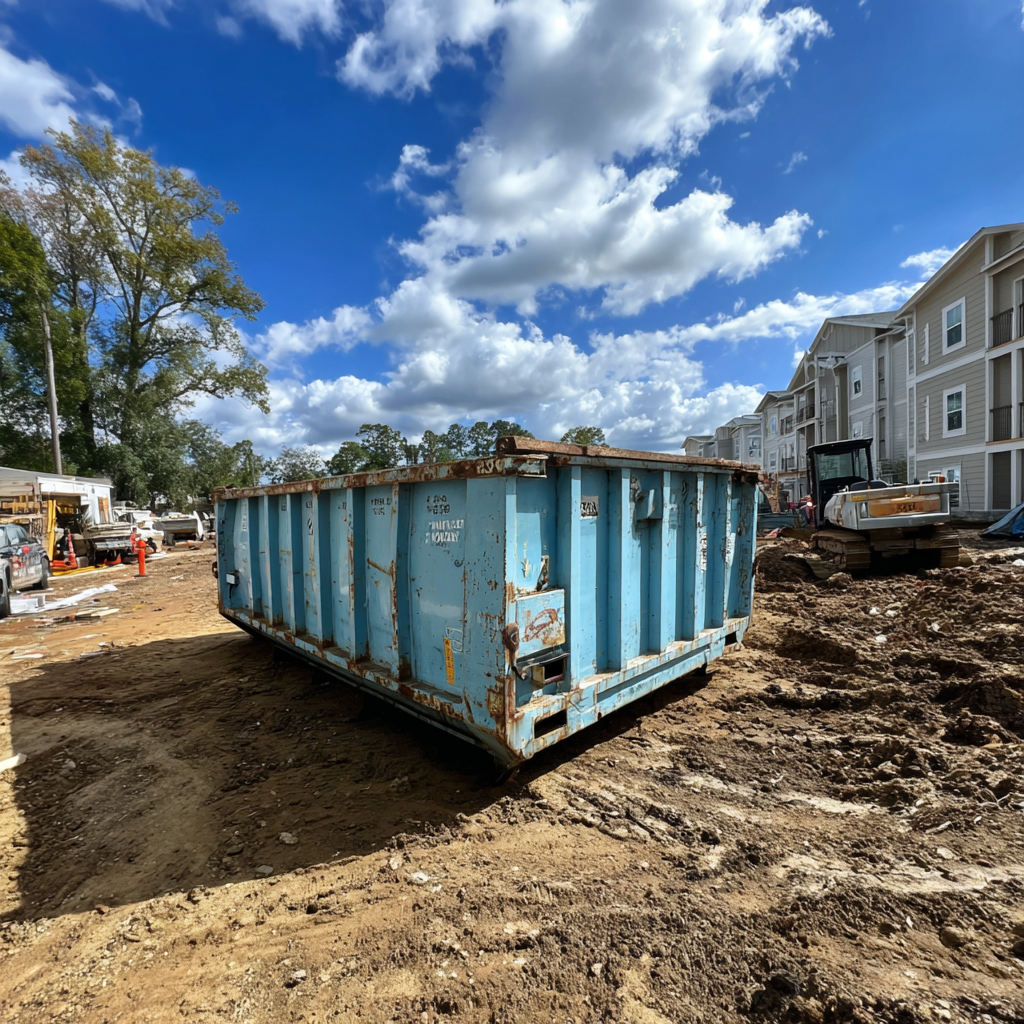
Jacksonville’s construction sector spans a wide geographic footprint, from infill development in Riverside and Avondale to large-scale suburban expansion in Nocatee and the Northside corridor, and placement logistics vary significantly across those environments.
Residential Construction
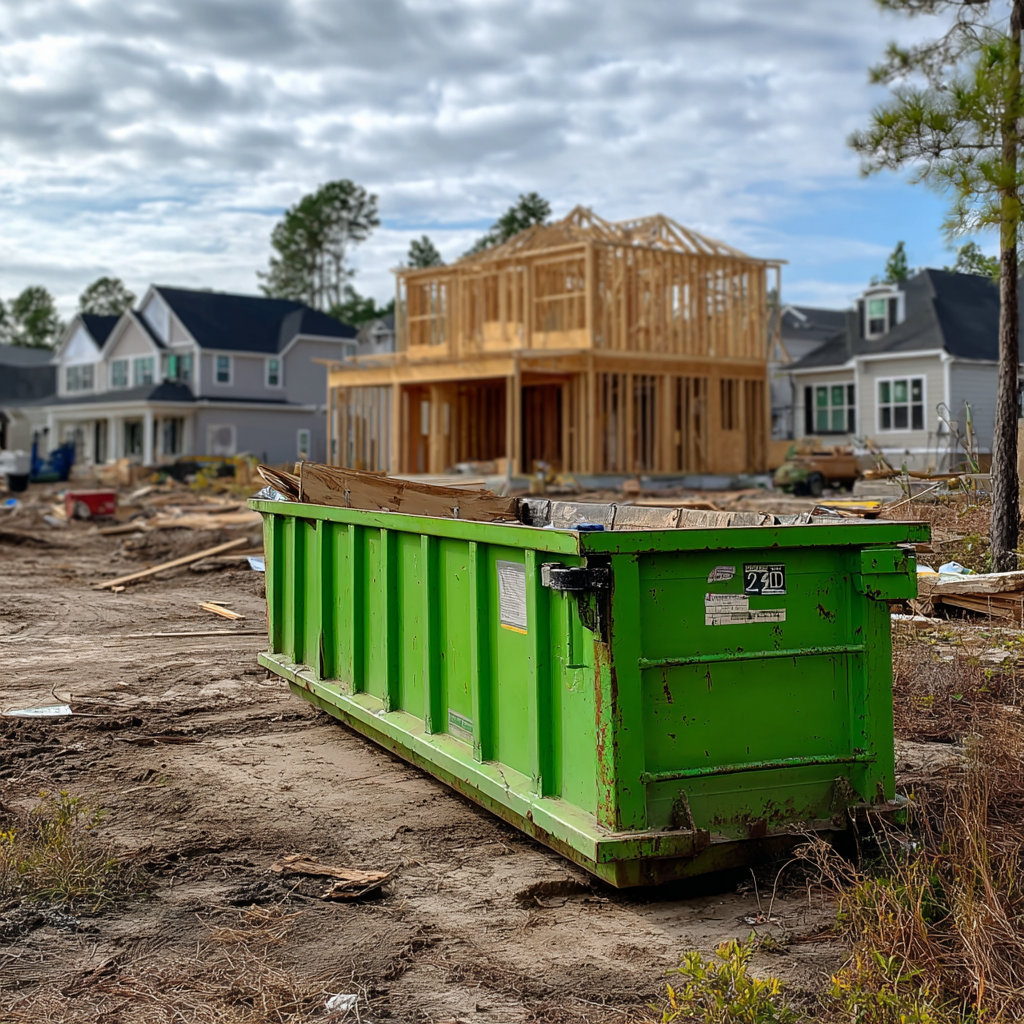
New home builds and renovations across Jacksonville’s rapidly expanding suburban corridors generate high debris volumes across compressed timelines, and the sandy soil common throughout Duval County creates placement challenges that don’t exist on firmer ground.
Protective boards under the container are standard practice on residential construction sites here, and confirming ground stability before delivery prevents a container from sinking or shifting during an active build phase.
Commercial Construction
Active commercial construction along Southside Boulevard, the Baymeadows corridor, and downtown Jacksonville requires container placement that keeps tenant access, delivery routes, and parking areas functional throughout the rental period.
Coordinating placement and pickup windows with the site logistics team before delivery day prevents the container from becoming an obstacle in environments where multiple operations are running simultaneously.
Public and Community Events
Jacksonville’s event calendar spans waterfront festivals, neighborhood gatherings, and large public celebrations across a city that stretches across multiple distinct communities, and placement logistics differ significantly depending on whether the venue is public or private property.
Outdoor Festivals and Public Gatherings
Events along the St. Johns River waterfront, at Metropolitan Park, and across Jacksonville’s neighborhood festival circuit require container placement coordinated with city event permitting before delivery.
Public space placement triggers the city’s right-of-way permit requirement, and soft or grassy ground at many outdoor venues requires protective boards under the container. Booking three to four weeks ahead of fixed event dates secures availability before seasonal demand tightens.
Sporting Events and Venues
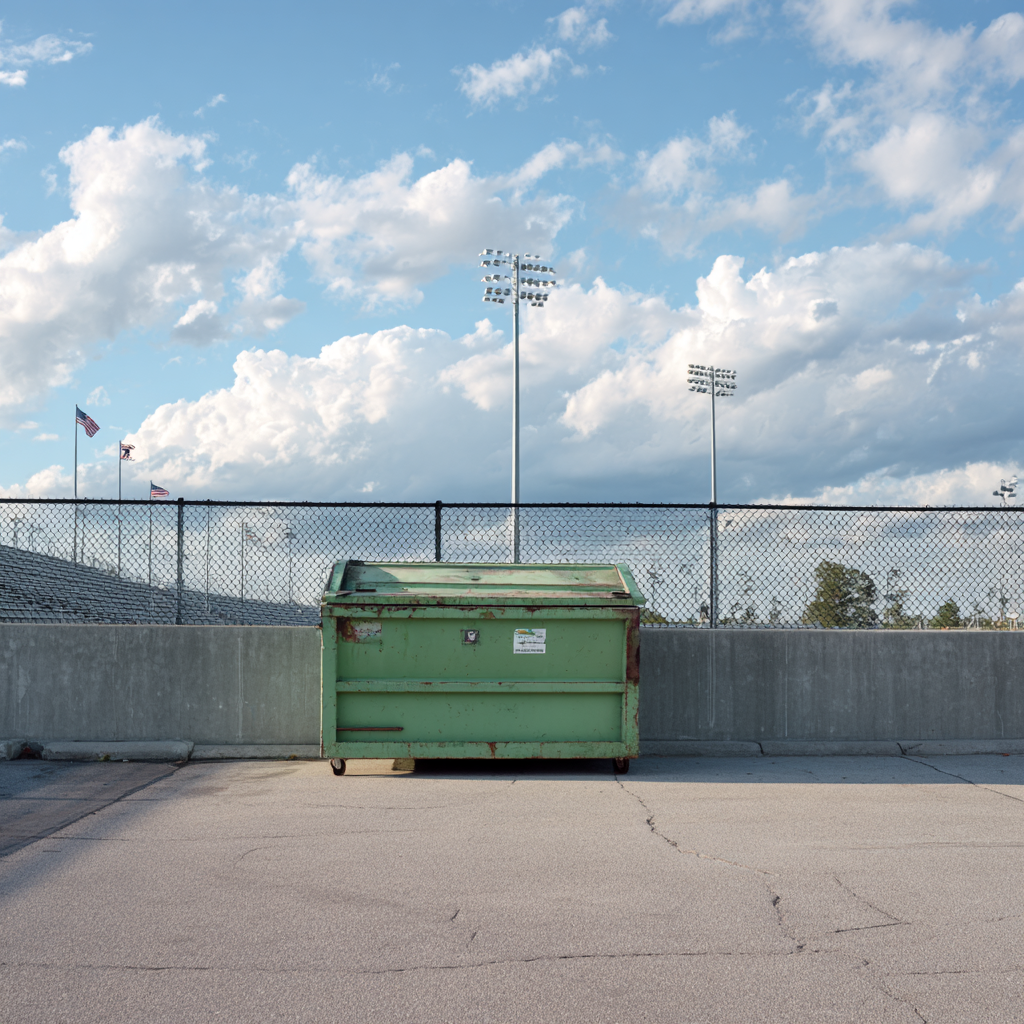
Jacksonville hosts major professional and amateur sporting events year-round, and the city’s size means event-related container logistics span multiple venue types across a wide geographic footprint.
Jaguars and Stadium Events
EverBank Stadium events draw large crowds that generate substantial waste across vendor corridors, concession areas, and public gathering zones around the facility.
Container placement at stadium venues requires coordination with venue operations well before game day, and pickup timing needs to account for post-game traffic patterns that can make access difficult for several hours after an event ends. Booking containers several weeks ahead of fixed game dates is essential during the NFL season when demand across the metro spikes around home games.
Marathons, Runs, and Outdoor Athletic Events
Running events along Jacksonville’s waterfront and urban corridors stage waste containers at water stations, start and finish zones, and spectator gathering points across routes that can span several miles.
Public right-of-way placement along race corridors requires permits coordinated well ahead of the event date, and pickup scheduling needs to align with road reopening times after the course closes. Containers on soft or grassy surfaces near waterfront event areas require protective boards to prevent sinking during the rental period.
Storm and Hurricane Debris Removal
Florida’s active storm season generates debris removal demands that spike quickly after significant weather events across Duval County. Damaged roofing, structural materials, downed trees, and waterlogged contents all accumulate simultaneously, and containers placed on saturated ground after a storm require protective boards to prevent sinking.
Booking early in the recovery window, before demand peaks across the metro, gives homeowners and contractors the best access to available sizes and delivery timelines.
Landscaping and Property Renovation
Large-scale landscaping projects across Jacksonville’s sprawling residential and commercial properties generate debris volumes that standard waste pickup cannot handle. Sod removal, tree clearing, hardscape demolition, and bulk vegetation all require container sizing based on weight as much as volume, particularly when concrete or masonry is involved.
Private property placement handles most landscaping scenarios without a permit, but confirming ground conditions before delivery is especially important on properties with sandy or recently disturbed soil.
Florida Climate Considerations for Dumpster Placement
“Jacksonville’s climate affects every part of a dumpster rental, from the ground the container sits on to how quickly debris becomes a problem inside it,” says the Prime Dumpster Pro. “Planning around the heat, rain, and storm season isn’t optional here, it’s part of getting the rental right.”
Here are the climate factors that matter most for placement decisions across the Jacksonville area:
- Heat and humidity: Summer temperatures combined with high humidity accelerate odor from organic debris significantly faster than in cooler markets, making frequent pickups essential during warm months.
- Afternoon rainfall: Heavy daily rain from June through September saturates soft and sandy ground quickly, making protective boards a standard precaution on any placement surface that isn’t solid paved concrete.
- Sandy soil: Much of Duval County sits on sandy substrate that shifts under heavy loads, and a container placed without boards on sandy ground can sink or tilt during an extended rental period.
- Hurricane and tropical storm season: Active weather between June and November creates sudden surges in container demand and can make containers inaccessible or unsafe if pickup isn’t coordinated before a storm arrives.
- Flood-prone areas: Low-lying neighborhoods near the St. Johns River and Intracoastal require placement on the highest available ground, with early pickup scheduled whenever a tropical system threatens the area.
Accounting for these factors before booking is what keeps a Jacksonville rental from turning into a weather-driven logistics problem mid-project.
Plan Your Jacksonville Dumpster Rental Placement in Advance
Dumpster rental placement in Jacksonville, Florida, involves more variables than most markets. The city’s scale, subtropical climate, flood-prone geography, and layered permit requirements across multiple jurisdictions all shape how a rental comes together from booking through pickup.
Getting those details sorted before delivery day is what keeps projects on schedule and avoids the compliance issues and weather-related complications that come with last-minute planning. Contact our team to get a quote and coordinate roll-off container service for your Jacksonville project.
If you are looking for 10 Dumpster Rental Tips for Fort Worth, TX, Click Here
Recent Posts


Follow Us
Have any questions?
+1 844 853 3867
Give us a call today so we can help you find the right waste & sanitation solution for
your project!
Contact Us