
Mon - Sat 7:00 am to 7:00 pm
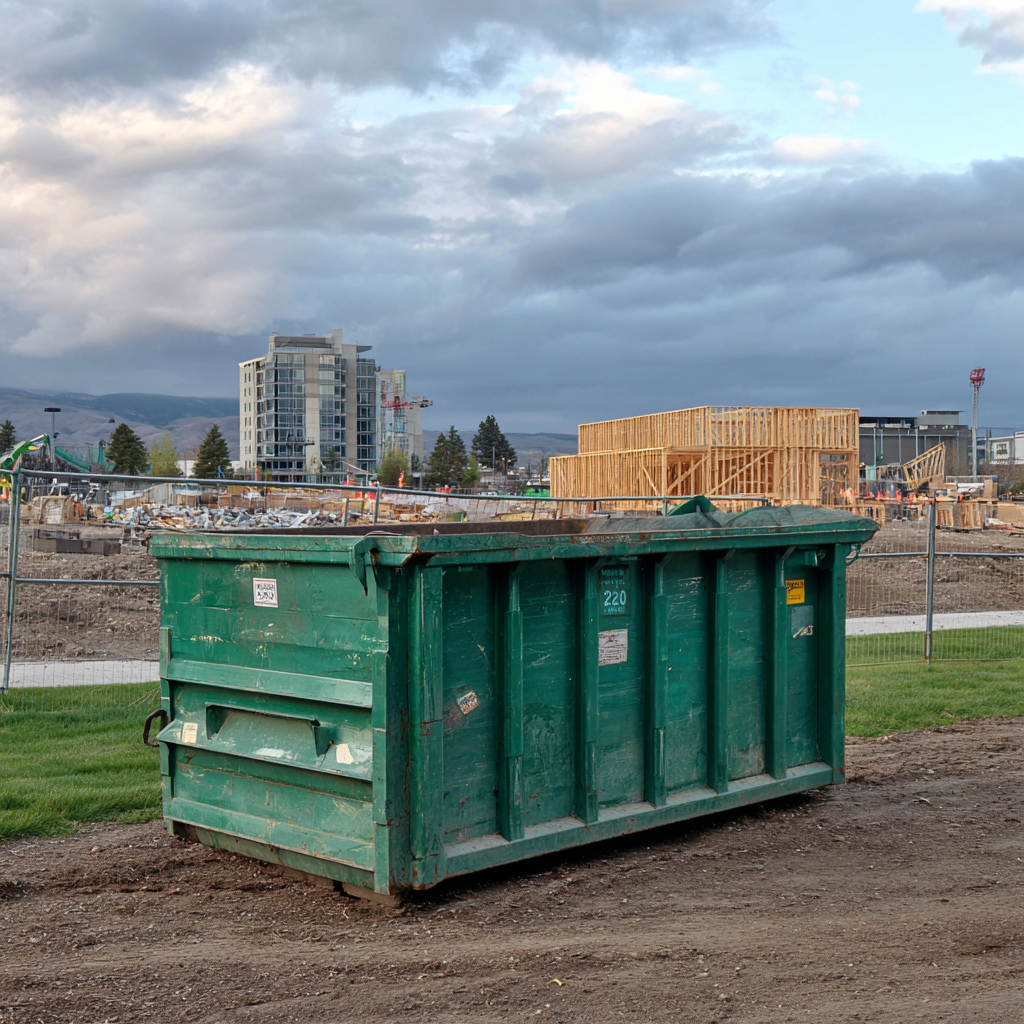
What Dumpster Size Do I Need for Construction in South Haven, MI?
Selecting the right dumpster size for construction in South Haven, MI, directly impacts your project timeline, budget, and site efficiency. Lake Michigan’s resort city presents unique challenges from narrow lakefront lots to seasonal construction rushes that require precise waste management planning.
Prime Dumpster serves construction professionals throughout South Haven and Van Buren County with roll-off containers sized for every project scale. Our guide covers 10, 15, 20, 30, and 40-yard dumpster selection strategies based on debris volume, material density, site access constraints, and local construction patterns from waterfront developments to downtown renovations.
Fast Facts: Dumpster Size for Construction in South Haven, MI
We asked our Prime Dumpster Pro for answers to the most common questions about selecting the right container size when renting a dumpster for a South Haven, MI, construction project.
What’s the most common dumpster size mistake on South Haven construction sites?
“Contractors underestimate how much space loose demolition debris actually takes up in the container. Broken drywall, wood framing, and packaging materials create huge volume even though they’re lightweight. This leads to overfilled containers that can’t be picked up legally, forcing you to pay for additional hauls that blow your waste management budget.”
How does South Haven’s lakefront location affect dumpster size selection?
“Narrow lot sizes along Lake Michigan and the Black River mean you’re often working with tight placement constraints that limit your container options. Sandy soil near the waterfront also won’t support heavy loaded containers without proper ground protection. Smart contractors in these areas often choose smaller units with more frequent swaps instead of jamming a 40-yard container into a space that can’t handle it.”
Should I size up or size down if I’m between two container capacities?
“Always size up when you’re on the fence. The cost difference between a 20-yard and 30-yard container is minimal compared to what you’ll pay for a second delivery and pickup. Extra capacity gives you buffer room for change orders and unexpected waste, which happens on virtually every construction project. Undersizing kills your timeline and costs more in the long run.”
How does South Haven’s tourist season impact dumpster rental planning?
“Spring construction rushes before summer tourism season create equipment shortages across Van Buren County. Contractors booking projects between April and June need to reserve containers at least three to four weeks in advance. The peak summer months bring availability challenges too, so plan ahead or risk delays waiting for equipment during the busiest season.”
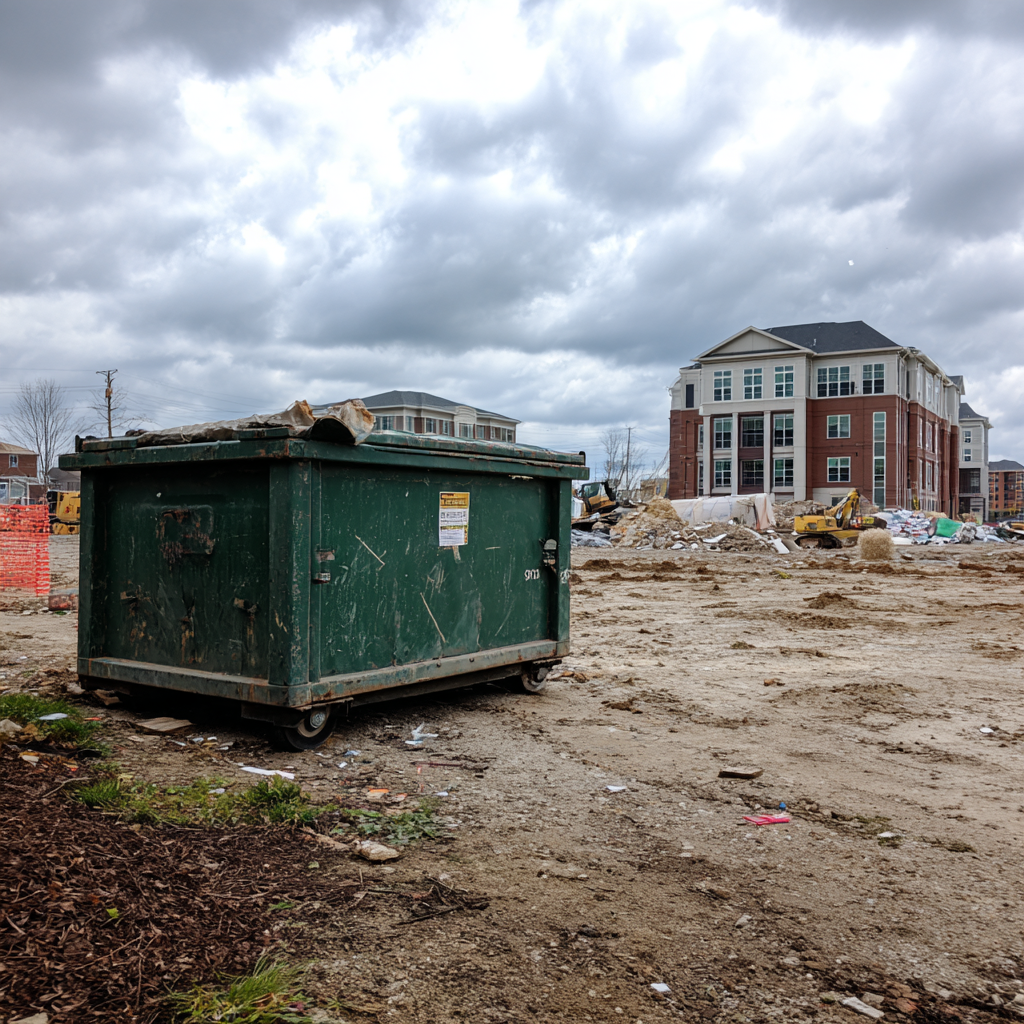
Your Project’s Waste Management Needs Explained
Stop thinking about capacity first. Start by analyzing what you’re actually throwing away.
Your debris tells the real story. Categorize it by weight and density.
Heavy materials like concrete and brick compact tightly. Lighter demolition debris, such as drywall and wood, fills space differently.
This directly affects how much physical waste fits in your container.
Identifying Construction Debris Types
Get this right early. It prevents costly surprises.
Remember, hazardous, toxic, or radioactive waste is a no-go. The same goes for liquids and tires.
These prohibited items need separate disposal plans. Identifying them upfront keeps your project on track.
Estimating Volume and Space Requirements
Do a quick visual assessment on site. Use a pickup truck bed as a mental guide. It holds about two cubic yards.
Factor in space compression. Loose debris piles shrink as you fill the container.
Experienced pros account for this squeeze. Accurate estimates prevent two big mistakes.
You avoid ordering a container that’s too small, which needs extra hauls. You also skip paying for unused space in one that’s too large.
It’s about matching the bin to your job’s real demands.
Exploring Dumpster Size Options: 10, 15, 20, 30, and 40 Yards
Forget one-size-fits-all. Construction debris management relies on a range of bin volumes.
There are five standard types of roll-off containers, measured in cubic yards.
This table shows your main choices, with physical footprints and common uses.
| Capacity (Yards) | Dimensions (W x L x H) | Typical Project Scale |
| 10-Yard Dumpster | 8′ x 11′ x 3.5′ | Small bathroom remodel, deck removal |
| 15-Yard Dumpster | Varies by provider | Kitchen renovation, large shed demo |
| 20-Yard Dumpster | 8′ x 22′ x 4.5′ | Whole-house cleanout, roofing job |
| 30-Yard Dumpster | 8′ x 22′ x 6′ | Major addition, multi-room demolition |
| 40-Yard Dumpster | 8′ x 22′ x 8′ | New construction, full commercial tear-out |
See a pattern? The 20, 30, and 40-yard containers share the same length and width. Their height is what changes.
A “yard” means one cubic yard of space. It’s about the volume of a washing machine.
Need to protect a driveway? Ask for rubber-wheeled options. They come in 10, 20, and 30-yard capacities.
The 15-yard unit is a smart middle ground. It bridges the gap between the smallest and mid-size containers.
Knowing both volume and footprint helps you pick. You match your waste pile to your available space.
Tips for Small-Scale Construction and Renovation Projects
Small-scale improvements demand a precise approach to managing debris. We are focusing on residential upgrades and compact commercial refreshes.
Your choice between a 10-yard and 15-yard container here is critical. It balances capacity with your site’s constraints.
Optimizing the 10 and 15 Yard Options
Ten-yard dumpsters work well for home renovations and limited-scope work. Think bathroom makeovers or a kitchen update where cabinets stay put.
It is also ideal for a garage clear-out or removing a small deck. Choose this compact option when access is tight, like a narrow driveway.
When does your project need the extra space of a 15-yard bin? Bump up for a full kitchen tear-out, including cabinets.
It also handles small home additions or re-roofing jobs on structures under 1,500 square feet. A common error is underestimating the pile.
Even modest home renovation projects generate more waste than you’d think. Demolition debris, packaging, and damaged materials add up fast.
For commercial tenant improvements or retail refreshes in just a few rooms, these smaller bins are often perfect. They offer enough capacity without cluttering your staging area.
Strategies for Medium to Large Construction Sites
Managing debris on a bigger scale is where proper planning pays off.
You need a container that matches the job’s ambition without wasting space or money.
When to Consider 20 or 30 Yard Dumpsters
Think 20-yard bin for whole-house renovations or tearing out a large deck.
It also fits big roof replacements and medium commercial interior demolitions.
Step up to a 30-yard unit for full-scale construction projects.
This includes new home builds, major commercial renovations, and large additions with structural demolition.
| Capacity | Ideal Project Types | Material Note | Pro Tip |
| 20-Yard | Whole-house reno, large deck demo, commercial interior refresh | Great for mixed debris; watch weight with concrete | Holds about six pickup truck loads |
| 30-Yard | New home framing, major commercial remodel, large addition | Handles high-volume, lighter materials best | Plan for phased waste if site access is tight |
Factors Influencing Your Selection
The type of material matters a lot. Heavy stuff like concrete may require a weight-conscious choice, even if volume suggests a larger bin.
Many pros estimate their project waste by counting pickup truck loads. Divide that number by three to see if a 20-yard dumpster (roughly six truckloads) will work.
Sometimes, multiple smaller containers beat one giant unit. This works for phased projects, super tight sites, or when separating wood and metal for recycling.
Always build in a buffer for unexpected waste. Change orders and damaged materials always add to the pile.
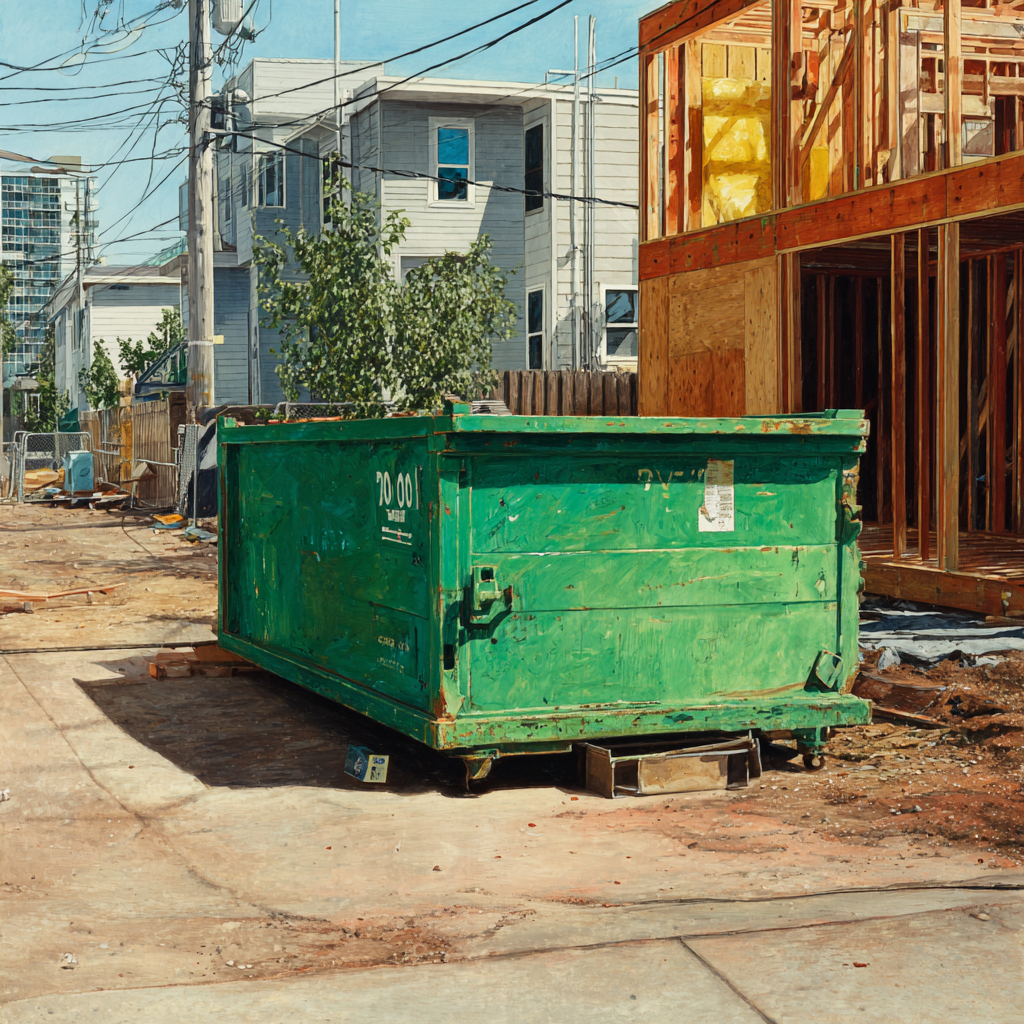
Local Insights: South Haven Neighborhoods and Construction Trends
South Haven’s unique neighborhoods directly shape how builders and renovators plan their projects. We see distinct patterns emerge from its history as a port and a resort.
Knowing these local rhythms helps you schedule work and manage waste effectively.
Utilizing Local Landmarks and Industry Knowledge
The city’s nickname, “The Catskills of the Midwest,” points to its seasonal boom. Many property owners rush renovations before summer tourists arrive.
This creates a compressed timeline each spring. Efficient debris management becomes critical during this peak.
Waterfront properties along Lake Michigan and the Black River often involve specialized work. These projects focus on views and preserving historic charm.
Access can be tight in these prized locations. It influences the type of equipment and services you can use.
| Area / Focus | Typical Project Scope | Access & Logistics Note |
| Downtown Historic District | Careful facade updates, interior remodels | Narrow alleys; often need smaller waste solutions |
| North Shore & Lakefront | Home expansions, deck rebuilds, view-oriented designs | Driveway protection is a common request |
| Kal-Haven Trail Corridor | New builds balancing modern amenities with natural appeal | More space, but mindful of parkland proximity |
| Recreational Harbor | Marina upgrades, commercial builds for boating tourism | Mixed debris streams from commercial activity |
Local rental services in the south part of the city understand these nuances. They can advise on the right equipment for your specific site.
For any project here, consider the community’s dual identity. You are working in a historic port and a vibrant vacation destination.
This knowledge guides everything from timing to selecting your South Side rental partner.
Dumpster Size Construction South Haven, MI: Critical Selection Tips
A smart container choice hinges on balancing volume estimates with real-world site conditions. We have a simple framework for pros in this area.
Start by calculating your debris pile. Then, adjust for material density and your project’s timeline.
Matching Capacity to Project Demands
Are you handling light mixed debris? Volume will be your main limit.
Heavy materials like concrete are different. Weight limits often hit before the container looks full.
Your rental service can provide specific weight guidelines. This prevents overage fees.
Considerations for Urban vs. Rural Sites
The city’s downtown and harbor districts have tight spaces. Permits and neighbor relations matter a lot here.
Contractors often use slightly smaller containers with more frequent swaps. This keeps sites organized and avoids long-term street placement issues.
In surrounding rural or suburban spots, larger units make more sense. You reduce swap frequency and use the available space.
| Site Factor | Urban Strategy | Rural Strategy |
| Preferred Unit Size | Smaller (e.g., 20-yard) | Larger (e.g., 30 or 40-yard) |
| Swap Frequency | Higher; maintain clear site access | Lower; maximize use of space |
| Primary Concern | Permits, neighbors, logistics | Cost-efficiency, project duration |
Remember, undersizing costs more later. You face extra rental periods and delivery fees.
Modest oversizing gives you buffer capacity for a small added cost. It’s a smart hedge against surprises.
Your South Haven Construction Waste Management Partner
Choosing the right dumpster size for construction in South Haven, MI requires balancing debris volume estimates with material weight limits and site-specific constraints from lakefront access to downtown space restrictions.
Construction professionals who accurately assess their waste streams, account for South Haven’s seasonal construction patterns, and coordinate delivery logistics maintain efficient jobsites through project completion.
Contact us to discuss your South Haven construction project requirements and secure appropriately sized roll-off containers that keep your site organized, compliant, and productive.
If you are looking for 10 Easy DIY Home Improvement for First Time Buyers, Click Here
Recent Posts


Follow Us
Have any questions?
+1 844 853 3867
Give us a call today so we can help you find the right waste & sanitation solution for
your project!
Contact Us