
Mon - Sat 7:00 am to 7:00 pm
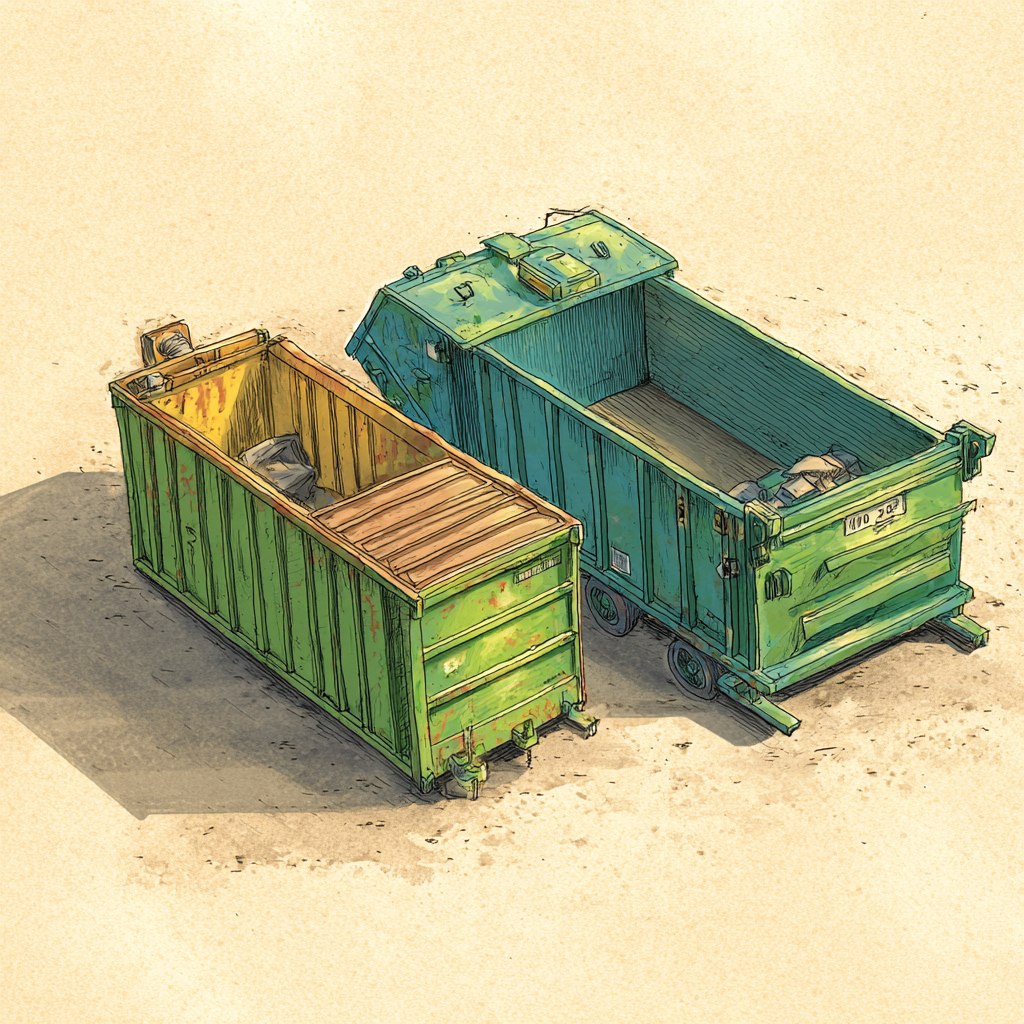
What Size Dumpster Do I Need to Rent in Houston, TX?
Choosing the wrong container wastes money and slows down projects across Houston’s busy construction and events calendar. Whether you’re managing a demolition near the Ship Channel, renovating a home in the Heights, or coordinating cleanup at a major festival downtown, dumpster sizes in Houston, Texas, vary by project type, debris weight, and available site space.
Prime Dumpster coordinates waste removal for construction sites, residential remodels, large events, and industrial operations throughout the Houston metro area. The following guide breaks down which container sizes match specific project types across Harris County, from compact 10-yard units for heavy material removal to 40-yard containers handling major commercial demolitions.
Fast Facts: Dumpster Sizes in Houston
“Selecting the right dumpster size seems complicated but becomes straightforward once you understand your debris type and project scope,” says the Prime Dumpster Pro. “Getting it right the first time prevents delays and keeps costs predictable across Houston construction sites, home remodels, events, and industrial cleanouts.”
- Calculate by project phase – Demolition generates 3-4 times more debris than finishing work, so estimate peak waste periods rather than averaging across your entire timeline to avoid undersizing containers during critical phases
- Account for Houston’s climate – Gulf Coast humidity and seasonal rain add 15-20% moisture weight to porous materials like drywall, wood, and insulation that dry climates don’t factor into standard capacity calculations
- Match container footprint to site access – Tight Heights driveways and historic district streets limit delivery truck maneuvering while sprawling Energy Corridor sites accommodate larger units, making physical dimensions as important as cubic yard capacity
- Separate heavy and light debris mentally – Concrete, brick, and roofing shingles need dedicated smaller containers based purely on weight, while framing lumber, packaging, and household cleanout items size based on volume filling larger units efficiently
When renting a Houston, Texas, dumpster, the easiest way to ensure a smooth experience is to determine the best size that suits your project.
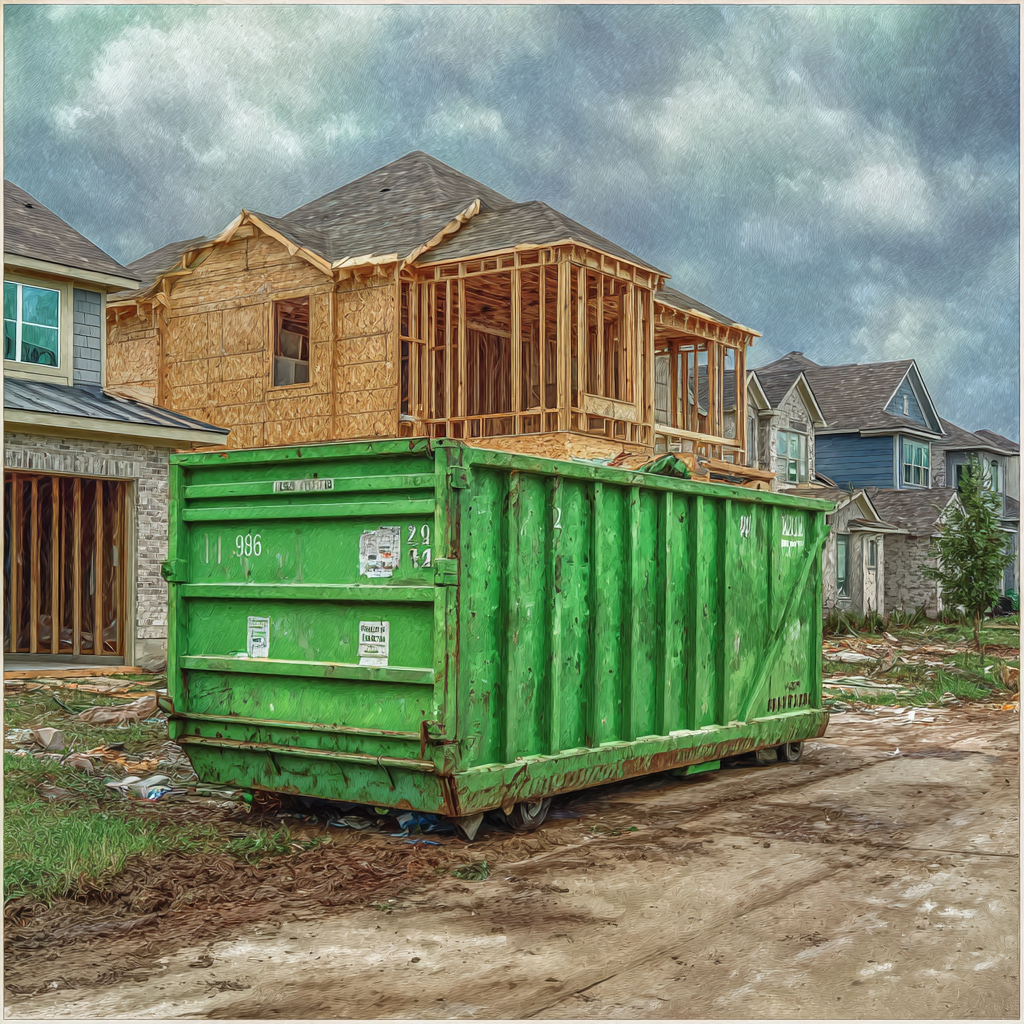
Dumpster Sizing in Houston
Understanding rolloff container measurements starts with grasping the concept of cubic yards. This unit measures volume capacity rather than physical dimensions. Think of it as how much stuff each container can hold.
It’s helpful to compare these capacities to familiar objects. For example, a 10-yard unit holds about three standard pickup truck loads. The largest 40-yard option accommodates twelve truckloads worth of debris.
Dimensions and Capacities
While cubic yard capacity remains consistent, physical measurements can vary between manufacturers. Here are typical dimensions for the five standard options:
| Capacity | Length | Width | Height |
| 10 yards | 10-14 feet | 7.5-8.5 feet | 3-4 feet |
| 20 yards | 20-22 feet | 7.5-8 feet | 3.5-4 feet |
| 30 yards | 20-22 feet | 8 feet | 6-6.2 feet |
| 40 yards | 20-22 feet | 8 feet | 7.5-8 feet |
General Use Cases
Choosing the right container involves balancing volume needs with weight considerations. Heavier materials like concrete fill capacity faster than lighter debris.
The progression from 10 to 40 yards covers everything from garage cleanouts to major construction projects. Visualizing these sizes helps match your project to the perfect fit.
Exploring the 10, 15, 20, 30, and 40-Yard Options
Let’s break down your five main rolloff dumpster choices to match your project perfectly. Each option serves distinct purposes from small cleanouts to major construction work.
Understanding these capacities helps you avoid paying for space you won’t use. It also prevents the frustration of running out of room mid-project.
When to Choose a Smaller Dumpster
The 10-yard dumpster excels with heavy materials like concrete and dirt. Its compact footprint makes it ideal for driveways and tight spaces.
Consider the 15-yard dumpster for landscaping projects and yard renovations. It handles bulky organic waste like tree branches and soil effectively.
The 20-yard dumpster remains the most popular choice for good reason. It accommodates single-room remodels, garage cleanouts, and moderate roofing jobs.
Advantages of Larger Containers
Move up to the 30-yard dumpster for whole-house cleanouts and multi-room renovations. This workhorse handles serious demolition debris and construction waste.
The massive 40-yard dumpster serves major construction sites and commercial projects. It’s your go-to for building demolitions and extensive debris volumes.
Remember that larger containers often provide better value per yard. They reduce the need for multiple rentals on big projects.
Tailoring Dumpster Rentals for Houston Construction Projects
Construction crews across the city face a critical decision when planning their waste management strategy. The right choice keeps your Houston construction project moving smoothly from demolition to completion.
Debris Types and Volume Considerations
Different materials require different container approaches. Heavy items such as concrete and masonry require special attention due to weight restrictions.
Lighter debris from framing and drywall installation fills space quickly but weighs less. This affects which rental option makes the most sense for your specific construction project.
| Project Type | Common Debris | Recommended Container | Reasoning |
| Concrete Removal | Concrete, bricks, masonry | 10-yard unit | Weight limits require smaller capacity |
| Roofing Work | Shingles, felt, wood | 20-yard unit | Fits typical residential tear-off volume |
| New Construction | Lumber, packaging, drywall | 30-40 yard unit | Handles high volume of mixed materials |
| Full Demolition | Mixed structural debris | 40-yard unit | Maximum capacity for large-scale removal |
Estimate your debris volume by considering each phase of your construction project. Initial demolition typically creates the most waste, while finishing work generates less.
Remember that proper debris management keeps your site safe and efficient. Choosing the right container prevents overflow and keeps your construction project on schedule.
Dumpster Rentals for Event Planners and Festivals
From the Houston Livestock Show to neighborhood block parties, temporary waste solutions make local events run smoothly. We understand that clean venues keep attendees happy and events successful.
Handling High Volumes at Concerts and Festivals
Large gatherings create unique waste streams that demand smart planning. Food service items, beverage containers, and vendor packaging accumulate quickly.
Strategic placement of multiple containers throughout your venue prevents overflow. This approach handles peak periods when crowds generate the most trash.
Calculating your needs depends on expected attendance and event duration. Food service involvement significantly increases waste volume requirements.
| Event Type | Typical Attendance | Recommended Setup | Special Considerations |
| Neighborhood Festival | 500-2,000 | 2-3 medium containers | Park accessibility, ground protection |
| Concert Series | 5,000-15,000 | 4-6 large units | Backstage areas, vendor zones |
| Major Festival | 20,000+ | 8-12 various sizes | Multiple entry points, food courts |
| Corporate Event | 100-1,000 | 1-2 compact units | Indoor/outdoor flow, aesthetic concerns |
Coordinate delivery before setup and pickup after breakdown. Reliable disposal service maintains clean conditions throughout multi-day events.
Industrial and Commercial Dumpster Solutions in Houston
Managing debris at manufacturing plants and petrochemical facilities requires careful planning and the right equipment. These operations face waste challenges that residential projects never encounter.
Meeting Large-Scale Demolition Needs
Industrial demolition generates massive debris volumes. Think about removing entire production lines or decommissioning equipment. These projects often need multiple large containers working simultaneously.
Petrochemical facilities along the Ship Channel have unique requirements. Their cleanouts involve specialized materials that demand careful handling. The right container choice ensures safety and compliance.
Manufacturing plants benefit from dedicated units for different waste streams. Production waste stays separate from renovation debris. This approach streamlines disposal and keeps operations running smoothly.
Commercial construction projects for warehouses and retail spaces need strategic planning. Placement around loading docks and heavy equipment traffic requires coordination. Proper debris management prevents workflow interruptions.
Estimating waste from large-scale demolitions starts with understanding your project scope. Consider the entire structure or production line being removed. This helps determine if you need one massive container or several coordinated units.
Dumpster Options for Homeowners and Remodel Projects
Kitchen and bathroom remodels typically fit perfectly in 15-20 yard containers. These handle demolished cabinets, countertops, tile, and fixtures efficiently. You’ll appreciate having enough space for all the debris.
Garage cleanouts, attic clear-outs, and basement decluttering usually need only 10-15 yard units. These projects involve accumulated household items rather than construction materials. The smaller footprint works well for residential driveways.
Whole-house renovation projects involving multiple rooms generally require 30-yard containers. This capacity handles the volume from simultaneous work areas. It keeps your project moving smoothly without overflow issues.
Moving cleanouts help homeowners dispose of unwanted furniture and appliances before relocating. Outdoor projects like deck replacement depend on lumber volume and old materials. Consider your specific debris types when choosing.
For multi-phase projects, decide between one larger container or sequential smaller rentals. Different renovation debris affects weight and volume calculations. Drywall fills space differently than landscaping waste.
How to Estimate Your Project’s Waste Volume
Let’s tackle the math behind your cleanup project without making it feel like homework. Accurate estimates prevent costly mistakes and ensure you get the right container.
Calculating Cubic Yards of Debris
Measure your debris pile’s length, width, and height in feet. Multiply these numbers together, then divide by 27 to get cubic yards.
Think of a standard pickup truck bed holding about 2-3 cubic yards. A 10-yard container equals roughly three truckloads. This visualization helps you estimate volume quickly.
Loose debris takes up more space than compacted materials. Factor this into your calculations for accurate results.
Check out our free debris weight calculators to help you determine what dumpster is best for your project.
Weight Limit and Material Considerations
Heavy materials like concrete reach weight limits before filling the container completely. Lighter debris like drywall fills space faster but weighs less.
For demolition projects, calculate room dimensions and account for cabinets and fixtures. Installation waste tends to be bulkier due to packaging materials.
When in doubt, round up to the next container size. It’s better to have extra space than to run out mid-project.
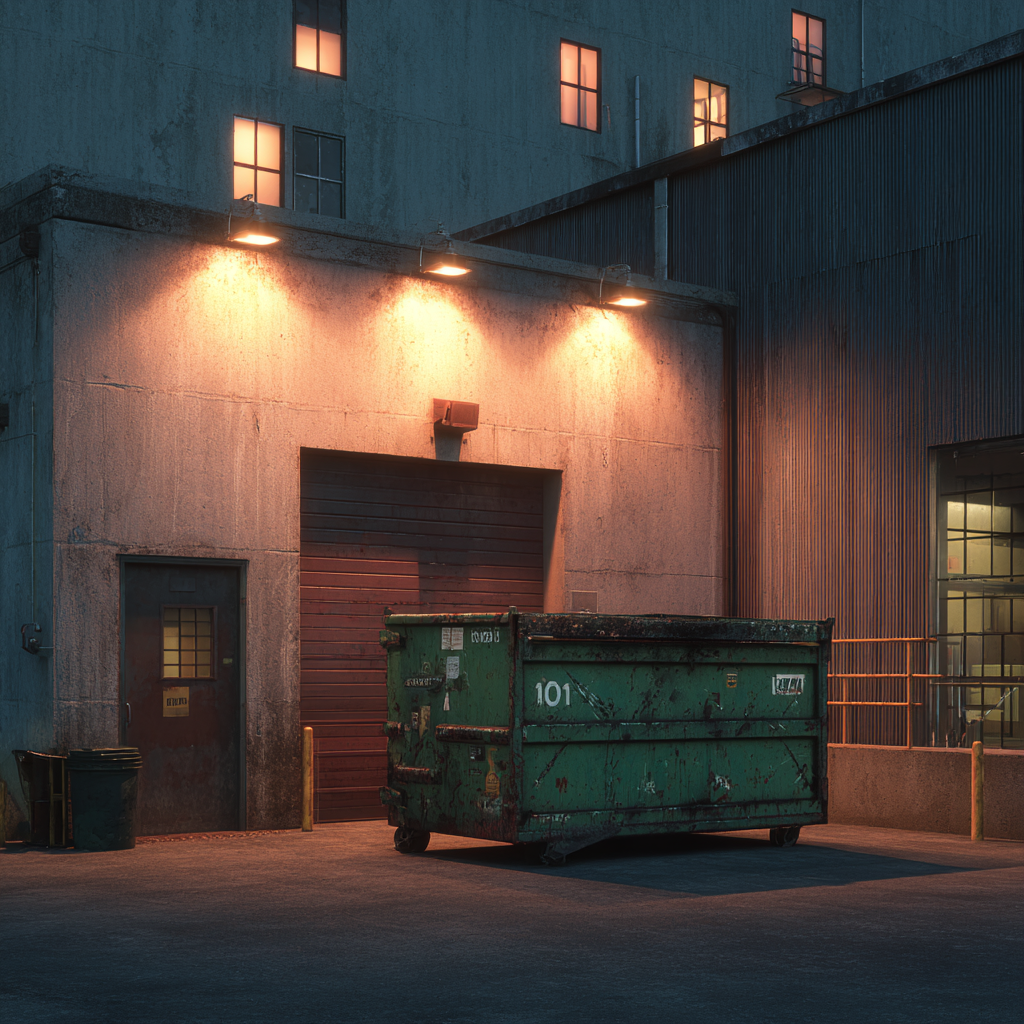
A Closer Look at Dumpster Weight Limits in Houston, TX, 77036
Weight considerations often determine your container choice more than volume alone. Heavier materials reach capacity limits faster than lighter debris types.
These weight restrictions protect both the rental equipment and hauling trucks from damage. Understanding them helps you avoid unexpected fees.
Guidelines for Different Types of Waste
A 10-yard unit typically handles under 5,000 pounds. The 20-yard option generally accommodates 5,000-8,000 pounds.
- Heavy materials like concrete and brick quickly reach weight limits. They often require smaller containers regardless of volume.
- Mixed construction debris with lumber and drywall usually stays within limits. Lighter waste like yard debris fills space before reaching weight capacity.
- Moisture from rain increases material weight significantly. Distribute heavy items evenly throughout the container for safe transport.
Exceeding weight limits may result in additional fees. It can also prevent safe hauling of your waste materials.
Your Houston Dumpster Sizing Partner
Matching dumpster sizes in Houston, Texas, to your specific project prevents overage fees, mid-project swaps, and workflow disruptions across residential, commercial, industrial, and event applications. Prime Dumpster coordinates roll-off containers throughout the Houston metro area for projects of every scale. Contact us to discuss your project details and secure the right container size for your timeline and budget.
If you are looking for Dumpster Rental Costs in Houston, TX: Full Pricing Guide for 2026, Click Here
Recent Posts


Follow Us
Have any questions?
+1 844 853 3867
Give us a call today so we can help you find the right waste & sanitation solution for
your project!
Contact Us