
Mon - Sat 7:00 am to 7:00 pm
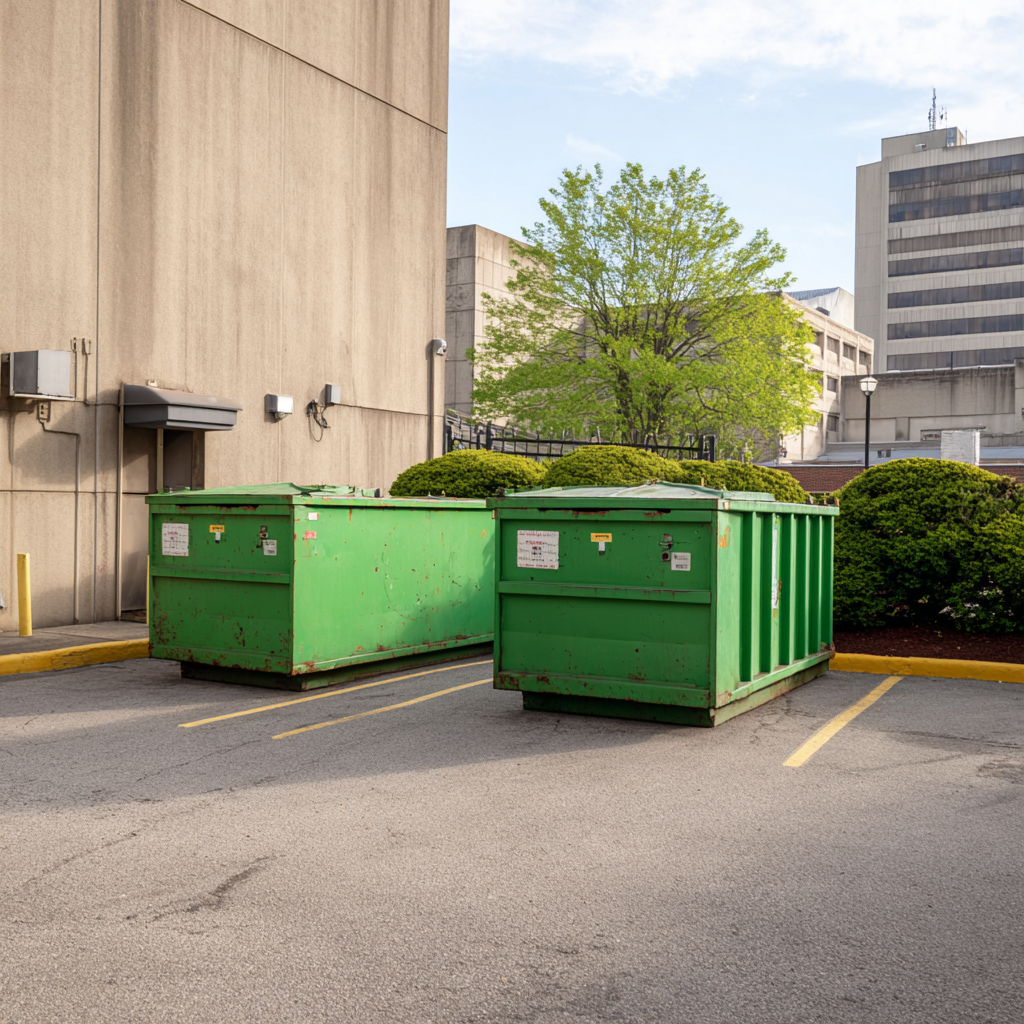
How to Save Money on Dumpster Rental in Cleveland, OH
Cleveland’s economy spans automotive manufacturing, steel production, healthcare construction, and a large professional services sector, and each generates its own set of waste management demands. For site managers, building managers, and contractors working across those industries, dumpster rental is a recurring operational expense, and the difference between a well-managed rental budget and one full of avoidable charges comes down to a handful of decisions made before the container arrives.
Prime Dumpster coordinates roll-off dumpster rentals across the Cleveland metro and greater Cuyahoga County for construction projects, industrial maintenance, commercial facilities, and residential work. We put together this guide to help professionals in this market save money on dumpster rental in Cleveland, OH, from booking through pickup.
Fast Facts: Dumpster Rental Costs in Cleveland, OH
We asked the Prime Dumpster Pros the cost and savings questions that come up most often when renting a dumpster in Cleveland, Ohio.
What’s the biggest mistake Cleveland renters make that drives up their rental costs?
“Underestimating debris weight is the most expensive and most common error, because overages get charged after pickup when nothing can be changed. A dedicated 10-yard unit for concrete, brick, or masonry keeps that cost off the invoice entirely.”
How does Cleveland’s seasonal construction cycle affect dumpster rental pricing?
“Lake Erie’s lake-effect winters compress the outdoor construction season, and container demand spikes hard from April through October. Booking two to three weeks out during that window is the minimum buffer for securing the right size at a predictable rate.”
What should industrial facility managers expect to pay for dumpster rental in Cleveland, and where can they trim costs?
“Industrial projects along the Cuyahoga corridor generate high debris volumes on maintenance cycles, and reactive one-off bookings consistently cost more than scheduled rotation agreements. Tying container logistics to actual production and maintenance schedules is where most industrial facilities find their savings.”
How can office building managers in Cleveland control dumpster rental costs during renovation and cleanout projects?
“Office renovation debris is light and bulky, which means volume drives the sizing decision more than weight, and oversizing is the most common and expensive mistake. A 20-yard container handles most single-floor office renovation scopes across Cleveland’s commercial corridors.”
What do construction site managers need to know to keep container costs predictable on Cleveland job sites?
“Idle rental days and weight overages are the two variables that most consistently push construction rental costs above budget. Aligning delivery with the actual project start date and running a dedicated unit for heavy debris keeps both under control.”
What’s the most reliable way for residential renters in Cleveland to avoid surprise charges on a dumpster rental?
“Knowing the debris type and placement location before booking eliminates most surprise charges on residential rentals. Private driveway placement avoids the permit requirement entirely, and separating heavy materials into a dedicated unit prevents weight overages on the primary container.”

What Drives Dumpster Rental Costs in Cleveland
Knowing what moves the price on a roll-off rental gives site managers and building managers the information they need to control it before the container is ever booked.
Container Size
Larger containers carry higher base rates, and paying for capacity that goes unused on every rental adds up quickly across a full project portfolio.
Way to Save: Size for actual debris output rather than a worst-case estimate, and treat each project type as its own sizing decision rather than defaulting to the same container every time.
Debris Type and Weight
Heavy materials like concrete, brick, and steel scrap reach weight limits before the container appears full, and overage fees are charged per ton after pickup with no opportunity to correct the decision.
Way to Save: Dedicate a separate 10-yard unit to any heavy debris the project generates, regardless of overall project scale, and keep it separate from the general debris container throughout the rental.
Rental Duration
Every day a container sits beyond the base rental period adds a daily extension charge that compounds quickly on projects with shifting timelines.
Way to Save: Align the rental period with a realistic project timeline from the start and confirm the daily extension rate before booking so schedule changes don’t produce unexpected invoice increases.
Seasonal Demand
Cleveland’s compressed outdoor construction season drives container demand up sharply between April and October, tightening availability and pushing pricing higher across Cuyahoga County during those months.
Way to Save: Projects with any scheduling flexibility save meaningfully by moving into the November through March window, where both pricing and availability consistently favor the renter.
Disposal and Landfill Fees
Distance from Cleveland’s primary disposal facilities, including the Ridge Road Transfer Station, and Cuyahoga County landfill rates both factor into the final cost beyond the base rental rate.
Way to Save: Keeping prohibited items out of the container prevents additional processing fees applied after pickup, and confirming what debris types the project generates before booking produces a more accurate total cost estimate upfront.
Permits and Placement
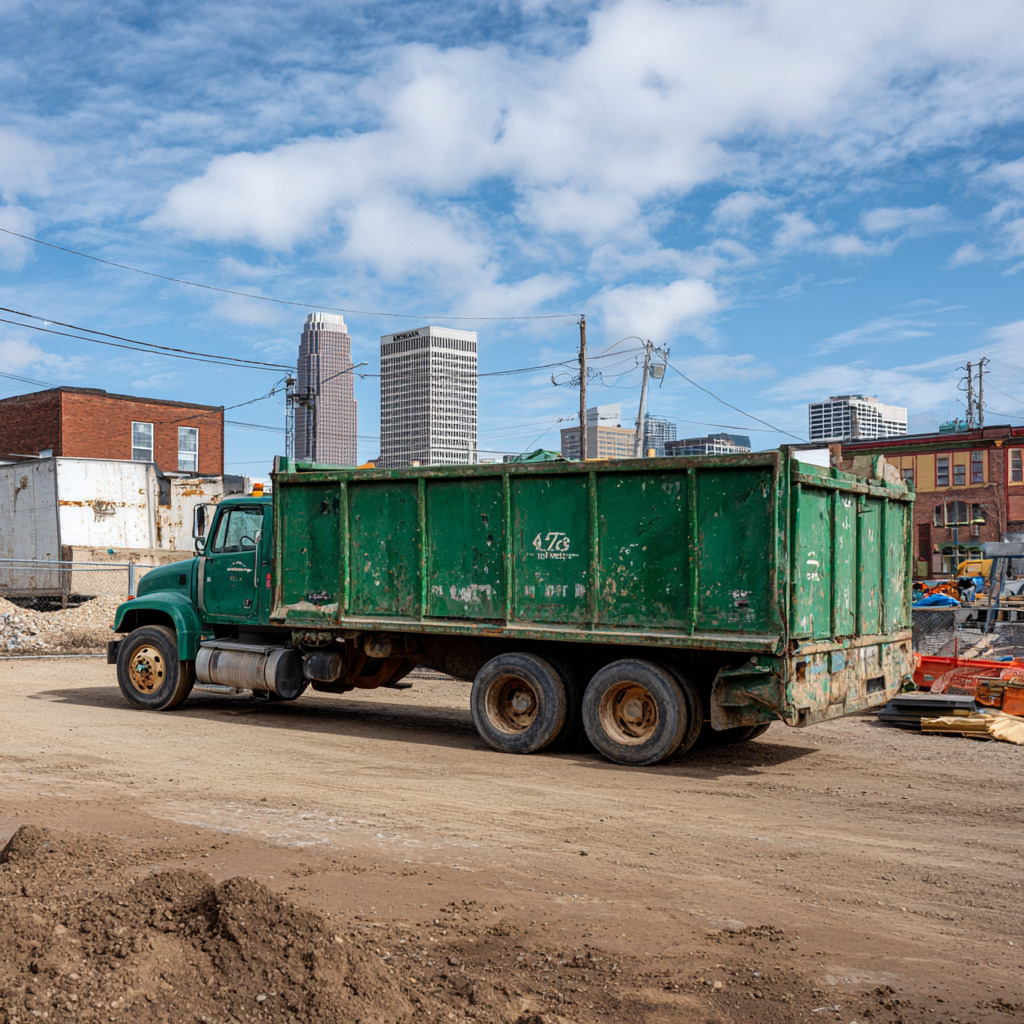
Street or sidewalk placement in Cleveland requires a permit issued by the city, adding a fee and processing time that private property placement avoids entirely.
Way to Save: Permit fees in Cleveland are modest, but the fines for unpermitted street placement are not. Choosing private property placement whenever the site allows eliminates both the permit cost and the compliance risk.
Control Your Dumpster Rental Costs in Cleveland, OH
Saving money on dumpster rental in Cleveland, OH comes down to decisions made before the container is booked, not after it arrives. Sizing accurately, placing containers on private property when possible, building lead time into project calendars, and matching container logistics to actual project cycles all reduce costs in ways that compound across a full construction season or facility maintenance year. Contact our team to get a quote tailored to your project type, timeline, and placement needs across the Cleveland metro.
If you are looking for Q&A with the Prime Dumpster Pros: Dumpster Rental in Columbus, Ohio, Click Here
Recent Posts


Follow Us
Have any questions?
+1 844 853 3867
Give us a call today so we can help you find the right waste & sanitation solution for
your project!
Contact Us