
Mon - Sat 7:00 am to 7:00 pm
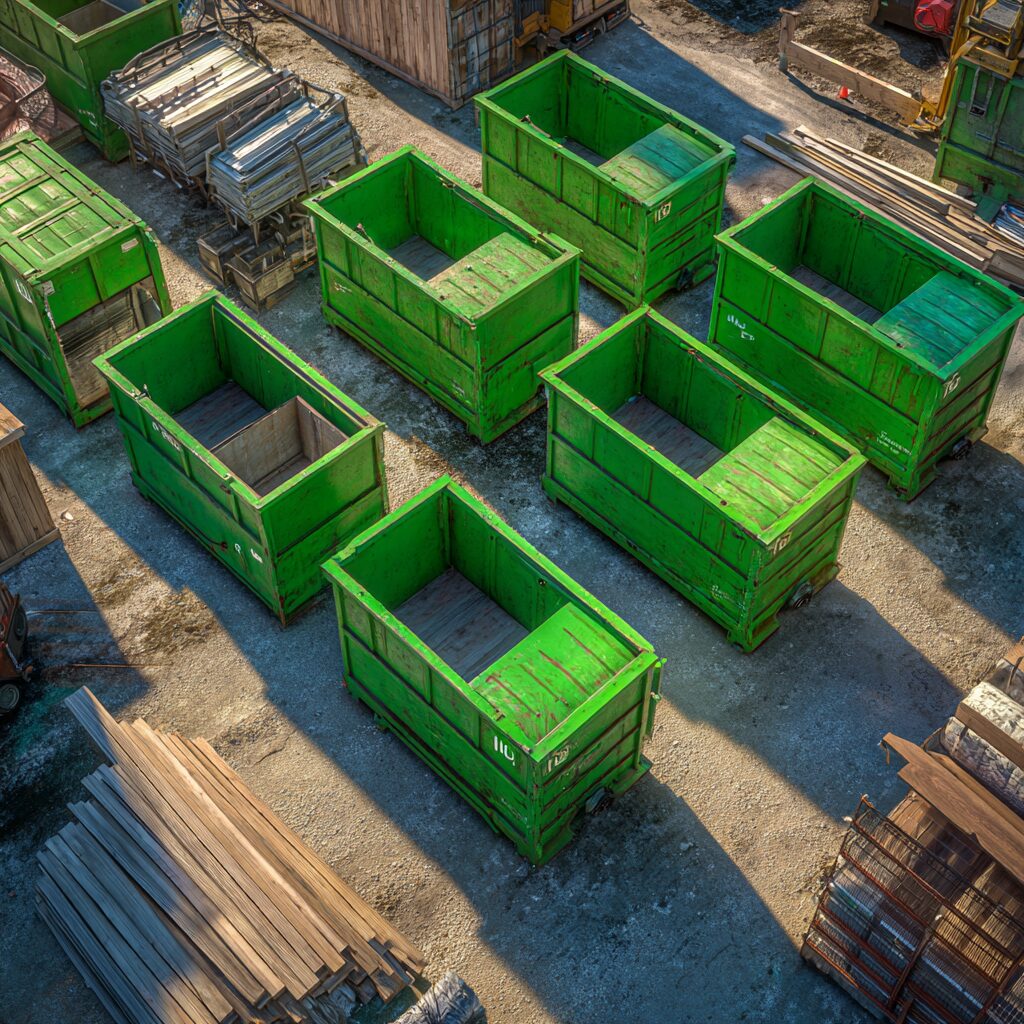
Weekly Dumpster Rental Costs for Construction Projects
Construction site waste piles up faster than permit paperwork, leaving project managers scrambling to understand weekly dumpster rental costs for construction before budgets spiral out of control. Hidden fees, weight limits, and location premiums turn simple debris removal into complex expense calculations that catch even experienced contractors off guard.
At Prime Dumpster, we understand rental costs for construction projects from start to finish. Our comprehensive guide covers container sizing, regional pricing variations, and cost-saving strategies that keep debris removal predictable and affordable.
Fast Facts: Weekly Construction Dumpster Rental Guide
Construction dumpster rentals require strategic planning to balance debris removal efficiency with cost control throughout your project timeline.
Standard Rental Periods: Dumpster rentals typically have a standard 5-day period, though flexible options are available for construction projects with varying timelines—discuss extended periods with your rental facilitator to find the best solution.
Current Pricing Ranges: Construction dumpster costs vary by size—10-yard containers typically range from $399-$499, 20-yard units average $449-$649, and 30-yard dumpsters run $599-$799 for the standard rental period.
Match Container Size to Project Phase: Choose smaller containers for demolition work and larger units for major cleanouts to avoid paying for unused capacity while ensuring adequate space for debris volume.
Coordinate Delivery with Work Schedule: Time container delivery with your heaviest debris generation phases and schedule pickup when containers reach 75% capacity to maximize rental value and prevent extension fees.
Understand Weight Limits Early: Verify weight allowances upfront to avoid costly overage charges. Ten-yard containers handle 1 ton, 20-yard units manage 1-2 tons, and 30-yard containers accommodate 2-3 tons.
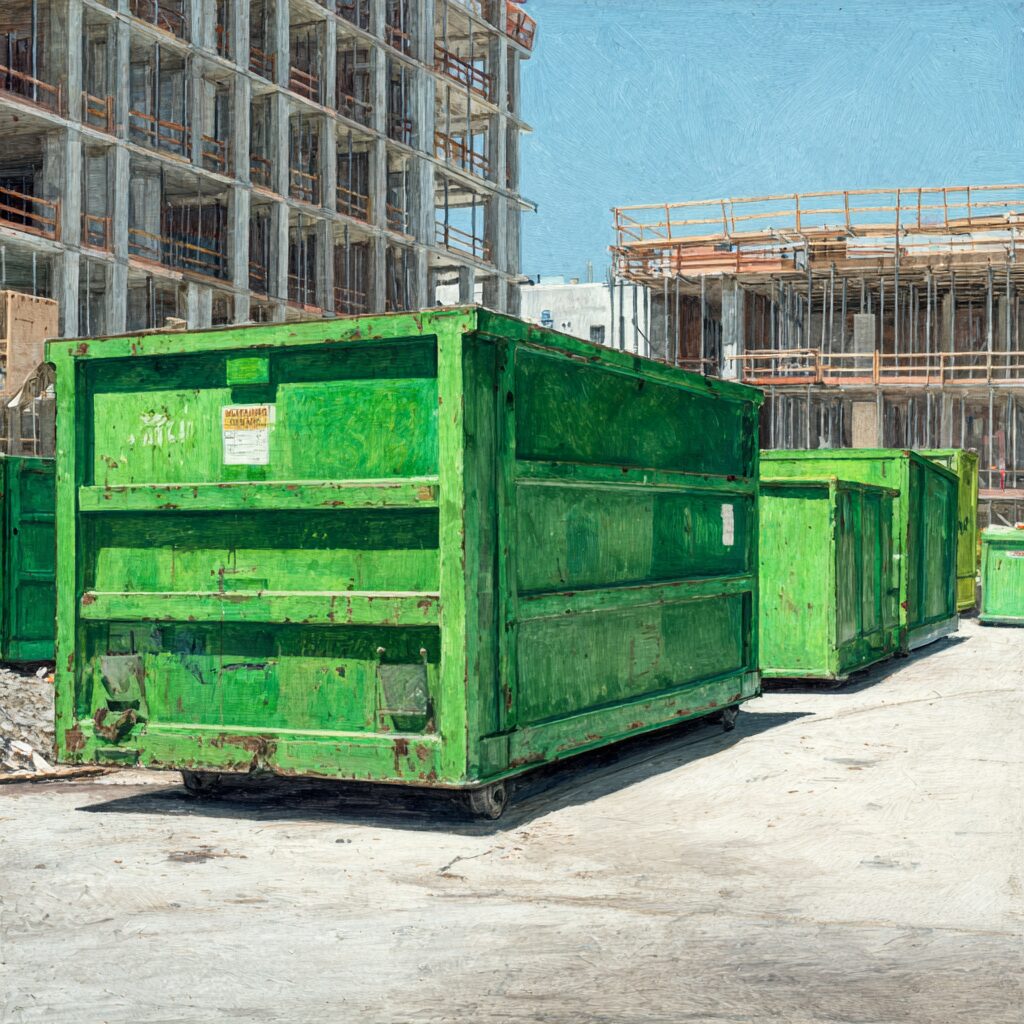
Weekly Dumpster Rental Costs for Construction Projects
When construction pros refer to “weekly” dumpster rental costs, they’re typically discussing the standard 5-day rental period that most providers offer for construction projects. While other rental durations may be available for specific project needs, you’ll need to discuss extended or customized timeframes directly with your rental facilitator to explore alternative options.
Breaking Down the Bundle
Reputable providers package delivery, pickup, and disposal fees into flat-rate quotes. Weight allowances typically range from 2-10 tons – enough for most small-to-midsize jobs. Contractors often try to bundle services and save.
Budgeting Without Blindspots
Transparency turns waste management from a variable cost into a fixed line item. Ask providers to specify landfill fees and prohibited materials upfront. A Florida remodeler avoided $1,200 in penalties by verifying asbestos handling costs before signing.
Smart planning means matching container timelines to your work phases. Need three weeks? Negotiate extended rates during slow seasons. Dealing with concrete rubble? Confirm weight limits won’t trigger overage charges. Your quote should fit like a hard hat – snug and secure.
Average Price Ranges for Roll-Off Dumpsters
You’re staring at five metal boxes that could make or break your project’s bottom line. Choosing the right container isn’t just about square footage – it’s about matching debris volume to dollar signs.
Let’s break down what you’ll pay for different capacities.
Size Matters (So Does Your Budget)
| Dumpster Size | Price Range | Best For |
|---|---|---|
| 10-yard | $399-$499 | Small renovations, bathroom remodels |
| 15-yard | Garage cleanouts, small additions | |
| 20-yard | $449-$649 | Kitchen teardowns, deck removal |
| 30-yard | $599-$799 | Whole-house cleanouts, major renovations |
| 40-yard | Commercial demolition, large construction sites |
Smart Spending Strategies
Job sites need different bins based on how much debris they create. A 10-yard option works for garage cleanouts, while 40-yard monsters swallow whole building teardowns. Midwest contractors report 22% savings by sizing up early for multi-phase projects.
Prices swing based on your ZIP code. Coastal cities often pay 15-20% more than rural areas. Always ask providers about seasonal discounts – some companies offer spring deals for post-winter renovations.
Factors Affecting Dumpster Rental Prices
What’s heavier – your debris pile or the stress of managing it? Construction waste expenses stack up faster than cinder blocks, but understanding pricing drivers keeps budgets intact. Five elements dictate what you’ll pay, and they’re not always obvious.
Zip Codes and Debris Matter More Than You Think
Urban job sites face a triple whammy: tighter parking, pricier permits, and disposal facilities charging premium rates. A Brooklyn contractor recently paid 37% more than their upstate counterpart for identical containers. Why? Manhattan’s landfill fees run triple national averages.
Materials dictate disposal methods. Concrete gets crushed for reuse, while wood might become mulch. Hazardous items like asbestos? That’s a specialized (and costly) process.
Weight limits hit hardest with dense materials. Steel beams and brick piles often exceed standard allowances. Smart teams separate heavy items into designated bins – it’s cheaper than paying overage fees later.
Timelines and Paperwork Pitfalls
Need that bin for 14 days instead of seven? Daily extension fees can add 15-20% to your total. Summer months bring higher demand too – scheduling fall teardowns might save 12-18% in some regions.
Permit requirements sneak up on unprepared teams. Chicago requires street occupancy permits for curbside containers, while Houston waives them for private property. Always check local rules before equipment arrives.
Your best defense? Ask providers for a line-item breakdown covering mileage fees, tipping costs, and weight thresholds. Knowledge weighs nothing – but it sure lightens the financial load.
Comparing Dumpster Sizes for Construction Projects
What do concrete chunks and drywall scraps have in common? Both demand smart container choices to keep your site running smoothly. Containers range from 10 to 40 cubic yards – enough to handle anything from a backyard shed build to a high-rise overhaul.
Your debris volume and workspace layout dictate the sweet spot. A cramped urban lot can’t fit a 40-yard giant, while sprawling suburban sites need serious capacity. Match the metal box to your mess.
Choosing the Right Capacity for Your Project
Think of container sizes like tool belts – you wouldn’t use a pocketknife to demolish a brick wall. Ten-yard options tackle single-room updates, swallowing debris from vanity swaps or tile jobs. Twenty-yard beasts handle kitchen gut jobs, swallowing cabinets and flooring in one gulp.
Major builds? Thirty and forty-yard monsters eat through roofing tear-offs and framing scraps. A Chicago crew recently saved three days by upgrading to a 30-yard unit mid-project. Their secret? They measured debris piles weekly.
Benefits of Dimensional Options
Multiple sizes mean you’re not paying for air. Phased projects often use two smaller containers instead of one oversized unit. A Denver team cut waste costs 19% by pairing a 15-yard bin for demo work with a 10-yard for finish materials.
Space matters too. Tight sites might need two 20-yard containers placed strategically rather than one bulky 40-yard unit blocking crane access. Smart sizing keeps crews moving and budgets breathing.
How the Rental Period Influences Cost
Time equals money – especially when metal boxes eat into your budget. Most providers bundle container access into standard 5-10 day windows. But construction timelines rarely stick to calendars. Smart managers treat rental timelines like weather forecasts: plan for sunshine, prepare for storms.
Understanding Additional Fees and Charges
Hidden costs can ambush your budget faster than a surprise inspection. Smart site managers treat extra charges like unmarked utility lines – know where they lurk before breaking ground.
Location Logistics and Red Tape
Public right-of-way placements often require permits. Chicago charges for street occupancy, while Miami waives fees for private property. Delivery surcharges apply when cranes block standard truck access.
Prohibited items, such as paint cans or refrigerators, trigger landfill surcharges. Separate these during cleanup – one Phoenix team avoided $650 by using specialty recycling for old AC units.
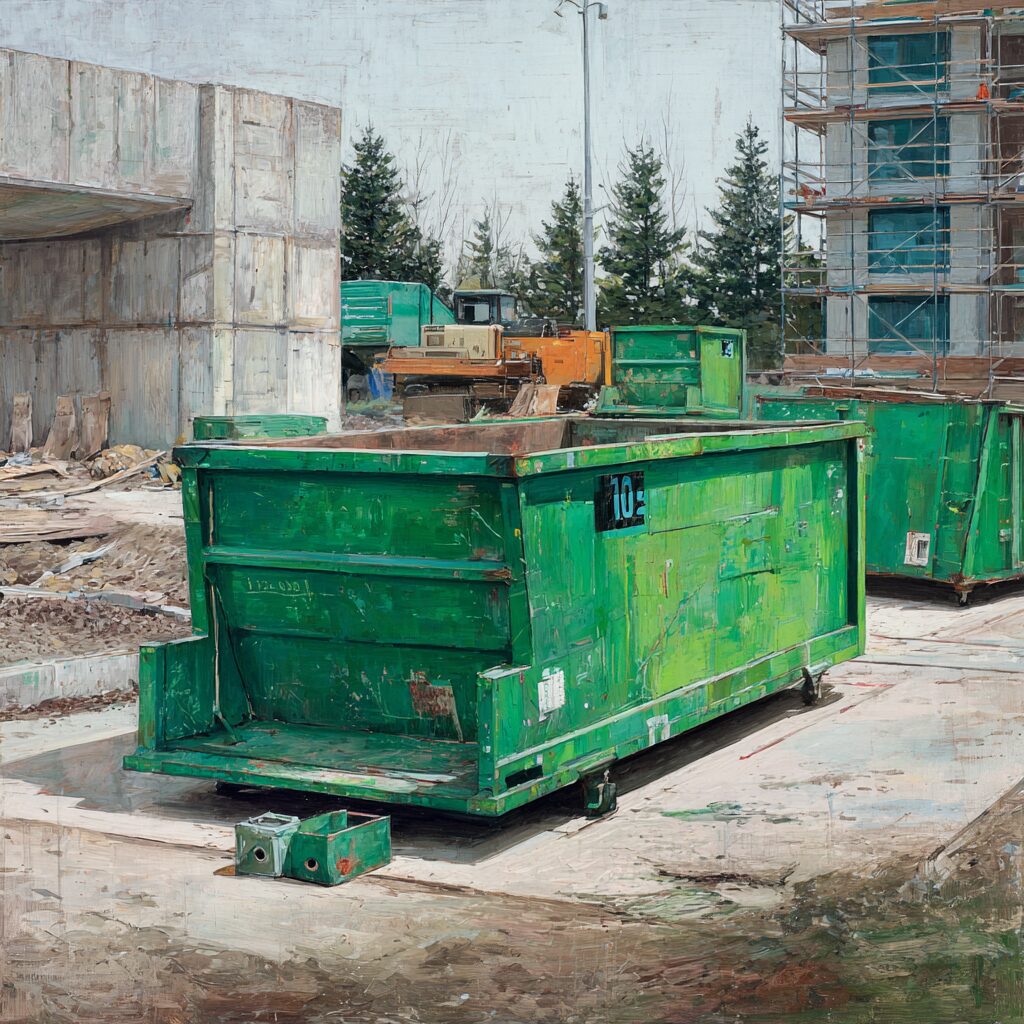
Tips for Managing Dumpster Rental Costs on Site
Think of your metal container as a silent partner in your project’s success – one that works better when you understand its quirks. Smart waste management turns chaotic piles into predictable line items. Here’s how to make debris removal your budget’s ally instead of its enemy.
Planning Waste Removal Efficiently
Map debris generation to your work calendar like you schedule deliveries. A roofing crew in Austin saved 11% by timing tear-offs with their provider’s off-peak rates. Separate wood from concrete during cleanup – many companies offer recycling discounts that slice disposal fees.
Train teams to toss materials into designated zones. One Florida contractor reduced contamination fees 23% using color-coded bins. Digital weight calculators help estimate loads before ordering, preventing costly guesswork.
Aligning Project Needs with Container Selection
Match container sizes to each phase rather than your whole project. A 20-yard unit might handle demolition debris, while a 10-yard bin suffices for finish work. Phoenix builders report 17% savings using this staggered approach.
Always request multiple quotes comparing bundled services. Look for providers offering flat-rate pricing with clear overage policies. Your perfect partner balances capacity with flexibility – because even the best plans sometimes need room to breathe.
Optimizing Your Construction Waste Management Strategy
Mastering weekly dumpster rental costs for construction means fewer headaches and tighter budgets on every job site. The right container at the right time keeps crews productive while avoiding the overtime fees and permit penalties that eat into profits.
Prime Dumpster specializes in construction waste solutions that adapt to your project phases and timeline changes. Contact our team for straightforward pricing and reliable service that keeps your job sites clean and your schedules on track.
If you are looking for Can I Rent a Dumpster for a Day?, Click Here
Recent Posts


Follow Us
Have any questions?
+1 844 853 3867
Give us a call today so we can help you find the right waste & sanitation solution for
your project!
Contact Us