
Mon - Sat 7:00 am to 7:00 pm

Where Can I Place a Dumpster in Longview, WA?
Southwest Washington contractors and homeowners face specific placement challenges when renting a dumpster in Longview, Washington. Container placement decisions affect project efficiency, compliance with local codes, and protection of residential property in this Lower Columbia region community.
Prime Dumpster coordinates waste removal throughout Cowlitz County, helping clients understand placement options for construction sites, residential renovations, and commercial projects across Longview, Kelso, and Castle Rock. Our guide addresses every aspect of dumpster placement in Longview, Washington, including protection strategies, permit requirements, regional factors, and more.
Fast Facts: Longview Dumpster Placement
Our Prime Dumpster Pros answer common placement questions about renting a dumpster in Longview, Washington 98632.
What placement locations work best for residential remodeling in Longview?
“Standard driveways provide ideal placement for most home renovation projects. They offer solid, level surfaces close to work areas. Use protective boards under containers to prevent asphalt damage during temperature extremes. Side yards work well if driveway space isn’t available, but verify you’re not blocking utility access or drainage paths.”
How do I handle placement for construction sites in industrial areas?
“Industrial sites near the port typically have designated loading zones for waste staging. Position units where they won’t interfere with daily operations or delivery schedules. Verify whether your location requires business permits even for private property placement. Some commercial zones have additional regulations beyond standard city requirements.”
What considerations apply to placement during storm cleanup?
“Emergency debris removal requires immediate container placement close to damage sites. Avoid areas with downed power lines or saturated soil that could shift under weight. Coordinate with your provider about flexible pickup schedules. Entire neighborhoods may need simultaneous service during large-scale recovery efforts.”
Where should event organizers position containers at outdoor venues?
“Festivals at locations like Lake Sacajawea Park need multiple containers distributed throughout the event area. Place units near food vendors and main exits while maintaining emergency vehicle access. Protect grass with boards or mats under containers. Schedule delivery before setup and pickup immediately after breakdown to minimize rental costs.”

| Container Size | Common Uses | Placement Strategy |
| 10-yard dumpster | Bathroom remodels, garage cleanouts, concrete removal | Fits narrow driveways, requires solid surface for heavy loads |
| 15-yard dumpster | Kitchen renovations, flooring projects, small additions | Standard driveway placement with protective boards |
| 20-yard dumpster | Roof tear-offs, deck removal, multi-room renovations | Requires full driveway or side yard with truck access |
| 30-yard dumpster | Whole-home remodels, commercial projects, major construction | Needs large driveway or commercial loading zone |
| 40-yard dumpster | Complete demolitions, large commercial builds, estate cleanouts | Requires substantial open space, often commercial properties only |
Placement Factors for Longview Projects
Understanding local requirements before delivery prevents costly delays and compliance issues that can halt your project.
Private Property Placement
Driveways, parking areas, and yards on your own property typically allow container placement without city permits. Verify adequate space for delivery truck access requiring 10-12 feet of width and overhead clearance of at least 14 feet. Protect asphalt and concrete surfaces with plywood boards to prevent damage from concentrated container weight.
Public Right-of-Way Requirements
Street placement, sidewalk use, or positioning within city-maintained areas typically requires permits from Longview’s public works department. Application processing takes several business days minimum. Plan ahead to avoid delivery delays while waiting for approval.
Homeowner Association Rules
Planned communities and subdivisions often maintain separate regulations beyond city requirements. Check HOA guidelines regarding container visibility, placement duration, and approved locations before scheduling delivery to avoid violation notices.
Weather and Ground Conditions
Southwest Washington’s heavy rainfall from October through April affects ground stability and container placement decisions. Saturated soil cannot support loaded container weight without protective measures. Choose paved surfaces during wet months or use stabilization materials on unpaved areas.
Residential Property Placement Strategies
Home renovation projects require careful planning to protect property while maintaining convenient debris loading access.
Driveway Positioning Best Practices
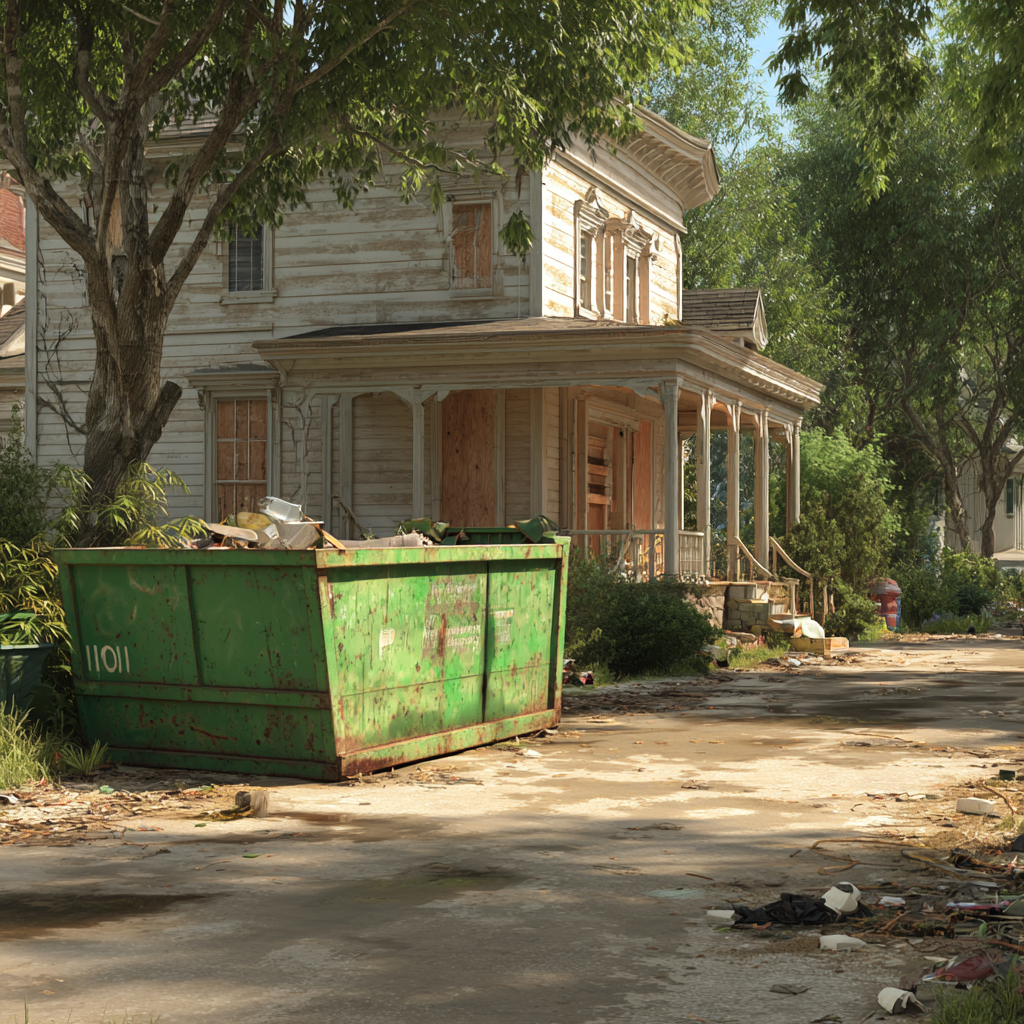
Most Longview residential properties feature asphalt or concrete driveways that can support container weight with proper protection. Place plywood sheets or boards underneath units to distribute weight and prevent surface damage. Position containers to avoid blocking garage access, mail delivery, or neighbor driveways that could create conflicts during your rental period.
Leave adequate space around all sides for safe debris loading. Workers need 3-5 feet clearance to approach containers and open rear doors fully.
Alternative Placement Options
Properties with narrow driveways or limited parking areas may require creative solutions:
- Side yards: Firm, level ground with truck access can accommodate containers when driveways won’t work
- Back alleys: Some neighborhoods allow alley placement reducing street visibility concerns
- Street frontage: Requires city permits but provides solution when property lacks adequate space
- Shared driveways: Coordinate with neighbors when access is split between properties
Mark underground sprinkler lines, septic systems, and utility connections before delivery. Damage to these systems during placement creates expensive repairs far exceeding protective measure costs. Avoid positioning containers over landscaped areas, decorative hardscaping, or newly planted vegetation.
Commercial and Industrial Site Considerations
Business properties face different placement challenges than residential projects requiring coordination with operational needs.
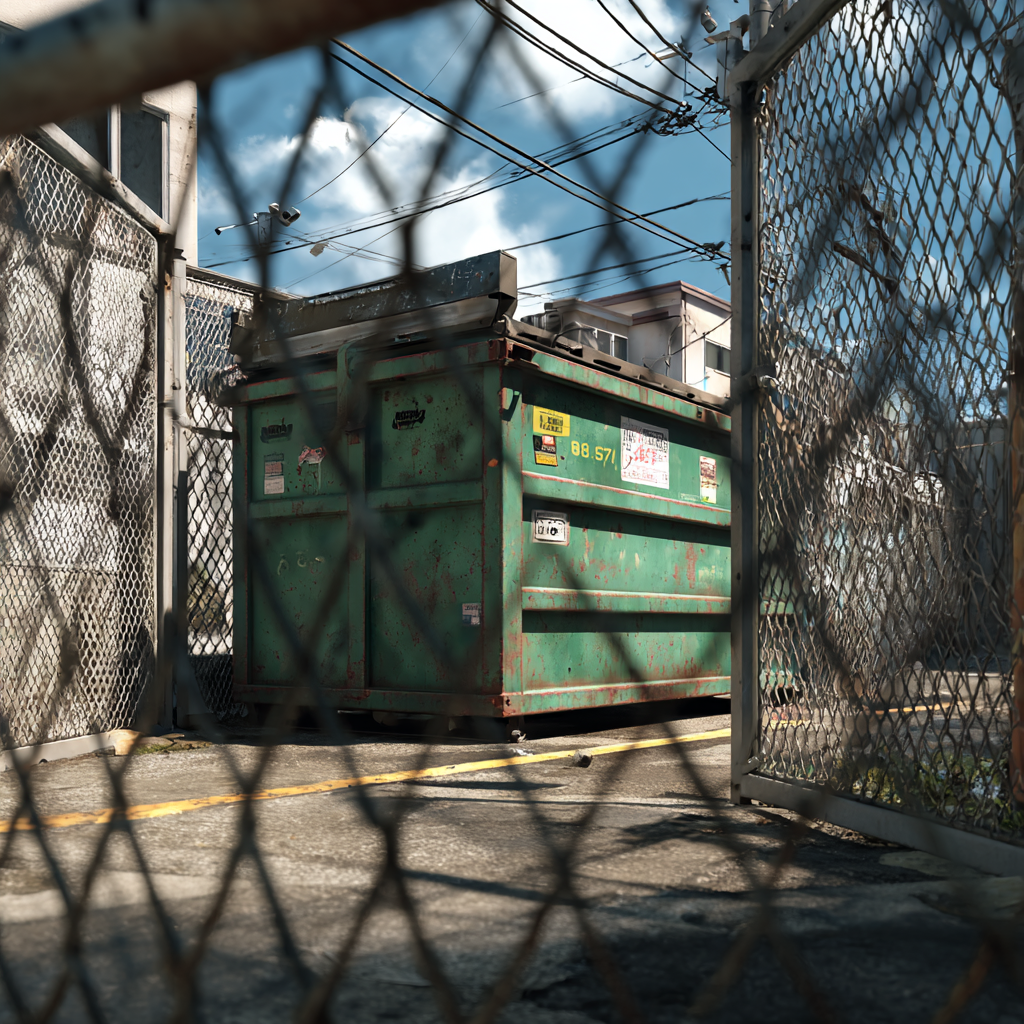
Warehouse facilities and manufacturing sites typically maintain designated waste zones that accommodate larger containers without disrupting workflow. Loading docks provide convenient access for debris removal from interior spaces. Verify placement won’t block shipping and receiving operations, employee parking, or customer access during business hours.
Retail locations in downtown Longview face space constraints requiring careful planning. Limited parking and high visibility demand discrete placement that won’t deter customers. Early morning or evening delivery minimizes business disruption.
Construction sites for new commercial builds need placement that balances accessibility for multiple trades with equipment movement and material delivery requirements. Position containers in low-traffic areas that won’t require frequent repositioning as project phases progress.
Project Type and Container Size Selection
Matching the type of dumpster you rent to your specific project prevents overpayment while ensuring adequate debris removal capability.
Small-Scale Projects
Ten-yard dumpsters handle bathroom remodels, garage cleanouts, and minor landscaping debris. Their compact size fits tight residential driveways common in older Longview neighborhoods near downtown and Mint Valley areas.
Mid-Range Renovations
Kitchen remodels, flooring replacement, and deck removals typically require 15 or 20-yard containers. These sizes accommodate cabinet removal, countertop disposal, and mixed construction debris from multi-room projects without excessive unused capacity.
Major Construction Work
Whole-home renovations, room additions, and commercial build-outs need 30-yard or larger containers. New construction generates substantial packaging waste, lumber scraps, and drywall debris requiring maximum capacity options.
Heavy Material Loads
Concrete, brick, and roofing materials reach weight limits rapidly regardless of volume. Use 10-yard containers exclusively for these dense materials to avoid tonnage overage fees that significantly increase total costs.
Longview Permit Requirements and Regulations
Municipal codes governing container placement protect public safety and maintain community standards throughout Cowlitz County.
City Permit Processes
Longview requires permits for containers placed on public streets, sidewalks, or right-of-way areas. Private property placement on your own land typically doesn’t need city approval. Contact Longview’s public works department to verify current requirements for your specific location and project duration.
Application processing times vary by season and city workload. Submit permit requests two to three weeks before planned delivery during busy construction months from April through September. Winter applications often receive faster approval as administrative workload decreases.
Right-of-Way Placement Rules
Containers on public streets must maintain traffic flow and emergency vehicle access at all times. Position units to avoid blocking:
- Fire hydrants and emergency access routes
- Mailbox delivery zones
- Pedestrian crosswalks and sidewalks
- Neighboring driveways and parking areas
- Sight lines at intersections
Permits typically specify maximum placement duration and safety requirements including reflective markings or barricades for visibility.
Zoning Considerations
Residential zones maintain different regulations than commercial or industrial districts. Some neighborhoods restrict container visibility from primary street frontages or limit placement duration to minimize aesthetic impact. Verify zoning-specific requirements before scheduling delivery.
Safety and Access Requirements for Delivery
Proper site preparation ensures safe container delivery and pickup throughout your project timeline.
Delivery trucks need adequate clearance to maneuver and position containers safely. Verify 23-25 feet of overhead clearance accounting for power lines, tree branches, and building overhangs. Width requirements typically range from 10-12 feet for standard trucks.
Clear the placement area of vehicles, equipment, and obstacles at least 24 hours before scheduled delivery. Remove or trim low-hanging branches that could interfere with truck operations. Mark any underground utilities, sprinkler systems, or septic components in the placement vicinity.
Communicate site-specific challenges to your provider during booking. Steep driveways, narrow access routes, or soft ground conditions may require specialized delivery equipment or alternative placement strategies.
Regional Weather Impact on Placement Decisions
Southwest Washington’s climate creates specific considerations affecting container positioning and site protection throughout the year.
Fall and Winter Rainfall
October through March brings heavy precipitation that saturates soil and creates muddy conditions unsuitable for container placement. Choose paved surfaces during wet months whenever possible. Unpaved areas require stabilization materials like gravel or boards to prevent containers sinking and delivery trucks getting stuck.
Spring Conditions
April and May feature unpredictable weather alternating between rain and dry periods. Ground stability varies significantly week to week. Assess soil firmness immediately before delivery rather than relying on conditions from earlier site visits.
Summer Dry Periods
June through September offers ideal placement conditions with firm, dry ground and minimal precipitation. Asphalt driveways remain vulnerable to softening during extreme heat above 90 degrees. Avoid placement during peak afternoon temperatures when surface damage risk increases.
Wind Considerations
Columbia River Gorge proximity creates periodic strong wind events that can shift lightweight debris inside open containers. Cover units with tarps during wind warnings to prevent material scatter. Secure containers on sloped sites to prevent movement during extreme weather.
Maximizing Placement Efficiency for Your Project
Strategic planning before container arrival prevents common problems that delay projects and increase costs.
Timeline Coordination
Schedule delivery to coincide with demolition start dates maximizing your included rental period. Early delivery wastes rental days while late arrival halts debris removal creating safety hazards. Communicate firm project schedules to providers ensuring prompt delivery matching your crew’s readiness.
Plan pickup timing around project phases rather than waiting until absolute capacity. Scheduling removal when containers reach 75-80% full prevents overfilling while avoiding wasted space from premature pickup.
Multi-Container Strategies
Large projects often benefit from sequential container deliveries rather than maintaining one unit throughout the entire timeline. Schedule separate containers for demolition, construction, and finish phases matching debris generation patterns to appropriate capacity.
This approach reduces costs compared to extended single-container rentals while ensuring adequate space when debris volumes peak.
Cost Management Considerations
Understanding pricing factors helps contractors budget accurately for waste removal expenses throughout dumpster rental services in Longview, Washington.
Base rental rates vary by container size and rental duration. Standard five-day periods suit focused demolition work while multi-week projects require extended terms negotiated upfront. Requesting longer periods during initial booking typically costs less than adding days after delivery.
Weight limits range from one to three tons depending on container size. Exceeding included tonnage triggers per-ton overage fees that add substantially to total costs. Heavy materials like concrete and roofing shingles frequently cause overages even in partially filled containers.
Distance from rental company facilities affects delivery charges. Projects within Longview city limits typically receive standard service. Rural locations in Cowlitz County may incur mileage surcharges based on distance.
Your Longview Placement Partner
Prime Dumpster provides experienced guidance for dumpster placement in Longview, Washington. Our team understands Longview’s unique weather patterns and permit processes. We know the specific challenges contractors face on residential and commercial job sites. Contact us to discuss your project requirements and develop a placement strategy that keeps your work on schedule.
If you are looking for Dumpster Rental for Home Remodels in Longview, WA, Click Here
Recent Posts


Follow Us
Have any questions?
+1 844 853 3867
Give us a call today so we can help you find the right waste & sanitation solution for
your project!
Contact Us