
Mon - Sat 7:00 am to 7:00 pm
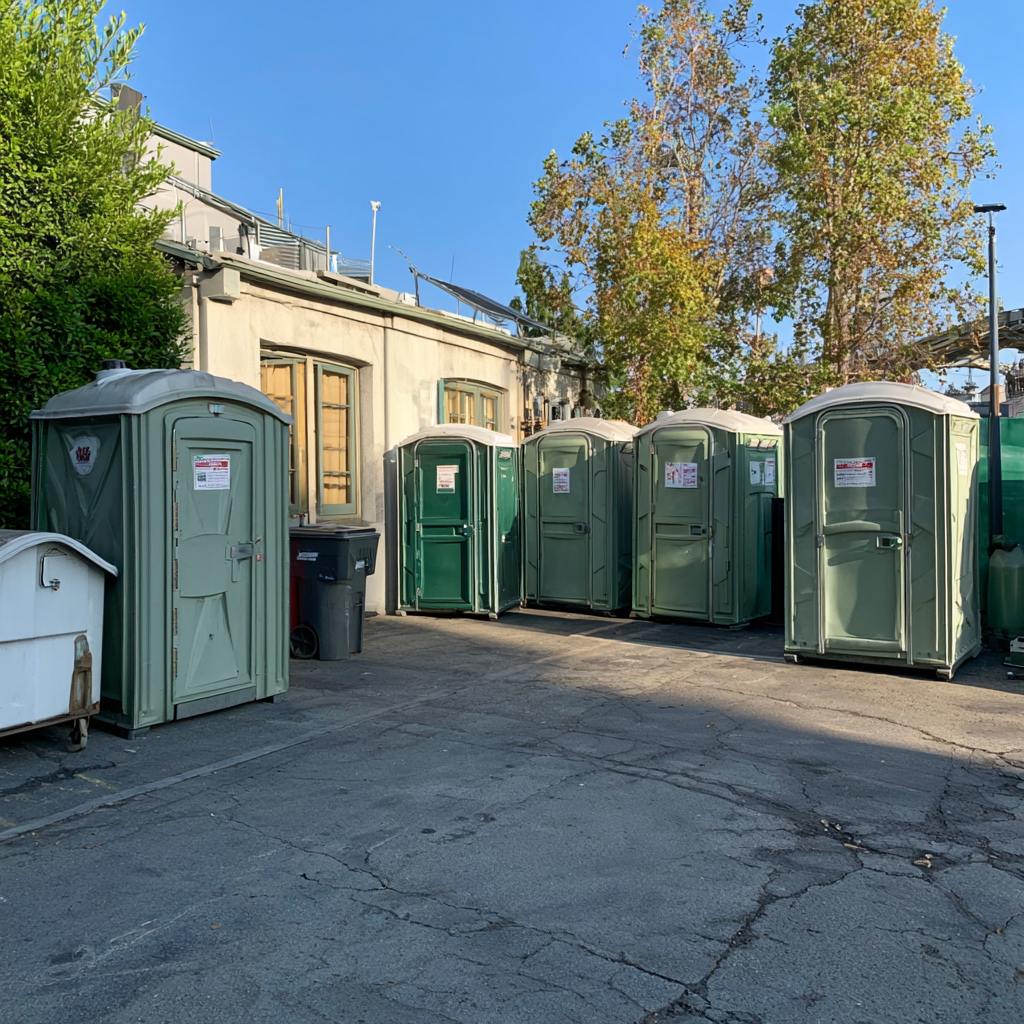
Q&A with the Prime Dumpster Pros: Porta Potty Rental FAQ for Little Rock, Arkansas
Little Rock’s mix of state government activity, active healthcare construction, a growing logistics sector, and a packed outdoor events calendar along the Arkansas River creates portable sanitation needs that span nearly every industry and project type in the metro area. The Pros hear the same questions repeatedly, and the answers are worth knowing before you book.
Prime Dumpster asked the Pros for their answers to the most common porta potty rental FAQ questions from Little Rock, Arkansas customers. The sections below cover pricing, local events, key industries, construction sites, permits, and the rental process across the metro area.
Fast Facts: Porta Potty Types Available in Little Rock, Arkansas
The table below covers the most common types of portable toilets available for rental in Little Rock, along with their most notable features and typical uses.
| Unit Type | Notable Features | Commonly Used When |
| Standard Porta Potty | Self-contained toilet, urinal, and hand sanitizer dispenser | Construction crews are working on site for multiple days |
| Deluxe Porta Potty with Sink | Built-in handwashing station with soap dispenser | Food service areas or events with hygiene requirements |
| Deluxe Flushing Porta Potty | Foot-pedal flush system for a cleaner experience | Upscale events, VIP areas, or longer construction projects |
| Handicap Accessible Portable Toilet | Extra interior space and wider entry for mobility needs | Sites or events requiring additional room for users |
| ADA Handicap Portable Toilet | Grab bars, wider entry, and ground-level access | Any public-facing event or job site with ADA obligations |
| Towable Porta Potty | Attaches to a vehicle for repositioning across a site | Large job sites with crews moving between work zones |
| Crane Lift Porta Potty | Reinforced frame and sealed tank for safe crane lifting | Multi-story construction projects requiring upper-floor access |
| Containment Tray | Spill containment base beneath the unit | Sites near the Arkansas River or environmentally sensitive areas |
When you rent a porta potty in Little Rock, Arkansas, prices and availability will vary based on unit type, rental duration, service frequency, and other factors.

Porta Potty Rental Prices in Little Rock, Arkansas
The Pros break down the pricing questions they hear most often from renters across construction, events, and industrial projects.
How much does it cost to rent a porta potty in Little Rock, Arkansas?
“Standard units typically range from $199 to $349, depending on rental duration and service frequency. Upgraded options like deluxe flushing models and ADA-compliant units generally run between $200 and $400. Solar units for remote or low-infrastructure sites sit at the higher end, typically between $500 and $600.”
What factors affect porta potty rental prices in the area?
“Unit type is the biggest variable, followed by how long you need the rental and how often service visits are scheduled. Delivery location also plays a role, since sites in more rural parts of Pulaski County can carry higher fees than centrally located addresses. Arkansas’s warm spring and summer months drive up demand across the metro, which can affect availability and sometimes pricing for renters who wait too long to book.”
Are there ways to lower my porta potty rental costs?
“The three most effective steps are getting an accurate headcount before you order, booking the right rental window upfront rather than extending mid-project, and matching your service frequency to actual usage rather than defaulting to the most frequent option. Choosing only the unit features your project actually requires rather than upgrading across the board also keeps per-unit costs in check.”
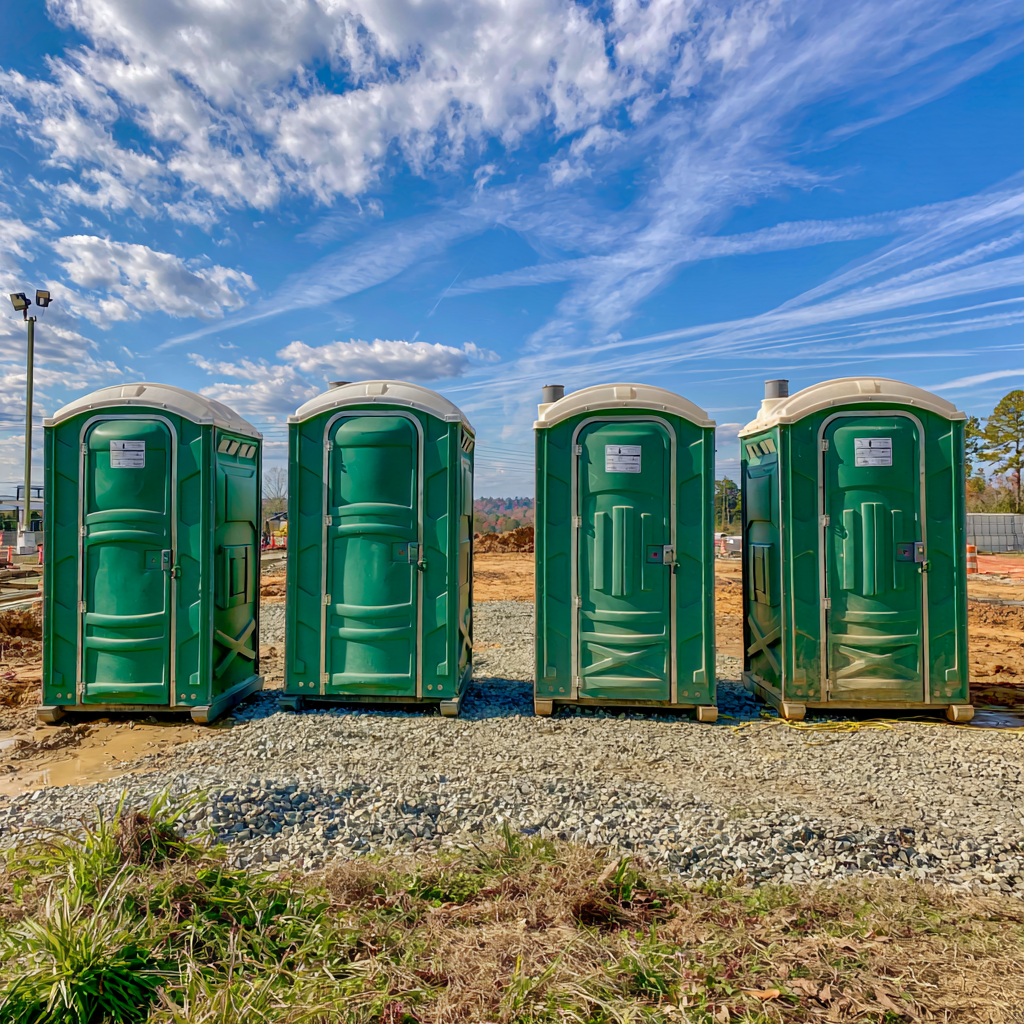
Porta Potty Rentals for Local Events
The Pros answer the event planning questions they hear most often from organizers and venue coordinators across the metro area.
What types of outdoor events in Little Rock typically need porta potty rentals?
“Outdoor events of almost any size benefit from portable sanitation, from community gatherings at Riverfront Park to festivals along the Arkansas River Trail. Permitted public events are also required to include ADA-compliant units for attendees with accessibility needs.”
How many units does a large outdoor event at Riverfront Park or the Arkansas State Fairgrounds need?
“One unit per 50 guests works as a starting point for a four-hour event without alcohol. That ratio tightens to one per 35 guests when alcohol is served or when the event runs longer. Large venues that draw several thousand attendees also benefit from distributing units across multiple locations rather than clustering them in a single area.”
When is the busiest season for porta potty rentals in the area?
“Spring and early summer are the busiest periods for outdoor events in the metro, and availability on standard units tightens quickly during those months. Booking two to four weeks ahead of your event date gives you the best selection of unit types and more flexibility on delivery scheduling. Waiting until the week before an event during peak season often means limited options and less control over placement timing.”
Porta Potty Rentals for Little Rock’s Key Industries
The Pros cover the industry-specific questions they hear most often from facility managers, contractors, and government project coordinators.
What do healthcare and medical campus construction projects need from a portable sanitation provider?
“Medical facility construction near campuses like UAMS requires higher sanitation standards than a standard job site, and sink-equipped units are often a practical necessity rather than an optional upgrade. Service frequency also needs to be higher than the weekly baseline given the hygiene expectations of healthcare environments. Placement needs to keep units clear of patient access areas and emergency routes at all times.”
How do logistics and distribution facilities near the Port of Little Rock handle long-term rental needs?
“Facilities with continuous shift operations need a service schedule that reflects actual usage rather than a standard weekly visit. A fixed monthly arrangement negotiated upfront is almost always more cost-effective than adjusting frequency after the fact. Having a designated point of contact on site who can flag issues between scheduled visits keeps the arrangement running smoothly.”
What portable sanitation considerations apply to government and state agency construction projects?
“Government projects often require vendors to hold active SAM.gov registration and GSA approval before any rental agreement is signed. USFCR verification is also worth confirming for federally funded work. Starting the vendor verification process early prevents delays that can push back project start dates.”
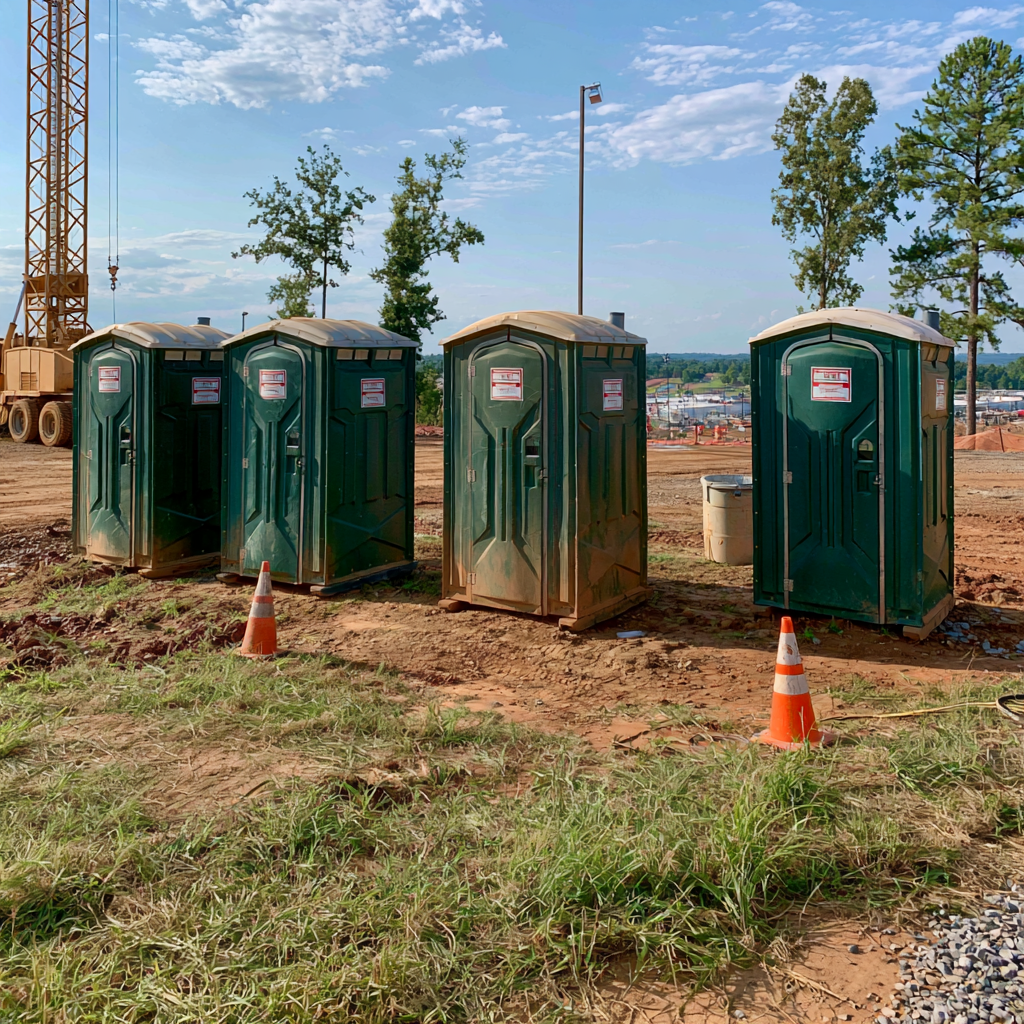
Porta Potty Rentals for Construction Sites
The Pros answer the construction-specific questions that come up most often from contractors and site supervisors working across the metro area.
What does OSHA require for portable sanitation on construction sites?
“OSHA’s construction sanitation standard requires at least one toilet per 20 workers, and those facilities must be accessible within 10 minutes of the active work area. Units also need to be maintained in a sanitary condition to count toward that minimum. A missed service visit can turn a compliant site into a non-compliant one quickly on a busy job site.”
How many units does a large commercial construction project typically need?
“One unit per 10 workers is the practical starting point for most commercial sites, with that number adjusting as crew size shifts between project phases. Longer shifts and larger crews push the count higher, and the unit total should be reviewed at the start of each billing cycle. Getting the count right from the beginning avoids both compliance gaps and unnecessary costs from carrying units the site doesn’t need.”
What unit types work best for multi-phase construction projects?
“Standard units cover most phases of a typical commercial build. Crane lift units come into play on any multi-story project where upper-floor crews can’t reach ground-level facilities within OSHA’s 10-minute window. Towable units are worth considering for large sites where the active work zone shifts significantly between phases.”
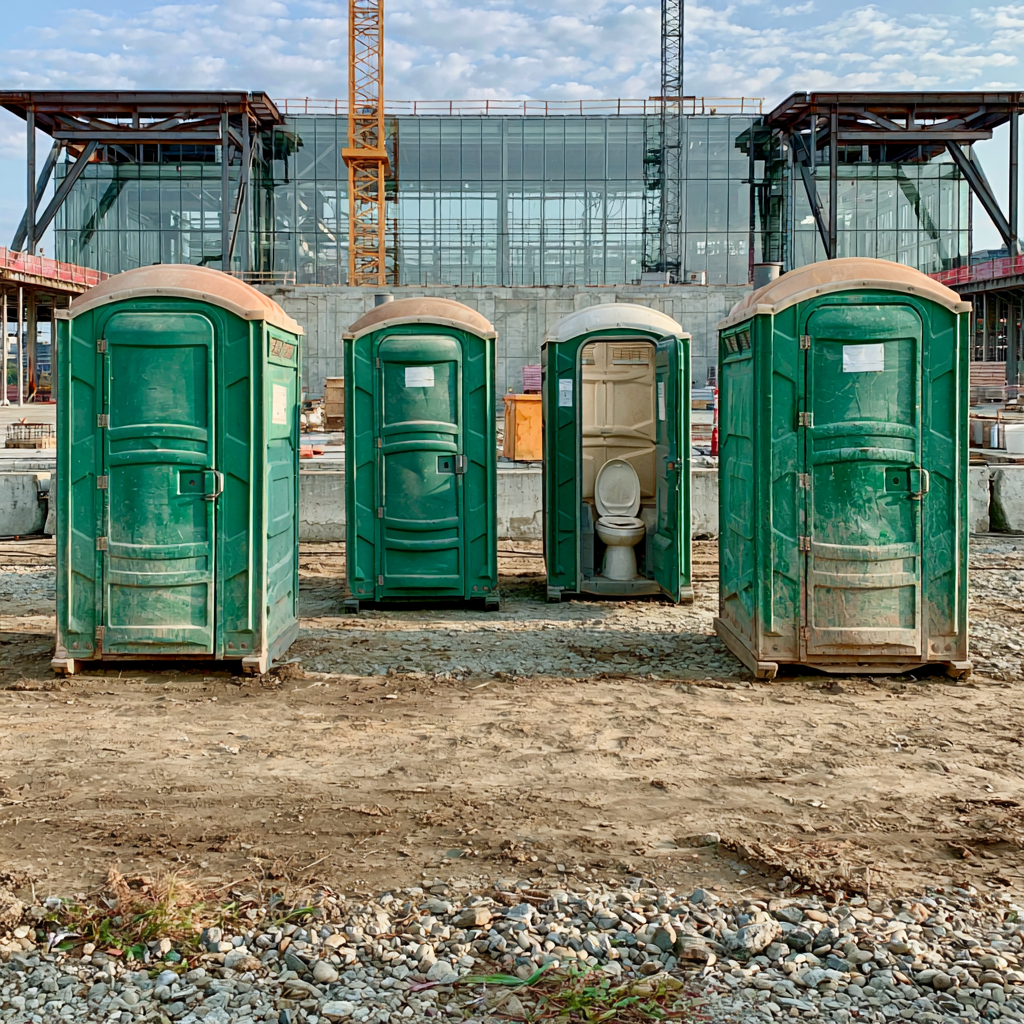
Permits for Porta Potty Rentals in Little Rock
The Pros answer the permit questions that come up most often from event organizers and contractors working across the city.
When do I need a permit to place a porta potty in Little Rock?
“Units placed on public property, city streets, or rights-of-way typically require a permit before delivery. Units placed entirely on private property generally don’t carry the same requirement, though it’s worth confirming with the relevant authority before your delivery date.”
Where do I apply for an event permit in Little Rock?
“For events held in city parks, organizers can submit a Special Event Request Form through the City of Little Rock Parks and Recreation department. For public assemblies on city streets or other public spaces, a Public Assembly Permit must be filed with the city manager’s office at least five days and no more than 180 days before the event.”
Are permit requirements different for construction sites versus public events?
“Construction permits are handled through the city’s Planning and Development department and cover the job site as a whole rather than the porta potty specifically. Public events on city property require separate event permits that may include sanitation planning as part of the application. Confirming which permit type applies to your situation before submitting saves time and prevents misdirected applications.”
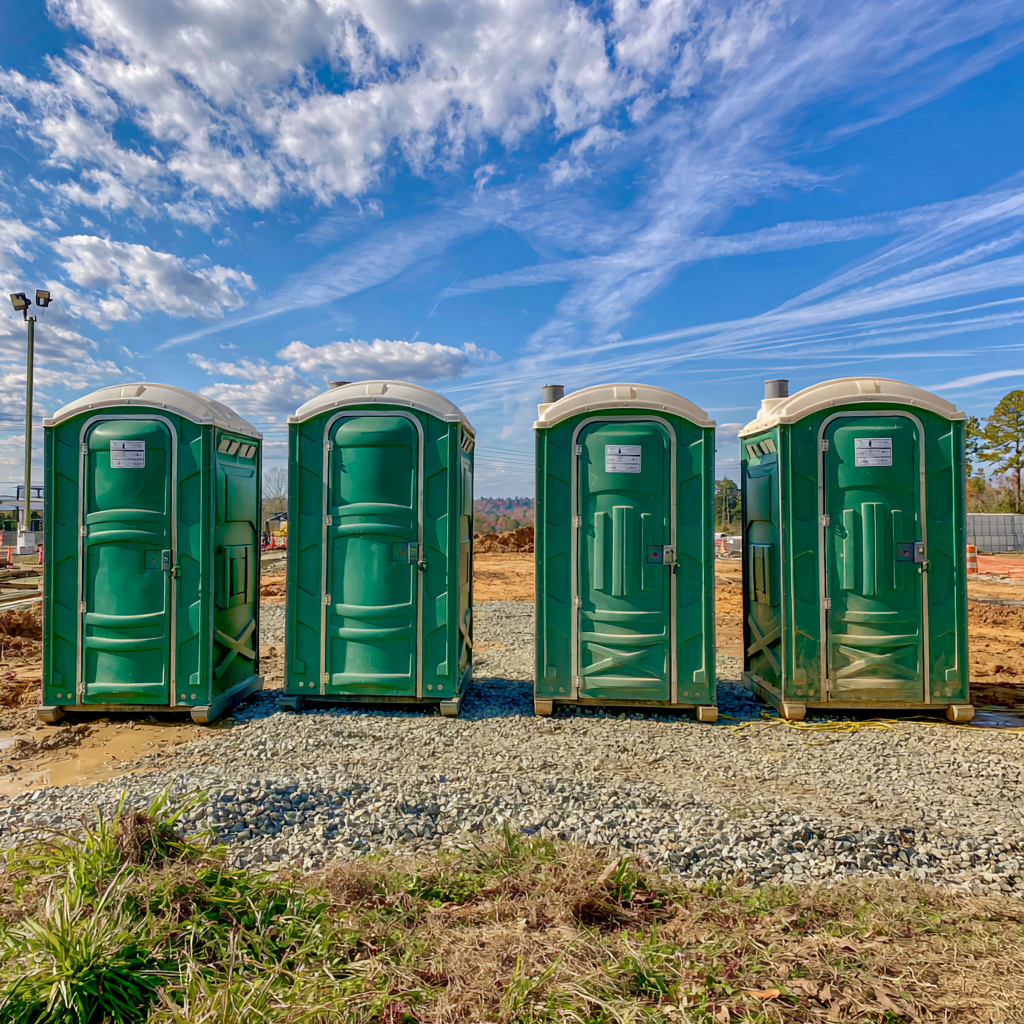
The Porta Potty Rental Process
The Pros walk through the planning and logistics questions they hear most often from first-time and repeat renters across the area.
How far in advance should I book a porta potty rental in Little Rock?
“For standard construction placements, a few business days of lead time is usually workable. For events or projects that fall during peak spring and summer months, two to four weeks ahead is a safer target. Specialty units like crane lift models may need additional lead time depending on current availability.”
What information should I have ready before calling to rent a porta potty?
“The basics are your project type, expected headcount, preferred unit type, delivery address, and start and end dates. Knowing your placement location before you call also helps, since access conditions in some parts of Pulaski County can affect delivery scheduling. The more specific you are upfront, the more accurate your quote will be.”
How do I prepare my site for porta potty delivery?
“Identify a firm, level placement location before delivery day and confirm the delivery truck has adequate clearance to reach it. Clear any obstacles like low-hanging branches, narrow gates, or parked vehicles that could block access. Flagging any soft ground or drainage issues in advance gives the driver time to plan around them rather than discovering problems on site.”
If you’re renting portable toilets for your site, you might also need roll-off dumpsters. Learn more about Prime Dumpster’s bundled services in our Local Guide to Dumpster Rental in Little Rock, Arkansas.
Your Little Rock Porta Potty Rental Questions, Answered
This porta potty rental FAQ for Little Rock, Arkansas covers the pricing, event planning, industry-specific needs, construction requirements, permit process, and rental logistics that matter most to renters across the metro area. For questions specific to your project, site, or timeline, Prime Dumpster is ready to help. Contact our team to get a quote and personalized recommendations for your project.
If you are looking for How Much Does a Porta Potty Rental Cost in Anderson, SC?, Click Here
Recent Posts


Follow Us
Have any questions?
+1 844 853 3867
Give us a call today so we can help you find the right waste & sanitation solution for
your project!
Contact Us