
Mon - Sat 7:00 am to 7:00 pm
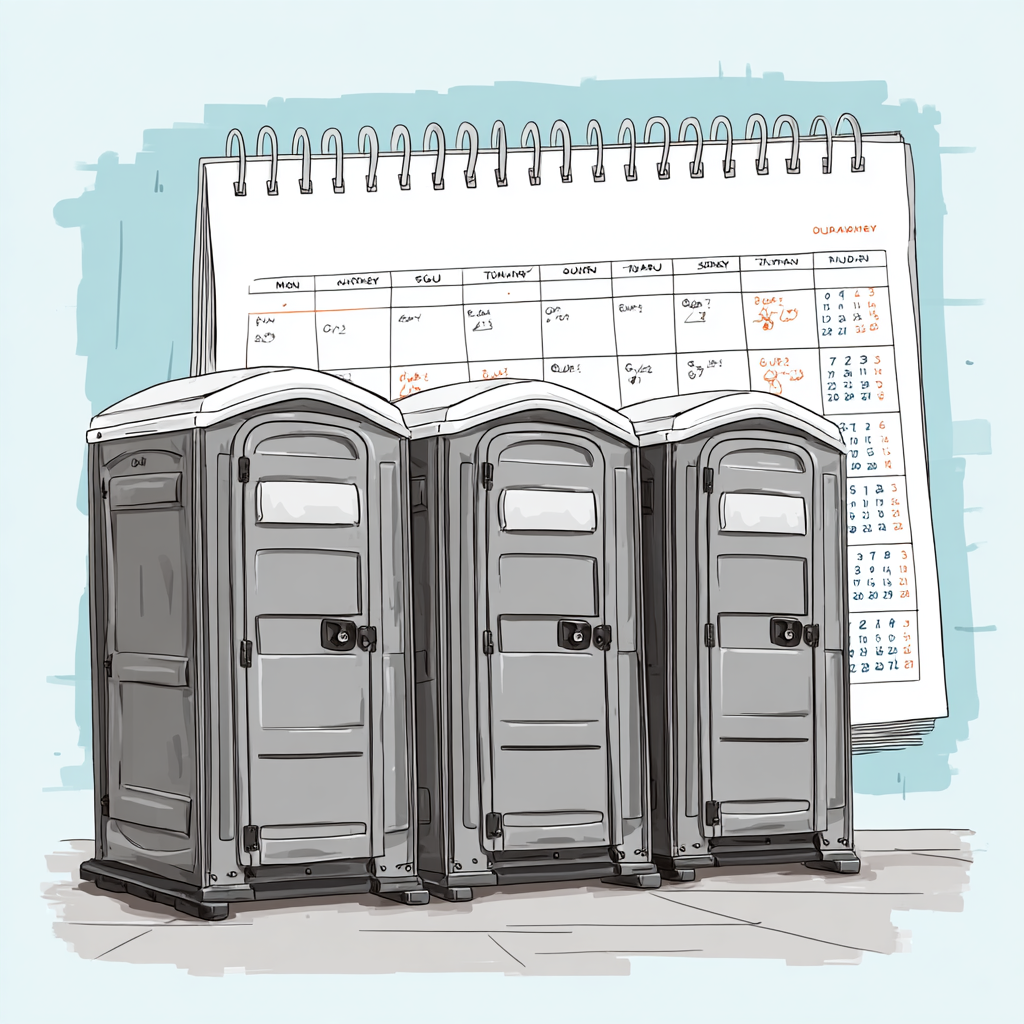
Q&A with the Prime Dumpster Pros: Q1 2026 Porta Potty Planning Tips
💡Welcome to another installment of Q&A with the Prime Dumpster Pros, where we’re asking our team members for their professional insights based on their years of experience in national waste management and site services! 💡
Strategic planning for the first quarter sets the foundation for successful portable sanitation throughout 2026. At Prime Dumpster, our team has coordinated countless Q1 projects across construction sites, winter events, campus renovations, and emergency preparedness operations, helping clients navigate the unique challenges that cold weather, holiday schedules, and seasonal transitions create for portable toilet rentals.
We asked our Prime Dumpster Pros for their expert answers to the most common questions about Q1 2026 porta potty planning tips, covering everything from early booking advantages and winterization requirements, to industry-specific strategies. Help ensure your January through March projects maintain proper facilities regardless of weather conditions or demand competition.

Strategic Booking and Early Planning Advantages
Early planning for Q1 porta potty needs gives construction managers and event coordinators significant competitive advantages in pricing, availability, and service quality. While there are many trends to consider in 2026, here’s a rundown of what to look for in the first part of the year.
Why should I book porta potties for Q1 2026 during the previous fall or early winter?
“Booking your first-quarter porta potties in October or November locks in better pricing before winter demand kicks in, and it guarantees you get the specific unit types you need rather than settling for whatever’s left when everyone else scrambles in January,” says a Prime Dumpster Pro.
“Construction projects resuming after holiday breaks and winter events all hit simultaneously in early January, creating a rush that depletes inventory fast — especially for specialized units like heated portable toilets and luxury trailers.”
How do Q1 booking timelines differ from peak summer season reservations?
“Q1 bookings need less advance time than summer peak, about four to six weeks instead of the eight to 12 weeks required for June through August, but you’re still competing with construction restarts and winter event season,” explained a Prime Dumpster Pro.
“The sweet spot for booking is mid-December for January needs, November for February projects and early January for March events, giving providers time to coordinate deliveries without the emergency premiums that come with last-minute requests.”
What cost advantages come with early Q1 porta-potty planning?
“Early Q1 bookings avoid the premium pricing spikes that hit when multiple customers need units on the same dates, plus you have more negotiating leverage for longer-term rentals or multi-site projects,” a Prime Dumpster Pro notes.
“Providers offer better rates to customers who plan ahead because it helps them manage inventory and schedule service routes more efficiently, meaning your early planning translates directly into cost savings that can run 15 to 25 percent compared to last-minute bookings.”
How can I secure the best unit selection by planning ahead for the first quarter?
“Early booking means you get first choice of premium options like heated units for winter conditions, luxury trailers for upscale events and ADA-compliant models that exist in limited quantities,” said a Prime Dumpster Pro.
“Construction sites starting in January need winterized portable toilets that won’t freeze, and wedding planners want climate-controlled restroom trailers for winter ceremonies — these specialized units book up fast, so planning three to four months ahead ensures you’re not stuck with basic units that don’t meet your specific project requirements.”

January Through March Seasonal Considerations
Understanding how weather patterns and seasonal transitions affect portable toilet performance helps you select appropriate units and service schedules throughout the first quarter.
What special winterization features do January porta potties need in northern regions?
“January units in places like Minnesota, Michigan and the Dakotas often need internal heating systems and insulated walls to prevent waste tanks from freezing solid when temperatures drop below 20 degrees,” says a Prime Dumpster Pro.
“These winterized portable toilets use antifreeze solutions in their holding tanks and sometimes include heated floors, because a frozen unit isn’t just uncomfortable — it’s completely unusable until it thaws, which can shut down your entire construction site or leave event guests with no facilities.”
How does the transition from winter to spring (February-March) affect porta potty service requirements?
“February and March create tricky planning because you might need heated units one week and standard models the next as temperatures swing from freezing nights to 60-degree afternoons,” explained a Prime Dumpster Pro.
“Smart planners book winterized units through mid-March in northern states but transition to standard models by late March in southern regions, while also adjusting service frequency since warmer spring days increase usage and accelerate waste decomposition compared to frigid January conditions.”
What New Year’s event demands create unique porta potty rental challenges in early January?
“The first two weeks of January see concentrated demand from New Year’s celebrations, winter weddings taking advantage of off-season venue pricing, and corporate events scheduled during the slow business period,” a Prime Dumpster Pro notes.
“These events compete for luxury restroom trailers and climate-controlled units when rental companies have reduced inventory compared to summer, so booking by early December is essential if you’re planning any upscale gathering for the first half of January.”
How should I adjust my porta potty quantities as weather warms from winter into spring?
“Cold weather actually reduces porta potty usage because people spend less time outdoors and drink fewer beverages, but as March temperatures climb into the 50s and 60s, you’ll want to increase your unit counts by about 15 to 20 percent,” said a Prime Dumpster Pro.
“Spring construction crews work longer hours with extended daylight, outdoor events start drawing larger crowds, and warmer weather drives more frequent restroom visits — all factors that mean your January quantities won’t be adequate by late March without adjustment.”

Industry-Specific Q1 Planning Strategies
Different industries face unique challenges during the first quarter that require tailored approaches to portable sanitation planning and coordination.
How do construction sites planning Q1 2026 projects benefit from early porta potty coordination?
“Construction projects breaking ground in January, February or March need to coordinate porta potty delivery before crews arrive on-site, because OSHA requires facilities from day one and late bookings can delay your entire project start,” says a Prime Dumpster Pro.
“Early coordination also lets you lock in monthly rental rates for projects spanning multiple months, establish regular service schedules that match your crew size, and secure winterized units in northern climates where standard portable toilets simply won’t function during cold snaps that can last weeks.”
What Q1 event types (winter weddings, corporate functions, early spring festivals) have unique porta potty needs?
“Winter weddings want luxury restroom trailers with climate control and elegant interiors that match upscale venues, while corporate functions prioritize professional-looking deluxe units with handwashing stations that reflect well on the company,” explained a Prime Dumpster Pro.
“Early spring festivals starting in March need to plan for unpredictable weather — you might need heated units if temperatures drop, but also extra service visits if warm days drive higher usage, so flexible rental agreements that allow unit swaps or quantity adjustments give you the best protection against weather surprises.”
How should colleges and universities plan porta potty rentals around winter break construction and spring semester events?
“Universities scheduling major renovations during December and January winter breaks have perfect timing because student populations are minimal, but you still need adequate facilities for construction crews working through the holidays,” a Prime Dumpster Pro notes.
“Spring semester brings orientation events, March athletics competitions and April graduation planning, creating predictable demand spikes that require booking eight to 10 weeks ahead — so smart facilities managers coordinate construction porta potties in November and lock in spring event units by January to avoid competing for inventory when every campus in the region needs equipment simultaneously.”
What Q1 disaster preparedness strategies help emergency response teams secure porta potties before spring storm season?
“Emergency response agencies should establish framework agreements during January and February that guarantee porta potty capacity before spring tornado season hits the Midwest and South or flooding threatens river valleys nationwide,” said a Prime Dumpster Pro.
“Pre-positioning portable toilets in strategic locations before disasters strike means you can deploy sanitation within hours instead of days when emergencies happen, because waiting until tornadoes touch down or floods crest means competing for inventory that’s already committed to other relief operations across multiple disaster zones.”
Expert Guidance for Your Q1 Portable Sanitation Needs
Having your questions about Q1 2026 porta potty planning tips answered by experienced professionals helps you avoid costly mistakes, secure better pricing through early booking, and select appropriate winterized units that function reliably throughout the first quarter’s challenging weather conditions.
Our experienced team at Prime Dumpster serves customers nationwide with the seasonal expertise and reliable service that keeps construction projects, winter events, campus operations, and emergency response efforts running smoothly. Contact us to discuss your Q1 2026 porta potty planning needs!
If you are looking for Planning Guide to Porta Potties for Infrastructure Projects in 2026, Click Here
Recent Posts


Follow Us
Have any questions?
+1 844 853 3867
Give us a call today so we can help you find the right waste & sanitation solution for
your project!
Contact Us