
Mon - Sat 7:00 am to 7:00 pm
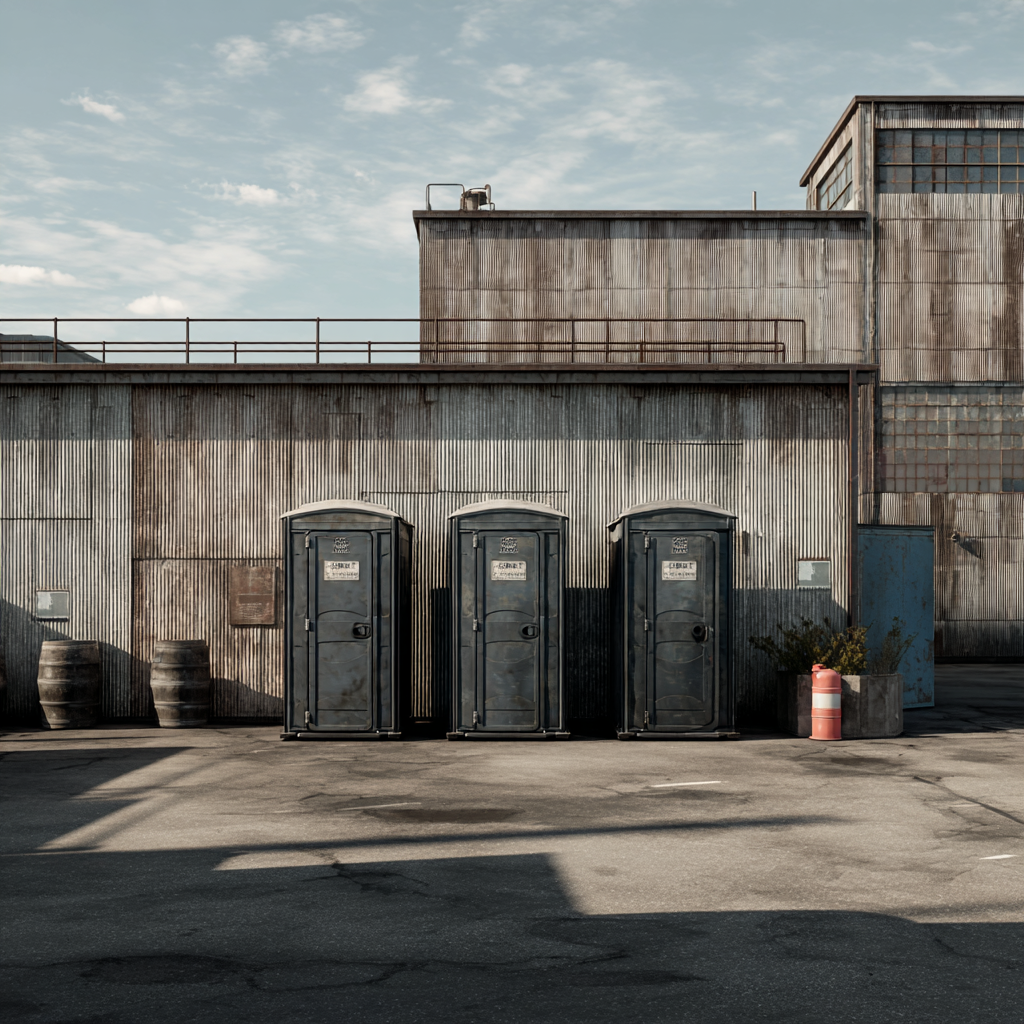
2026 Rented Porta Potty Planning Guide for Oil, Gas and Industrial Sites
Welcome, plant managers and project coordinators! If you’re already thinking about your 2026 sanitation requirements, you’ve come to the right place. We know you understand the basics – now let’s dive into strategic planning for the year ahead.
Industrial facilities face unique challenges that go beyond typical construction projects. Extended timelines, remote locations, and strict compliance requirements demand specialized solutions. Your workforce’s productivity depends on getting this right.
At Prime Dumpster, our guide covers rented porta potties for industrial sites with an eye on what’s new for 2026. Learn how proactive planning helps secure better pricing, guarantee availability during peak seasons, and establish service partnerships that support your operational goals.
Fast Facts: 2026 Rented Porta Potty Planning for Oil, Gas and Industrial Sites
“Industrial site porta potty planning for 2026 looks completely different than standard construction because you’re dealing with 24/7 operations, remote locations that are hard to access, and strict compliance requirements that can go way beyond basic OSHA standards,” says a Prime Dumpster Pro.
- Remote oil and gas locations require durable units designed for extreme weather and limited service access: Specify equipment built for harsh conditions including temperature extremes, high winds, and extended periods between maintenance visits, because standard construction units won’t withstand the environmental challenges at isolated drill sites or refineries where service trucks can’t reach facilities daily.
- 24/7 industrial operations demand higher unit-to-worker ratios than daytime-only construction projects: Calculate portable toilet quantities based on multiple shifts working around the clock rather than single-shift formulas, accounting for peak periods during turnarounds or maintenance shutdowns when temporary contractor populations can triple your normal workforce within days.
- ADA-compliant units aren’t optional add-ons but mandatory requirements for federal accessibility compliance: Plan at least one wheelchair-accessible portable toilet with proper handrails and interior space for every cluster of standard units, because failing to provide adequate accessible facilities creates regulatory violations that can shut down your entire operation during safety audits.
- Early 2026 booking during fall 2025 locks in better pricing before spring-summer industrial demand peaks: Secure your annual porta potty agreements by November or December to avoid premium rates that hit when construction season, maintenance turnarounds, and facility expansions all compete for limited rental inventory between March and September.
- Geographic service coverage matters more for multi-facility operations than individual site pricing: Verify that your rental provider maintains local service centers near all your plant locations to ensure consistent response times, avoid fuel surcharges from distant depots, and guarantee emergency support when equipment failures or unexpected workforce increases create urgent sanitation needs.
Understanding these industrial-specific factors ensures your oil, gas, and manufacturing facilities maintain compliant, functional portable sanitation throughout 2026. Keep in mind that porta potty use on industrial sites is different than other locations.
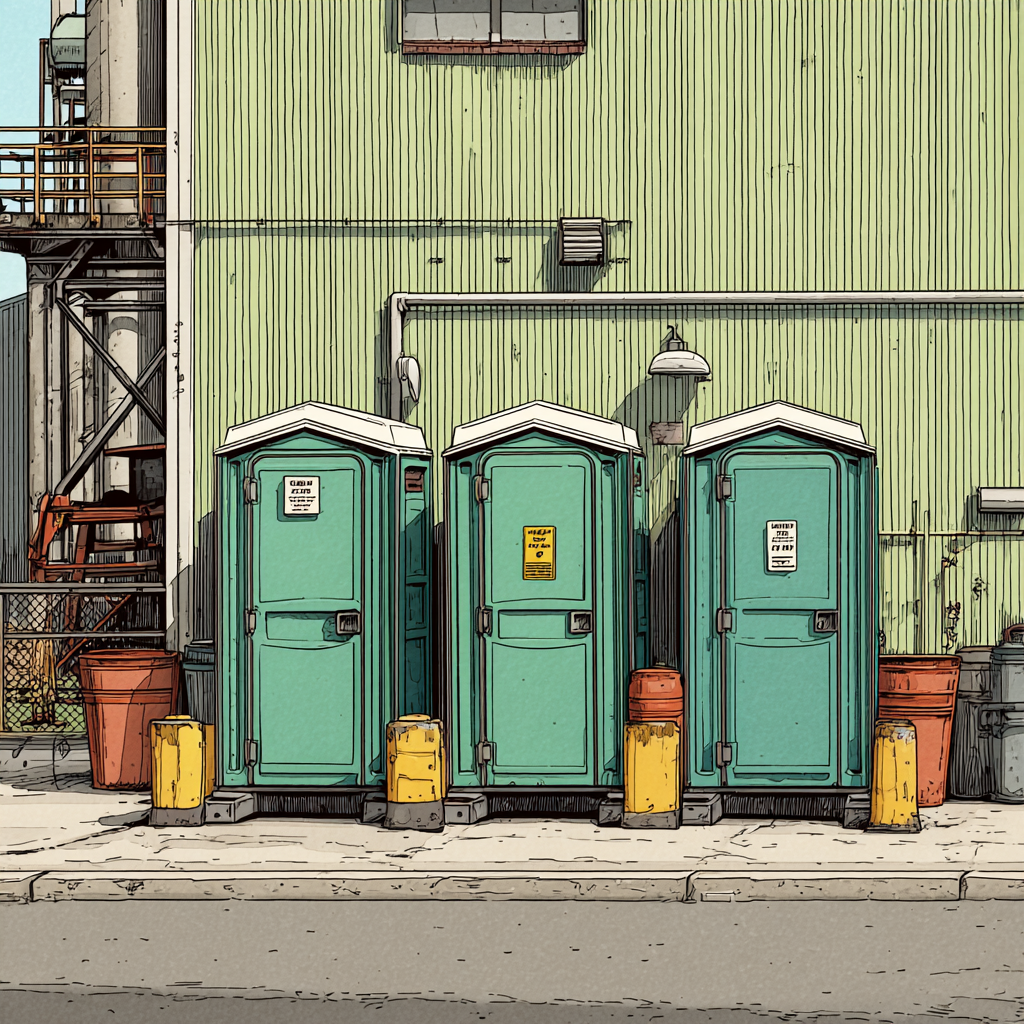
Assessing Site Needs for Oil, Gas, and Industrial Facilities
Begin by analyzing your workforce. How many employees will be on site during each shift? A 24/7 operation has vastly different requirements than a standard daytime project.
Consider location challenges. Remote oil and gas locations demand robust solutions that can handle extreme weather and limited access. Proper placement affects both safety and convenience for your team.
Don’t forget accessibility. Plan for ADA-compliant units to meet regulations and accommodate all workers. This is a non-negotiable part of modern worksite planning.
Timeline Considerations and Preparations for 2026
Look at your 2026 calendar now. Identify peak periods like scheduled turnarounds or maintenance shutdowns. These events will spike your sanitation needs.
Start conversations with service providers early. Spring and summer are high-demand seasons across construction and industrial sectors. Early planning locks in availability and often better pricing.
Think about service coverage. If you operate multiple facilities across different regions, verify that your provider’s network matches your geographical needs. Reliable service is crucial for long-term projects.
Exploring Porta Potty Options: Standard, Flushable, and ADA Compliant
Not all portable toilets are created equal. Understanding the differences is crucial for your 2026 planning. We break down the main types to help you choose the best solutions.
Standard and Flushable Units: Differentiators
Standard portable toilets are the reliable workhorses for most sites. They offer basic functionality at an economical price.
Flushable units are a significant upgrade. They feature foot-pump or hands-free flushing for better hygiene. This improves the overall user experience for long-term projects.
Some units even come with integrated hand-washing sinks. This feature promotes hygiene right at the source.
ADA Compliant and Handicap Accessible Solutions
ADA-compliant solutions are mandatory, not optional. They meet federal accessibility standards for all employees.
Many handicapped-accessible units feature wheelchair-accessible interiors and handrails. Plan for at least one ADA unit per cluster of standard toilets.
Restroom Trailers: A Premium Alternative
Restroom trailers offer a premium alternative for specific areas. They are ideal for supervisor facilities or client-facing spaces.
These trailers provide amenities like permanent restrooms. You get flushing toilets, running water, and even climate control.
They transform the restroom experience from functional to comfortable. This can directly impact workforce satisfaction on extended projects.
| Unit Type | Key Features | Best For | Approx. Dimensions (HxWxD) |
| Standard Portable Toilet | Basic functionality, economical | General workforce areas | 92.75″ x 46.5″ x 48.5″ |
| Flushable Unit | Flushing mechanism, improved hygiene | Long-term projects, enhanced comfort | Similar to standard |
| ADA Compliant Unit | Wheelchair accessible, handrails | Mandatory accessibility compliance | 90″ x 62.5″ x 88″ |
| Restroom Trailer | Flushing toilets, running water, climate control | Premium areas, client-facing spaces | Varies by model |
Consider the full range of products for your different locations. A one-size-fits-all approach rarely works for complex industrial needs.
Rented Porta Potties for Industrial Sites: Tailored Service Solutions
Industrial facilities require service solutions that understand the unique rhythm of plant operations and maintenance cycles. The right provider delivers more than equipment – they offer a partnership that supports your entire project timeline.
Integrated Service Benefits for Industrial Projects
Look for providers offering complete packages. These include regular maintenance, emergency response, and coordinated pickup aligned with your schedule. This integrated approach eliminates vendor coordination headaches.
Service consistency matters when operations run 24/7. Providers using uniform systems deliver predictable results across multiple locations. Your team deserves reliable facilities that won’t disrupt workflow.
Evaluate potential partners based on their industrial experience. Companies serving refineries and manufacturing plants understand compliance needs. They bring valuable insights to your specific challenges.
Verify that service technicians complete rigorous training. Background checks and safety certifications are essential for site access. Properly trained teams minimize risks at your facilities.
Round-the-clock support isn’t optional for industrial operations. Confirm genuine 24/7 emergency response availability. Quick resolution prevents minor issues from becoming major disruptions.

Operational Efficiency and Compliance in Portability Rentals
Operational efficiency starts with smart sanitation planning that keeps your team safe and productive. Getting this right affects everything from daily workflow to regulatory compliance.
Ensuring Safety and Regulatory Compliance
Safety programs minimize risk on your project. Verify that service technicians complete thorough background checks and DOT compliance training.
OSHA mandates specific standards for construction sites. These include proper toilet-to-worker ratios and hand-washing facility requirements.
Strategic unit placement maintains clear egress routes. This prevents trip hazards near equipment operations.
Optimizing Worker Productivity with Quality Sanitation
Clean, well-maintained facilities boost employee morale. Workers spend less time traveling to distant restrooms.
Regular maintenance schedules ensure units remain functional. This is crucial during high-use periods on extended projects.
Proper placement optimizes walking distance from work areas. It maintains appropriate separation from sensitive equipment.
| Factor Type | Critical Considerations | Impact on Operations | Documentation Needs |
| Safety Compliance | OSHA standards, TRIR data, technician credentials | Reduces incident rates, ensures site access | Background check records, safety metrics |
| Unit Placement | Clear egress routes, distance from work areas | Improves workflow, minimizes travel time | Site maps, placement logs |
| Maintenance Schedule | Service frequency, emergency response times | Prevents downtime, maintains cleanliness | Service records, issue tracking |
| Regulatory Adherence | ADA requirements, sanitation ratios | Avoids penalties, supports all employees | Compliance audits, correction reports |
Cost, Logistics, and Quality Assurance in Rental Services
Smart budgeting and logistics planning separate successful projects from those that face constant disruptions. We know you want your sanitation services to run smoothly from day one through project completion.
Let’s break down what really matters when evaluating rental providers for your upcoming work.
Streamlined Delivery, Pickup, and Maintenance Processes
Your budget planning should look beyond basic rental rates. Consider delivery fees, service frequency charges, and seasonal pricing variations. These factors impact your total project cost significantly.
Logistics coordination becomes critical on sites with restricted access. Work with providers experienced in industrial facility requirements rather than standard construction sites. They understand security protocols and specific delivery windows.
Geographic coverage affects both cost and reliability. Verify your provider maintains local service centers near your facilities. This reduces response times and avoids fuel surcharges from distant locations.
Quality assurance should be clearly defined in your contract. Specify cleanliness standards, restocking requirements, and guaranteed response times. Don’t settle for vague promises about maintenance schedules.
Consider total ownership value when comparing options. Premium units may cost more upfront but deliver better worker satisfaction and fewer service calls. Comprehensive solutions include holding tanks and fresh water sources for complete sanitation systems.
Planning Ahead for Industrial Sanitation Success
Strategic planning for rented porta potties for industrial sites in 2026 starts now, not when projects break ground. Early fall 2025 booking secures specialized equipment, locks in better pricing, and establishes service partnerships that understand your unique needs.
Oil, gas, and manufacturing facilities require providers experienced with 24/7 operations, remote locations, and strict compliance requirements.
Ready to plan your strategy? Prime Dumpster provides nationwide service coverage, compliance expertise, and equipment designed for harsh conditions. Contact us to discuss rented porta potties for industrial sites tailored to your facilities.
If you are looking for Porta Potty Rentals for Disaster Relief in 2026, Click Here
Recent Posts


Follow Us
Have any questions?
+1 844 853 3867
Give us a call today so we can help you find the right waste & sanitation solution for
your project!
Contact Us