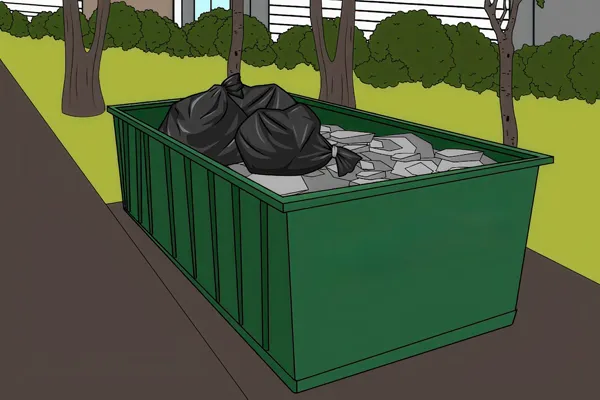
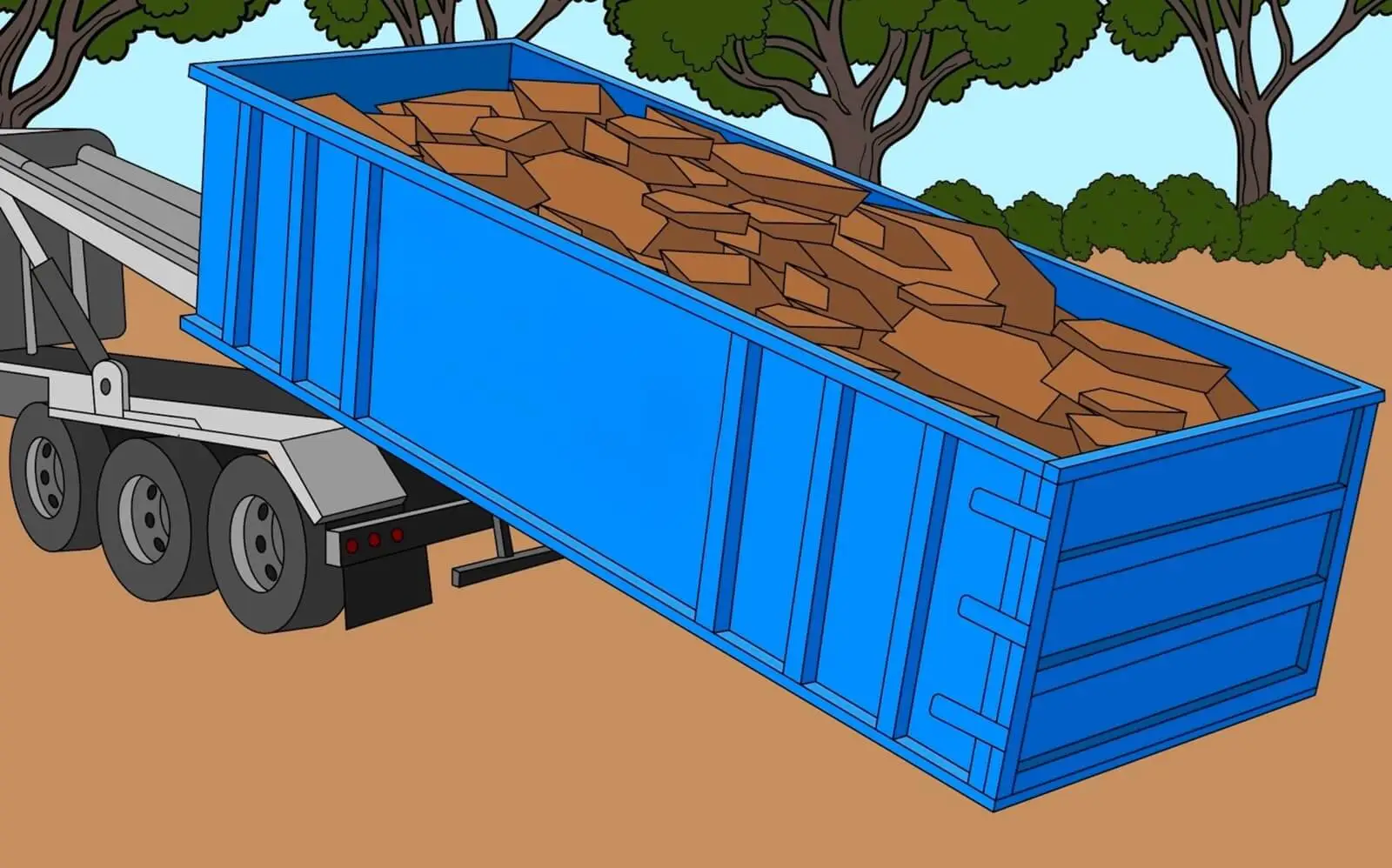
Framing, lath and plaster, drywall, roofing, flooring, carpet, cabinets, doors, siding, brick and block are all normal Chester loads. Hazardous waste, liquids, paint, solvents, fuel and asbestos stay out. Chester's rules also say its private collection system covers municipal waste only and does not reach hazardous or residual waste.
Two Pennsylvania rules shape how you load rather than simply what you exclude.
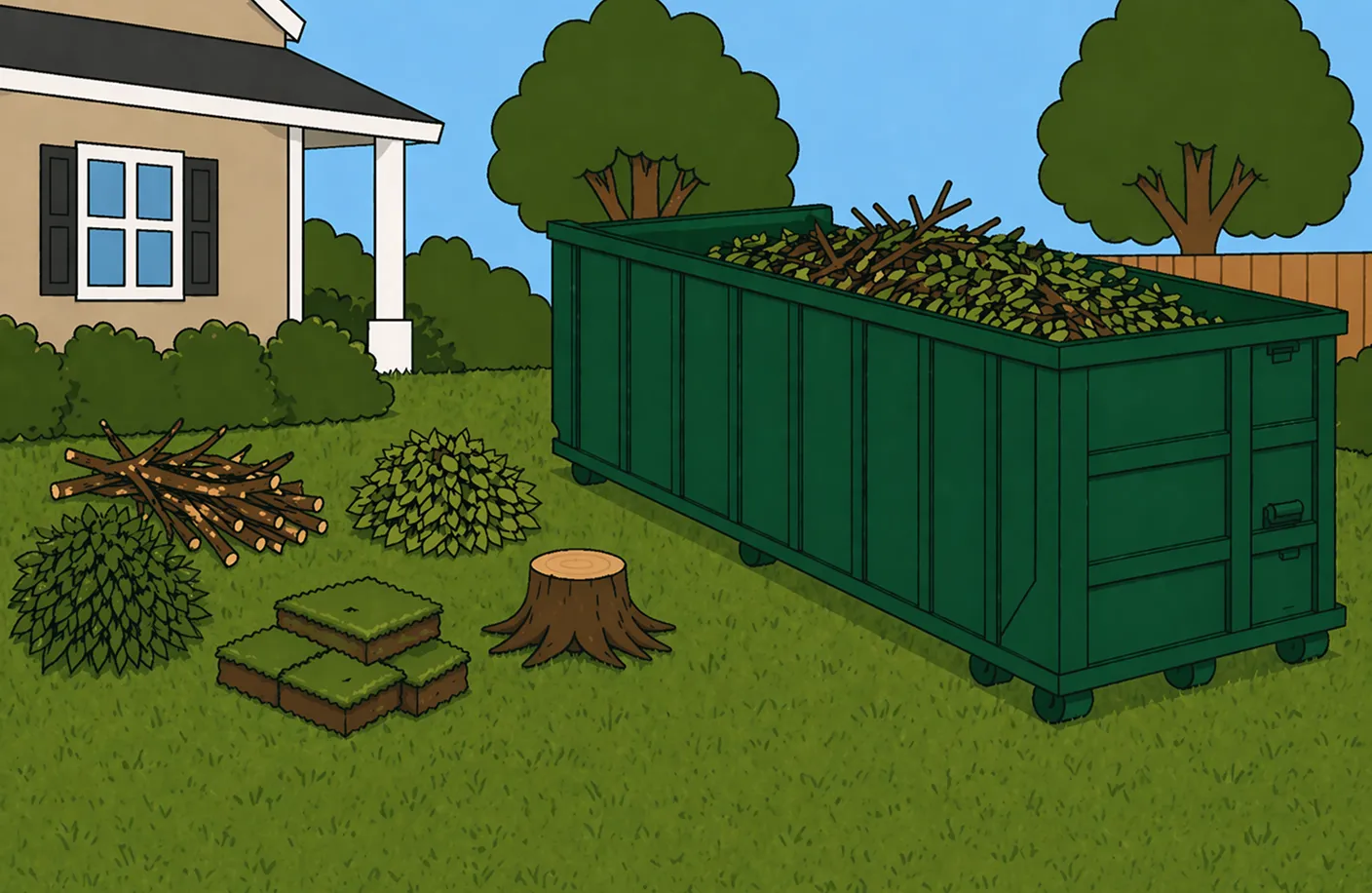
The first is clean fill. State rules count wood, plaster, metals, asphaltic material, brick, block and unsegregated concrete as construction and demolition waste. But clean soil, rock, stone, gravel, brick, block, concrete and used asphalt are not, when kept apart from other waste and used as clean fill, and that use needs no permit. Trees, brush and stumps from land clearing sit in the same carve-out.
The second is that separated recyclables are not waste either. The state names cardboard, glass, metals, paper and plastics for construction, renovation and demolition work, and it says material salvaged for its intended use, so fixtures, doors, flooring, lighting and windows, is not waste at all.
Electronics have their own route. The state's covered device program puts the recycling duty on makers of televisions, desktop and laptop computers, monitors and peripherals, so a screen of four inches or more belongs in that stream. Chester also bars a collector from mixing recyclables or yard waste in with municipal waste. Ask your account manager about anything you are unsure of.