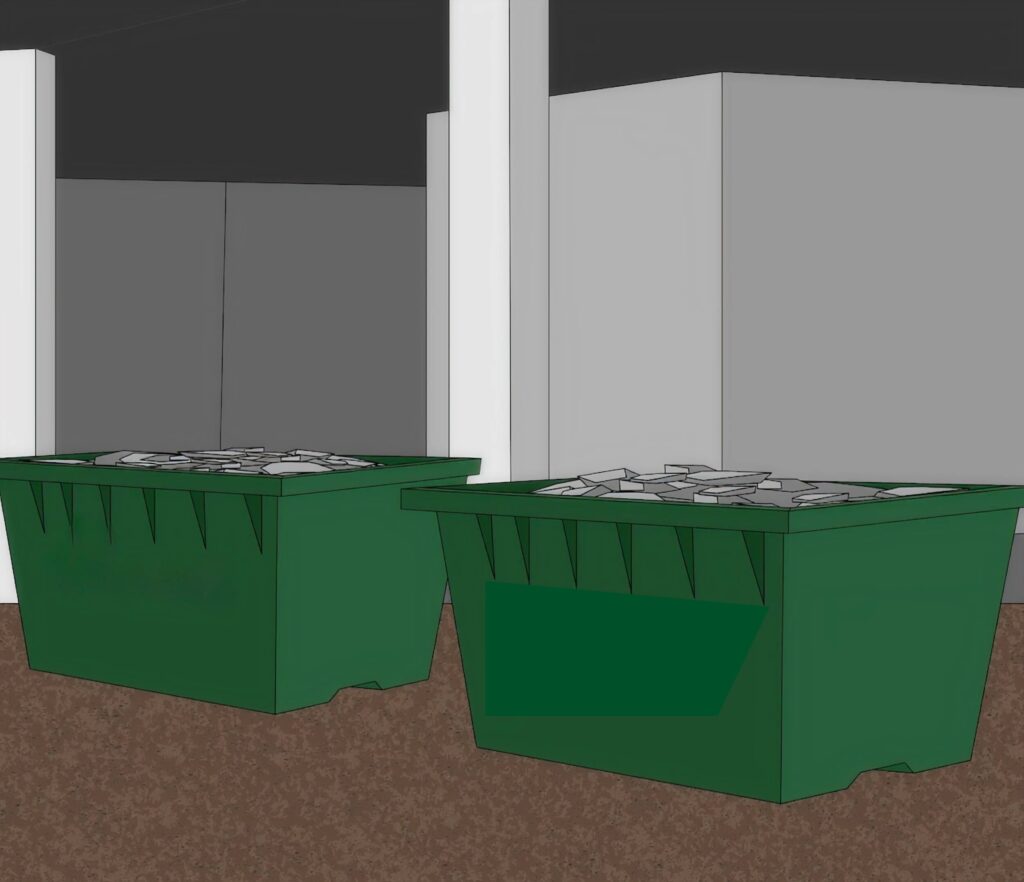
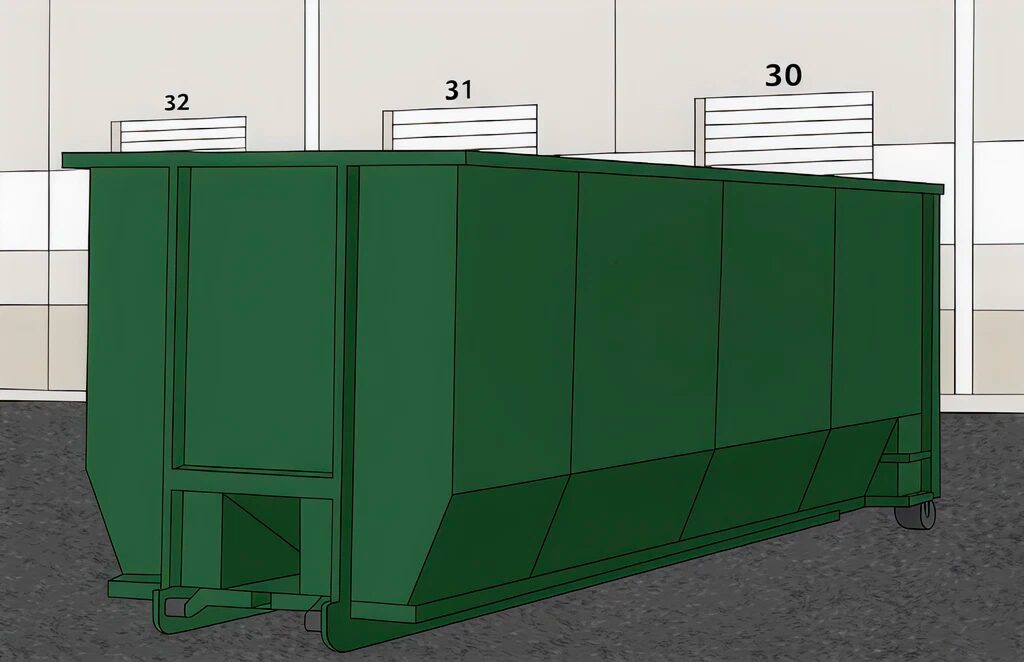
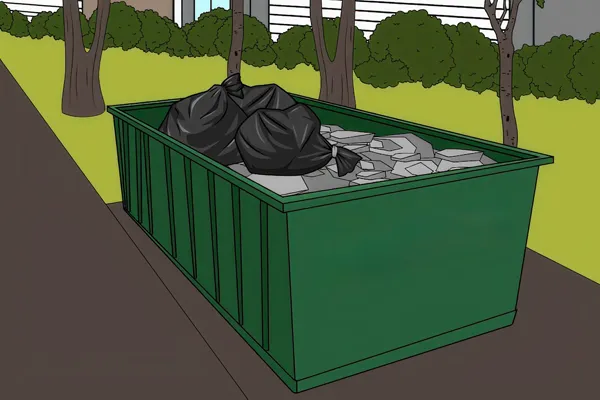
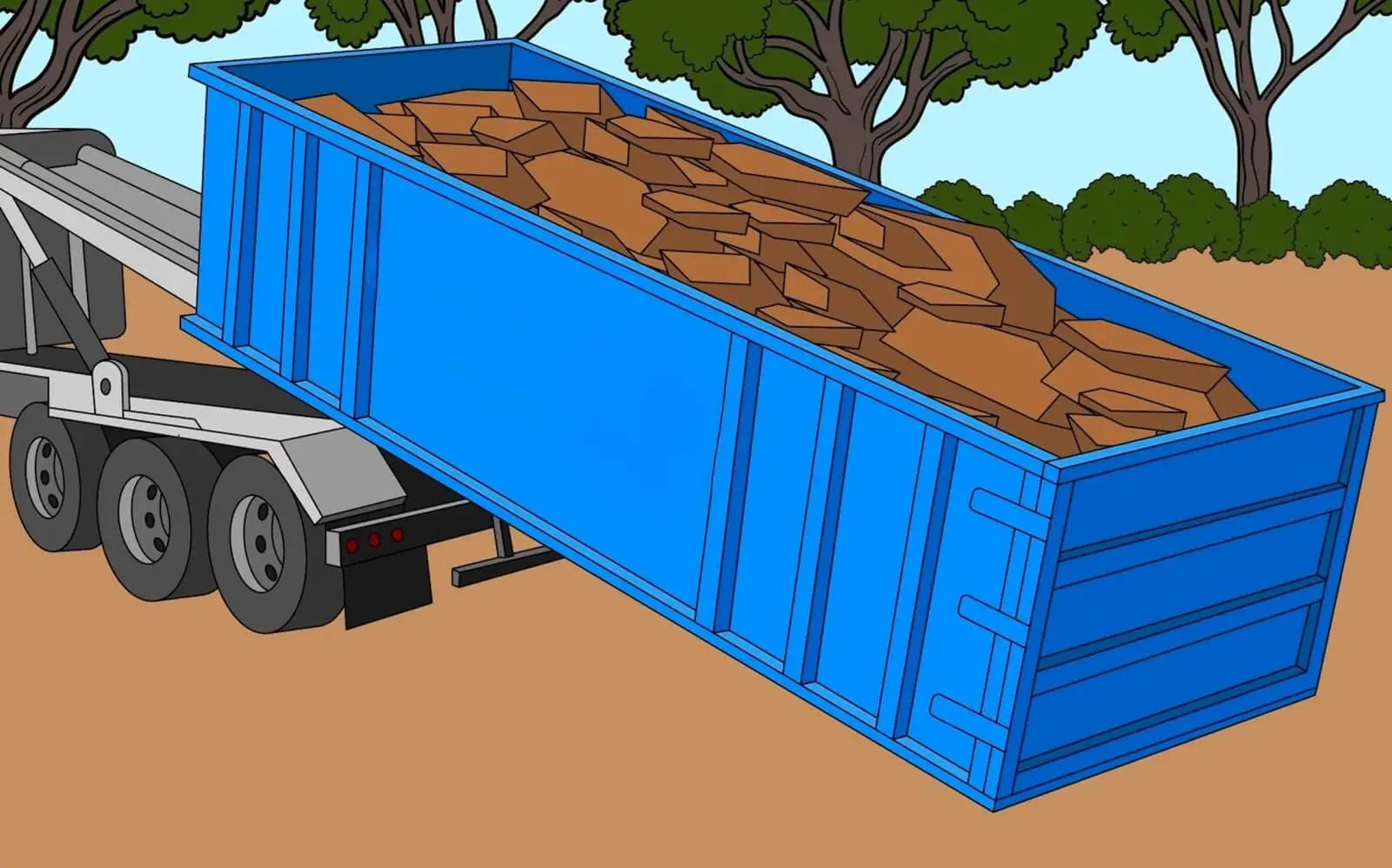
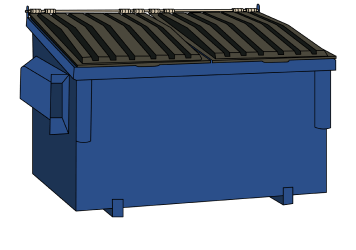
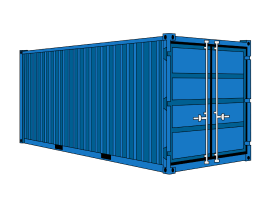
Framing, sheetrock, plaster, shingles, flooring, cabinets, doors, and general cleanout junk all load without trouble. Connecticut's own rules set the limits, and they are stricter than most people expect.
Recycling is mandatory statewide for households and businesses alike, and the state spells out what is banned from disposal: grass clippings, household electronics such as televisions, monitors, printers, and computers, and lead-acid or vehicle batteries. Those have to leave the site separately.
Paint, mattresses, mercury thermostats, gas cylinders, and tires are handled through state recycling programs rather than the trash, which is why they are declared at booking rather than tossed in with the rest.
Here is the detail that costs real money in Connecticut: a load arriving at a disposal facility with a significant amount of recyclables in it can be rejected outright, and the cost of that rejection lands on the customer. Flattening and pulling out cardboard before the container leaves is worth the ten minutes.
Hazardous waste, liquids, solvents, and fuel stay out of a standard container as a matter of course. If one item has you guessing, ask your account manager before it goes over the side.