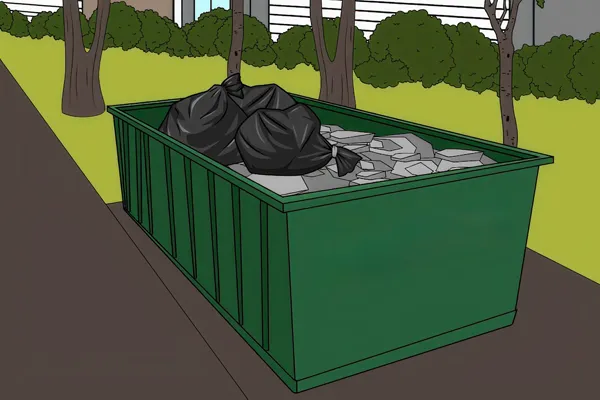
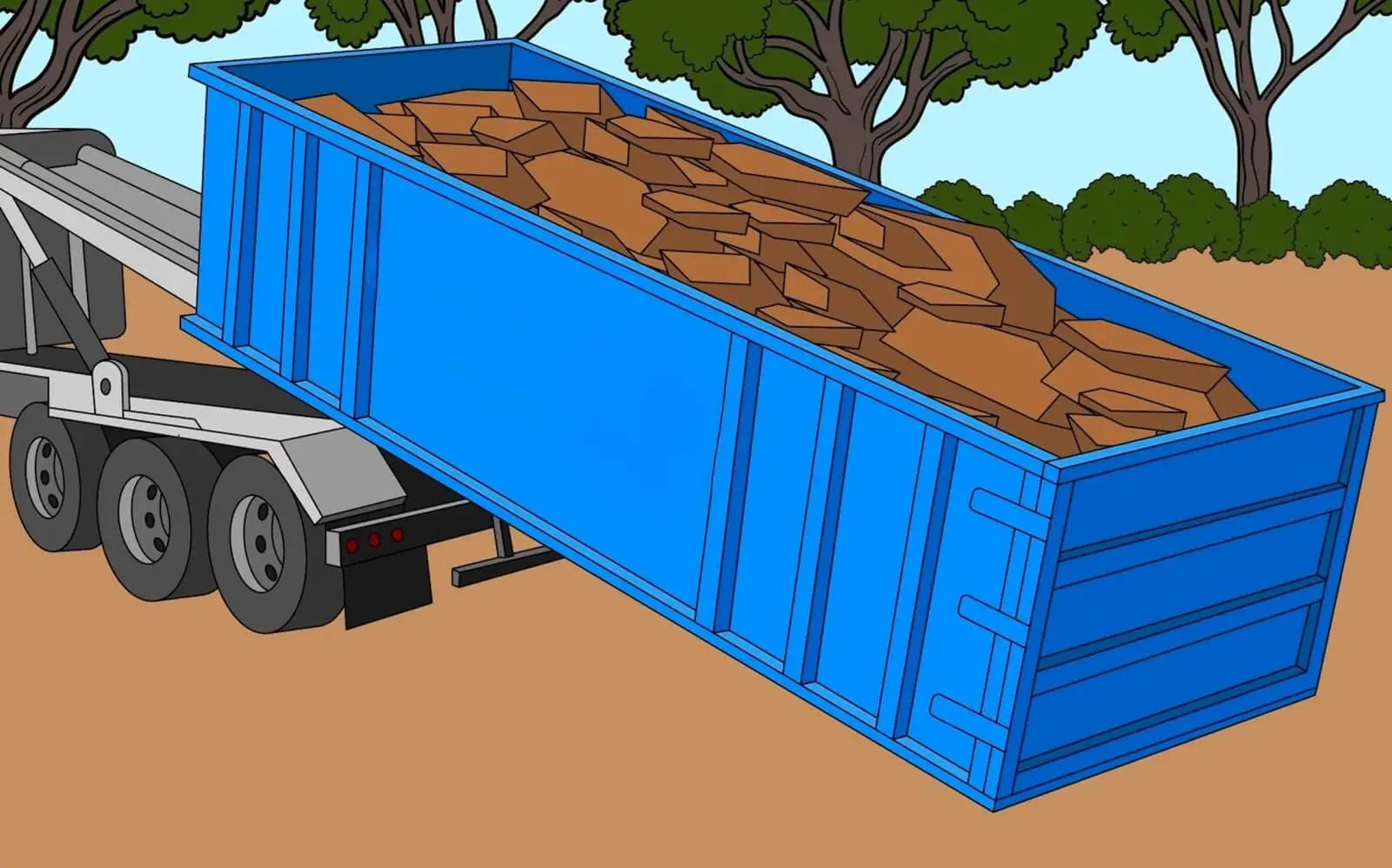
Ordinary household and construction debris is welcome. The limits come from Connecticut's recycling law, which is unusually strict, and from what the receiving facility will accept.
Recycling is mandatory statewide for every resident, business, and institution in Connecticut. Three things are banned from disposal outright: grass clippings, lead acid and motor vehicle batteries, and household covered electronic devices, which means televisions, monitors, printers, and computers. Those cannot go in a container at all.
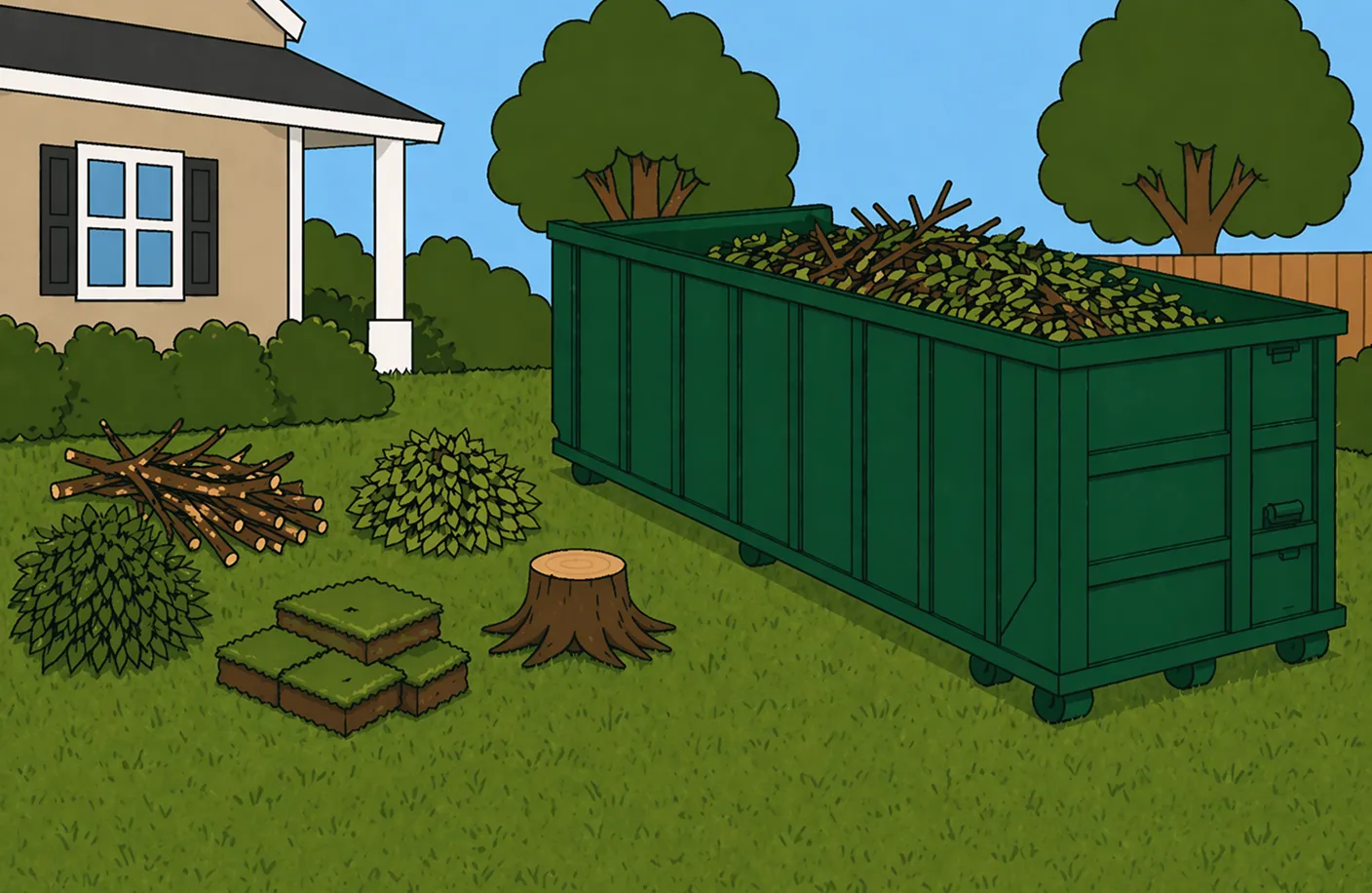
A second group has to be handled through separate programs rather than mixed into a load. That list includes scrap metal and appliances, rechargeable batteries, waste crankcase oil, and leaves, which the state says must be composted.
Connecticut also runs product stewardship programs that pull more items out of the trash: paint, mattresses, mercury thermostats, gas cylinders, and tires. A house cleanout can easily turn up three or four of those, so sort them out before loading day.
Liquids, solvents, fuel, pool chemicals, and asbestos never belong in a standard container either. Tell your account manager what the job will produce and they will arrange the right route for anything on these lists.