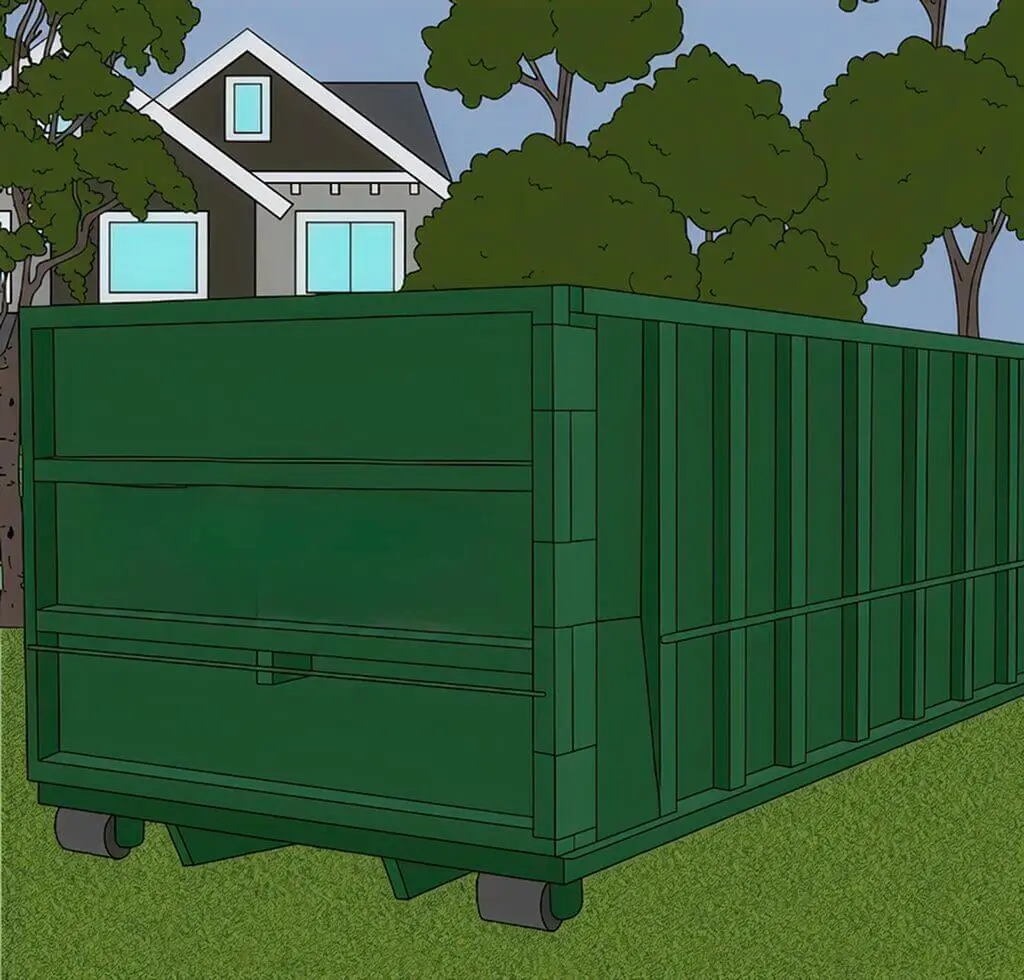
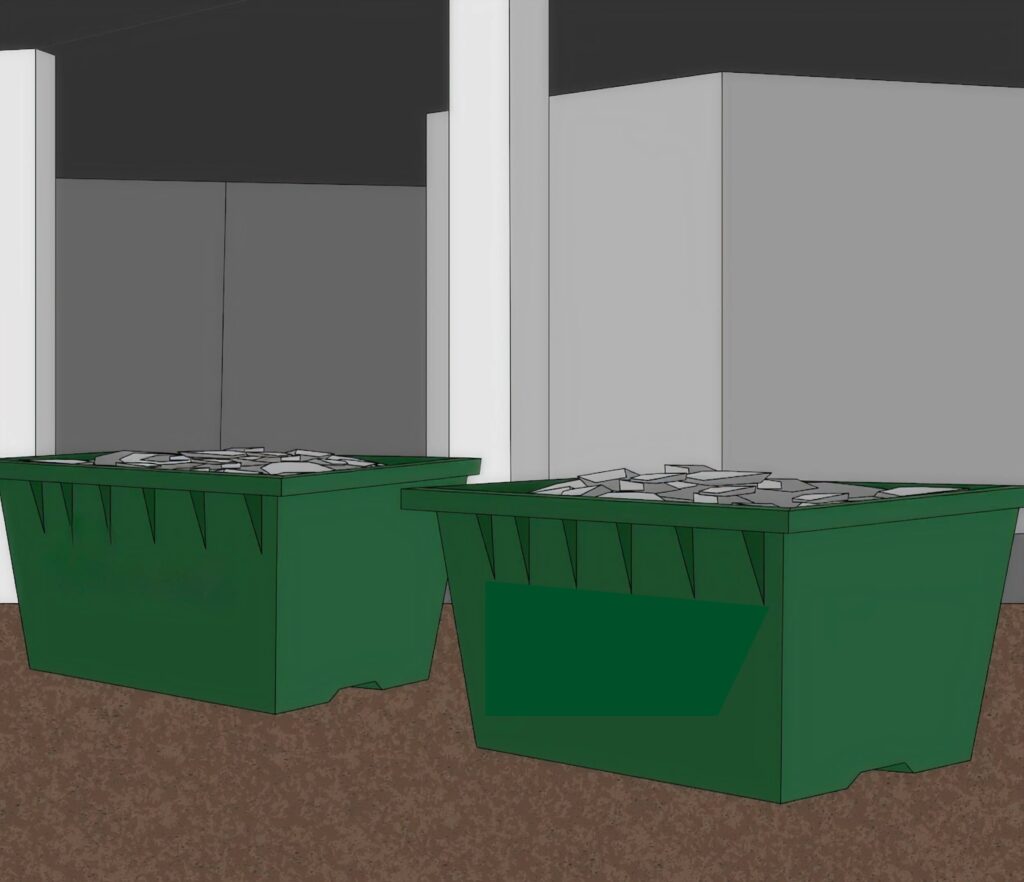
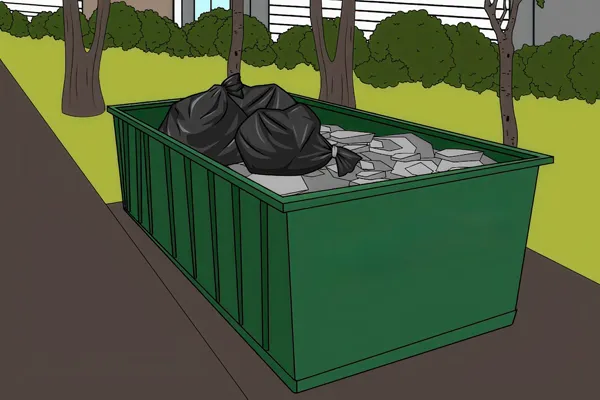
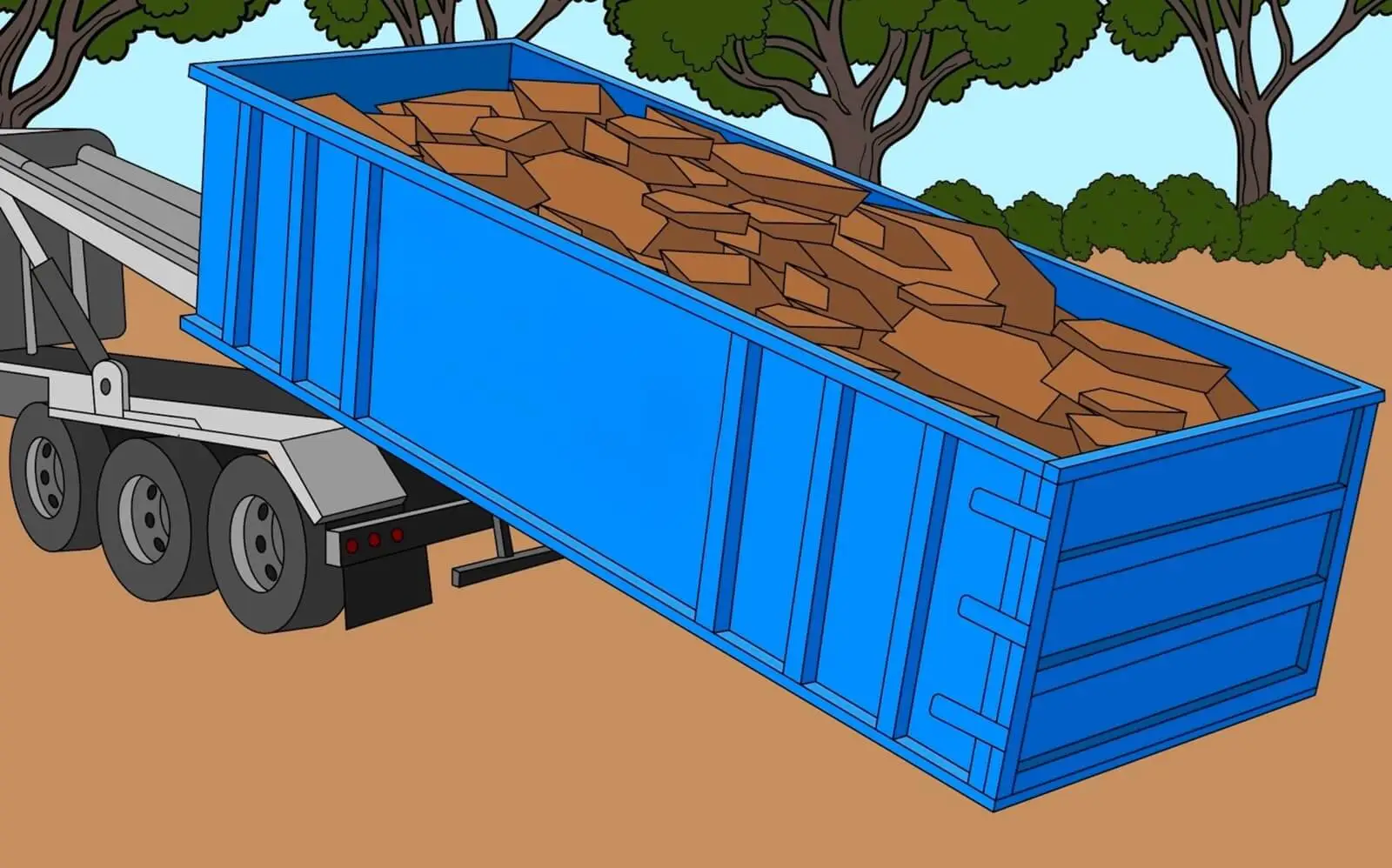
Most renovation debris is welcome. Lumber, plaster, drywall, roofing, flooring, cabinets, fixtures, furniture, and general cleanout junk all go in.
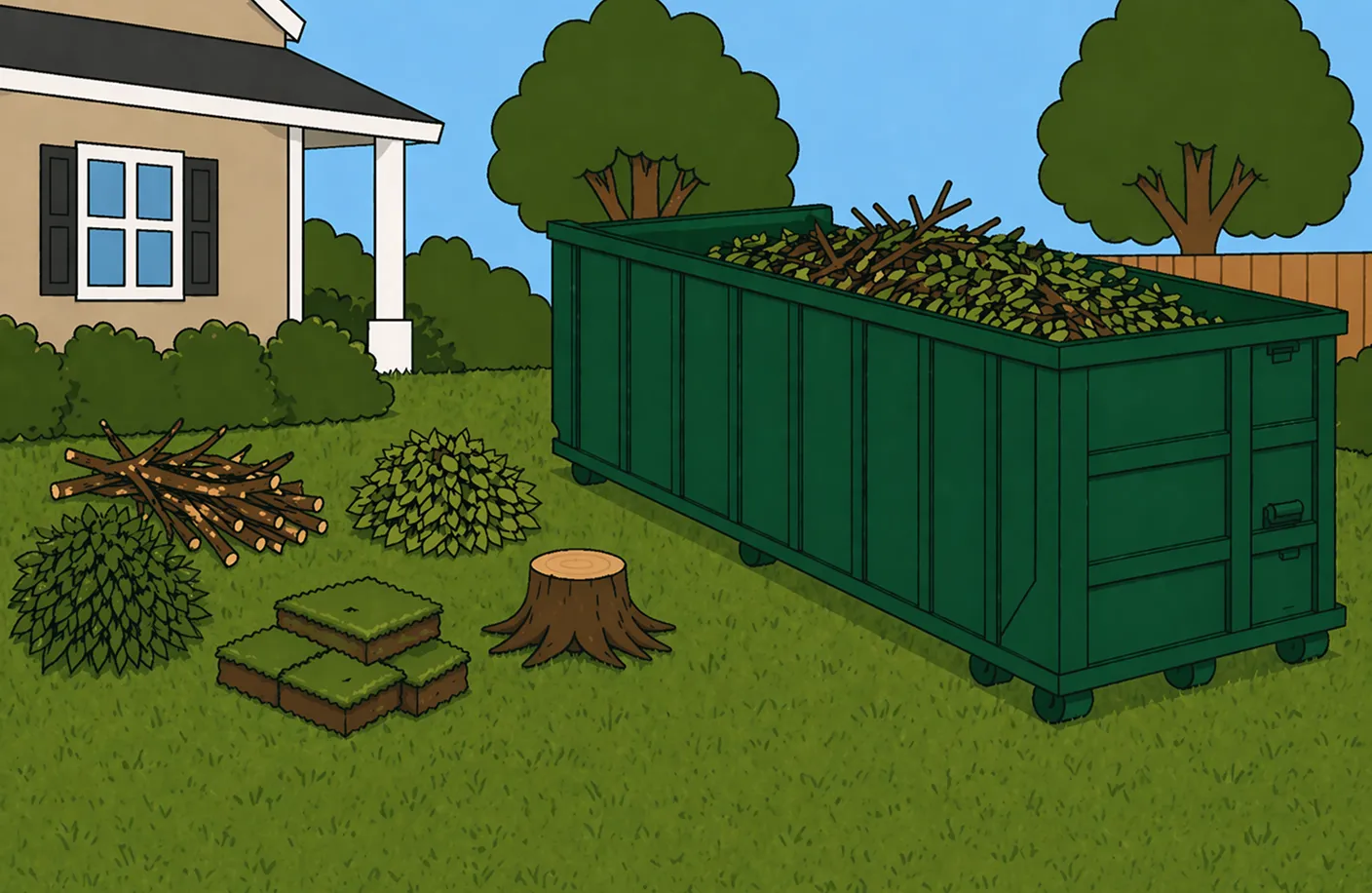
Connecticut bans three things from disposal outright: grass clippings, household covered electronic devices such as televisions, monitors, printers, and computers, and lead acid or motor vehicle batteries. The state's environmental agency also requires separate handling for crankcase oil, leaves, scrap metal including appliances, and nickel-cadmium rechargeable batteries, and it runs stewardship programs for paint, mattresses, tires, mercury thermostats, and gas cylinders. All of that is set out on the state's own recycling law page.
Torrington adds the separation rule noted above, which can get a mixed load turned away at the processing facility. Household hazardous waste, which the city defines to include oil-based paint, thinners, fluorescent lamps, pool chemicals, pesticides, mercury thermometers, and gasoline, stays out of any container. So does asbestos, fuel, propane, and solvent.
If an item has you guessing, ask your account manager before it goes in rather than after.