
Mon - Sat 7:00 am to 7:00 pm
REQUEST A QUOTE
UNLOCK THE BEST DEALS FOR YOUR DUMPSTER AND PORTA POTTY RENTAL NEEDS!
Home Areas We Service Dumpster Rental in Connecticut
Areas We Service
Dumpster Rental in Connecticut
Prime Dumpster supplies dumpster rental across 19 Connecticut cities and the towns nearby, from Stamford and Bridgeport up through Hartford, Waterbury and Norwich. We have containers for spring clean-outs, siding and roofing jobs, kitchen and bath remodels and new construction, and we handle commercial, industrial and federal work too.
A handful of local details set your price. The size of the container, the debris you fill it with, its placement and the facility that accepts the load all count.
On this page you'll find Connecticut price ranges, permit basics, disposal rules and the facility details that matter for projects here.
Call for a free quote
19
cities served in Connecticut
10–40
yard containers available
5 days
standard rental period
Connecticut Dumpster Rental Prices
The prices below reflect general ranges for a standard five-day rental period. Your account manager will confirm tonnage, overage rates, and other specifics before you book.
| Size | Average Price Range | Approximate Dimensions | Common Price Factors |
|---|---|---|---|
| 10-Yard Dumpster | $399–$499 | 12' L × 8' W × 3.5' H | Debris weight; heavy materials like concrete reach limits quickly |
| 15-Yard Dumpster | $449–$569 | 16' L × 7.5' W × 4–5' H | Debris mix; combined light and heavy materials affect disposal fees |
| 20-Yard Dumpster | $499–$649 | 22' L × 7.5' W × 4.5' H | Landfill distance; out-of-county loads may carry higher tipping fees |
| 30-Yard Dumpster | $599–$799 | 22' L × 8' W × 6' H | Debris volume; longer rental periods may apply for larger projects |
| 40-Yard Dumpster | $699–$899 | 22–24' L × 8' W × 8' H | Project scope; commercial and demolition loads vary widely by material |
Prices shown are general ranges for estimation purposes. Your final quote will depend on many factors, which your Prime Dumpster Account Manager will explain after learning about your project needs during your free consultation.
10-Yard Dumpster
Average Price Range
$399–$499
Approximate Dimensions
12' L × 8' W × 3.5' H
Common Price Factors
Debris weight; heavy materials like concrete reach limits quickly
15-Yard Dumpster
Average Price Range
$449–$569
Approximate Dimensions
16' L × 7.5' W × 4–5' H
Common Price Factors
Debris mix; combined light and heavy materials affect disposal fees
20-Yard Dumpster
Average Price Range
$499–$649
Approximate Dimensions
22' L × 7.5' W × 4.5' H
Common Price Factors
Landfill distance; out-of-county loads may carry higher tipping fees
30-Yard Dumpster
Average Price Range
$599–$799
Approximate Dimensions
22' L × 8' W × 6' H
Common Price Factors
Debris volume; longer rental periods may apply for larger projects
40-Yard Dumpster
Average Price Range
$699–$899
Approximate Dimensions
22–24' L × 8' W × 8' H
Common Price Factors
Project scope; commercial and demolition loads vary widely by material
Prices shown are general ranges for estimation purposes. Your final quote will depend on many factors, which your Prime Dumpster Account Manager will explain after learning about your project needs during your free consultation.
What Factors Affect Your Dumpster Rental Price?
We drop off the dumpster, you use it for the rental period, and we haul it away. That service is the core of every rental, and the details of your project shape the final quote.
Container size, debris type, rental length and the job address matter most. Plaster, stone and roofing get heavy fast, and each extra day adds cost.
Your location matters because Connecticut towns and facilities set their own disposal fees, and those fees land in your quote. Here, the town is the key unit. Many transfer stations serve only their own residents, and each town picks how it charges.
Two examples of how county disposal differs in practice:
- The Town of Stonington charges $125 per ton for bulky waste and construction and demolition debris. Brush costs residents $0 per ton, while commercial brush costs $80 per ton.
- The Woodbridge Transfer and Recycling Station weighs residents' demolition debris and charges by the pound. It takes brush at $10 per cubic yard, up to 2 cubic yards a trip, and old tires at $2 each.
Those two towns don't even price debris in the same unit. A contractor load also isn't welcome at every town site, so the route for your debris has to be settled early.
Check the town's official page for current fees. Your account manager can confirm the facility that serves your address and walk you through what shapes your final quote.
Do I Need a Permit for a Dumpster in Connecticut?
Keeping the dumpster on private property, like a driveway or a job site, usually means no permit. Putting it on a street, sidewalk or other public space does. You'll need approval from whoever maintains that road before the container arrives.
Connecticut is split into 169 towns, and its counties have had no government since 1960. That makes the town, or the state on a state highway, the office to call:
- On a state highway, the Connecticut Department of Transportation controls use of the right-of-way through an encroachment permit. Applications go to a District Special Services Office in one of the department's four districts, and a bond and proof of insurance can be part of the process.
- On a town street, the town sets the rules. East Hartford's Engineering Division, part of its Department of Public Works, issues permits for any obstruction on a street, sidewalk or public place. Those permits go to licensees who keep a bond, insurance and a hold harmless agreement on file. The division's number is 860-291-7380.
When a town issues street permits only to licensees, a homeowner may not be able to file alone. Your account manager can find the right town contact before delivery.
What Can't Go in a Dumpster in Connecticut
Most household clutter and renovation debris can go in the container. The limits come from what each facility is permitted to accept, under rules set by the Connecticut Department of Energy and Environmental Protection.
State law bans a few things from disposal. Covered electronics, such as TVs, monitors, printers and computers, have been banned from every Connecticut solid waste facility since January 1, 2011. Grass clippings and lead-acid vehicle batteries are banned too, and leaves must be composted. A single TV buried in a load can make it unacceptable at the facility, so take electronics out first.
Hazardous waste, free liquids and friable asbestos are kept out of regular disposal here, the same as in the rest of the country, and asbestos needs a specially permitted site.
Town facilities often add their own rules. Stonington's transfer station is for Stonington residents only and asks for proof of residency at the gatehouse.
If your project includes electronics, tires, appliances or anything you're unsure about, check with your account manager about where it should go before you fill the container.
Connecticut Landfill Disposal Sites
Connecticut permits resource recovery facilities that turn trash into energy, and many towns run their own transfer stations. The site for your load depends on the town where the job is.
The Stonington Transfer Station is at 151 Greenhaven Road in Pawcatuck. It's open most days of the week and closed on Wednesdays.
The Woodbridge Transfer and Recycling Station sits at 85 Acorn Hill Road Extension in Woodbridge. It's open Tuesday through Saturday, 8:30 a.m. to 3:00 p.m., and private haulers must register with the town each year.
The Reworld Bristol Resource Recovery Facility at 170 Enterprise Drive in Bristol is one of the state's permitted waste-to-energy plants. The former Hartford plant is still permitted but no longer operating.
The Connecticut Department of Energy and Environmental Protection permits every solid waste facility in the state. When you book, your account manager confirms the facility for your address and any material limits it sets.
Stonington Transfer Station
151 Greenhaven Road, Pawcatuck, CT 06378
Town of Stonington. Mon, Tue, Thu, Fri 9:00am - 3:00pm; Sat 8:00am - 3:00pm; Sun 8:00am - 1:00pm.
Woodbridge Transfer Station
85 Acorn Hill Road Extension, Woodbridge, CT 06525
Tuesday - Saturday 8:30 a.m. - 3:00 p.m. Private haulers must register with Public Works yearly.
Reworld Bristol Resource Recovery Facility
170 Enterprise Drive, Bristol, CT 06010
Waste-to-energy plant on CT DEEP's list of permitted resources recovery facilities.
Cities We Serve in Connecticut
19
locations served across Connecticut
Hartford area and central Connecticut:
Fairfield County:
Greater New Haven:
Naugatuck Valley and Litchfield Hills:
Eastern Connecticut:
Frequently Asked Questions
How much does a dumpster rental cost in Connecticut?
Connecticut rentals typically range from $399–$499 for a 10-yard dumpster to $699–$899 for a 40-yard, based on a standard five-day rental. The container size, your debris and the town transfer station or facility that takes the load all affect the price. Your account manager confirms tonnage and overage rates before you book.
Do I need a permit for a dumpster in Connecticut?
Not from the state. A dumpster on private property usually needs no permit. One on a street does, and the town handles local streets, while CTDOT issues encroachment permits on state highways. Your account manager can help you reach the right office before delivery.
What can't go in a dumpster in Connecticut?
Covered electronics like TVs and computers, lead-acid batteries, grass clippings, hazardous waste, free liquids and friable asbestos. Electronics are banned at every Connecticut solid waste facility, so one TV in the load can cause a problem. Ask your account manager before loading anything unusual.
Why does dumpster rental cost vary from one Connecticut county to the next?
In Connecticut, it's the town that matters, since counties have no government. Each town sets its own disposal fees and rules. Stonington charges by the ton, Woodbridge charges residents by the pound, and some town sites only serve residents. Your account manager can confirm where your load goes.
Can I put tires in a Connecticut dumpster?
Keep tires out of the container. Connecticut no longer allows tires to be landfilled, whole or in pieces, so they go to special processing sites instead. Some town transfer stations take them for a small fee. Ask your account manager where your tires should go before loading.
Does Connecticut charge a state fee on landfilled waste?
Connecticut disposal costs reach you through the rates that towns, regional authorities and facility owners set, and those rates vary by site. Stonington, for example, posts its own per-ton charges. Your account manager can confirm which facility serves your address and what it charges.
Additional Dumpster Resources
Dumpster Rental Resources
Find everything you need for your dumpster rental, from sizing and pricing to permits.
Guide to Dumpster Pricing
Our guide includes updated price ranges, cost factors, and ways to save.
Dumpster Calculators
Estimating the weight of your debris helps you save money and time when renting dumpsters.
We offer other services in Connecticut
Pair your dumpster rental with other services in your area
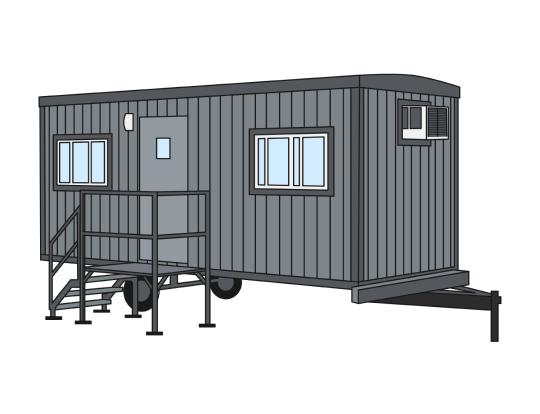
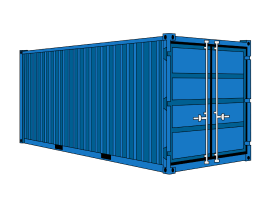
Give us a call today so we can help you find the right waste & sanitation solution for your project!