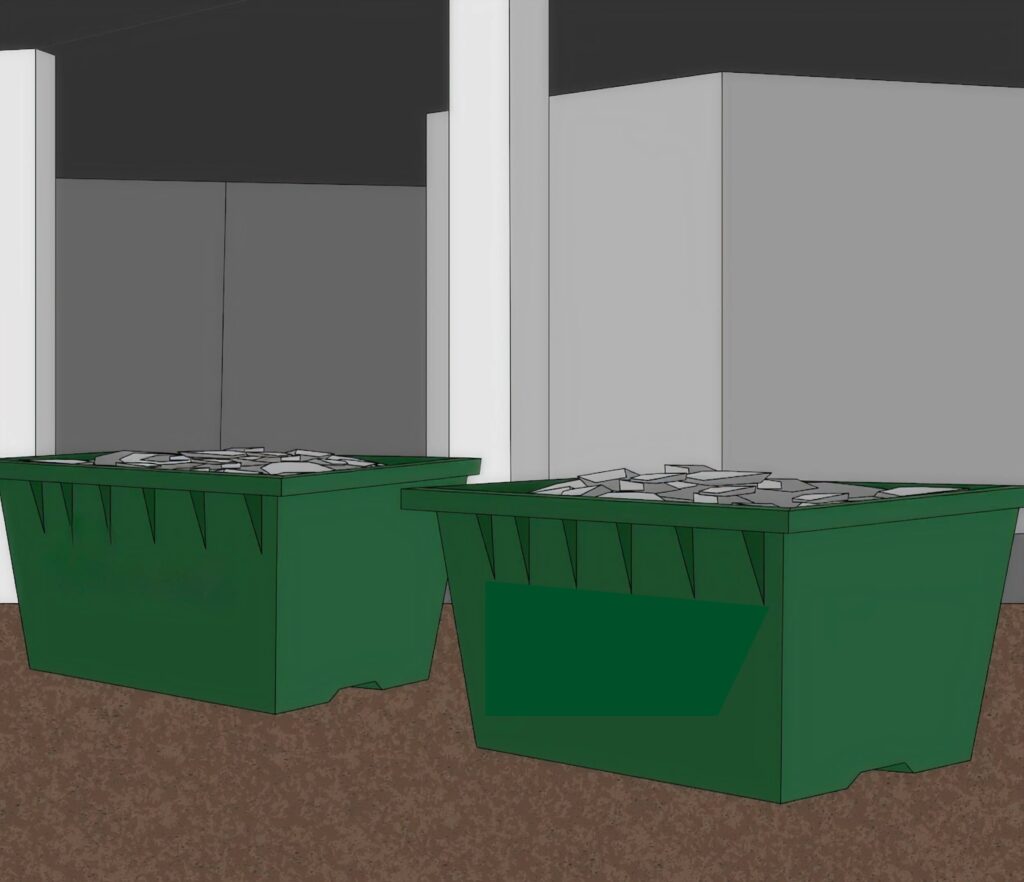
Standard renovation and household debris is fine. Wood, drywall, roofing, flooring, cabinets, carpet, furniture, doors and packaging all load without trouble.
Hazardous material is excluded everywhere. Liquids, fuels, solvents, oil-based paint, pesticides, pool chemicals, asbestos and pressurized cylinders stay out of a container whatever the destination. The city runs hazardous waste and electronics collection days at its Public Works yard twice a year, and residents can leave motor oil and cooking oil there at any time. Those are residents' services, not a commercial disposal route.
The city's own collection expressly refuses contractor's debris, concrete bricks and dirt, along with waste oil, household hazardous waste, pesticides and other chemicals. That is the clearest signal of why a container is the right answer on a renovation here: the material a remodel produces is precisely what the municipal service will not take.
Yard waste has its own exclusions too. The city does not collect wood chips or mulch, sod, dirt, hay, animal waste, tree stumps, root balls, gravel or stones at the curb, so landscaping jobs that generate those materials need a container or a separate arrangement.
Tires, car batteries, refrigerant appliances and electronics need their own route rather than a container. Tell your account manager about anything in that list before loading.