
Mon - Sat 7:00 am to 7:00 pm

The Insider’s Guide to Dumpster Rental for Events in New York, NY
Large-scale events across New York City generate massive waste volumes that require strategic planning. Dumpster rentals for events in New York range from 15-yard containers for small street fairs to 30-yard units for multi-day festivals. Your cleanup success depends on calculating debris volume accurately and coordinating delivery timing around strict NYC logistics.
Event organizers face unique challenges across the five boroughs. At Prime Dumpster, we’ve created a guide covering container sizing for different event types, permit requirements by borough, placement strategies for outdoor venues, and techniques that help control costs from setup through teardown.
Fast Facts: Dumpster Rentals for NYC Events
“Event waste management in New York City demands precise planning because container delivery windows, permit requirements, and venue access restrictions vary dramatically across the five boroughs,” says the Prime Dumpster Pro. “Organizers who calculate debris volume based on attendance and food service, then book containers weeks in advance during peak season, avoid overflow crises and last-minute logistics nightmares.”
- Street Fairs: Position multiple 15-yard containers along the route near vendor clusters to handle continuous food service packaging and prevent mid-event overflow
Concerts and Music Festivals: Schedule mid-event pickups for multi-day shows because beverage service and food vendors generate concentrated waste surges that fill 20-yard containers faster than expected - Sporting Events: Place 20-yard containers near concession stands and main exits where predictable waste streams of cups and food packaging accumulate during peak game times
- Community Block Parties: Choose 15-yard units with easy volunteer access and position them at street corners where cleanup crews can efficiently collect trash without disrupting activities
- Corporate Events and Galas: Opt for discrete placement of smaller containers when hosting upscale functions at Manhattan venues where aesthetics and limited staging space are primary concerns
- Multi-Day Festivals: Plan for daily or twice-daily pickups with 30-yard containers positioned near food courts and beer gardens where waste accumulates rapidly throughout extended events
Smart event organizers in New York integrate waste management into their master timeline, coordinate container placement with venue managers, and maintain direct contact with their provider for flexible scheduling adjustments.
Assessing Dumpster Sizes and Capacity for Events
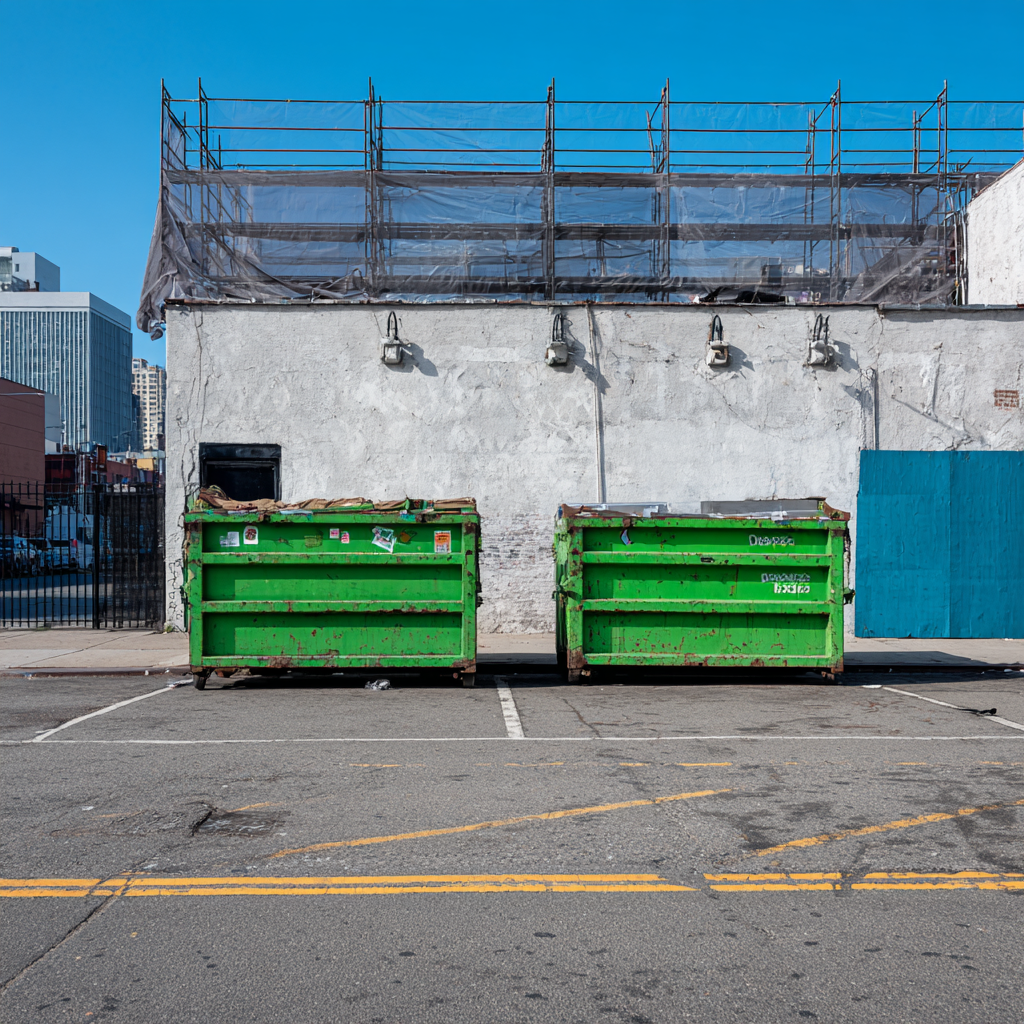
Your event’s cleanup efficiency hinges on matching the right rental dumpster to your expected debris output. If your project is in New York, you can check local sizes, pricing and availability on our dumpster rental in New York page.
Think about your total trash volume and the physical space you have available. Getting this match wrong can lead to overflow or wasted rental fees.
Comparing 10-Yard, 15-Yard, 20-Yard, 30-Yard, and 40-Yard Options
Common dumpster sizes rented for gatherings range from compact 10-yard units to massive 40-yard containers. Their physical footprints and best uses vary widely.
| Size (Yards) | Approximate Dimensions (W x H x L) | Best For | Tips for Success |
| 10-Yard Dumpsters | 8 ft x 3.5 ft x 11 ft | Intimate rooftop parties, small corporate gatherings with under 100 people. | Most compact option. Fits tight Manhattan staging areas and narrow access points. |
| 15-Yard Dumpsters | 8 ft x 4 ft x 12 ft | Small street fairs, community functions with 500-1,000 people. | Great for limited food service. Easy to place in tight spots. |
| 20-Yard Dumpsters | 8 ft x 4 ft x 22 ft | Medium concerts, single-day festivals, sporting events. | The sweet spot for many NYC gatherings. Fits most venues. |
| 30-Yard Dumpsters | 8 ft x 6 ft x 22 ft | Large multi-day music festivals, major outdoor celebrations. | Needs ample staging area. Check overhead clearances. |
| 40-Yard Dumpsters | 8 ft x 8 ft x 22 ft | Massive festivals, city-wide celebrations, major construction cleanup after setup/teardown. | Largest capacity available. Requires significant space and wide truck access for delivery. |
This table gives you a quick visual guide. The 20-yard option often provides the best balance of volume and manageable size for most NYC events. Smaller 10-yard containers work perfectly for intimate gatherings in space-constrained Manhattan locations. The 40-yard units handle only the largest citywide celebrations where waste volume justifies the substantial footprint.
Optimizing Load Limits and Space Requirements
Capacity is not just about volume. You must also consider weight limits.
Wet materials or heavy beverage service can max out the load fast. Never fill past the top rail.
Overloaded dumpsters cannot be hauled away. You will face extra fees.
Remember, delivery trucks need about 12 feet of width clearance. Measure your site before booking.
Smart placement considers both the container’s footprint and the truck’s access needs.
Planning for Street, Festival, and Concert Events
For festival planners, managing waste is as critical as booking talent. Each type of gathering, from a block party in Astoria to a concert in Central Park, has its own cleanup rhythm.
You need a strategy that fits the location and the crowd.
Special Considerations for Outdoor Venues
Outdoor spaces bring unpredictable factors. A summer thunderstorm can soak your debris pile in minutes.
This adds significant weight to your containers. You might need extra pickups beyond your original plan.
Placement is everything. On Fifth Avenue, bins must allow vendor access without blocking pedestrians.
At a Brooklyn warehouse show, put containers near concession zones where trash builds up fast. Always keep emergency routes clear.
Coordinate after-hours pickup services for evening events that run late. This avoids violating venue curfews.
Managing Debris during Multi-Day Festivals
Waste accumulates day by day. A single container often can’t handle a three-day project.
Plan for mid-event pickups to prevent overflow. Your rental typically includes one haul.
If a container fills up, your provider can swap it for an empty one. This keeps disposal uninterrupted.
Place bins near high-traffic spots like food courts and beer gardens. It encourages proper use and eases the final cleanup.
Budget for potential extra hauls if your crowd is bigger than expected. Keep timeframes flexible and call your provider if your project runs long.
A good plan keeps the site clean and safe for the entire run.
NYC Dumpster Permit Requirements
The NYC Department of Transportation handles all dumpster permits across the five boroughs through a centralized system. You need a permit whenever your container sits on city streets or sidewalks. No permit is required if the dumpster stays entirely on private property like your driveway or parking lot.
Two permit types serve different needs. Commercial Refuse Container permits allow placement for up to five consecutive days. Construction Debris Container permits cover 30 to 90 days but are only available to registered general contractors with active DOB or DOT construction permits. The carting company or registered general contractor must obtain the permit—individual homeowners and business owners cannot apply directly. Key details include:
- Apply through the NYC DOT Container Permits page
- Review general requirements at NYC311 Dumpster Permit Guide
- Permits do not carry parking privileges or reserve curb space
- Each permit covers one container at a specific location
- System automatically flags conflicts with special events or scheduled construction
The online application system operates 24/7, and approved permits are typically issued the same business day or by the next business day.
Local Factors Impacting Dumpster Rental in NYC
Local rules, weather, and traffic patterns form the invisible framework for any large gathering’s cleanup plan.
You must navigate these factors to keep your project on track.
Each borough has its own specifics that you might need to contend with. For example, placement in Manhattan could involve community board reviews, while that might not be necessary in Queens.
However, the same request in Queens might be simpler. Always check with local authorities first.
Weather, Traffic, and Event Timings Effects
Summer heat waves in the city accelerate waste decomposition. Plan for more frequent pickups to control odor.
Winter brings snow that can block container access. Freezing temps may delay service during major storms.
NYC traffic heavily impacts delivery and pickup times. Schedule service for early morning or late evening to avoid rush hour gridlock.
Noise ordinances in residential areas restrict early or late hauls. Coordinate with your provider to find the right time window.
Tips for Efficient Waste Disposal and Management
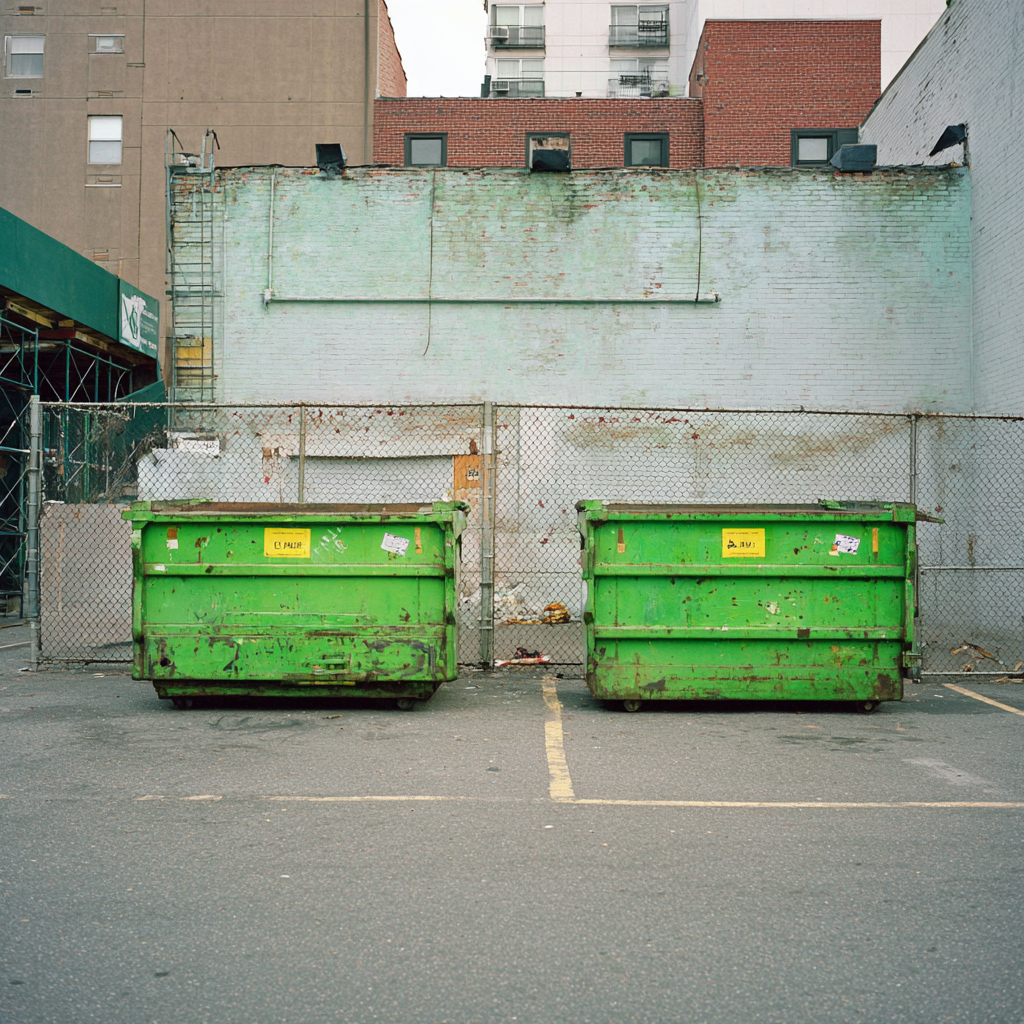
A smooth post-event breakdown relies on smart waste handling from the start. We have practical steps to keep your site clean and costs controlled.
Strategies for Quick Cleanups
First, know what goes where. Separating recyclables from general trash can lower your fees. Communicate this plan to your entire team.
| Waste Type | General Disposal? | Recycling Potential | Pro Tip |
| Food Waste | Yes | Compost | Keep separate from dry items to reduce odor and weight. |
| Paper & Cardboard | Yes | High | Flatten boxes to save massive space in your containers. |
| Plastic & Packaging | Yes | High | Diverting these materials may cut your disposal bill. |
| Yard Waste | Yes | Green Waste | Often requires a separate stream; check with your provider. |
Assign specific team members as waste coordinators. Their job is to watch fill levels and call for pickups if needed.
Set up clearly marked recycling stations next to every general trash bin. This simple step diverts materials and can save your business money.
Brief all vendors and staff on acceptable items before the action starts. It prevents confusion during the hectic cleanup phase.
Position your containers to minimize haul distance for cleanup crews. This reduces labor time and fatigue.
Monitor the load during multi-day projects. Do not hesitate to request an extra pickup if debris piles up faster than planned.
Keep your provider’s contact info handy for your on-site team. Quick communication solves unexpected issues without disrupting operations.
Integrating Dumpster Rental into Event Planning Logistics
Waste management must be part of your planning from day one, not an afterthought. Schedule container delivery at least 24 hours before setup begins to account for NYC traffic delays. Coordinate with venue managers on designated placement areas that meet operational needs and venue rules.
Communicate container locations to all staff and vendors during pre-event briefings. Plan pickup timing around your teardown schedule so containers stay until cleanup finishes, but leave promptly to avoid extra charges. Flexible rental periods accommodate changes if your project runs long.
| Task | Timeline | Responsible Party | Notes |
| Integrate waste management into master timeline | During initial planning | Event Planner | Align with catering and setup |
| Schedule container delivery | 24+ hours before setup | Logistics Coordinator | Account for traffic delays |
| Coordinate placement with venue | 1-2 weeks before event | Venue Manager | Ensure access and compliance |
| Communicate locations to team | Pre-event briefing | Staff Lead | Use maps or diagrams |
| Plan pickup timing | Post-teardown | Cleanup Crew | Avoid rental overages |
Your New York Event Waste Management Partner
Effective dumpster rentals for events in New York require advance booking, especially during peak season when construction and event demand stretches inventory. Calculate container needs based on attendance and food service volume. Schedule delivery 24 hours before setup begins. Coordinate pickup timing with your teardown schedule to avoid extra charges.
Event professionals who separate recyclables, position containers near high-traffic zones, and maintain clear communication with providers run cleaner operations. Contact us to discuss your NYC event requirements and secure roll-off containers that handle five-borough logistics, meet venue regulations, and support efficient waste management across all gathering types.
If you are looking for Guide to Dumpster Rental for Contractors in Helena, Montana 59601, Click Here
Recent Posts


Follow Us
Have any questions?
+1 844 853 3867
Give us a call today so we can help you find the right waste & sanitation solution for
your project!
Contact Us