
Mon - Sat 7:00 am to 7:00 pm
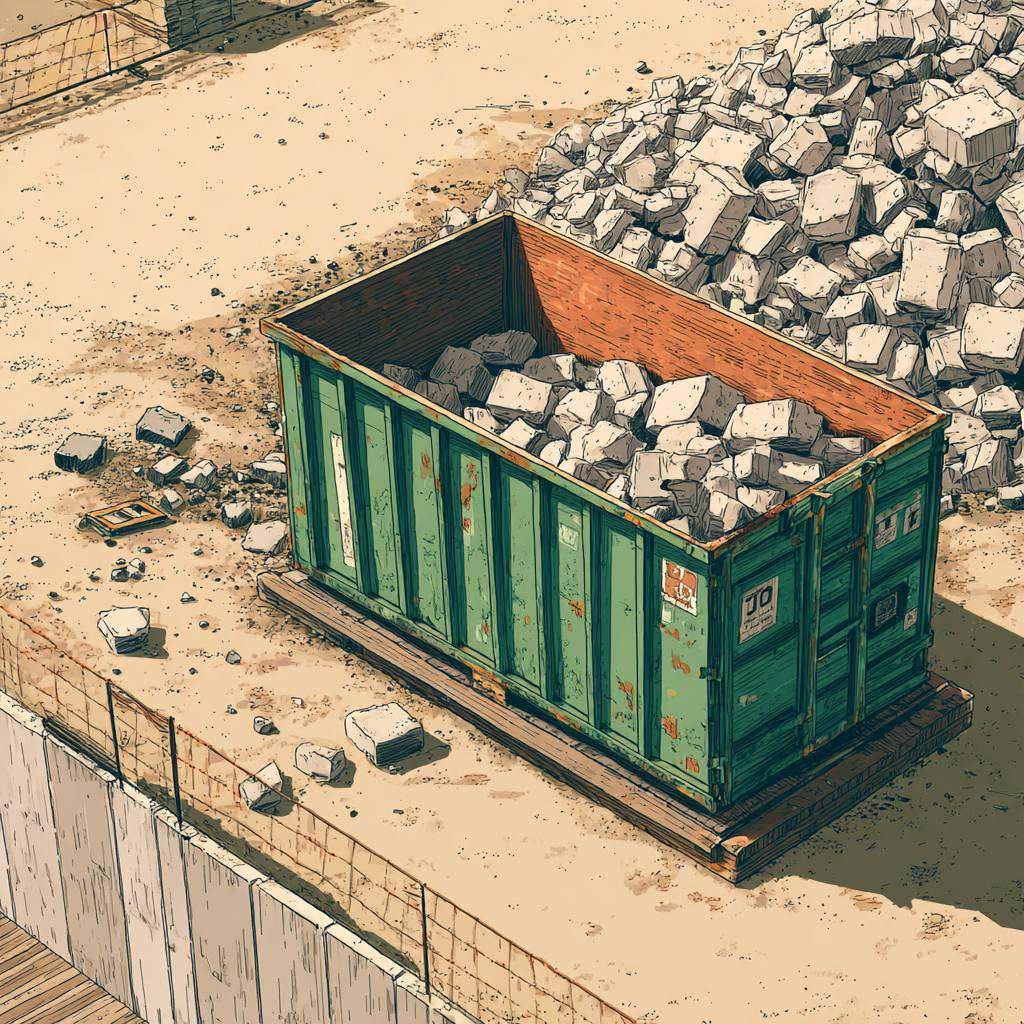
Dumpsters for Concrete: Complete Guide for Contractors, Construction Pros & Homeowners
Concrete disposal presents challenges that most other construction materials don’t — the weight alone changes how you plan, what size container you need, and how you manage a jobsite cleanup. Whether you’re breaking up a driveway, removing a foundation, or demolishing a retaining wall, having the right container and a clear disposal strategy makes the difference between a smooth project and costly surprises.
At Prime Dumpster, we put together this guide to dumpsters for concrete to help contractors and homeowners navigate sizing, weight limits, permits, and best practices for safe, efficient disposal. Read on to find the right rental approach for your project, then contact our team for a quote or to confirm availability in your area.
Fast Facts: Dumpsters for Concrete
We asked our Prime Dumpster Pros for answers to the most common questions about renting a dumpster for concrete disposal.
Why can’t I use a larger dumpster for concrete?
“Concrete weighs roughly 4,000 pounds per cubic yard, which means even a partially filled 20- or 30-yard container can blow past the weight limit before you’ve made a dent in the load. The 10-yard dumpster is the standard choice for concrete because its capacity aligns with what the container can safely hold and transport — for bigger jobs, you schedule multiple pickups rather than upsizing.”
How do I estimate how much concrete I need to dispose of?
“The formula is straightforward: multiply length by width by thickness in feet, then divide by 27 to get cubic yards. A 10-by-10 slab at four inches thick comes out to just over one cubic yard, so most residential concrete projects fit comfortably in a single 10-yard rental — larger demolition jobs just need multiple containers or scheduled pickups planned into the project timeline.”
Can I mix concrete with other debris in the same dumpster?
“Mixing concrete with lighter materials like drywall or lumber might seem efficient, but it creates weight distribution problems and can push the load over the limit faster than you’d expect. Keep concrete in its own dedicated container and use a separate dumpster for other jobsite waste — it also makes recycling easier, which can lower your overall disposal costs.”
Do I need a permit to rent a dumpster for a concrete project?
“Permit requirements depend entirely on where the container is being placed — a dumpster sitting in your own driveway typically doesn’t require a permit, but placing one on a public street or sidewalk usually does. Check with your local public works department or municipality before scheduling delivery, because the rules vary significantly by city and county and the fines for non-compliance aren’t worth the risk.”

Sizes and Capacity
For concrete disposal, the 10-yard dumpster is typically the only practical option. Concrete weighs roughly 4,000 pounds per cubic yard, meaning even a partially filled larger container can exceed weight limits and result in overage fees or rejected loads. For larger jobs, scheduling multiple 10-yard rentals or pickups is the standard approach rather than upsizing the container.
Construction projects often require more than one container type. While concrete is restricted to the 10-yard size, larger dumpsters are commonly used on the same jobsite for lighter demolition debris, lumber, drywall, and other materials generated during a build or renovation.
| Dumpster Size | Dimensions | Capacity (approx.) | Common Materials |
| 10-yard dumpster | ~12′ L x 8′ W x 3′ H | ~10 cubic yards | Concrete, brick, asphalt, tile, heavy masonry |
| 15-yard dumpster | ~16′ L x 8′ W x 4′ H | ~15 cubic yards | Roofing shingles, mixed light demolition debris, smaller renovation projects |
| 20-yard dumpster | ~22′ L x 8′ W x 4′ H | ~20 cubic yards | Drywall, lumber, roofing shingles, mixed renovation debris |
| 30-yard dumpster | ~22′ L x 8′ W x 6′ H | ~30 cubic yards | Flooring, cabinets, fixtures, bulky demolition debris |
| 40-yard dumpster | ~22′ L x 8′ W x 8′ H | ~40 cubic yards | Large commercial cleanouts, framing waste, extensive demolition projects |
Always confirm weight limits and availability with your rental provider when requesting a quote for concrete disposal.
Can I Mix Concrete in a Dumpster with Other Materials?
Mixing concrete with other materials in the same dumpster is generally not recommended. Because concrete is so heavy, combining it with other debris — even lighter materials like drywall or lumber — can push the total load over the container’s weight limit quickly and result in overage fees or a rejected pickup.
The safest approach is to keep concrete in a dedicated 10-yard container and use a separate dumpster for other jobsite waste. This also makes it easier to separate recyclable concrete from general debris, which can reduce disposal costs and support recycling efforts.
- Keep concrete and heavy masonry in the 10-yard container, separate from lighter materials like wood, drywall, and roofing debris
- Never mix concrete with hazardous materials such as asbestos, chemicals, or painted demolition debris, as this can complicate disposal and trigger regulatory issues
- If rebar or metal is embedded in your concrete, check with your provider about whether it needs to be separated before loading, as some facilities handle it differently
When in doubt about what you can throw away on a construction site, contact your rental provider before loading mixed materials. A quick call to confirm what’s allowed can save you from surprise fees, rejected loads, or compliance problems down the road.

Finding the Right Dumpster Size for Your Concrete Project
For concrete disposal, the 10-yard container is the right choice in nearly every case. Because concrete is one of the heaviest construction materials, larger containers reach their weight limits well before they fill to capacity. The three factors below will help you plan your rental around that constraint.
The Amount of Concrete Waste Generated
Estimate volume in cubic yards using this formula: (length × width × thickness in feet) ÷ 27 = cubic yards. For example, a 10′ × 10′ slab at 4″ thick is 10 × 10 × 0.333 ÷ 27 ≈ 1.23 cubic yards. For larger slab removals that exceed a single 10-yard container, plan for multiple rentals or scheduled pickups rather than moving to a larger size.
The Duration of Your Project
Short jobs may only need a single 10-yard container and one pickup. Long-term or phased projects benefit from scheduling repeat rentals at regular intervals to keep the site clear without overfilling. Factor in how quickly debris accumulates when comparing pricing and service options.
Space Limitations
Measure the delivery area — driveway width, overhead clearance, and any tight turns — to ensure the container and delivery truck can access the site. If space is limited, ask the rental company about alternate placement or delivery options.
What’s the Difference Between a Construction Dumpster and a Regular Dumpster?
The terms “construction dumpster” and “regular dumpster” are mostly informal labels for two different container types rather than official industry classifications. A construction dumpster typically refers to a roll-off dumpster — the large, open-top containers that get dropped off and picked up by a specialized truck. These range from 10 to 40 yards and are designed to handle the heavy, bulky debris generated by construction, demolition, and renovation projects.
A “regular dumpster” usually refers to a commercial front-load dumpster — the smaller, enclosed containers commonly found behind retail stores, restaurants, and office buildings. These are serviced on a regular schedule by a garbage truck and are designed for everyday waste like packaging, food waste, and general trash.
Commercial dumpsters are not suitable for heavy construction debris like concrete, brick, or asphalt. The weight alone would exceed their capacity, and the materials aren’t appropriate for standard municipal waste streams. For any project involving concrete disposal, a roll-off construction dumpster — specifically a 10-yard container — is the right tool for the job.
Tips for Efficient Concrete Waste Disposal
Using the right techniques for concrete disposal saves time and money, reduces environmental impact, and helps keep your construction site safe. Follow these practical tips to make concrete removal and recycling easier.
1. Load Your Dumpster Correctly
Break large concrete pieces into smaller chunks before loading to maximize space and reduce uneven weight. Distribute heavy materials across the dumpster floor rather than piling in one spot to avoid over-limit weight on one side. Use proper tools (sledgehammer, jackhammer, wheelbarrow) and PPE (gloves, eye protection, boots) when handling debris.
Tip: place heavier pieces on the bottom and flatter pieces on top to improve stability and allow more cubic yards of material in the container.
2. Separate Recyclable Materials
Concrete waste often contains reusable components like rebar and crushed concrete. Separate metal and other recyclables before loading the concrete dumpster — recycled concrete can be crushed and used in road base or new mixes. Check local recycling centers and ask your dumpster service whether they offer recycling or demolition debris processing.
If you find rebar, cut and bundle it for scrap recycling—this reduces weight and may lower disposal fees.
3. Comply with Local Regulations
Concrete disposal rules vary by location. Check your city or county environmental agency or public works site for specific requirements and permit info. Failure to follow local disposal rules can result in fines or rejected loads. When in doubt, ask your dumpster rental provider about permitted materials and disposal procedures.
Quick action: search “[your city] concrete disposal regulations” or contact your local solid waste office to confirm rules before you schedule pickup.
Renting a Dumpster for Concrete: Step-by-Step Guide
Renting the right dumpster makes concrete disposal straightforward. Follow these steps and use the checklist questions to get accurate quotes, avoid surprises, and keep your project on schedule.
1. Determine Your Concrete Disposal Needs
Estimate your volume in cubic yards (length × width × thickness ÷ 27) and keep weight in mind — concrete runs roughly 4,000 pounds per cubic yard, which means the 10-yard container is the standard choice for concrete disposal regardless of project size. For larger jobs, plan on multiple rentals or scheduled pickups rather than requesting a bigger container.
2. Research Reputable Dumpster Rental Providers
Look for providers with experience handling concrete dumpsters and heavy debris. Check reviews, confirm they offer the container sizes you need (yard dumpster options), and verify they provide delivery and pickup services in your area.
3. Request Quotes and Compare Prices
When you request a dumpster rental quote, provide: size (cubic yards), estimated weight, project timeline, delivery location (driveway/access), and whether recyclables will be separated. Compare base prices, delivery fees, pickup fees, over-limit weight fees, and recycling or disposal charges.
Sample questions to ask: “What is the weight limit for a 20-yard concrete dumpster? Are delivery and pickup included? What are overage fees?”
4. Check Local Regulations and Permits
Some cities require permits for placing dumpsters on public streets or restrict where waste can be disposed. Search your municipality’s website or call the local public works department to confirm permit rules before scheduling delivery.
5. Reserve Your Dumpster
Once you choose a provider, reserve the container and confirm delivery date, pickup window, and any special instructions. Provide an accurate delivery address and mention driveway or access restrictions to avoid delays.
6. Prepare the Delivery Area
Clear the placement area, remove obstacles, and protect surfaces (use plywood on lawns or driveways if needed). Confirm access for the delivery truck and ensure overhead clearance for boom trucks if present.
7. Use the Dumpster Correctly
Load evenly, avoid overfilling, and follow the provider’s weight limits. Keep recyclable materials separated if agreed, and never place hazardous materials in the dumpster. If you expect heavy materials, confirm the weight limit to avoid surprise fees.
8. Schedule Pickup
When ready, call to schedule pickup and confirm the truck can access the site. Clear the area and remove temporary obstructions so pickup goes smoothly and on time.
Following these steps—estimate needs, compare dumpster rental quotes, confirm permits and weight limits, prepare the site, and schedule delivery and pickup—answers the common question, “How do I find concrete disposal near me?”

Benefits of Using Dumpsters for Concrete Waste Management
Using roll-off and yard dumpsters for concrete and demolition debris delivers clear advantages on construction sites. These containers are made to handle heavy materials and abrasive debris, helping teams manage waste safely, efficiently, and in line with local disposal rules.
Enhanced Site Safety
A designated concrete dumpster keeps rubble off walkways and work areas, reducing trip hazards and improving overall jobsite safety. That containment also protects landscaping and driveways from damage during heavy-materials removal.
Increased Productivity
Centralizing debris in a concrete dumpster speeds cleanup and reduces downtime. For larger jobs, scheduling multiple 10-yard pickups at regular intervals keeps the workflow steady without the risk of overweight loads or rejected containers.
Environmentally Friendly
When separated and processed properly, concrete can be crushed and reused for road base, backfill, or new mixes, reducing landfill volume and raw-material demand. Ask your dumpster service about recycling options and local facilities that accept crushed concrete to maximize sustainability.
Cost Savings
A dedicated concrete dumpster can lower disposal costs by consolidating loads and reducing the number of trips required for removal. Confirm pricing and potential recycling credits with your provider to see where you can save on disposal fees.
Practical tip: to boost productivity and reduce costs, keep a concrete dumpster on-site during active demolition, schedule pickups at predictable intervals, and separate recyclable materials before loading.
Choose Prime Dumpster for the Best Concrete Dumpster Solutions
Keeping concrete debris and heavy materials under control is easier with the right dumpster and partner. Follow the simple steps—estimate volume, confirm size and weight limits, reserve delivery—and Prime Dumpster can support your project from start to finish. For dumpster rental, services, or questions about concrete removal, recycling, or permits, contact Prime Dumpster to get a quote, check availability in your area, and confirm pricing and weight limits for concrete dumpsters. Whether you’re working on a home project, demolition, or a larger construction job, Prime Dumpster can help match the right container to your needs.
If you are looking for How to Open a Dumpster Door, Click Here
Recent Posts


Follow Us
Have any questions?
+1 844 853 3867
Give us a call today so we can help you find the right waste & sanitation solution for
your project!
Contact Us