
Mon - Sat 7:00 am to 7:00 pm

Porta Potty Hygiene Tips for Construction Workers
Construction workers rely on porta potties more often and under tougher conditions than most people. Dust, concrete residue, grease, and heavy PPE all make basic hygiene harder to manage, and a poorly maintained unit can turn a quick break into an unpleasant experience.
The good news is that a few simple habits make a real difference. This guide from Prime Dumpster covers practical porta potty hygiene tips for construction workers, from personal hygiene kits and PPE management to seasonal challenges and what to check before you step inside.
Fast Facts: Porta Potty Hygiene Tips for Construction Workers
“The workers who stay cleanest on site are the ones who treat it like any other part of their routine. Keep a small kit in your bag, wash your hands before you eat, and don’t skip the sanitizer just because you’re wearing gloves,” says a Prime Dumpster Pro. Planning for a site in South Dakota? Our porta potty rental in South Dakota page covers local units, availability and pricing.
| Porta Potty Type | Typical Construction Use | Hygiene Tips |
| Standard Unit | General use across most job sites | Carry your own sanitizer and wipes since built-in dispensers run low on busy sites |
| Deluxe with Sink | Sites with food service areas or strict hygiene requirements | Use the built-in sink with soap rather than relying on hand sanitizer alone |
| ADA Handicap Unit | Sites with accessibility requirements; also useful for workers carrying bulky gear | Extra interior space makes it easier to manage PPE without touching contaminated surfaces |
| Crane Lift Unit | High-rise and multi-story construction | Units on upper floors see less servicing traffic; bring extra supplies and report issues promptly |
| Towable Unit | Pipeline work, roving crews, large spread-out sites | Moves with the crew, so usage is concentrated; wipe down high-touch surfaces before use |
OSHA requires a minimum of 1 toilet per 20 workers on site, with units placed within a 10-minute walk of all work areas. For a full breakdown of worker-to-unit ratios, placement rules, and compliance requirements, see our guide to OSHA porta potty rules for construction.
For additional planning resources, unit comparisons, and rental guidance, visit our porta potty resources hub.
Personal Hygiene on the Job Site
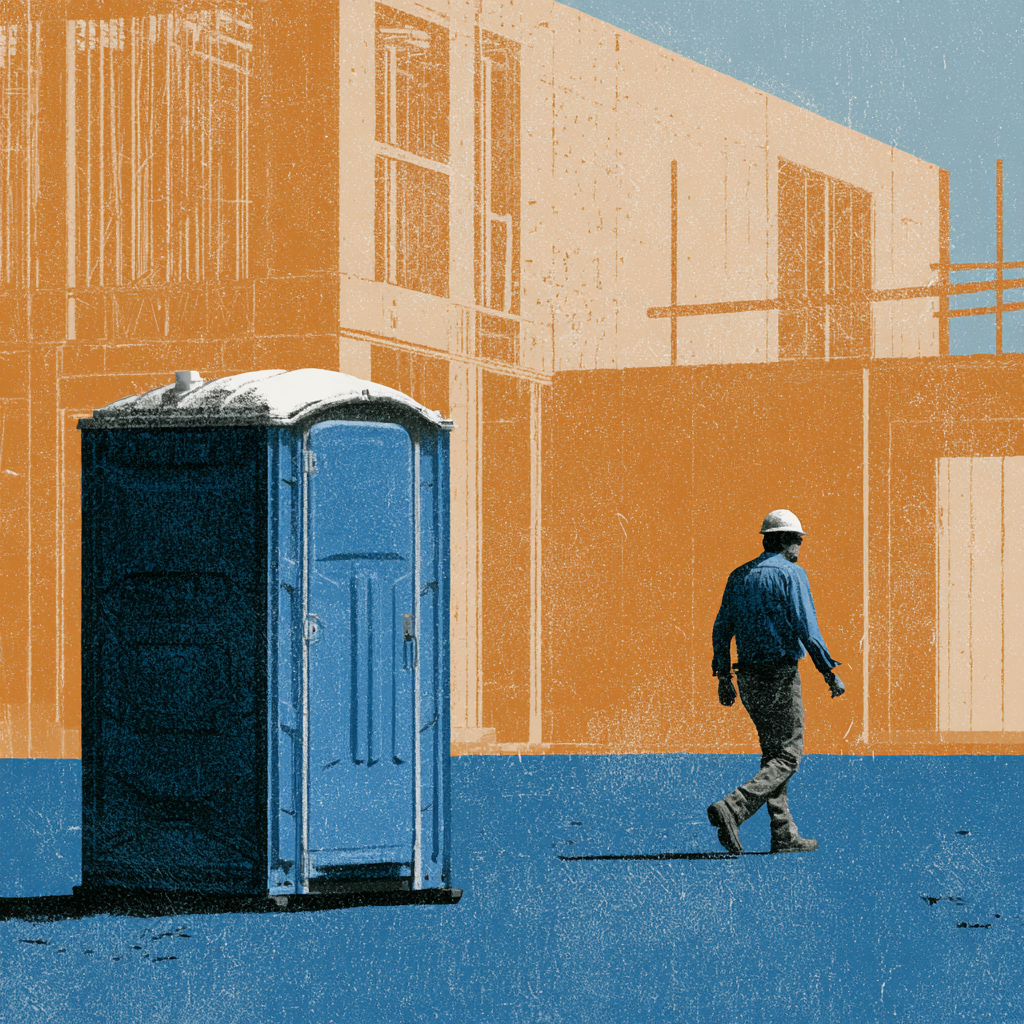
The basics of staying clean on a construction site come down to preparation and consistency.
Build a small personal hygiene kit and keep it in your work bag or vehicle. The essentials are a travel-size hand sanitizer with at least 60% alcohol, a pack of disinfectant wipes, a small roll of toilet paper, and a sealable plastic bag for used wipes. Having your own supplies means you’re never caught off guard by an empty dispenser.
Hand hygiene is the single most important habit. Use sanitizer or wash your hands after every restroom visit, but also before eating, drinking, or touching your face. On a dusty or chemical-heavy site, this step matters more than it does in a typical office setting.
Practice the no-touch technique inside the unit. Use toilet paper or a wipe to handle door locks, seat surfaces, and sanitizer pumps. It takes a few extra seconds and keeps your hands cleaner between washes.
Clean up after yourself. A quick wipe of the seat and making sure the door latches properly behind you keeps the unit in better shape for the next person. Small habits compound across a full crew over the course of a workday.
What to Check Before You Step Inside
A 5-second visual check before entering saves you from walking into a problem.
Look at the unit from outside first. Check that it’s sitting level and stable on the ground. A unit that’s leaning, rocking, or sitting in standing water is a safety issue, not just an inconvenience. Check the door latch to make sure it locks and unlocks properly.
Once inside, glance at the basics. Is there toilet paper? Is the sanitizer dispenser functional? Does anything look damaged, leaking, or unusually dirty? If a unit is clearly out of supplies or in poor condition, back out and use a different one.
Report problems to your supervisor or site foreman immediately. Units that go unreported stay out of service longer and push more traffic to the remaining units, which accelerates wear on those too. A quick heads-up keeps the whole site running better.
Managing PPE and Restroom Hygiene
Construction PPE adds a layer of complexity that most hygiene guides don’t address.
Remove work gloves before entering the unit. Gloves that have been handling concrete, treated lumber, solvents, or metal carry residue that transfers to every surface you touch inside. Set them somewhere clean outside the unit or tuck them into a pocket. If you handle them with bare hands afterward, sanitize again.
Dust and debris are harder to avoid. If you’ve been cutting, grinding, or working in a dusty area, your clothing and exposed skin carry particulate that ends up on restroom surfaces. A quick brush-off before entering reduces what you bring inside. Some workers keep a separate pair of lighter gloves in their kit for restroom use only.
High-visibility vests, harnesses, and tool belts create tight quarters inside a standard unit. Take a moment to adjust before entering rather than wrestling with gear inside. If bulky equipment is a regular issue, ask your supervisor about the availability of larger ADA-compliant units, which offer significantly more interior space.
Hot Weather Hygiene
Summer heat changes the equation inside a porta potty. Higher temperatures accelerate bacterial growth, intensify odors, and make the interior uncomfortable. Units in direct sunlight can reach temperatures well above the ambient air.
Increased water intake during hot weather means more frequent restroom visits across the crew, which means units fill faster and supplies deplete sooner. On high-heat days, check supply levels before you go in and flag empty units early so they get serviced before conditions deteriorate.
Carry extra wipes during summer months. Sweat on hands and skin makes it harder to get a clean grip on surfaces, and standard hand sanitizer is less effective on visibly dirty or wet hands. A wipe first, then sanitizer, gives you a better result.
Cold Weather Considerations
Winter brings its own set of challenges. Hand sanitizer with a high alcohol content can freeze or thicken in extreme cold, making dispensers unreliable. Carrying a small bottle in an interior pocket keeps it at a usable temperature.
Layered clothing and bulky winter gear make maneuvering inside a standard unit more difficult. Unzip and adjust layers before stepping inside to avoid unnecessary contact with interior surfaces. Glove management matters here too — switching from insulated work gloves to the unit’s interior and back creates more opportunities for cross-contamination if you’re not deliberate about it.
Reduced ventilation in cold weather can make odors more noticeable since units are often kept more sealed to retain warmth. If ventilation flaps or vents are adjustable, open them when you’re inside and close them when you leave.
Strategic Placement and Accessibility
Where a porta potty sits on site affects more than convenience. It shapes how comfortable and hygienic the experience actually is for the workers using it.
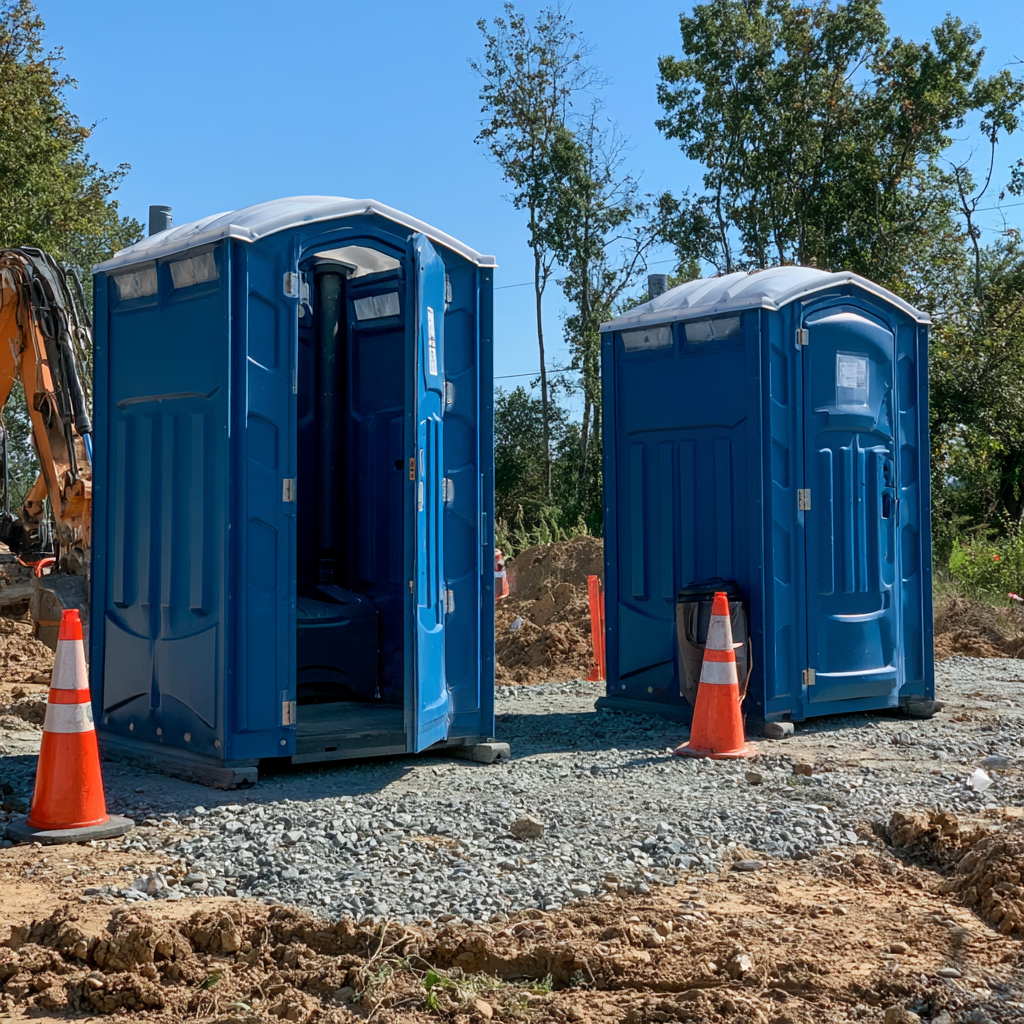
Ground stability matters. A wobbly, unlevel unit is a safety hazard. Avoid areas that flood or turn to mud, and make sure the surface can support both the unit and service vehicle access.
Good lighting makes a difference for comfort and safety, especially on night shifts when a poorly lit unit becomes a real deterrent to use. If your site runs after dark and the units aren’t well lit, raise the issue.
Privacy screens or fencing around units add a layer of comfort that workers notice, particularly on sites where units sit in view of public streets or neighboring properties. Keeping units away from food and break areas rounds out the basics, protecting both hygiene and appetite.
What Site Managers Can Do
Individual workers can control their own habits, but site managers control the factors that make those habits easier or harder to maintain. Unit counts, servicing frequency, supply restocking, and placement decisions all fall on the management side.
If you’re a site manager looking for guidance on planning and maintaining portable restrooms, our guide to porta potty hygiene tips for events covers unit ratios, servicing schedules, and sanitization protocols that apply to construction sites as well. For additional personal hygiene guidance to share with your crew, see our tips for guys and women on the job site.
Keeping It Clean on the Job Site
A few consistent habits go a long way toward making porta potty breaks on construction sites cleaner and more comfortable. Carry your own supplies, manage your PPE transitions deliberately, and report problems when you see them. The workers who treat restroom hygiene as part of their routine are the ones who rarely have a bad experience.
Contact our team at Prime Dumpster for construction site porta potty rentals, including standard units, ADA-compliant facilities, crane lift units, and scheduled servicing plans.
If you are looking for Porta Potty Hygiene Tips for Guys, Click Here
Recent Posts


Follow Us
Have any questions?
+1 844 853 3867
Give us a call today so we can help you find the right waste & sanitation solution for
your project!
Contact Us