
Mon - Sat 7:00 am to 7:00 pm
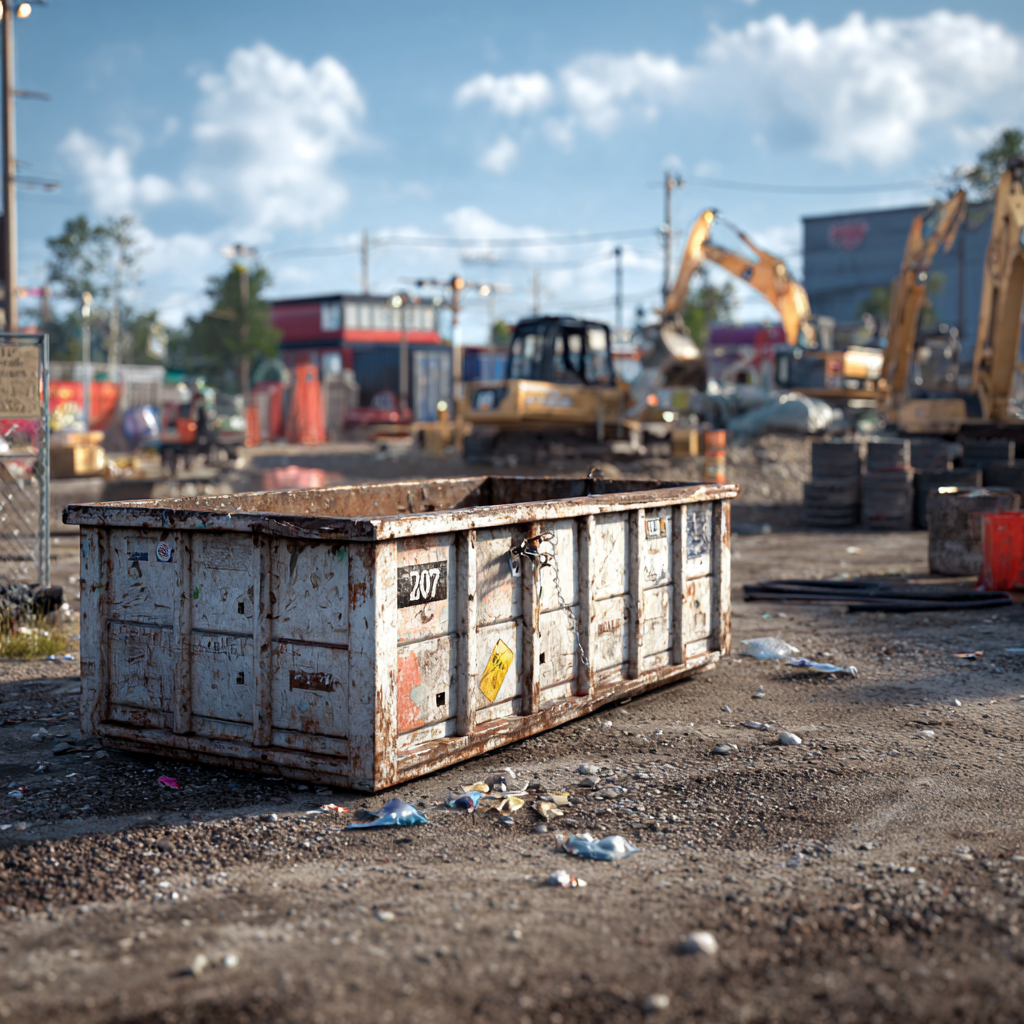
Construction Dumpster Rental in Redmond, OR: Guide for Construction Professionals and Contractors
Construction sites across Central Oregon generate debris that overwhelms standard waste pickup and creates safety hazards when materials pile up uncontrolled. From commercial builds near Redmond Airport to residential projects in Juniper Ridge, construction dumpster rental in Redmond, OR requires understanding container sizing, local regulations, and placement strategies that keep high desert jobsites running efficiently.
At Prime Dumpster, we’ve coordinated waste management for construction projects throughout the Redmond area, from downtown renovations to rural developments near Terrebonne and Sisters. Our guide to construction dumpster rental in Redmond OR covers container selection, debris estimation techniques, local considerations and more.
Fast Facts About Construction Dumpster Rental
“Are you a construction professional working in Central Oregon?” asked the Prime Dumpster Pro. “Here are the answers to the most common concerns we hear from contractors managing projects throughout the Redmond area.”
What container size works best for framing a new home?
A 30-yard or 40-yard dumpster handles lumber scraps, packaging materials, and cut-offs from typical residential framing projects. The larger capacity prevents mid-project swaps that disrupt work flow.
How does high desert weather affect container placement?
Central Oregon’s intense sun can soften asphalt during summer months, requiring plywood protection under containers. Winter snow accumulation needs clearing around units to maintain safe loading access for crews.
Can I dispose of old roofing materials in construction dumpsters?
Yes, asphalt shingles are accepted but reach weight limits quickly due to their density. Use a 20-yard container maximum for roof tear-offs to avoid tonnage overage charges.
What permit requirements apply to street placement?
City of Redmond requires permits for containers on public streets or right-of-way areas. Private property placement within your construction site boundaries typically doesn’t need permits.
How far in advance should I schedule delivery during peak building season?
Book containers two to three weeks ahead during April through September when construction activity peaks. Last-minute requests may face limited availability or delivery delays.
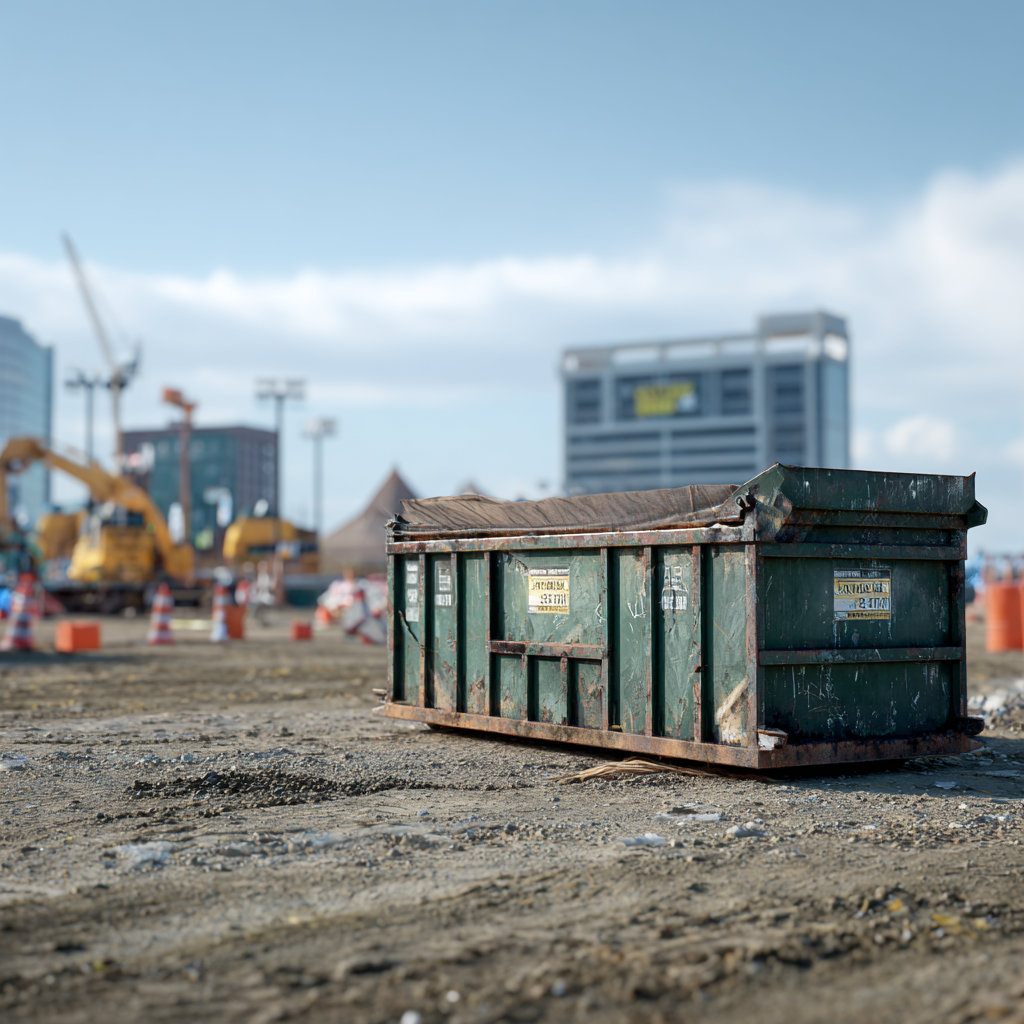
Construction Dumpster Sizes and Capacities
Roll-off containers for rent come in five standard sizes from 10 to 40 cubic yards. Each option serves different waste volumes you’ll encounter.
Think of cubic yard measurements practically. A 20-yard unit holds about six pickup truck loads. This helps estimate your debris generation accurately.
| Container Size | Dimensions | Capacity Reference | Best For |
| 10-yard dumpster | 12′ x 8′ x 3.5′ | 3 truck loads | Small renovations, heavy debris |
| 15-yard dumpster | 16′ x 8′ x 4′ | 4-5 truck loads | Kitchen remodels, flooring projects |
| 20-yard dumpster | 22′ x 8′ x 4′ | 6 truck loads | Mid-sized projects |
| 30-yard dumpster | 22′ x 8′ x 6′ | 9 truck loads | Major demolition |
| 40-yard dumpster | 22′ x 8′ x 8′ | 12 truck loads | New construction |
Assessing Debris Volume and Material Types
Start by walking your project site before ordering. Mentally categorize waste into groups like wood, drywall, and concrete.
Different materials behave differently in containers. Heavy items like brick fill weight limits quickly. Light but bulky materials like lumber consume space instead.
| Material Type | Density Factor | Space Efficiency | Special Considerations |
| Concrete/Brick | High | Poor | Weight limits reached first |
| Lumber/Wood | Medium | Fair | Irregular stacking |
| Drywall | Low | Good | Breaks into smaller pieces |
| Roofing Shingles | Medium-High | Poor | Deceptively large volume |
| Mixed Debris | Variable | Poor | Add 15-20% cushion |
For renovation work, inspect hidden areas. Old insulation or multiple flooring layers can surprise you. Always add a buffer to your estimates.
Consider your timeline, too. A longer project might work better with smaller, swapped containers rather than one giant unit.
What to Consider in Dumpster Rental
What appears to be the cheapest option can quickly become the most expensive. Understanding the full pricing structure helps you avoid budget surprises.
Base rates typically include delivery, pickup, and disposal for a set period. However, additional fees can significantly increase your total cost.
| Fee Type | Typical Trigger | Prevention Tips |
| Overage Charges | Exceeding weight limits | Estimate material density accurately |
| Extended Rental | Keeping unit beyond agreed time | Build schedule buffer into plan |
| Prohibited Items | Hazardous materials disposal | Review restricted items list |
| Special Access | Difficult placement locations | Clear pathway before delivery |
Weight Limits and Overage Fees
Most containers include one to three tons of disposal weight in the base price. Exceeding this limit triggers per-ton charges. Request a detailed breakdown showing exactly what weight allowance comes with your quoted rate.
Planning Rental Duration Strategically
Standard rental periods run five to seven days for construction projects. Coordinate your delivery date with actual demolition start rather than project kickoff. This prevents paying for empty containers sitting idle while you complete prep work.
Verifying Prohibited Items Before Loading
Oregon disposal facilities reject loads containing paint, solvents, asbestos, and petroleum products. Electronic waste and appliances with refrigerants require separate recycling channels. Tires also need alternative disposal arrangements.
Create designated staging areas on-site for banned materials during demolition. Schedule pickup through appropriate disposal channels before your container leaves the job site.
Contaminated loads face rejection at transfer stations halting your project timeline. Facilities assess sorting fees and penalties for mixed loads. Verify acceptance policies with your provider during booking to avoid expensive delays.
Evaluating Provider Reliability and Support
Delivery delays can halt demolition work and create safety hazards when debris piles up uncontrolled. Verify the provider’s average delivery timeframe and emergency response capabilities. Choose companies offering direct contact with dispatch rather than only automated systems when schedule changes become necessary.
Let’s Learn More About Construction Dumpster Rental in Redmond, OR
Local ordinances play a significant role in planning your waste management strategy. We’ll help you understand what applies to your specific situation when renting dumpsters for Redmond, OR construction projects.
Assessing Local Regulations and Permitting
Different rules apply depending on where you place your container. Public right-of-way placements need city approval.
Private property typically avoids permit requirements. Just keep equipment within your job site boundaries.
| Placement Location | Permit Required | Typical Duration | Special Conditions |
| Public Street | Yes | 7-14 days | Traffic control may be needed |
| Sidewalk | Yes | 5-10 days | Pedestrian access maintained |
| Private Property | No | Flexible | Within property lines only |
| HOA Communities | Varies | HOA specific | Screening often required |
Homeowner associations add another layer of rules. Some restrict placement entirely or require visual screening.
Looking for additional information on permits? Contact our team for custom help or check out our guide to construction dumpster rentals in Redmond.
Local Insights on Redmond, Oregon for Dumpster Rentals
Every neighborhood and industry zone in Redmond presents distinct considerations for construction waste services. Understanding these local nuances helps your team plan more effectively.
Exploring Neighborhoods, Industries, and Landmarks
Redmond’s identity as Central Oregon’s hub means projects span from downtown renovations to rural ranch improvements. The airport area sees constant commercial development requiring coordinated waste management.
Established neighborhoods like those near Dry Canyon feature tighter access for delivery trucks. Newer areas such as Juniper Ridge have active building seasons where timing becomes crucial.
Local industries shape the debris landscape too. Aviation hangars, agricultural processing facilities, and manufacturing plants generate specialized waste streams. Each job demands specific handling approaches.
Resort communities like Black Butte Ranch and Sunriver present seasonal peaks. Projects in these areas often face compressed timelines when property owners visit.
Working with providers familiar with Central Oregon’s geography ensures they understand your location challenges. Whether you’re managing a project in Terrebonne or Sisters, local knowledge makes a difference.
If you’re looking for more information on dumpster rentals in the region, check out our guide to West Coast Dumpster Rentals for 2026.
Streamlining Dumpster Delivery and Pickup Processes
When that delivery truck shows up, you want everything to go like clockwork rather than creating new problems. Smart logistics planning separates smooth operations from costly delays.
Tips for Efficient Scheduling and Placement
Time your container arrival for when debris generation begins. This prevents material pile-ups that slow down your crew.
Prepare the landing zone thoroughly before the truck arrives. Clear vehicles and equipment from the area. Check overhead clearance from power lines and tree branches.
Strategic placement matters more than you might think. Position the unit near work areas but not blocking critical access routes. Your team needs clear paths for material deliveries and equipment movement.
Protect surfaces with simple solutions. Plywood sheets or 4×4 timbers under the wheels distribute weight effectively. When possible, choose dirt or gravel areas over finished driveways.
Minimizing Disruption on Your Jobsite
Coordinate delivery and pickup times around your crew’s schedule. Avoid critical work phases when the truck needs access.
Clear communication with drivers prevents placement errors. On tight lots, a few feet can make the difference between perfect positioning and blocking neighbors.
Schedule pickup with flexibility built in. Tentative dates that can adjust if work runs longer help avoid extended rental fees.
Experienced drivers familiar with local areas navigate challenges more effectively. They understand tight spaces and unique property layouts.
Your Central Oregon Construction Waste Partner
Successful construction dumpster rental in Redmond OR starts with accurate debris volume estimates, container sizes matched to your project scope, and providers who understand Central Oregon’s unique logistics.
Calculate your waste by material type and weight, plan placement that protects high desert surfaces, and schedule delivery timing that aligns with your demolition phases.
Connect with our team for construction waste solutions tailored to your Redmond-area project, whether you’re managing commercial builds near the airport or residential developments in growing neighborhoods throughout Deschutes County.
If you are looking for Where Can I Place a Dumpster in Longview, WA?, Click Here
Recent Posts


Follow Us
Have any questions?
+1 844 853 3867
Give us a call today so we can help you find the right waste & sanitation solution for
your project!
Contact Us